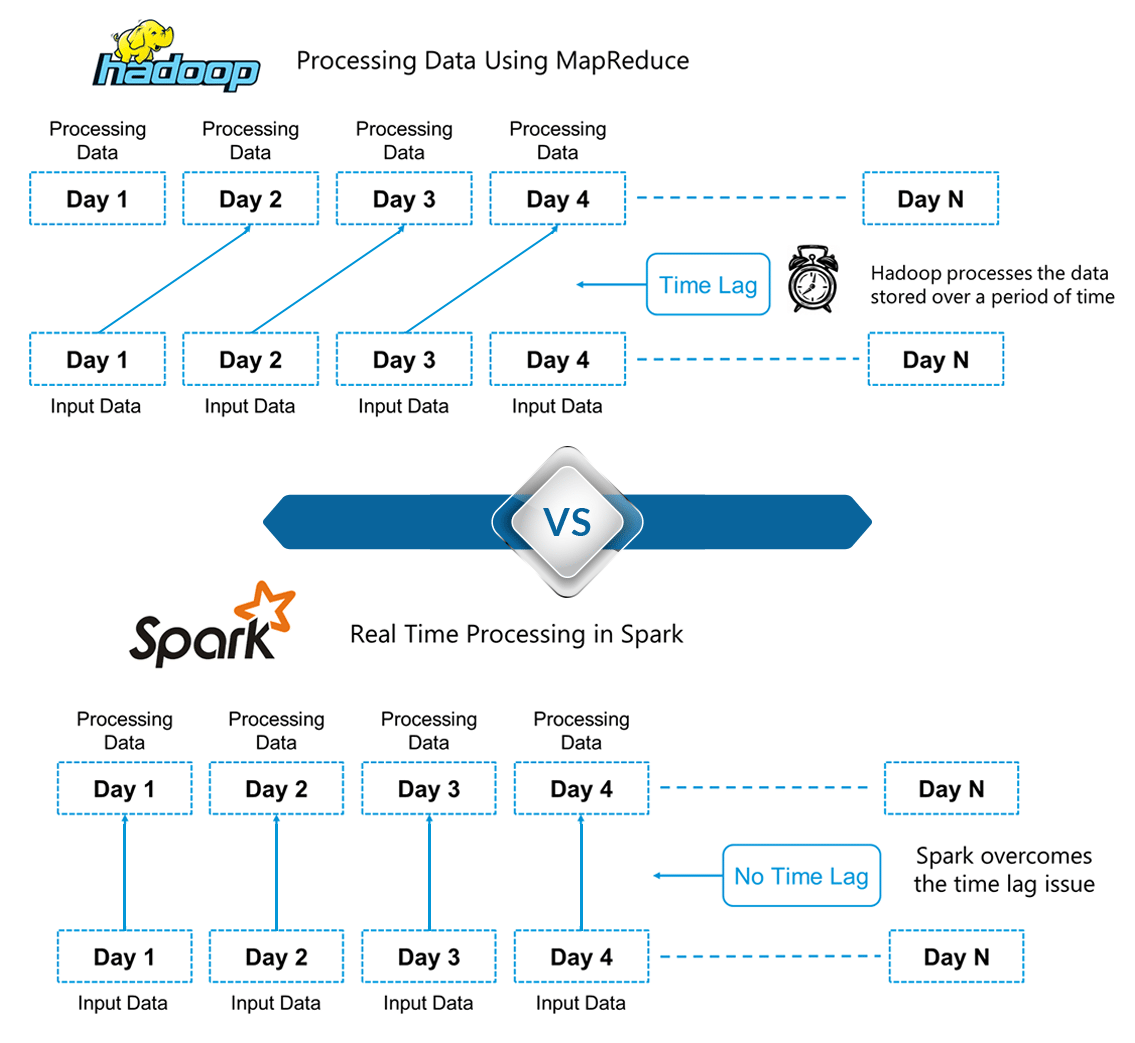
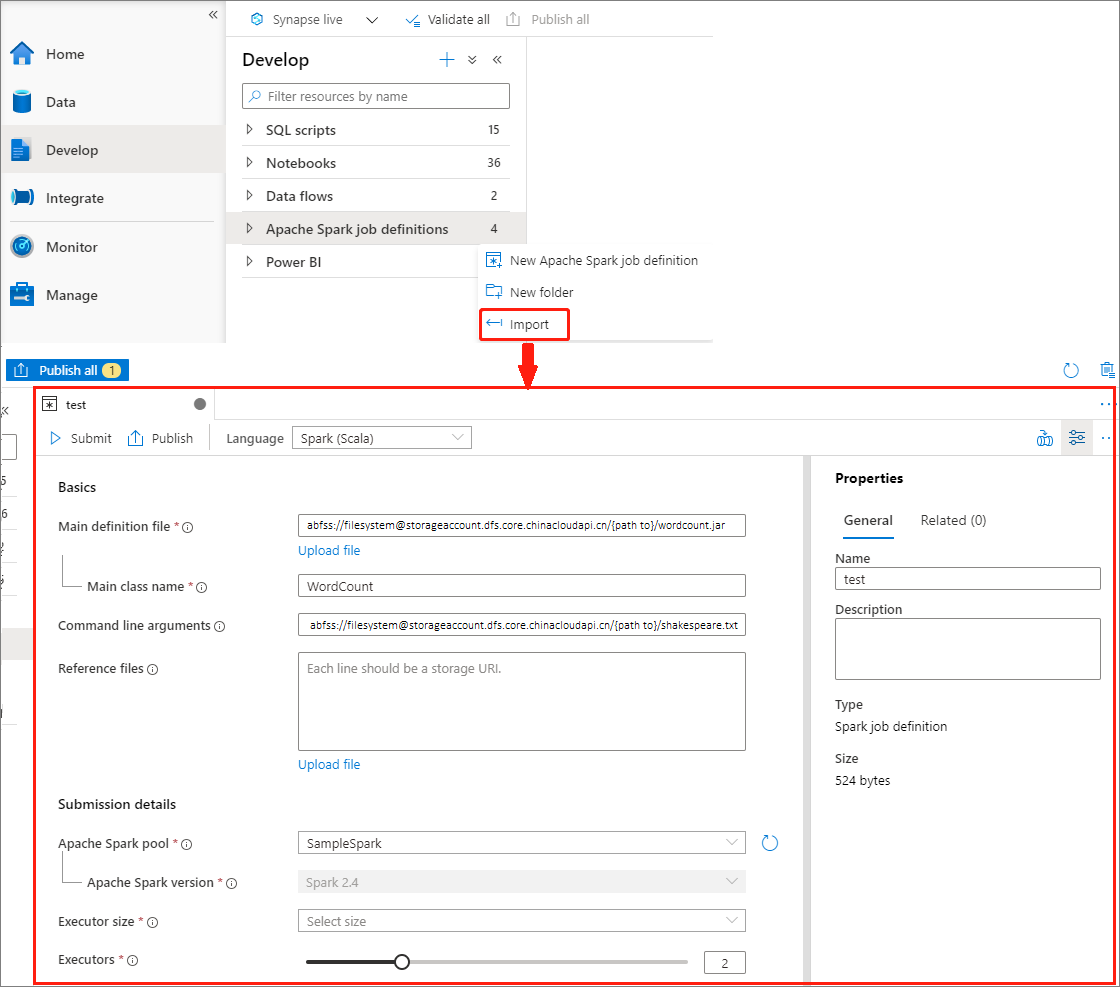
The Apache Spark documentation serves as the authoritative technical resource for big data processing, providing structured guidance on Spark SQL, Structured Streaming, and MLlib. This practical guide helps users navigate official manuals, API references, and configuration settings to build scalable data pipelines and optimize distributed computing workloads effectively.
Navigating the vast ecosystem of Apache Spark can be daunting for even seasoned data engineers. As of 2026, the complexity of distributed systems has only grown, making the official documentation more critical than ever. Whether you are migrating legacy MapReduce jobs or building real-time AI-driven analytics, understanding how to extract actionable information from the Spark docs is the first step toward project success. This guide breaks down the documentation into manageable segments, offering practical advice on how to use these resources to solve real-world engineering challenges.
Understanding the Hierarchy of Spark Documentation
The official Apache Spark documentation is not a single manual but a tiered collection of resources designed for different stages of the development lifecycle. Understanding where to look can save hours of frustration. At the highest level, the documentation is divided by version. It is crucial to ensure you are viewing the version that matches your environment (e.g., Spark 3.5.x or Spark 4.0), as configuration parameters and API signatures frequently change between major releases.
The documentation is generally organized into four primary areas:
- Quick Start and Installation: These guides provide the absolute basics of getting a Spark shell running on a local machine. They are excellent for initial testing but should not be the sole reference for production environments.
- Programming Guides: These are narrative-style explanations of Spark’s core components. They explain the "why" and "how" behind DataFrames, Datasets, and Spark SQL.
- Deployment Guides: These sections detail how Spark interacts with cluster managers like Kubernetes, YARN, and Mesos. This is where you find information on resource allocation and networking.
- API References: This is the technical "dictionary" for Spark. It provides the exact syntax for every function in Scala, Java, Python (PySpark), and R.
For a data professional, the Programming Guides are typically the most valuable starting point for logic development, while the Deployment Guides and Configuration pages are essential for infrastructure and performance tuning.
Navigating the Programming Guides: The Core of Spark
The Programming Guides represent the heart of the Spark documentation. As of 2026, the focus has shifted heavily toward the Spark SQL and DataFrame APIs, while the legacy RDD (Resilient Distributed Dataset) documentation remains primarily for those doing low-level optimization or maintaining ancient codebases.
Spark SQL and DataFrames
The Spark SQL Guide is arguably the most frequently visited page in the documentation. It covers the transition from unstructured data to structured tables. Practically, this section teaches you how to use the Catalyst Optimizer, which is Spark’s internal engine for rewriting queries to run more efficiently. When reading this section, pay close attention to the "Performance Tuning" subsection, which details techniques like broadcast joins and cost-based optimization (CBO).
Structured Streaming
For real-time data processing, the Structured Streaming Programming Guide is the definitive resource. Unlike older "DStream" processing, Structured Streaming treats a live data stream as a table that is continuously appended. The documentation provides critical patterns for handling "late data" using watermarks—a concept that is often misunderstood. A practical application of these docs involves looking up the specific output modes (Append, Update, Complete) to ensure your stream handles stateful transformations correctly.
Mastering Configuration and Performance Tuning
One of the most powerful yet intimidating pages in the documentation is the Configuration Page. In 2026, Spark environments often run on dynamic cloud infrastructure where default settings are rarely sufficient.
The configuration docs are organized into categories such as Application Properties, Runtime Environment, and Memory Management. When using this guide, focus on the following high-impact parameters:
spark.executor.memory: Determines how much heap memory each executor has.spark.driver.maxResultSize: Prevents the driver from crashing when collecting large amounts of data.spark.sql.shuffle.partitions: A critical setting for performance, as it controls the degree of parallelism during shuffles.
The documentation also includes a dedicated Tuning Guide. This guide is less about settings and more about architecture. It explains data serialization (Kryo vs. Java), memory management (Execution vs. Storage), and garbage collection. For a practical approach, use this guide when you notice your Spark jobs are bottlenecked by CPU or I/O, as it provides the theoretical foundation for resolving these issues.
API Documentation: Java, Scala, Python, and R
While the Programming Guides explain concepts, the API docs provide the specific implementation details. There is a significant difference in how these are structured.
- PySpark API: Python has become the dominant language for Spark. The PySpark documentation is structured to be familiar to users of Pandas or Scikit-learn. It includes specific sections for
pyspark.sql,pyspark.ml, andpyspark.pandas(formerly Koalas). - Scala and Java: Since Spark is written in Scala, these API docs are the most "native." They often include experimental features that may not yet be available in Python.
- Reading Signature Types: A common mistake is ignoring the return types in the API docs. For example, understanding whether a function returns a
DataFrame(which is lazy) or aRow(which is eager) is vital for preventing memory overflows on the driver node.
| Spark Component | Primary Documentation Focus | Ideal Use Case | Skill Requirement |
|---|---|---|---|
| Spark SQL | Declarative data processing, DataFrames, and SQL queries. | Batch processing and ETL pipelines. | Intermediate SQL / Python / Scala |
| Structured Streaming | Real-time, incremental data processing. | IoT data, fraud detection, live dashboards. | Advanced Distributed Systems |
| MLlib | Distributed machine learning algorithms. | Large-scale predictive modeling and feature engineering. | Data Science & Statistics |
| GraphX | Graph computation and parallel graph processing. | Social network analysis, recommendation engines. | Specialized Graph Theory |
| Spark Core | RDDs, scheduling, and basic I/O. | Custom data sources or low-level optimizations. | Expert Scala / Java |
Deployment and Cluster Management Resources
Successful Spark applications depend on the environment they run in. The documentation provides specific guides for various cluster managers. In 2026, the Spark on Kubernetes guide is the industry standard.
When deploying Spark, the documentation helps you resolve specific infrastructure questions:
- Resource Allocation: How to set limits and requests for CPU and memory in a containerized environment.
- Dynamic Allocation: How to enable Spark to give back resources to the cluster when they aren't being used, which is essential for cost management in cloud environments like AWS, Azure, or GCP.
- Security: The docs provide the necessary steps for configuring Kerberos authentication, SSL/TLS encryption for data in transit, and secret management for connecting to databases.
A practical tip for deployment: always check the "External Shuffle Service" section if you are using dynamic allocation. Without it, executors cannot safely be removed without losing intermediate shuffle files, which can cause job failure.
Monitoring and Debugging Using Official Docs
The documentation doesn't just help you write code; it helps you fix it when it breaks. The Monitoring and Instrumentation Guide explains the Spark Web UI in detail. This UI is the most important tool for debugging.
The documentation explains how to interpret:
- The DAG Visualization: This shows how Spark has planned your job. If you see a massive number of stages, your code might be inefficient.
- The Event Log: This is where you can find history on why certain executors failed (e.g., OOM - Out of Memory errors).
- Metrics System: How to export Spark metrics to external tools like Prometheus or Graphite for long-term monitoring.
By referencing the monitoring docs, you can learn how to identify "skew"—where one partition has significantly more data than others, causing your entire job to wait for a single task to finish. The docs provide strategies like "salting" to fix this common problem.
Common Pitfalls and Troubleshooting
Even with great documentation, developers often fall into specific traps. The Spark docs address many of these in the "Frequently Asked Questions" or within the troubleshooting subsections of the programming guides.
One of the most common errors is the AnalysisException, which usually occurs because of a schema mismatch. The documentation for pyspark.sql.types provides the exact schema definitions needed to enforce data types during ingestion. Another frequent issue is the "Task not serializable" error. The documentation explains that this usually happens when you try to use a non-serializable object inside a transformation. The practical fix involves using @transient or broadcasting the object, techniques documented in the Scala/Java performance sections.
Practical Recommendations for Using the Docs
To get the most out of the Apache Spark documentation in 2026, adopt a structured approach to learning and implementation:
- Always Verify the Version: Check the URL. If it says
/latest/, it might be a version ahead of what your company uses. Use the specific versioned URL (e.g.,/docs/3.5.0/) to ensure accuracy. - Use Search Wisely: The built-in search on the Spark site is helpful, but using a search engine with the site operator (e.g.,
site:spark.apache.org "window functions") often yields better results for specific functions. - Check the "Release Notes": For every new version, the release notes provide a summary of "Behavior Changes." This is the most important document to read before upgrading your Spark version, as it lists deprecated features and changes in default settings.
- Experiment with the Examples: Most sections in the Programming Guides include code snippets in multiple languages. Copying these into a local Spark shell is the fastest way to understand a complex concept like "Pivot" or "Windowing."
Frequently Asked Questions
What is the difference between the Spark Programming Guide and the API docs?
The Programming Guide provides a conceptual overview and narrative instructions on how to use a component (like Spark SQL), including code examples and architectural explanations. The API docs are a technical reference that lists every available class and method with their parameters and return types. Use the Guide to learn the "how-to" and the API docs to find specific function signatures.
Why does the documentation emphasize DataFrames over RDDs?
Since the release of Spark 2.0 and refined through Spark 3.x and 4.0, DataFrames have been the preferred API because they allow the Catalyst Optimizer to improve query performance. RDDs are lower-level and do not benefit from these automatic optimizations, making them harder to tune and generally slower for structured data processing.
Where can I find information on Spark performance tuning?
Performance tuning information is spread across two main areas: the "Performance Tuning" section within the Spark SQL Guide for query-level optimization, and the standalone "Tuning Guide" for system-level adjustments like memory management, serialization, and hardware provisioning.
How do I use the documentation to resolve "Out of Memory" (OOM) errors?
Refer to the "Configuration" page and the "Monitoring" page. The Monitoring guide helps you use the Spark UI to identify if the OOM is happening on the Driver or the Executors. Once identified, the Configuration page provides the parameters (like spark.executor.memory or spark.memory.fraction) needed to adjust the memory allocation to prevent the crash.
Does the Spark documentation cover cloud-specific integrations?
The official Apache Spark documentation covers general cluster managers like Kubernetes and YARN. While it provides the foundations for cloud deployment, specific optimizations for services like AWS Glue, Azure Databricks, or Google Cloud Dataproc are usually found in the respective cloud provider's own documentation, though they build upon the core Spark docs.
Is the documentation available offline?
Yes, the Spark documentation is bundled with every Spark distribution. You can find it in the docs directory of your Spark installation. You can also build it from the source using Jekyll if you need a local HTML version for an air-gapped environment.