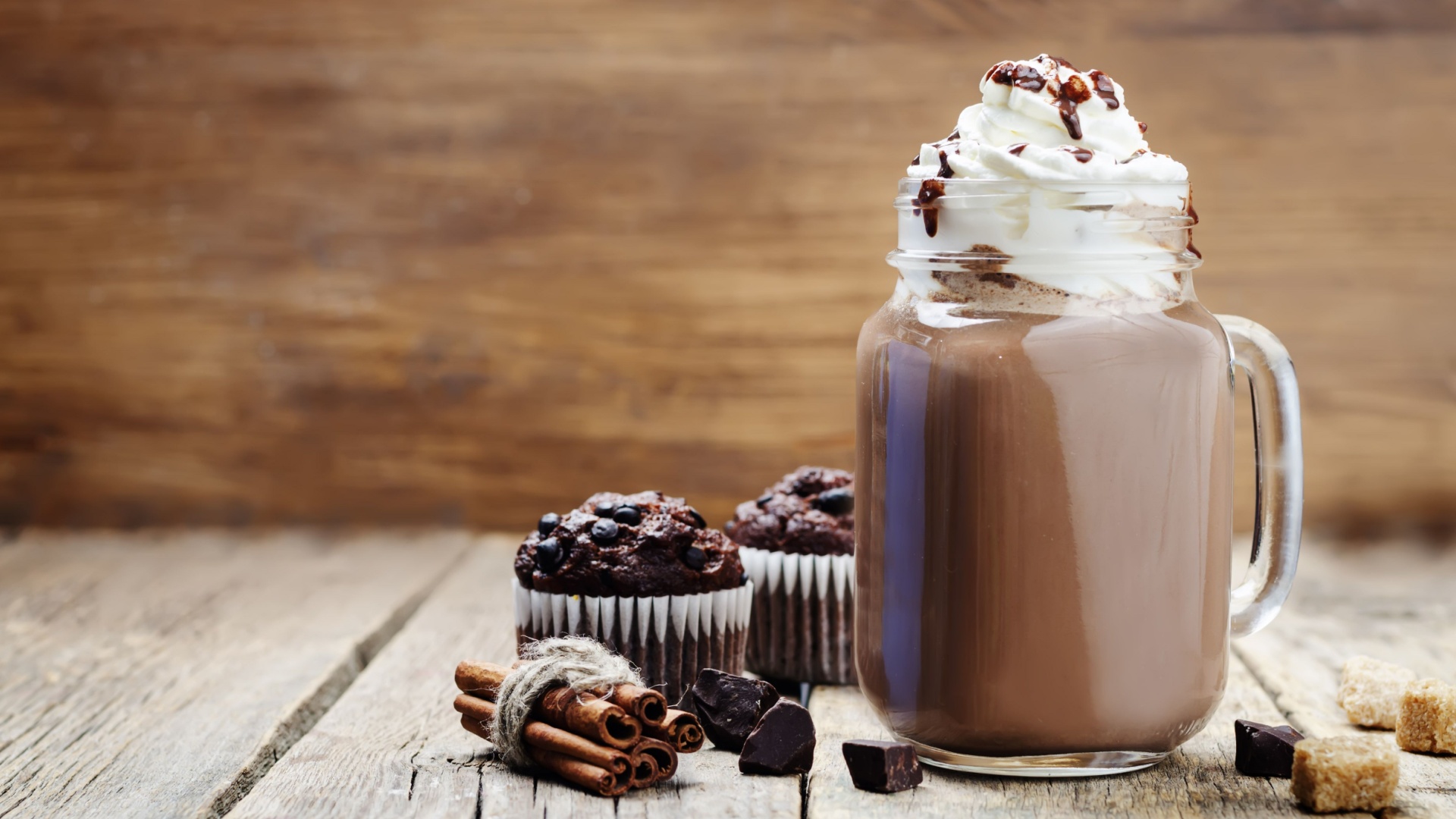
Elevating hot chocolate beyond a standard instant powder involves a strategic focus on ingredient quality, fat-to-protein ratios, and flavor layering. By incorporating high-quality fats, botanical infusions, complex spice profiles, balancing agents like sea salt, and utilizing proper emulsification techniques, you can transform this childhood staple into a sophisticated, multi-dimensional beverage.
In 2026, the appreciation for artisanal, "slow-food" beverages has reached a new peak. Consumers are no longer satisfied with the saccharine, watery mixtures of the past. Instead, the focus has shifted toward the chemistry of the drink—how certain acids brighten the cacao notes and how different fats affect the "mouthfeel" or the way the liquid coats the palate. Whether you are using a traditional pot-on-stove method or a modern high-speed emulsifier, the following five methods provide a comprehensive framework for achieving a professional-grade hot chocolate.
1. Optimize the Fat Content and Emulsification
The most immediate way to enhance any hot chocolate is to address the liquid base. Water-based hot chocolates often lack the structural integrity to carry the heavy flavors of cacao. In professional culinary settings, the goal is to create a stable emulsion between the cocoa solids, fats, and liquids.
The Role of Dairy and Plant-Based Fats
The protein and fat content in your base liquid dictate the viscosity and richness of the drink. Whole milk is the traditional standard because its proteins (casein) help stabilize the fat globules, creating a smooth texture. However, for a truly elevated experience, many 2026 home baristas are opting for a "half-and-half" approach—using a mixture of whole milk and heavy cream. The added butterfat provides a velvety texture that lingers on the tongue, allowing the chocolate’s tannins to soften.
If you are using plant-based alternatives, the protein content is critical. Oat milk is often favored for its creaminess and natural malt-like sweetness, which complements chocolate. However, cashew milk provides a more neutral, buttery profile that doesn't compete with the cacao. When using plant milks, consider adding a teaspoon of coconut oil or cocoa butter to mimic the richness of bovine dairy.
Professional Emulsification Techniques
One common mistake is simply stirring the powder or chocolate shavings into the hot liquid. This often results in a grainy texture or a layer of sludge at the bottom of the mug. To enhance the drink, use a high-speed battery-operated frother or a manual whisk. By vigorously aerating the mixture, you create a micro-foam that lightens the drink while ensuring the chocolate is fully integrated. This process also releases more volatile aromatic compounds, making the drink smell more intensely of chocolate.
2. Incorporate Complex Spice Profiles
While cinnamon is the most common additive, it is merely the tip of the iceberg when it comes to spice infusions. To truly enhance hot chocolate, one must look at the historical roots of the beverage, specifically the "Xocolatl" consumed by the Aztecs and Mayans, which was a bitter, spicy tonic.
The "Heat" Element
Adding a capsaicin-heavy element, such as cayenne pepper or ancho chili powder, does more than just add heat. It acts as a stimulant that opens the taste buds, allowing you to perceive the darker, fruitier notes of the cacao. The key is subtlety; a tiny pinch of cayenne (roughly 1/16th of a teaspoon per mug) should provide a warm glow in the throat rather than a burning sensation on the tongue.
Earthy and Floral Spices
For a more contemporary profile, consider these alternatives:
- Green Cardamom: Provides a citrusy, herbal note that cuts through the richness of heavy cream.
- Star Anise: Adds a faint licorice undertone that bridges the gap between the bitterness of the chocolate and the sweetness of the sugar.
- Smoked Paprika: Offers a woodsy, "campfire" depth that is particularly effective when using dark chocolate (70% cacao or higher).
When using whole spices, it is best to steep them in the milk as it heats, then strain them out before adding the chocolate. This ensures a clean texture while extracting the maximum essential oils from the spices.
3. Balance with Salt and Acid
Most people view hot chocolate purely as a sweet endeavor. However, the most sophisticated recipes utilize the principles of flavor balancing to prevent "palate fatigue," which occurs when a drink is so sweet that the tongue loses the ability to distinguish nuanced flavors.
The Science of Sea Salt
Salt is a powerful flavor enhancer. Sodium ions reduce the perception of bitterness while simultaneously enhancing the perception of sweetness. Adding a pinch of high-quality Maldon sea salt or fleur de sel to your hot chocolate doesn't make it "salty"; it makes the chocolate taste more like itself. It brightens the top notes and provides a clean finish to the drink.
The Missing Acid Component
Chocolate is naturally acidic, but that acidity is often lost during the "Dutch-processing" (alkalization) of cocoa powder. To restore balance, many chefs now add a subtle acidic component.
- Espresso: A shot of espresso or a teaspoon of instant espresso powder provides a bitter, acidic "spine" to the drink.
- Balsamic Glaze: A single drop of high-quality, aged balsamic vinegar can add a fruity complexity that mimics the natural acidity of high-end single-origin cacao beans.
- Sour Cream or Crème Fraîche: Whisking a dollop of these into the finished drink provides a subtle tang that mimics a high-end cheesecake or a cultured butter, adding a sophisticated layer of flavor.
4. Utilize Botanical and Herbal Infusions
In 2026, the trend of "functional beverages" has brought botanical infusions into the mainstream. Infusing your hot chocolate with herbs and flowers can transform the drink from a dessert into a refreshing, aromatic experience.
Woody Herbs
Herbs like rosemary and thyme contain oils that pair exceptionally well with the earthy notes of dark chocolate. To use them, place a fresh sprig of rosemary into your milk as it reaches a simmer. Let it steep for three minutes, then remove it. The resulting beverage will have a piney, savory undertone that makes the chocolate feel lighter and more complex.
Floral Aromatics
- Lavender: Use dried culinary lavender sparingly. It adds a sophisticated, "Provencal" feel but can become soapy if over-infused.
- Rose Water: A favorite in Middle Eastern culinary traditions, a few drops of rose water added at the very end of the process creates a highly aromatic drink that feels luxurious and delicate.
- Mint: Move beyond peppermint extract. Steeping fresh mint leaves in the milk provides a "greener," more natural flavor that is far superior to synthetic flavorings.
5. Experiment with High-End Textural Additives
The final way to enhance hot chocolate is through the addition of ingredients that modify the physical structure of the liquid. This moves the drink closer to the "drinking chocolates" found in European cafes.
The Starch Method (Italian Style)
In Italy, Cioccolata Calda is famous for being thick enough to coat a spoon. This is achieved by adding a small amount of cornstarch or arrowroot powder. You must first create a "slurry" by mixing the starch with a tablespoon of cold milk before adding it to the hot pot. This prevents clumping and results in a pudding-like consistency that is incredibly satisfying during cold months.
Nut Butters and Tahini
Adding a tablespoon of smooth almond butter, hazelnut butter, or tahini (sesame paste) provides a savory depth and a unique thickness. Tahini, in particular, adds a nuttiness that balances very sweet chocolate, while also introducing healthy fats that improve the mouthfeel.
Comparing Enhancements
The table below provides a quick reference for choosing an enhancement based on the desired outcome and the type of chocolate you are using.
| Enhancement Category | Recommended Ingredient | Best Paired With | Primary Benefit |
|---|---|---|---|
| Texture | Cornstarch Slurry | Milk Chocolate | Creates a thick, decadent "European" style. |
| Aromatic | Fresh Rosemary | 70% Dark Chocolate | Adds a woodsy, savory complexity. |
| Balance | Maldon Sea Salt | Any Chocolate | Reduces bitterness and amplifies sweetness. |
| Acidity | Espresso Shot | Semi-Sweet Chocolate | Brightens the flavor profile and adds "bite." |
| Richness | Tahini or Nut Butter | Dark Chocolate | Provides a creamy, savory, and thick mouthfeel. |
| Heat | Ancho Chili Powder | Mexican Chocolate | Stimulates the palate and adds depth. |
Technical Considerations: Temperature and Tooling
To ensure these enhancements work as intended, you must pay attention to the technical aspects of the preparation. Chocolate is sensitive to heat; if you boil the milk too vigorously, you risk scorching the proteins and "seizing" the chocolate.
The ideal temperature for serving hot chocolate is between 160°F and 170°F (71°C to 77°C). At this temperature, the drink is hot enough to be comforting but not so hot that it numbs the taste buds. If you are melting solid chocolate into the milk, keep the stove on low-to-medium heat and stir constantly.
According to the Institute of Food Technologists, the way we perceive flavor is heavily influenced by the temperature of the liquid. Very cold or very hot liquids can mask subtle notes of vanilla or spice. By maintaining the 160°F range, you allow the volatile oils from your infusions (like lavender or cardamom) to remain active and perceivable.
Frequently Asked Questions
What is the difference between hot cocoa and hot chocolate?
Hot cocoa is typically made from cocoa powder, which is the result of removing the cocoa butter from the cacao bean. It tends to be thinner and sweeter. Hot chocolate (or drinking chocolate) is made from melted bars or shavings of actual chocolate, which includes the cocoa butter. This results in a much richer, thicker, and more fat-heavy beverage.
Can I use water instead of milk to enhance the chocolate flavor?
While water is less traditional, it can actually "unmask" the flavor of very high-quality, single-origin dark chocolate. Without the dairy proteins coating the tongue, you can taste the specific notes of the cacao bean (e.g., tobacco, berry, or citrus). However, the mouthfeel will be very thin, so it is often recommended to add a thickener like cornstarch or a fat like coconut oil if you choose the water-based route.
How do I prevent my spices from being grainy?
The best way to avoid a grainy texture is to use "whole" spices (like cinnamon sticks or whole star anise) and steep them in the milk, then strain. If you must use ground spices, whisk them into a small amount of warm liquid first to create a paste before adding the rest of the milk. This ensures the particles are evenly distributed and less likely to clump.
Is it necessary to bloom the cocoa powder?
Yes. "Blooming" involves mixing your cocoa powder with a small amount of hot liquid (water, milk, or even melted butter) to form a paste before adding the rest of the ingredients. This process releases the flavor trapped within the solid particles and ensures a smoother integration into the final drink.
What type of chocolate should I use for the best results?
For a professional result, avoid "baking chocolate" which can be too waxy, and instead look for "couverture" chocolate. Couverture has a higher percentage of cocoa butter (at least 31%), which allows it to melt more smoothly and create a superior emulsion in your hot chocolate.
Final Recommendation
To achieve the best results in 2026, start with a 50/50 blend of whole milk and heavy cream. Use a 70% dark couverture chocolate, bloom it with a pinch of sea salt and a teaspoon of espresso powder, and finish the drink by whisking it vigorously with a handheld frother. This combination addresses texture, balance, and aroma, providing a gold-standard hot chocolate experience that surpasses any store-bought alternative.