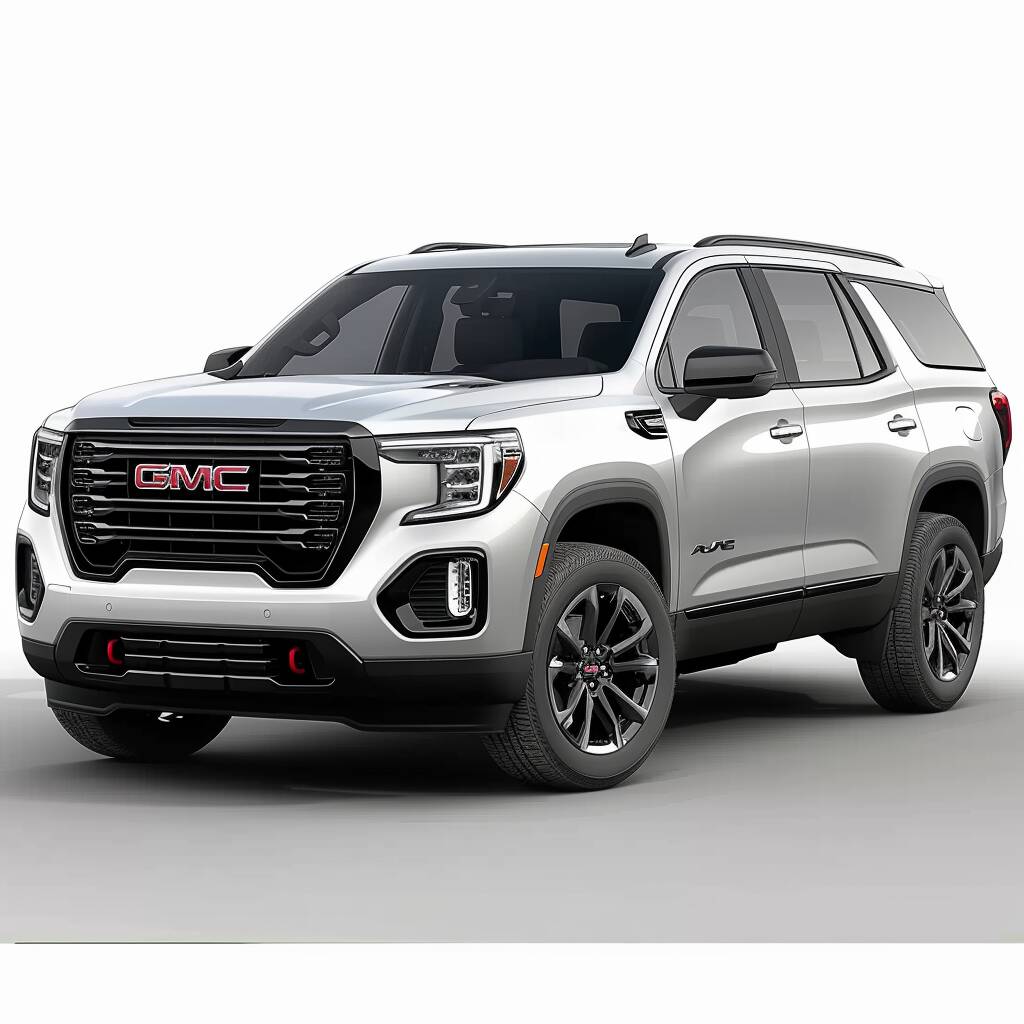
Maintaining the engine of a 2018 GMC Acadia begins with using the correct oil type and capacity to ensure longevity, optimal performance, and fuel efficiency. For this model year, the standard recommendation is full synthetic 0W-20 oil for the 2.5-liter 4-cylinder engine, while the 3.6-liter V6 engine typically requires full synthetic 5W-30 oil. Total oil capacity varies significantly based on engine size, with the 4-cylinder taking roughly 5.0 quarts and the V6 requiring approximately 6.0 quarts, including the filter.
Understanding Your 2018 GMC Acadia Engine Options
The 2018 GMC Acadia was manufactured with two distinct engine configurations: a 2.5-liter inline-4 (LCV) and a 3.6-liter V6 (LGX). Because these powerplants have different internal tolerances, cooling characteristics, and mechanical designs, they require different viscosities of engine oil. Putting the wrong oil weight into either engine can lead to premature wear, improper lubrication during extreme temperatures, or reduced fuel economy.
Before performing an oil change or purchasing supplies, pop the hood and verify your engine type. You can check the emissions label under the hood, look at your vehicle owner's manual, or inspect the engine cover itself. Selecting the precise oil grade keeps the variable valve timing (VVT) system operating smoothly and prevents potential diagnostic trouble codes related to oil pressure or camshaft actuation.
Official Oil Type Specifications
General Motors specifies Dexos1-certified synthetic engine oils for modern passenger vehicles to ensure high thermal stability, resistance to oxidation, and reduced deposit formation on critical engine components.
2.5L 4-Cylinder Engine
- Viscosity Grade: SAE 0W-20
- Specification: GM dexos1 Gen 2 (or later approved Gen 3 standard)
- Oil Type: Full Synthetic
3.6L V6 Engine
- Viscosity Grade: SAE 5W-30
- Specification: GM dexos1 Gen 2 (or later approved Gen 3 standard)
- Oil Type: Full Synthetic
Using non-certified oils or conventional blends can accelerate wear on precision-machined internal components. The dexos1 standard ensures that the oil performs well under high operating temperatures found in modern direct-injection engines, which are prone to carbon buildup on intake valves if inferior lubricants are used.
Engine Oil Capacity Breakdown
Knowing the exact oil capacity prevents overfilling or underfilling, both of which can cause severe engine damage. The capacities listed below reflect a standard oil and filter change where the old filter is completely removed and replaced with a new one.
| Engine Size | Oil Viscosity | Oil Capacity (with Filter) | Oil Filter Part Number (ACDelco) |
|---|---|---|---|
| 2.5L 4-Cylinder | SAE 0W-20 | 5.0 quarts (4.7 liters) | PF64 / PF2257G (varies by design) |
| 3.6L V6 | SAE 5W-30 | 6.0 quarts (5.7 liters) | PF63E |
Note: Always add slightly less than the specified total capacity initially, run the engine briefly, check the dipstick, and top off to the proper fill line to account for residual oil left inside internal passages.
Prerequisites and Tools for Your Oil Change
Gathering the correct tools and materials before starting an oil change on a 2018 GMC Acadia ensures the process goes smoothly and safely. Rushing into the job without proper equipment often leads to stripped drain plugs, messy spills, or incomplete filter replacements.
- Supplies Needed:
- 5 to 6 quarts of certified full synthetic oil (0W-20 or 5W-30 depending on your engine)
- A replacement oil filter (ACDelco PF63E for V6 or equivalent high-efficiency filter)
- A new oil drain plug gasket or crush washer
- Tools Required:
- Hydraulic floor jack and heavy-duty jack stands (never work under a vehicle supported only by a hydraulic jack)
- Wheel chocks for safety
- Oil filter wrench (cap style or band style)
- Socket wrench set (typically a 15mm socket for the drain plug)
- Drain pan and funnel
- Clean shop rags or paper towels
- Safety glasses and gloves
Step-by-Step Oil Change Procedure
Executing an oil change properly requires careful attention to safety and cleanliness. Follow this structured sequence to complete the service on your 2018 GMC Acadia without complications.
- Warm Up the Engine: Run the engine for 3 to 5 minutes to warm the oil, making it less viscous so it drains more completely. Shut off the engine, engage the parking brake, and set wheel chocks.
- Elevate and Secure the Vehicle: Safely raise the front of the Acadia using a hydraulic jack at factory-approved lift points, then lower the vehicle securely onto sturdy jack stands.
- Locate and Remove the Drain Plug: Place your drain pan directly beneath the oil pan drain plug. Use your socket wrench to loosen and remove the 15mm drain plug. Be mindful that the oil may be warm. Allow it to drain completely until it slows to a steady drip.
- Inspect and Replace the Washer: Inspect the drain plug threads and gasket. Replace the crush washer if worn or flattened, and reinstall the drain plug, torquing it to manufacturer specifications to prevent leaks without stripping the oil pan threads.
- Remove the Old Oil Filter: Locate the oil filter (positioned near the bottom of the engine block). Position your drain pan underneath it, unscrew the old filter, and ensure the rubber O-ring gasket comes off with it rather than sticking to the engine mounting surface.
- Install the New Filter: Dip a clean finger into fresh engine oil and lightly smear a thin film across the rubber gasket of the new oil filter. Screw the new filter on by hand until it seats snugly, then turn it an additional three-quarter to one full turn. Do not overtighten with a wrench.
- Add Fresh Oil: Remove the oil filler cap under the hood, insert a clean funnel, and pour in the correct amount of fresh synthetic oil (5 quarts for the 2.5L or 6 quarts for the 3.6L). Remove the funnel and secure the filler cap tightly.
- Verify Levels and Reset Monitor: Start the engine and let it idle for 30 seconds while checking underneath for any leaks around the filter and drain plug. Turn off the engine, wait a minute for oil to settle, pull the dipstick, and verify the level falls within the operating range. Finally, reset the oil life monitor through the driver information center.
Common Mistakes to Avoid
Even experienced DIY mechanics can make simple errors during a routine oil service. Being aware of these pitfalls protects your vehicle's engine.
- Double-Gasketing: Failing to check whether the old rubber O-ring came off with the old filter can result in stacking two gaskets. This causes a massive, high-pressure oil leak immediately upon startup.
- Over-Torquing the Drain Plug: The oil pan is typically made of aluminum. Overtightening the drain plug can strip the threads, leading to costly pan replacement or repair inserts.
- Using Incorrect Viscosity: Putting 5W-30 into a 2.5L engine or 0W-20 into a V6 can negatively impact oil pressure regulation, fuel efficiency, and internal component durability, particularly in freezing winter weather or under heavy towing loads.
- Neglecting the Oil Life Monitor Reset: Forgetting to reset the onboard computer system means you will lose track of when your next service is due, risking excessive oil breakdown.
Frequently Asked Questions
How often should I change the oil in a 2018 GMC Acadia?
Most driving conditions call for an oil change every 7,500 miles or 12 months, whichever comes first, using dexos1 full synthetic oil. However, if you frequently drive in severe conditions—such as dusty roads, extreme heat, heavy towing, or frequent short trips under 10 miles—it is wise to shorten the interval to every 3,000 to 5,000 miles.
Can I use conventional oil instead of synthetic in my Acadia?
No. General Motors explicitly mandates dexos1-certified full synthetic oil for both the 2.5L and 3.6L engines found in the 2018 GMC Acadia. Conventional oils break down faster under high operating temperatures, fail to protect direct-injection components adequately, and can void warranty coverage or cause sludge buildup.
What happens if I accidentally put the wrong amount of oil in my engine?
Overfilling can cause excessive internal crankcase pressure, leading to blown gaskets, oil leaks, and frothing (aeration) of the oil by the crankshaft, which reduces lubrication effectiveness. Underfilling deprives critical bearings and the valvetrain of necessary oil pressure, resulting in rapid wear, ticking noises, and potential engine seizure.
How do I reset the oil life monitor on a 2018 GMC Acadia?
Turn the ignition to the "On" position without starting the engine. Use the directional pad on the steering wheel to navigate the instrument cluster display to the "Oil Life" remaining screen. Press and hold the checkmark or select button until the display resets to 100%.
Do I need to change the oil filter every time I change the oil?
Yes. Replacing the oil filter during every oil change is a vital maintenance practice. Old filters trap contaminants, metal particles, and sludge; reusing an old filter introduces these impurities directly back into your fresh, clean engine oil.
Conclusion and Recommendations
Maintaining your 2018 GMC Acadia with the correct oil type and capacity safeguards its performance and resale value. Always verify your specific engine size before purchasing supplies—opting for 0W-20 full synthetic for the 2.5L 4-cylinder or 5W-30 full synthetic for the 3.6L V6—while adhering strictly to GM dexos1 standards. Regular checks of your oil level between changes will keep your vehicle running smoothly for years to come.