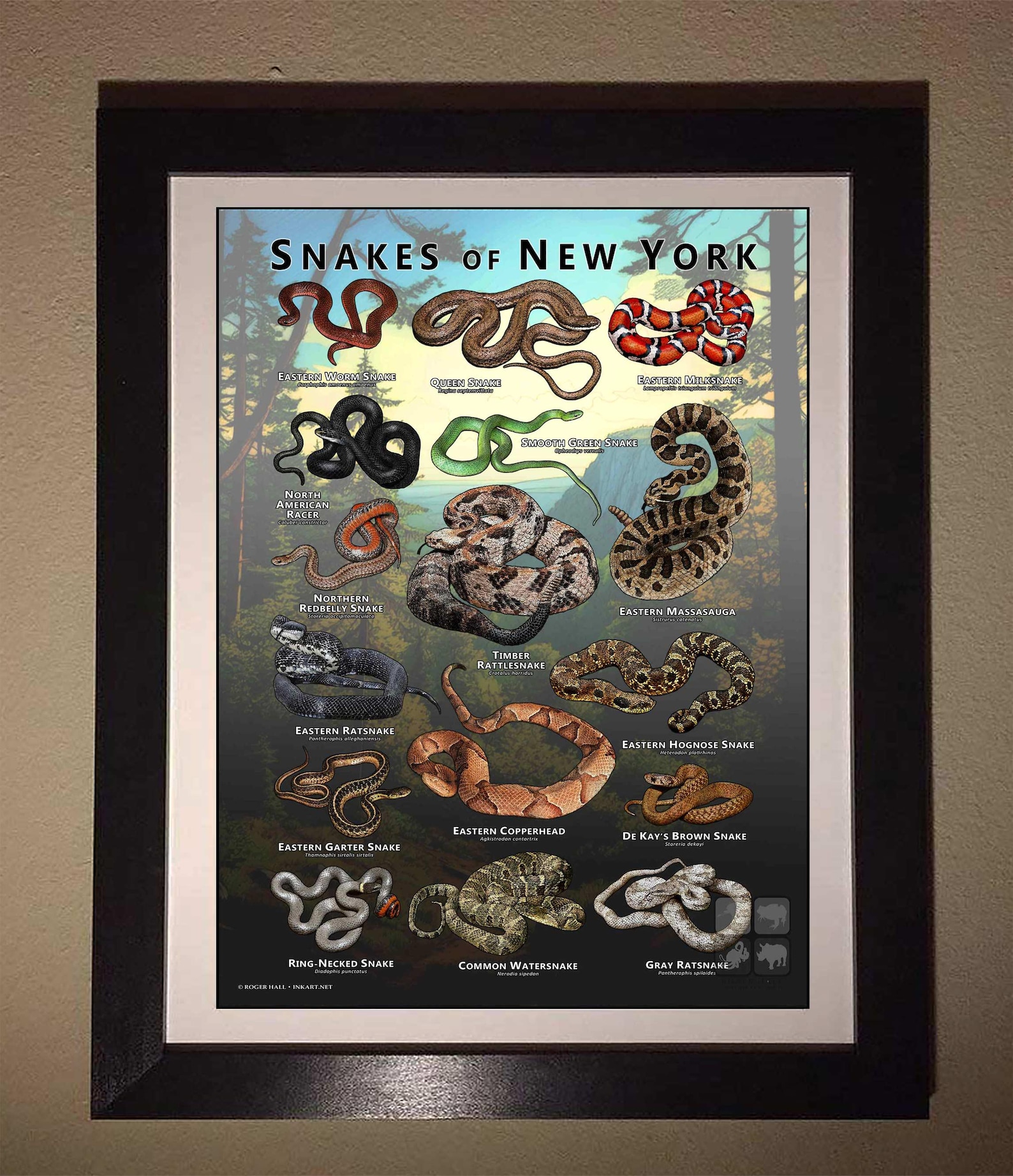
Yes, there are snakes in New York. The state is home to approximately 17 different native snake species, inhabiting environments that range from dense urban parks and suburban backyards to rugged mountain ranges and sprawling state forests. While many residents and visitors assume that New York’s dense population and cold winters preclude a thriving reptile population, these cold-blooded animals have successfully adapted to the region's diverse ecosystems.
Understanding New York’s snake population requires looking past common urban myths and examining the biological reality of these animals. Most species found across the state are entirely harmless to humans, playing a vital role in local food webs by controlling rodent and insect populations. However, a small fraction of these species are venomous, requiring careful identification, respect, and awareness—particularly for hikers, campers, and homeowners living near wooded or wetland borders.
Overview of New York's Herpetofauna and Geography
New York State features a surprisingly diverse landscape, encompassing coastal plains, rolling hills, agricultural valleys, and high-elevation mountain zones such as the Adirondacks and the Catskills. This ecological variety supports a wide array of wildlife, including amphibians and reptiles, collectively managed and monitored by the New York State Department of Environmental Conservation (NYSDEC).
Snakes are ectothermic, meaning they rely on external environmental temperatures to regulate their body heat. Consequently, New York snakes spend the winter months brumating—a reptile form of hibernation—underground below the frost line, in rock crevices known as hibernacula, or inside abandoned mammal burrows. As temperatures rise in the spring, these animals emerge to bask in the sun, forage for food, and find mates.
Human development has inevitably altered natural habitats, yet several resilient snake species persist even within suburban and urban environments. Encounters in suburban backyards, municipal parks, and near suburban bodies of water are relatively common during the warm summer months. Knowing which species are present helps mitigate unnecessary fear and ensures that both humans and wildlife remain safe.
Non-Venomous Snake Species in New York
The vast majority of snakes encountered in New York are non-venomous. These animals pose no threat to humans or pets, though they may bite defensively if cornered, handled, or stepped on. Below are the most common non-venomous species found throughout the state.
Garter Snakes and Ribbon Snakes
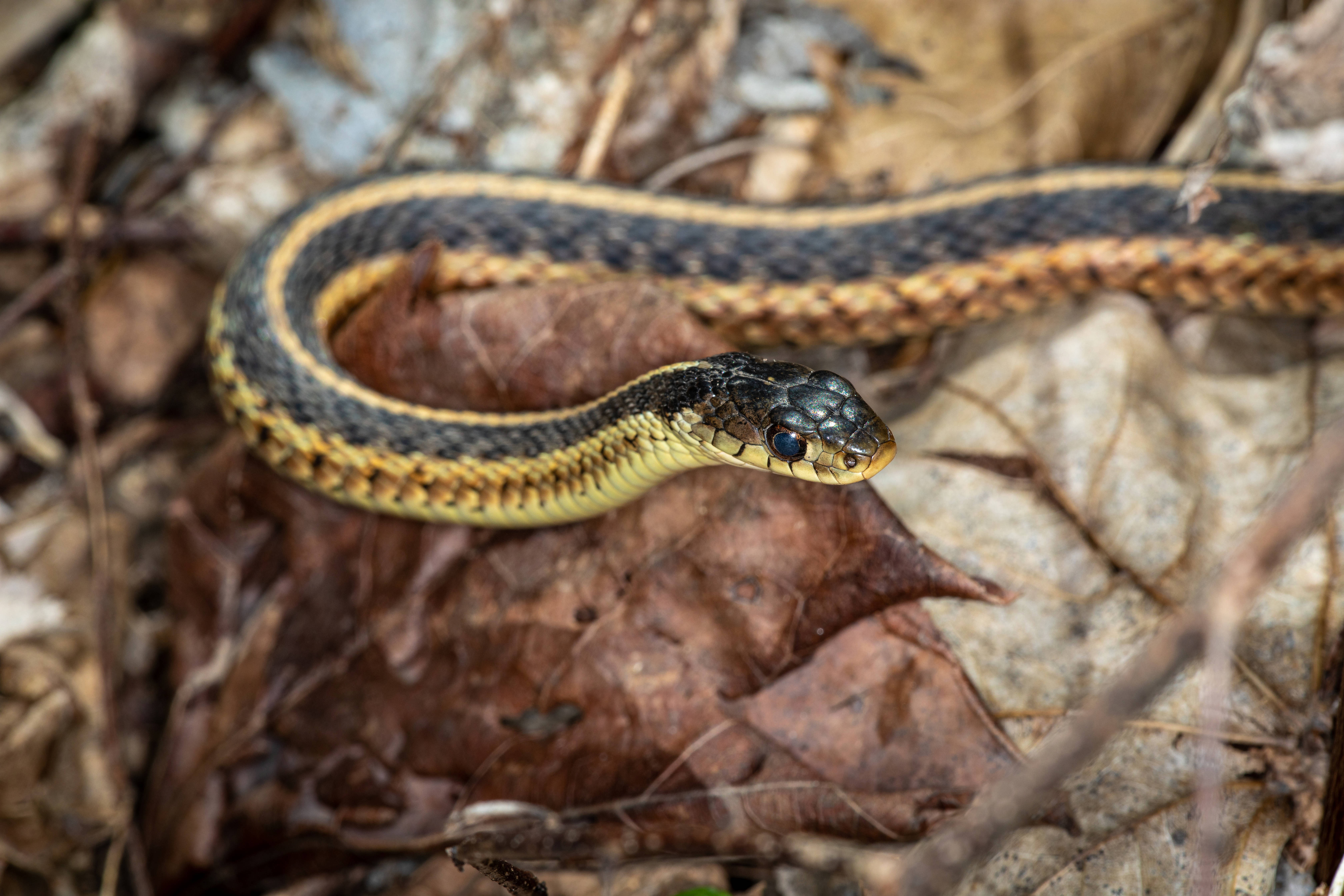
The Common Garter Snake (Thamnophis sirtalis) is arguably the most frequently encountered snake in New York. Adaptable and resilient, garter snakes live in fields, forests, wetlands, and suburban gardens. They are easily identified by their longitudinal yellow or light-colored stripes running the length of a dark body. A closely related species, the Eastern Ribbon Snake (Thamnophis sauritus), is slenderer and typically found closer to water bodies like streams, ponds, and marshes.
Milksnakes and Rat Snakes
The Eastern Milksnake (Lampropeltis triangulum) is a secretive, patterned snake often mistaken for copperheads due to its reddish-brown blotches. Despite this superficial resemblance, milksnakes are completely harmless and constrictors rather than venomous predators. Similarly, the Black Rat Snake (Pantherophis alleghaniensis), often simply called the rat snake, is a large, powerful constrictor found primarily in the Hudson Valley and southern regions of the state. These snakes are exceptional climbers and frequently inhabit old barns, stone walls, and forested ledges.
Water Snakes and Brown Snakes
The Northern Water Snake (Nerodia sipedon) is frequently found basking on logs or rocks near lakes, rivers, and streams across New York. Because of its dark coloration and blotched pattern, it is frequently misidentified as a venomous cottonmouth—a species that does not live in New York. While water snakes can be aggressive when handled and possess a mild anticoagulant in their saliva that makes bites bleed freely, they are entirely non-venomous. Other small, harmless species include the Dekay’s Brown Snake (Storeria dekayi) and the Red-bellied Snake (Storeria occipitomaculata), which rarely exceed a foot in length and feed primarily on slugs and earthworms.
| Common Name | Scientific Name | Primary Habitat | Typical Size | Venom Status |
|---|---|---|---|---|
| Common Garter Snake | Thamnophis sirtalis | Fields, forests, backyards | 18–26 inches | Non-venomous |
| Eastern Milksnake | Lampropeltis triangulum | Woodlands, agricultural areas | 24–36 inches | Non-venomous |
| Black Rat Snake | Pantherophis alleghaniensis | Forests, rocky hillsides, barns | 42–72 inches | Non-venomous |
| Northern Water Snake | Nerodia sipedon | Lakes, streams, wetlands | 24–42 inches | Non-venomous |
| Timber Rattlesnake | Crotalus horridus | Forested rocky ridges, ledges | 36–60 inches | Venomous (Pit Viper) |
| Eastern Copperhead | Agkistrodon contortrix | Rocky woods, wetlands edges | 24–36 inches | Venomous (Pit Viper) |
| Massasauga | Sistrurus catenatus | Wet meadows, shrub swamps | 18–30 inches | Venomous (Pit Viper) |
Venomous Snakes Native to New York
While non-venomous species dominate the state's fauna, New York is home to three venomous snake species. All three belong to the pit viper family (Viperidae), characterized by heat-sensing facial pits between the eye and nostril, vertical cat-like pupils, and triangular heads. These species are protected under New York State environmental conservation law, making it illegal to kill, capture, or harass them without specific permits.
Timber Rattlesnake (Crotalus horridus)
The Timber Rattlesnake is the largest venomous snake in New York. Historically widespread, its populations are now largely restricted to heavily forested, rugged terrain, including parts of the Hudson Valley, the Catskills, the Taconic Mountains, and isolated pockets of the Southern Tier and western Adirondacks.
Timber rattlesnakes generally measure between three and five feet long. Their coloration varies from yellow to dark brown or black, overlaid with dark, jagged crossbands. They feature a distinct rattle at the end of their tail, which they vibrate rapidly when alarmed. Despite their potent hemotoxic venom, timber rattlesnakes are notoriously docile compared to other rattlesnake species and typically provide ample warning via rattling before striking.
Eastern Copperhead (Agkistrodon contortrix)
The Eastern Copperhead inhabits localized regions of southeastern New York, including the lower Hudson Valley, parts of Rockland and Westchester counties, and portions of the Taconic ridge. They prefer rocky, wooded hillsides, decaying logs, and the edges of swamps or stone walls.
Copperheads are easily identified by their hourglass-shaped crossbands that are broader on the sides and narrower across the back, resembling the color of old copper pennies. They rely heavily on camouflage rather than flight when approached, freezing in place to blend into leaf litter. This defensive behavior accounts for a high percentage of accidental snakebite incidents, usually occurring when an unsuspecting person steps directly on or very close to the animal.
Massasauga (Sistrurus catenatus)
The Massasauga is a small, secretive rattlesnake found only in very isolated, highly localized wetland habitats in central and western New York, such as the Cicero Swamp near Syracuse and portions of the Oak Orchard Swamp. Measuring generally between 18 and 30 inches, the massasauga features a grey or light brown body with dark brown or black blotches down its back and sides. Due to extensive wetland drainage and habitat loss, the massasauga is listed as an endangered species in New York and is rarely encountered by the general public.
Geographic Distribution Across New York Regions
Snake distribution across New York State varies dramatically based on elevation, human development, and microclimates. Understanding regional differences helps set realistic expectations for encounters.
New York City and Long Island
Even within the densely urbanized environment of New York City and the sprawling suburbs of Long Island, snakes persist. In the five boroughs, green spaces such as Central Park, Van Cortlandt Park in the Bronx, and the Greenbelt on Staten Island support populations of garter snakes, brown snakes, and occasional milk snakes. Long Island features sandy soils and pine barrens that provide ideal habitat for eastern hognose snakes (Heterodon platirhinos) and garter snakes. Venomous snakes are virtually absent from Long Island and New York City, though historical records indicate copperheads once inhabited certain rocky northern sections of Manhattan and the Bronx before urban expansion.
Upstate and Rural Regions
As one travels north and west into the Hudson Valley, the Capital Region, and the Southern Tier, biodiversity increases significantly. This is where habitats for larger constrictors and both timber rattlesnakes and copperheads overlap. Forested ridges with southern exposures provide critical overwintering dens for pit vipers, while adjacent agricultural fields offer abundant rodent prey.
Mountainous and Adirondack Zones
The high-elevation zones of the Adirondacks and Catskills experience severe winters, limiting reptile diversity. While garter snakes and smooth green snakes (Opheodrys vernalis) can be found in mountain clearings and damp meadows, the distribution of timber rattlesnakes is restricted to specific lower-elevation rocky outcroppings where winter survival is biologically viable.
Ecological Importance and Human-Wildlife Interaction
Snakes occupy a vital ecological niche in New York's natural environment. As intermediate predators, they serve as natural pest control agents, consuming millions of mice, rats, voles, and insects annually. This predation helps curb rodent populations that might otherwise damage agricultural crops or spread tick-borne illnesses such as Lyme disease.
Despite their ecological utility, human-snake conflicts do occur. Most snakebites in New York occur when individuals attempt to capture, handle, kill, or deliberately harass a snake. To minimize negative interactions, experts recommend adhering to common-sense safety guidelines:
- Maintain Distance: If you encounter a snake, give it space to retreat. Never attempt to touch or pick up an unfamiliar snake.
- Watch Your Step: When hiking in rocky or wooded areas, wear sturdy boots, long pants, and step onto—rather than over—fallen logs and rocks where snakes may be basking.
- Clear Yard Debris: Keep grass cut short around homes, clear away tall brush, and elevate firewood piles to reduce potential hiding spots for snakes near living areas.
- Keep Pets Leashed: Dogs and cats exploring brush piles or tall grass are frequent targets for defensive bites from both venomous and non-venomous species.
Frequently Asked Questions
Are there venomous water snakes in New York?
No. The only water snake species native to New York is the Northern Water Snake, which is completely non-venomous. While people frequently confuse them with the cottonmouth (water moccasin)—a venomous pit viper found exclusively in the southeastern United States—cottonmouths do not live in New York.
What should I do if I am bitten by a snake in New York?
If bitten, remain calm and move away from the snake to prevent a secondary strike. Note the snake's appearance if safely possible, but do not attempt to capture or kill it. Remove rings, watches, or tight clothing near the bite area in case of swelling. Seek immediate medical attention at the nearest hospital emergency room. Do not apply tourniquets, cut the wound, or attempt to suck out venom, as these traditional first-aid methods cause further tissue damage.
Are snakes protected by law in New York?
Yes. Under New York State Environmental Conservation Law, most native reptiles and amphibians are protected. It is illegal to collect, sell, purchase, or kill native snakes without appropriate permits from the NYSDEC. Venomous species, including timber rattlesnakes, copperheads, and massasaugas, receive strict legal protection due to declining populations and conservation status.
How can I keep snakes away from my yard?
You can deter snakes from residential yards by eliminating their preferred habitats and food sources. Keep lawns closely mowed, remove brush piles, stack firewood on racks well above the ground, and seal foundation cracks or gaps where rodents might nest, as an absence of mice and voles will naturally discourage snakes from lingering.
Are there pythons or boas living wild in New York?
No. Large constrictors such as pythons and boa constrictors are not native to New York and cannot survive freezing winter temperatures. While escaped or illegally released pet snakes occasionally turn up in urban parks during warm summer months, they do not establish self-sustaining breeding populations in the wild.
Conclusion and Next Actions
Snakes are a permanent, natural component of New York's diverse wildlife ecosystem. While encountering a snake can be startling, understanding which species are present—and recognizing the distinct traits of the state's three venomous species—empowers residents and visitors to coexist safely with these animals. For landowners experiencing nuisance wildlife issues or seeking specific guidance on property management, consult the NYSDEC Wildlife Management Bureau resources or contact a licensed nuisance wildlife control operator for professional assistance.