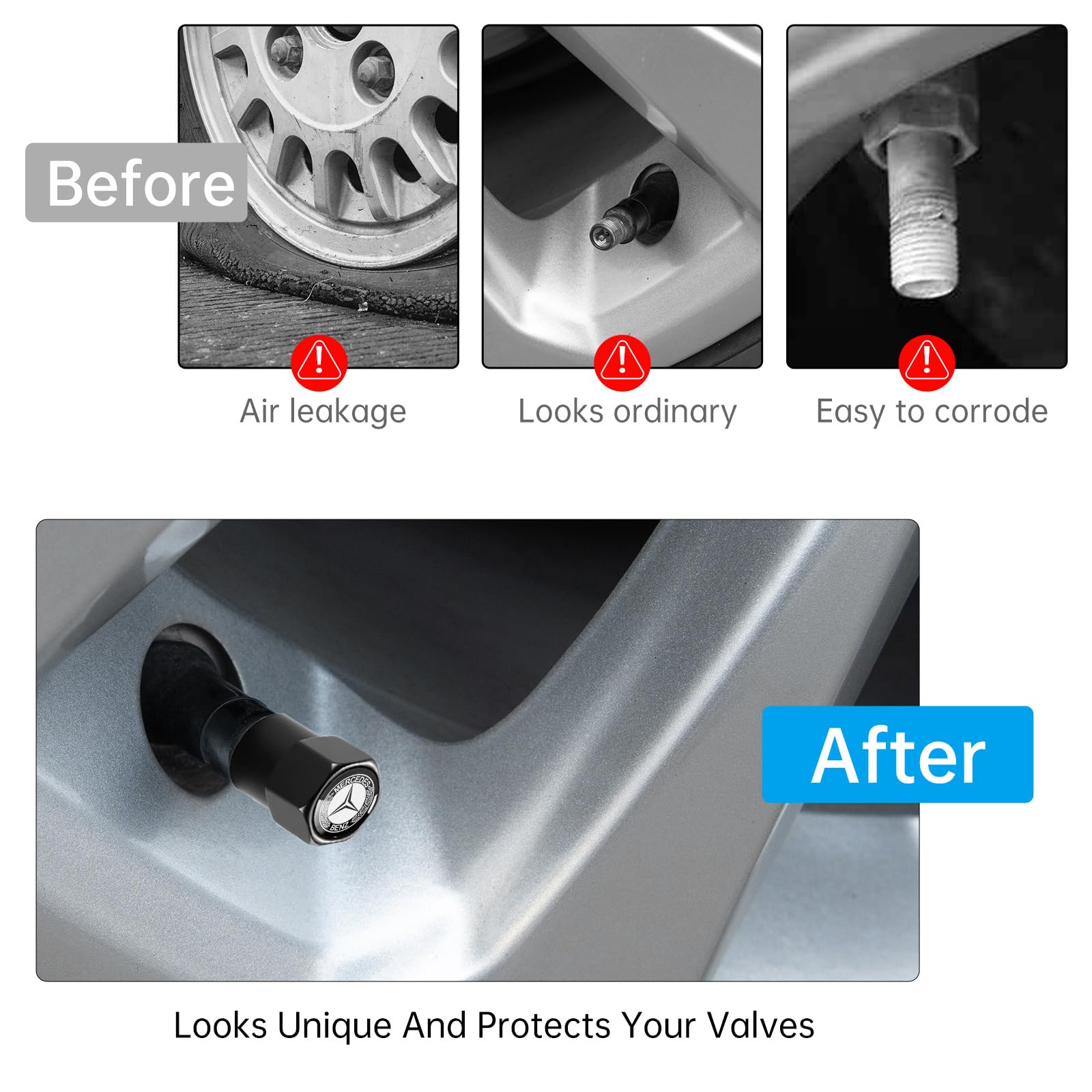
Tire valve caps are indeed necessary for maintaining optimal tire health, as they form a vital secondary seal that prevents moisture, road salt, and dirt from clogging the valve core and causing slow air leaks. While a vehicle can safely roll down the highway without them for short periods, running without valve caps over the long term invites corrosion, valve failure, and unexpected pressure loss.
Understanding the mechanical role of tire valve caps requires looking beyond their unassuming appearance. To the average driver, these small plastic or metal covers often look like mere cosmetic accessories or afterthoughts designed to match custom wheel rims. However, automotive engineers and tire safety organizations design them as essential functional components of a vehicle’s tire pressure management system. This guide explores the mechanical purpose of tire valve caps, the consequences of driving without them, the differences between various materials, and best practices for proper tire maintenance.
The Anatomy of a Tire Valve and the Role of the Cap
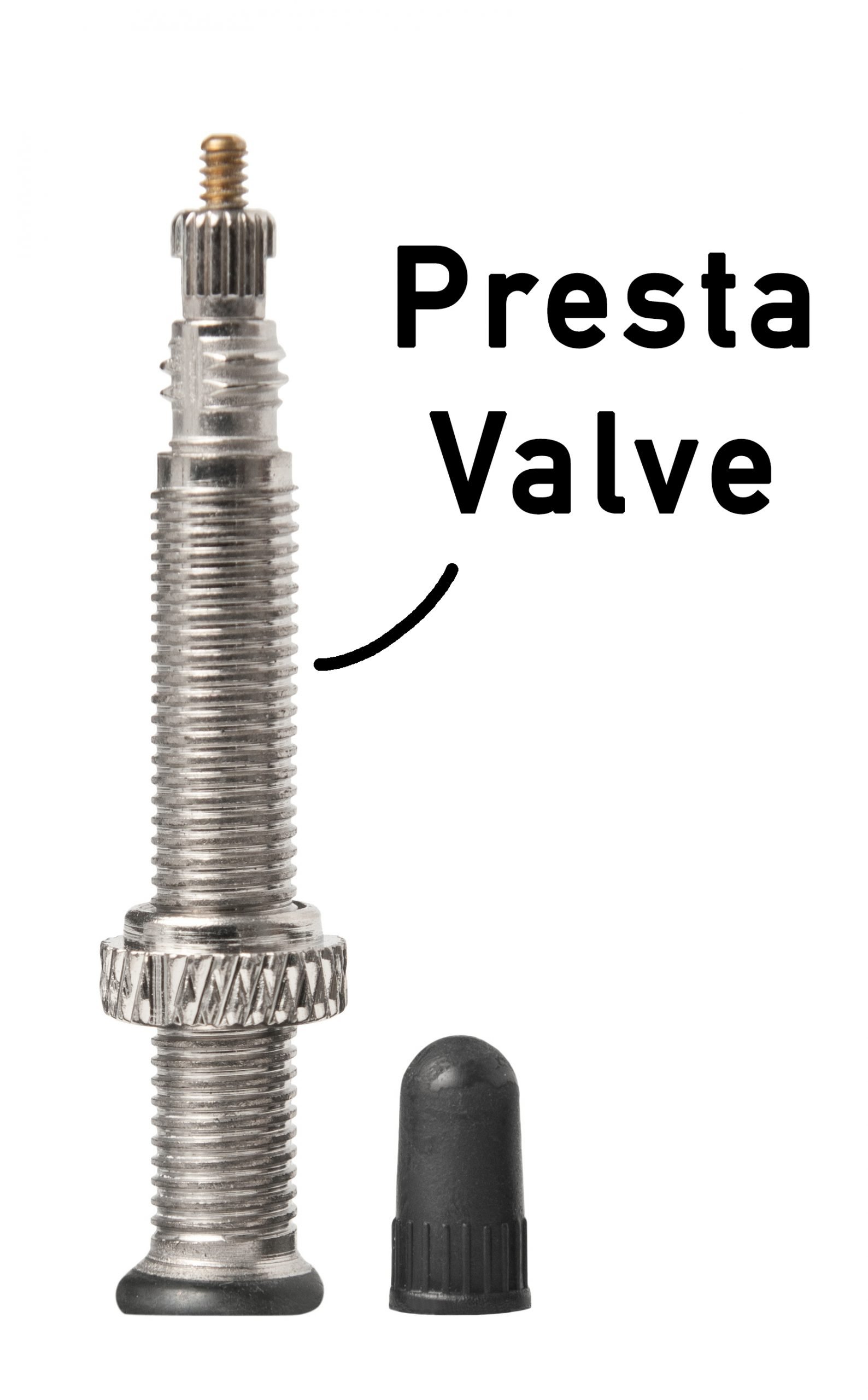
To understand why valve caps matter, one must first examine the tire valve assembly itself. The standard automotive tire valve—technically known as a Schrader valve—consists of a rubber or metal stem threaded into the wheel rim, housing a spring-loaded internal plunger called a valve core.
When you attach an air hose to inflate your tire, the center pin of the air chuck depresses the internal plunger, compressing a tiny spring and allowing compressed air to flow into the tire cavity. When you remove the chuck, the spring pushes the plunger back against a rubber or Teflon seal, creating a barrier that theoretically holds the air inside.
- TIRE VALVE ANATOMY
- [Valve Cap] ----> Secondary Seal / Dirt Barrier
- [Valve Core] ---> Primary Mechanical Spring Seal
- [Valve Stem] ---> Structural Housing (Rubber/Metal)
Despite its precision manufacturing, the internal valve core is remarkably fragile when exposed to the elements. This is where the valve cap comes in. Operating as a secondary line of defense, a properly threaded valve cap serves three primary functions:
- Moisture Exclusion: Rain, puddles, and automated car washes expose wheels to standing water. If water enters an uncovered valve stem, it can pool inside the housing. In freezing temperatures, this trapped moisture turns to ice, depressing the core or cracking the seal and precipitating a rapid deflation.
- Debris Prevention: Road grit, brake dust, mud, and sand are constantly kicked up against vehicle wheels. If these abrasive particles lodge themselves inside the mouth of the valve stem, they can prevent the internal pin from seating correctly when you check or adjust your pressure, resulting in a persistent, slow leak.
- Corrosion Defense: Valve cores are typically made of brass and steel components. When exposed to road salt used during winter months or coastal sea spray, these metals undergo galvanic corrosion. A tight-fitting cap blocks corrosive agents from attacking the delicate internal threads and moving parts.
What Happens If You Drive Without Valve Caps?
Driving without valve caps does not mean your tires will instantly deflate the moment you pull out of your driveway. The primary mechanical seal inside the Schrader valve handles the heavy lifting of retaining air pressure under normal operating conditions. However, omitting caps introduces cumulative environmental vulnerabilities that manifest over weeks and months.
Over time, exposed valve stems accumulate microscopic layers of oxidation and road grime. When you visit a service station to check your tire pressure, the nozzle of the pressure gauge or air hose presses directly against this contaminated environment. Particles of dirt can easily get pushed past the valve core seal, wedging themselves open and creating an imperceptible hiss of escaping air.
Furthermore, vehicles operating in regions with harsh winters face severe risks without valve caps. Melting snow mixed with de-icing chemicals enters the open stem. When the temperature drops below freezing, this cocktail freezes solid. The expanding ice forces the internal valve pin downward, releasing all the air from the tire while the vehicle is parked. Motorists often wake up to a completely flat tire not because of a puncture in the tread, but due to an unprotected valve stem.
The Myth of High-Speed Pressure Loss
A common misconception suggests that valve caps act as high-pressure seals required to keep air inside the tire at highway speeds due to centrifugal force. This is technically false. A standard Schrader valve core is engineered to withstand pressures well exceeding normal passenger vehicle requirements (typically 32 to 36 PSI), even without a cap attached. The cap itself does not hold back the primary inflation pressure of the tire; rather, it protects the mechanism that does.
Types of Tire Valve Caps: Plastic vs. Metal
When replacing missing valve caps or upgrading your vehicle, you will encounter two primary material categories: plastic and metal (such as aluminum, brass, or chrome-plated steel). Each type offers distinct advantages and potential drawbacks that every car owner should consider.
| Cap Material | Primary Advantages | Potential Disadvantages | Best Suited For |
|---|---|---|---|
| Standard Plastic | Lightweight, inexpensive, immune to galvanic corrosion. | Can crack under extreme UV exposure; less durable over long lifespans. | Daily drivers, budget-conscious maintenance, general use. |
| Metal (Aluminum/Brass) | Highly durable, aesthetically pleasing, withstands physical impacts. | Prone to galvanic corrosion (seizing) if dissimilar metals touch. | Performance vehicles, dry climates, custom wheels. |
The Danger of Galvanic Corrosion with Metal Caps
If you choose metal valve caps, you must exercise caution regarding material compatibility. Valve stems are almost universally made of brass. If you screw an aluminum valve cap directly onto a brass valve stem—especially in wet or salted road conditions—a chemical reaction known as galvanic corrosion occurs.
The two dissimilar metals bond together over time, effectively welding the cap to the stem. When a driver attempts to twist off the seized cap to check tire pressure, the entire valve stem often twists and shears off, destroying the tire pressure monitoring sensor (TPMS) or necessitating an expensive valve stem replacement.
To prevent this issue, technicians recommend applying a small drop of anti-seize lubricant or petroleum jelly to the threads before installing metal caps, or choosing caps equipped with internal plastic liners that insulate the metals from direct contact.
Valve Caps and Modern Tire Pressure Monitoring Systems (TPMS)
The proliferation of Tire Pressure Monitoring Systems (TPMS) in modern vehicles adds another layer of importance to proper valve stem care. Mandated on all new passenger vehicles in the United States since 2008, TPMS sensors are frequently integrated directly into the back of the valve stem assembly.
These electronic sensors contain sensitive internal lithium-ion batteries, circuit boards, and pressure transducers. While the sensor housing sits safely on the inside of the wheel rim, the stem and core remain exposed to the outside world. If corrosion travels down the valve stem due to missing caps, it can compromise the structural integrity of the entire TPMS unit. Replacing a corroded TPMS sensor often requires dismounting the tire from the wheel, breaking the bead, and paying for professional recalibration—a minor oversight with valve caps can thus culminate in a surprisingly steep repair bill.
Rubber snap-in valve stems and metal clamp-in stems alike rely on clean external interfaces to maintain a seal against the wheel rim hole. Ensuring that a protective cap is securely tightened protects not just the air inside the tire, but also the expensive electronic hardware monitoring your dashboard alerts.
Best Practices for Valve Cap Maintenance
Maintaining tire valve caps requires minimal effort, yet adopting a disciplined routine prevents frustrating roadside emergencies. Consider the following practical guidelines:
- Inspect During Pressure Checks: Whenever you check your tire pressure (ideally once a month and before long road trips), visually inspect the valve stems. Ensure all four caps are present and undamaged.
- Hand-Tighten Only: Always screw valve caps on finger-tight. Never use pliers, wrenches, or mechanical tools to tighten them. Overtightening strips the delicate threads or makes removal impossible without specialized equipment.
- Replace Missing Caps Immediately: If you notice a missing cap after a tire rotation or service appointment, replace it promptly. Inexpensive packs of replacement plastic caps are widely available at auto parts stores, hardware shops, and gas stations.
- Verify Rubber O-Rings: High-end metal caps often feature an internal rubber O-ring that enhances the moisture barrier. Ensure these O-rings remain intact and do not dry-rot or fall out during use.
Conclusion
While a vehicle can technically travel down the road without tire valve caps, doing so exposes the vital inner workings of your tire valves to moisture, road salt, and abrasive debris. Over time, this exposure leads to corrosion, stuck valve cores, and frustrating slow leaks or sudden deflations. Treating valve caps as functional components rather than mere decorations ensures longer tire life, protects expensive TPMS sensors, and provides dependable peace of mind behind the wheel.