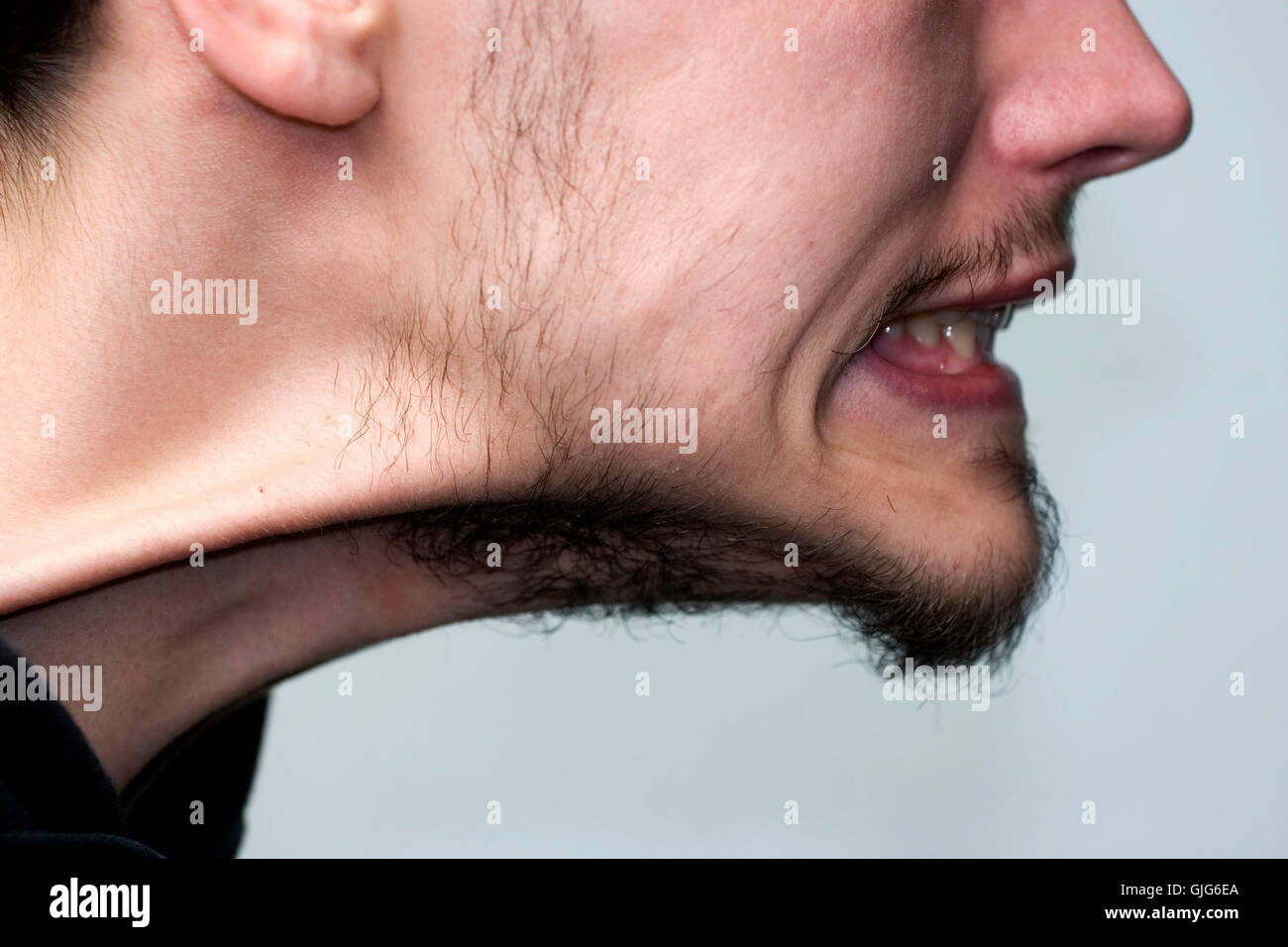
A sinewy person is characterized by a lean, athletic build where muscle definition is clearly visible beneath the skin, often accompanied by strong, prominent tendons and a low percentage of body fat. This physique suggests a body type built for functional endurance and efficiency rather than maximal muscular bulk, reflecting a specific balance of collagenous tissue development and metabolic composition.
Defining the Sinewy Aesthetic and Physiological Reality
The term "sinewy" is derived from "sinew," referring to tendons or fibrous tissues that connect muscle to bone. In common parlance and sports science, describing someone as sinewy implies a frame where the muscles are "wiry"—long, lean, and highly efficient. Unlike the hypertrophy-focused physique of a bodybuilder, which prioritizes cross-sectional muscle area, the sinewy physique often points toward high relative strength and endurance.
Physiologically, a sinewy individual typically maintains a low body fat percentage, which is the primary factor in rendering the underlying musculature and connective tissue visible. The prominence of tendons—the cords of tough, fibrous connective tissue—often creates that distinctively "veiny" or "striated" look that observers associate with the word. This is not necessarily a product of larger muscles, but rather the result of anatomical structure and the lack of subcutaneous adipose tissue (fat) covering the muscle-tendon junctions.
The Role of Connective Tissue in Functional Strength
To understand why a person appears sinewy, one must look at the role of the musculoskeletal system. Tendons and ligaments are composed primarily of collagen, a structural protein. While muscle fibers (myofibrils) generate the force for contraction, it is the tendons that transmit that force to the bones to create movement.
In sinewy individuals, the interaction between muscle length and tendon stiffness is often optimized for energy storage and release. Athletes who engage in high-repetition, long-duration activities—such as long-distance running, rock climbing, or certain forms of gymnastics—often develop a physique that aligns with this description. Their training stimulus prioritizes the ability of connective tissues to handle repetitive stress, often leading to a denser, more defined appearance compared to individuals who primarily train for heavy power output.
Training Paradigms: Building a Lean, Durable Frame
Achieving a sinewy appearance is rarely the result of a single training methodology, but rather a combination of specific exercise modalities that favor lean muscle retention and fat management.
1. Metabolic Conditioning
High-intensity interval training (HIIT) and circuit training are effective in maintaining low body fat levels while preserving muscle mass. By keeping the heart rate elevated and focusing on compound, multi-joint movements, individuals can foster the lean look required to highlight muscular striation and tendon definition.
2. Resistance Training for Density
Unlike "bulking" routines that focus on high-volume hypertrophy, training for a sinewy build often involves working in ranges that favor muscular endurance and structural integrity. This includes bodyweight calisthenics, pull-ups, dips, and isometric holds, which place significant tension on both the muscles and the surrounding connective tissues.
3. Nutritional Considerations
The "sinewy" look is significantly dependent on nutrition. To maintain low body fat, a sustained caloric balance or slight deficit is typically required, depending on an individual’s metabolic rate. Protein intake must be sufficient to support tissue repair, but the reduction of overall body fat is the essential step in ensuring that the musculature remains visually distinct and the tendons appear prominent.
Comparing Body Types: Sinewy vs. Hypertrophic
It is helpful to distinguish the sinewy body type from other common aesthetic descriptions to understand the biological and practical differences.
| Characteristic | Sinewy | Hypertrophic (Bulky) |
|---|---|---|
| Primary Focus | Efficiency and Endurance | Maximal Force Production |
| Muscle Fiber Type | Predominantly Type I (Slow-Twitch) | Predominantly Type II (Fast-Twitch) |
| Visual Appearance | Visible tendons, lean definition | Rounded muscles, increased mass |
| Connective Tissue | High stiffness/density | Variable based on load |
| Training Goal | Sustainable output/stamina | Peak power/size |
Genetic and Environmental Factors
While training and nutrition play a massive role, genetics cannot be ignored. An individual’s somatotype, hormonal profile, and connective tissue elasticity are largely determined by heredity. Some individuals possess a genetic propensity for lower subcutaneous fat levels, making the "sinewy" aesthetic easier to maintain. Furthermore, the length of the muscle belly relative to the tendon length—often called the "insertion point"—is genetically fixed. Those with longer tendons and shorter muscle bellies will naturally appear more sinewy than those with long, bulky muscle bellies, regardless of how they train.
Potential Risks and Health Considerations
While the sinewy look is often associated with high fitness levels, it is important to monitor the limits of this physical state. Maintaining a very low body fat percentage can, for some individuals, lead to hormonal imbalances, suppressed immune function, or "Relative Energy Deficiency in Sport" (REDs), a condition where the body does not have enough energy to support the functions of both exercise and basic physiological processes.
Furthermore, focusing exclusively on a "wiry" or lean physique may lead some to ignore the benefits of muscle mass for bone density and long-term metabolic health. As of 2026, sports medicine guidelines emphasize that body composition should be a secondary outcome of performance and health, rather than a primary goal at the expense of recovery and hormonal balance.
Frequently Asked Questions
Is being sinewy the same as being underweight? No. Being sinewy refers to the definition of muscle and tendon visible through the skin due to low fat, whereas being underweight refers to having a body mass index (BMI) below the standard healthy range. A person can be very strong and healthy while appearing sinewy.
How do I get a more sinewy look? A sinewy look is achieved through a combination of lowering overall body fat through nutrition and performing exercises that promote lean muscle endurance and tendon health, such as calisthenics or long-distance functional training.
Can heavy weightlifting prevent a sinewy appearance? Not necessarily. Many Olympic weightlifters and powerlifters maintain very low body fat levels and appear lean and defined. However, if your training goal is extreme muscle hypertrophy (size), that will naturally change your silhouette away from a "wiry" or sinewy profile.
Does age affect the sinewy look? Yes. As humans age, skin elasticity decreases, and body composition changes naturally. Maintaining a sinewy appearance requires consistent effort in nutrition and resistance training to preserve lean muscle mass as metabolic rates fluctuate with age.
Should I use supplements to become more sinewy? There are no specific supplements that directly create a "sinewy" look. Supplements should only be used to fill gaps in a nutritional plan, such as ensuring adequate protein intake for recovery or micronutrients for tendon health, such as collagen peptides or vitamin C, though evidence for the latter remains evolving.
Next Steps for Athletic Development
If your goal is to cultivate a physique focused on functional endurance and the lean, sinewy aesthetic, the most effective next step is to assess your current training volume and recovery needs. Shift your focus toward movements that challenge your tendons and muscles under tension, such as gymnastics-based training or high-intensity interval programs. Most importantly, consult with a registered dietitian or a certified strength and conditioning coach to ensure your caloric and macronutrient intake is optimized for your specific activity level, avoiding the risks of excessive restriction while working toward your desired physical composition.