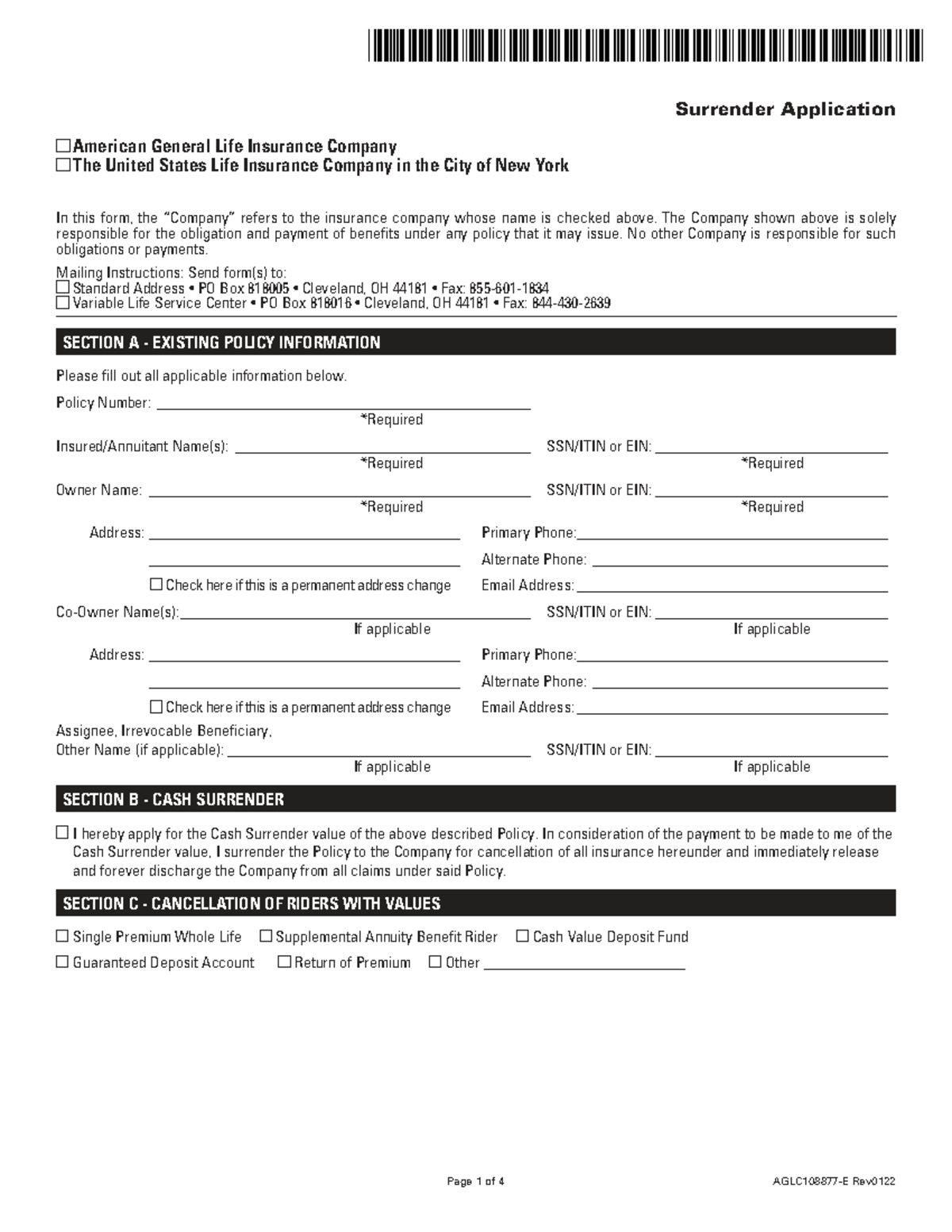
If you receive distributions from a policy or annuity held with American General Life Insurance Company (AGL), you will likely receive IRS Form 1099-R to report these payments for tax purposes. This form is generated automatically when you withdraw funds, receive periodic annuity payments, or trigger a taxable event within your account, requiring you to report this income on your annual federal and state tax returns.
The Role of Form 1099-R in Life Insurance and Annuities
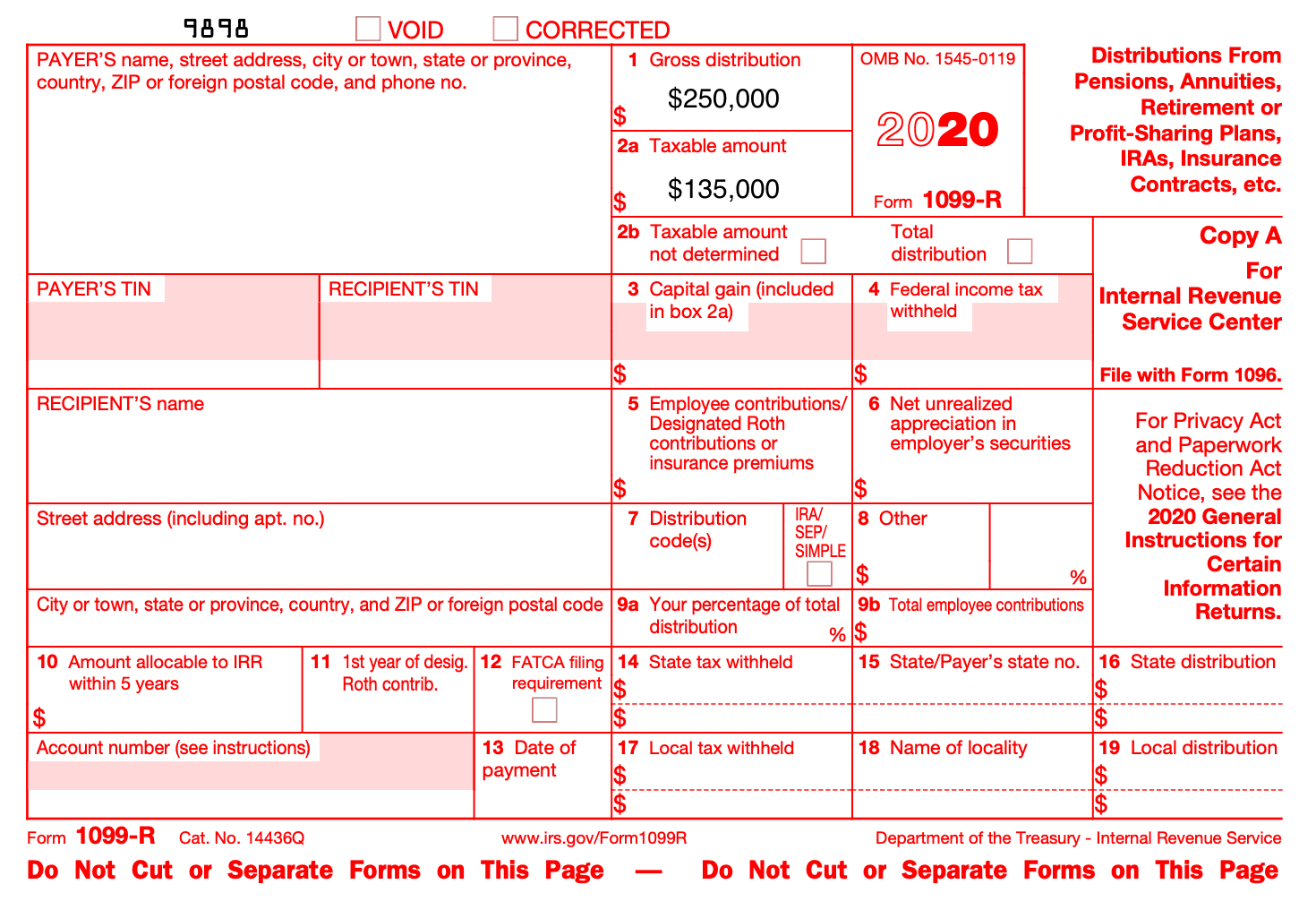
Form 1099-R, "Distributions From Pensions, Annuities, Retirement or Profit-Sharing Plans, IRAs, Insurance Contracts, etc.," is a critical document provided by insurance carriers like American General Life Insurance Company (an AIG company) to both the taxpayer and the Internal Revenue Service. Its primary function is to summarize the nature of the money that left your account during the tax year.
When you hold a tax-advantaged product—such as a fixed annuity, a variable annuity, or a permanent life insurance policy with a cash value component—the IRS maintains strict oversight regarding when that money is accessed. Unlike a standard bank account, where interest is taxed annually as it is earned, many insurance products allow for tax-deferred growth. The 1099-R serves as the mechanism to signal when that deferral period has ended or when a specific distribution occurs.
Understanding Taxable vs. Non-Taxable Events
Not every payment you receive from an insurance company is fully taxable. The 1099-R form is designed to distinguish between return of principal, taxable gains, and potential penalties.
- Return of Principal: If you have paid premiums into a contract, that portion of your distribution is often considered a return of your own after-tax investment.
- Taxable Gain: The growth accumulated within the policy—interest or market gains—is generally subject to ordinary income tax upon withdrawal.
- Early Withdrawal Penalties: If you are under the age of 59½ and take a distribution from certain tax-qualified annuities, the 1099-R will report a specific distribution code indicating that you may be subject to a 10% federal excise tax penalty in addition to standard income taxes.
When to Expect Your 1099-R
American General Life Insurance Company typically issues 1099-R forms by January 31 following the end of the calendar year in which the distribution occurred. For the 2026 tax season, if you took a distribution in 2026, you should look for this document to arrive via mail or be accessible via the AIG/American General client portal by early February 2027.
If you have moved recently, it is vital to ensure your contact information is updated within the insurer’s records. A missing 1099-R does not absolve the policyholder of the responsibility to report the income. If you do not receive your form by mid-February, you should contact the AGL policyholder services department immediately to request a duplicate.
How to Access Your Documents Online
In 2026, most major insurance carriers, including American General, encourage clients to utilize secure online portals for document management. This is the fastest and most secure way to retrieve your tax documentation without waiting for postal delivery.
- Log in to the AIG/AGL Portal: Use your established credentials to sign in to the policyholder dashboard.
- Navigate to Tax Documents: Most platforms feature a "Documents," "Statements," or "Tax Center" tab.
- Select the Tax Year: Ensure you are selecting the correct calendar year (e.g., 2026) to view the forms associated with that specific reporting period.
- Download and Verify: Download the PDF version of your 1099-R. Compare the "Gross Distribution" amount shown on the form with your personal records of withdrawals taken during the year.
Breakdown of Form 1099-R Data Fields
Understanding the boxes on the 1099-R is essential for accurate tax filing. While the form can look intimidating, focus on these primary fields:
| Box Number | Description | Significance |
|---|---|---|
| Box 1 | Gross Distribution | The total amount paid to you during the year. |
| Box 2a | Taxable Amount | The portion of the distribution that the IRS considers taxable income. |
| Box 2b | Taxable Amount Not Determined | Checked if the insurer cannot calculate the exact taxable portion. |
| Box 4 | Federal Income Tax Withheld | Any tax already paid to the IRS from your distribution. |
| Box 7 | Distribution Code(s) | A critical code (e.g., 1, 2, 7) that tells the IRS why the money was distributed. |
The "Distribution Code" in Box 7 is perhaps the most important for tax software. For example, a code "1" typically indicates an early distribution where the 10% penalty may apply, whereas code "7" indicates a normal distribution for someone over age 59½.
Common Issues and Troubleshooting
Despite automated systems, discrepancies can occur. If your 1099-R seems incorrect, do not immediately file your taxes.
- Incorrect Distribution Amount: If the gross amount on the form does not match the actual check or deposit you received, contact AGL to request a corrected 1099-R.
- Withholding Errors: If you requested tax withholding but none is reflected in Box 4, you must verify this with the company’s accounting department.
- Duplicate Forms: Sometimes a corrected form is sent after an initial error. Ensure you are using the version marked "Corrected" if one exists.
- Deceased Policyholders: If the policyholder is deceased, the 1099-R may be issued to the estate or the beneficiary. Tax reporting for estates can be complex; consult a tax professional if you are handling a death benefit or annuity distribution for a loved one.
The Impact of Withholding Choices
When you take a withdrawal from an American General annuity or life insurance contract, you are often given the option to have federal and state taxes withheld at the source. This is a voluntary choice in many cases.
If you choose not to have taxes withheld, you receive the full gross amount, but you are effectively deferring the tax liability until you file your return. This can lead to a surprise tax bill or an underpayment penalty if you have not made sufficient quarterly estimated tax payments. If you request withholding, the insurer acts as a conduit, sending those funds directly to the IRS on your behalf, which is reflected on your 1099-R.
Professional Guidance and Tax Advice
While this guide provides information on the administrative requirements for 1099-R forms, it does not constitute tax or legal advice. Tax laws concerning insurance products, especially annuities, are subject to change and vary based on individual circumstances, such as whether the contract is qualified (IRA-based) or non-qualified.
Before finalizing your tax return, consider the following:
- Basis Tracking: If you have paid premiums over many years, ensure you are tracking your "investment in the contract" (basis). Sometimes the IRS assumes a distribution is 100% taxable if the insurance company does not have sufficient data on your cost basis.
- State-Specific Rules: Some states have unique treatment for annuity distributions. Verify your state's income tax instructions to see if your specific type of distribution is exempt or taxed differently.
- Consult a CPA: If you are dealing with a large distribution or a complex surrender of a policy, working with a Certified Public Accountant (CPA) can help you avoid costly mistakes or early withdrawal penalties.
Summary of Next Actions
If you are currently waiting for your tax information from American General Life Insurance Company:
- Monitor Your Mailbox: Wait until early February for official documentation.
- Use the Secure Portal: If you are comfortable with technology, log in to your account to check for an electronic version of the form.
- Review the Content: Verify that the "Gross Distribution" matches your own financial records for the year.
- Coordinate with Your Tax Preparer: Provide the 1099-R to the person or software you use to file your taxes to ensure the income is reported in the correct category (e.g., as part of an annuity or retirement distribution).
- Address Discrepancies: If the numbers do not match your records, reach out to American General customer service for clarification before entering the data into your tax return.
By maintaining organized records of your withdrawals throughout the year, you can easily verify the information provided on your 1099-R and ensure compliance with federal reporting requirements.