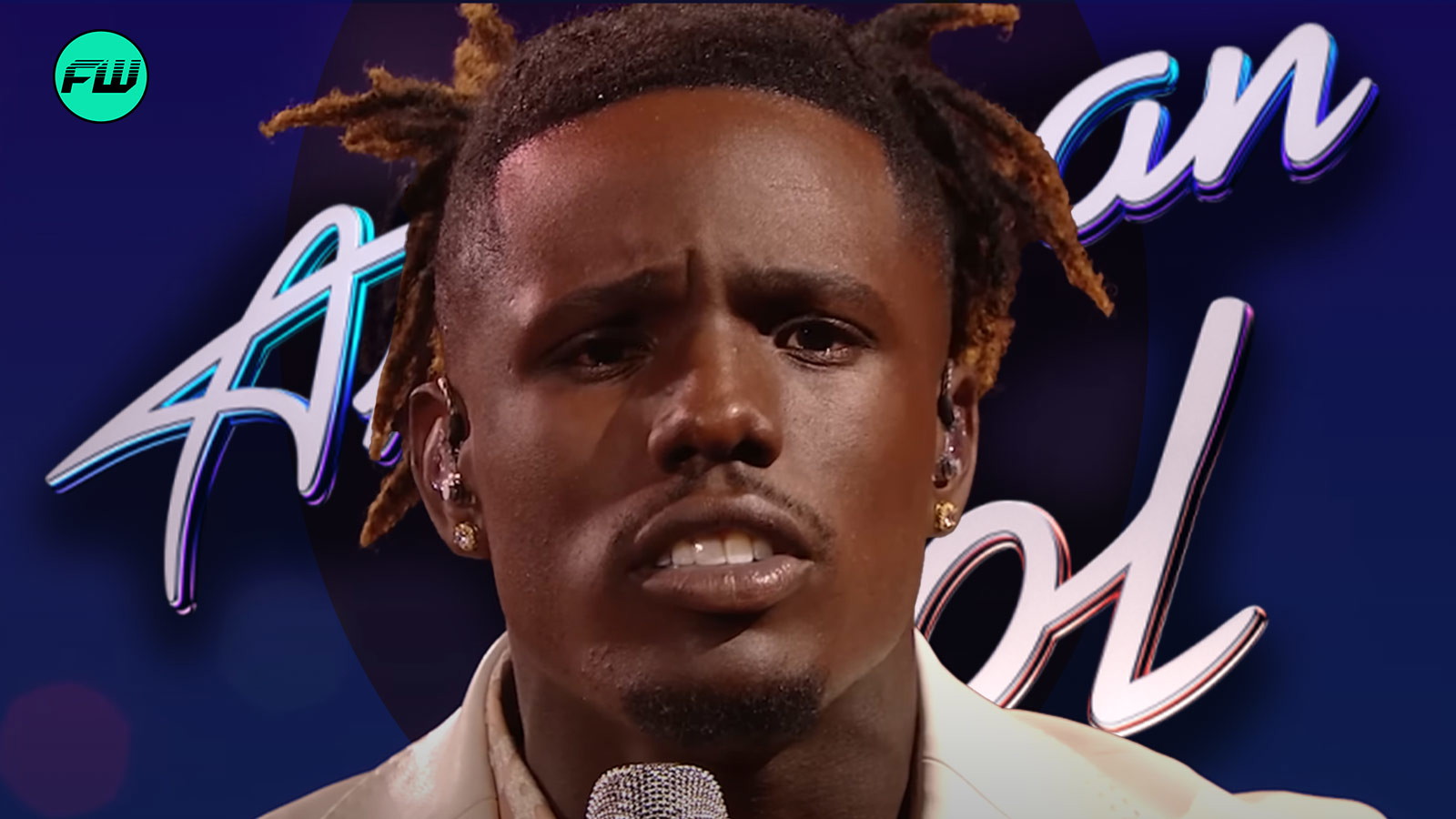
When discussing the "American Idol worst" phenomenon, the reference intent centers on the culturally significant archive of early-season auditions that prioritized entertainment value and viral absurdity over vocal precision. This overview examines the historical framework of these moments, their role in the show's reality television dominance, and the shift in production standards that transformed the series from a talent-seeking platform into a polished professional competition.
The history of American Idol is inextricable from its "worst" audition segments—a curated collection of performances featuring contestants whose lack of vocal ability was highlighted for comedic effect. While these segments were often polarizing, they served as a strategic pillar of the show’s success during its peak viewership years. By providing a sharp contrast between the "bad" auditions and the eventual "star" contestants, the production team established a narrative structure that humanized the judges and provided viewers with a clear, episodic arc of progression.
The Evolution of the "Bad Audition" Archetype
In the early seasons, beginning in 2002, the structure of the audition process was decentralized. Producers traveled to major cities across the United States, casting a wide net that invited thousands of hopefuls to stand before the celebrity judges. The intent was twofold: to discover genuine talent and to create high-octane reality television.
The "worst" category usually fell into three distinct types:
- The Overconfident Amateur: Performers who lacked self-awareness regarding their vocal capabilities, often paired with an aggressive insistence that they were "the next American Idol."
- The Eccentric Persona: Contestants who utilized bizarre costumes, strange vocal affectations, or unconventional song choices, such as "Pants on the Ground" or operatic renditions of pop hits.
- The Confrontational Entrant: Individuals who reacted with verbal hostility when presented with a "no" from the judges, often turning the interview portion into a platform for dramatic outbursts.
These moments were not merely accidental; they were carefully edited. The juxtaposition of professional critiques with chaotic displays allowed the audience to form a parasocial bond with figures like Simon Cowell, whose brutal honesty became the benchmark for the show’s "bad audition" commentary.
Analytical Breakdown of Performance Failure
To understand why these moments persist as a cultural reference, one must categorize the technical failures that led to a "worst" designation. Most performances labeled as the worst in the show’s history shared specific technical shortcomings that the judging panel was tasked with identifying.
| Category of Failure | Description | Typical Judge Reaction |
|---|---|---|
| Pitch Inconsistency | Inability to maintain key throughout a verse or chorus. | Request for "breath control" or "staying in tune." |
| Rhythmic Dissonance | Disconnect between the performer and the tempo of the backing track. | Critique of timing and musicality. |
| Lack of Range | Attempting songs outside of the performer's comfortable vocal register. | Suggestion to "pick a song that suits your voice." |
| Stage Presence | Excessive or distracting movement that detracts from the vocal delivery. | Focus on "distraction" or "lack of maturity." |
By analyzing these segments through a technical lens, it becomes clear that "worst" is often a subjective label applied to a lack of preparation or a fundamental mismatch between the performer’s ambition and their current skill level.
The Role of Production and Editing
The "worst" segment of American Idol is an example of the "reality edit." In television production, editors receive hours of footage from a single audition room. While the most talented contestants are often given a few minutes of airtime to showcase their backstory and vocal prowess, the "worst" auditions are condensed into rapid-fire, high-impact montages.
This editing strategy serves a functional purpose in the show's pacing. By breaking up the emotionally heavy segments—where contestants share stories of hardship or personal loss—with moments of absurdity, producers maintained a balanced emotional tone. As of 2026, many media scholars point to this era of American Idol as the blueprint for modern reality competition shows, where the "worst" audition is as important as the "best" for viewer engagement.
Ethical Considerations and Audience Perception
The ethics of showcasing amateur performers who may not fully grasp the nature of their performance has been a subject of ongoing debate. Critics of the early format argued that the show exploited vulnerable individuals for the amusement of a national audience. Conversely, proponents suggested that the audition process was a voluntary gatekeeping mechanism; by signing the release forms and stepping in front of the cameras, participants accepted the risk of public critique.
Over the years, the show responded to this criticism. In later seasons, the "worst" segments were handled with more subtlety. The focus shifted away from mocking individuals for their lack of talent and toward celebrating the variety of personalities that auditioned. This shift marked a transition from "shock-value" television to a more supportive, mentorship-driven environment that aligns with the current landscape of televised talent competitions.
Impact on Social Media and Cultural Memory
The cultural impact of these auditions shifted significantly with the rise of social media. In the early 2000s, these moments were discussed at water coolers and in print media. By the 2010s, they became the first major candidates for "viral" video content. Clips of particularly memorable, off-key, or eccentric auditions were shared globally, effectively cementing these individuals as historical footnotes in the annals of pop culture.
Even in 2026, these archived segments continue to generate interest. They are frequently analyzed in "best of" or "worst of" countdowns on digital platforms, demonstrating the long-tail engagement potential of reality television archives. These clips provide a window into the zeitgeist of the early 2000s, reflecting changing attitudes toward fame, talent, and public failure.
Comparing Talent Discovery Methods: Then vs. Now
As the landscape of music discovery has changed, so too has the relevance of the "worst" audition format. Today, artists are discovered via algorithmic platforms and social media trends rather than traditional cattle-call auditions.
- Legacy Auditions: Characterized by physical attendance, high-pressure environments, and a high volume of unfiltered, raw performances. This environment naturally breeds the "worst" moments due to the lack of pre-screening.
- Modern Digital Discovery: Characterized by curated submissions, pre-recorded content, and social metrics. The "worst" performances are filtered out by the user long before they reach a producer, leading to a higher baseline of polished output.
The decline of the "worst" audition format in contemporary programming is a direct result of these changing recruitment channels. When producers hand-select talent from online pools, the probability of an "unintentionally bad" performance reaching the screen decreases, as those candidates have already proven their appeal to a digital audience.
Common Questions Regarding the "Worst" Archive
Why were "bad" auditions included in the final broadcast? Producers included these segments to provide comedic relief, highlight the judges’ expertise, and differentiate the show from traditional music reality programs. The contrast between professional standards and amateur performance served to heighten the stakes for those who actually advanced to the next round.
Are these segments still considered central to the American Idol brand in 2026? While the brand has evolved, the legacy of these auditions remains a part of its historical identity. However, modern iterations prioritize a more supportive and inclusive environment, significantly reducing the focus on mocking unsuccessful participants compared to the early seasons.
Did any "worst" contestants ever find success? Yes, in some instances, contestants who were initially ridiculed for their "worst" performance style or personality managed to capitalize on their viral fame. A few used the notoriety to launch niche careers in entertainment, proving that in the age of the internet, any form of high-visibility exposure can be monetized.
How do you define a "worst" performance compared to a simple "no" from the judges? A "no" is a standard professional rejection based on lack of potential or current ability. A "worst" performance involves a significant discrepancy between the contestant's confidence and their delivery, often accompanied by behavior that the audience identifies as delusional or intentionally disruptive.
Has the definition of "bad" changed since the show first aired? Yes. Early seasons focused on vocal and rhythmic failures. Modern television audiences are more aware of the "staged" nature of reality TV, leading to a more cynical view of "bad" auditions. Today, viewers are more likely to question whether a performance is truly organic or if it is being manufactured for television ratings.
Professional Guidance for Aspiring Performers
For those looking to enter any modern talent competition, the primary takeaway from the history of American Idol is the importance of self-evaluation before public exhibition. While the "worst" audition was a goldmine for television producers, it was rarely a positive experience for the performer involved.
- Preparation is Paramount: Before auditioning, seek feedback from vocal coaches or peers who can provide an objective assessment of your range and ability.
- Song Selection: Do not choose songs that define a specific, iconic artist if you cannot replicate the technical demands of the track. Choose music that highlights your natural strengths.
- Manage Expectations: Understand that reality television is a production-heavy medium. Your performance is only one piece of the narrative being constructed.
- Resilience: If you are participating in a public audition, ensure you have a support system. Criticism, whether constructive or hyperbolic, is an inherent part of the industry.
Understanding the "American Idol worst" phenomenon is essential for recognizing the shift in how we consume, judge, and celebrate artistic talent on screen. While these moments were the product of a specific era of television production, their existence remains a powerful testament to the tension between the desire for genuine discovery and the necessity of high-stakes entertainment. As we move further into the digital age of media consumption, the lessons learned from these archives serve as a guide for both the producers of reality content and the artists who seek to navigate them.