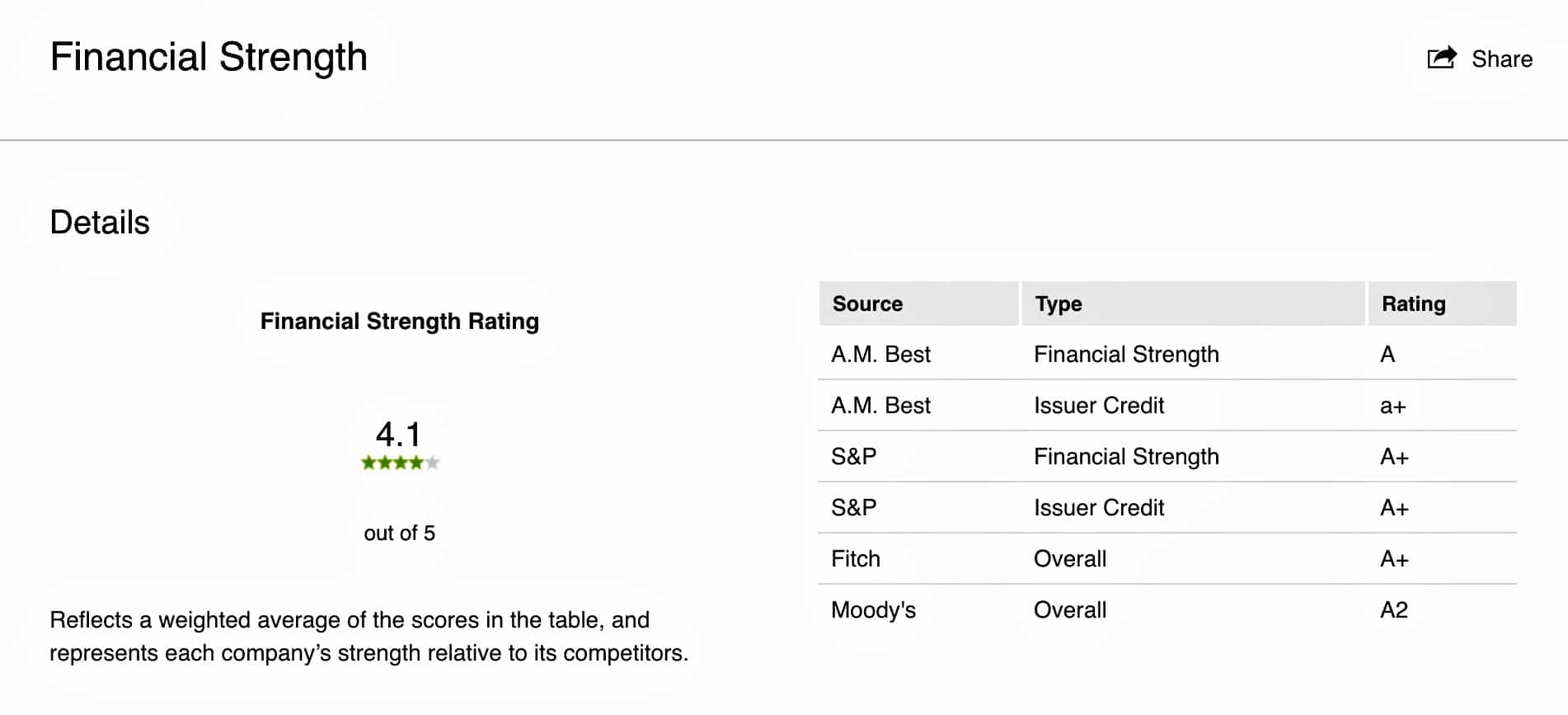
When a policyholder passes away or a life insurance policy reaches its maturity date, beneficiaries must initiate a formal claim to receive the insurance proceeds due from American General Life Insurance Company (AIG). This process involves notifying the insurer, submitting essential documentation, and verifying eligibility to ensure the timely distribution of benefits.
Navigating the financial aftermath of a loss can be challenging, but understanding the procedural requirements for insurance proceeds is a vital step toward securing the benefits you are owed. Whether you are a named beneficiary or a legal representative of an estate, securing these funds requires structured communication with the insurance company and the provision of specific legal and administrative evidence.
Recognizing the Nature of Life Insurance Proceeds
Life insurance proceeds are the financial benefits paid out by an insurance company to a designated beneficiary upon the death of the insured individual. When dealing with American General Life Insurance Company—which operates under the AIG brand—these funds are governed by the terms established in the original contract.
It is important to distinguish between "death benefit proceeds," which are triggered by the passing of the insured, and "maturity proceeds," which occur if a policy is an endowment type or a permanent life insurance plan that reaches a predetermined age limit or endowment date. In both scenarios, the amount due is typically the face value of the policy, plus any accumulated dividends or interest, minus any outstanding policy loans or unpaid premiums.
The insurance company does not automatically issue a check upon the death of the insured. The obligation to trigger the distribution of funds lies with the beneficiary or the executor of the estate. Until a formal claim is filed and verified, the company holds these funds as a liability, often in a separate holding account.
Initiating the Claims Process
The first and most critical step in obtaining proceeds due is to notify American General Life Insurance Company of the event. Delays in notification do not necessarily invalidate a claim, but they can significantly slow down the distribution of assets, which may be needed for final expenses or estate administration.
Notification of Death
You must contact the company’s claims department to report the passing of the insured. This serves as an official notice, allowing the company to "freeze" the policy status and prevent further premiums from being billed if they were not already waived due to a disability or the nature of the policy.
Verification of Coverage
Once notified, the company will verify the existence of the policy in their systems. They will confirm the status of the policy—whether it was in force (active), lapsed, or if there were any riders or modifications that affect the payout. If the policy was active, the company will provide you with a claim package, which includes the necessary forms to formally request the proceeds.
Required Documentation for Claims
To process a claim, American General Life Insurance Company requires objective evidence of the loss and the identity of the beneficiary. While requirements can vary based on the state of residence and the specific policy contract, the following documentation is almost universally required:
- Certified Death Certificate: You must submit an original, certified copy of the death certificate issued by the vital statistics office or the funeral home. Standard photocopies are rarely accepted because the company requires a legal, embossed document to verify the cause and date of death.
- Completed Claim Form: The beneficiary must fill out a Proof of Loss or Claim Form. This document details the relationship to the deceased and provides the company with instructions on how the funds should be distributed.
- Policy Document (If Available): While not always mandatory, having the original policy document helps the claims department locate the file faster, especially if the policy is older or has had multiple administrative changes over the years.
- Government-Issued ID: As part of the Know Your Customer (KYC) and anti-money laundering regulations, beneficiaries will often need to provide a copy of their passport, driver’s license, or other state-issued identification to confirm their identity before the company can release funds.
Understanding Payout Options
Once the claim is approved, you are generally presented with several options regarding how the proceeds are delivered. It is a common misconception that the money must be paid out as a single lump sum. While the lump sum is the most common and often the most straightforward choice, beneficiaries may sometimes choose different methods based on their financial needs or tax planning strategies.
Comparison of Common Payout Methods
| Payout Method | Description | Primary Advantage |
|---|---|---|
| Lump Sum | The entire death benefit is paid in a single payment. | Immediate access to full capital. |
| Interest Settlement | The company holds the principal and pays the interest to the beneficiary. | Keeps principal intact while generating income. |
| Installment Payments | Proceeds are paid out in fixed amounts over a set period. | Provides a steady, predictable cash flow. |
| Life Income Option | Proceeds are used to purchase an annuity for the beneficiary. | Guaranteed income for the duration of one's life. |
Before selecting an option, it is advisable to consult with a financial advisor or tax professional. Depending on the size of the estate and the specific type of life insurance, there may be implications regarding taxes or the impact on other government-funded benefits.
Common Challenges and Troubleshooting
The process of collecting insurance proceeds is usually straightforward, but complications can occasionally arise. Understanding these potential hurdles can help you mitigate delays before they become significant issues.
Missing or Inactive Policies
If you are aware that a policy existed but cannot find the paperwork, search through the deceased’s financial records, bank statements, or tax returns to identify past premium payments to the insurer. You can also use the National Association of Insurance Commissioners (NAIC) Life Insurance Policy Locator Service to help identify unclaimed policies.
Beneficiary Disputes
If there is a conflict between multiple potential beneficiaries or if a will contradicts the beneficiary designation on the life insurance policy, the company may be unable to release the funds. In such cases, the company may interplead the funds into a court of law, allowing a judge to determine the rightful recipient. This is an expensive and time-consuming process that highlights the importance of keeping beneficiary designations updated.
Contested Claims
A claim may be contested if the insured died within the "contestability period"—usually the first two years of a policy—and the insurer suspects that the applicant provided false information on the original application. If the company denies a claim, they are legally required to provide a written explanation. If you believe the denial is unfounded, you have the right to appeal the decision through the company's internal review process or by contacting your state’s Department of Insurance.
Legal and Regulatory Considerations
Life insurance proceeds are regulated at the state level. The Department of Insurance in the state where the policy was issued or where the insured resided oversees the conduct of insurance companies regarding the timely payment of claims.
It is important to remember that insurance companies are under strict time constraints to process valid claims. If there is a delay that exceeds the statutory grace period defined by state law, the insurer may be required to pay interest on the death benefit from the date of the insured's death until the date the claim is settled.
Professional Advice Limitation
While this guide provides information on the typical procedures for accessing insurance proceeds, it does not constitute legal or financial advice. The specific language of your policy contract, the laws of the jurisdiction, and your unique financial situation will dictate the final outcome of any claim. For complex estates or situations involving contested beneficiaries, it is highly recommended to seek guidance from an estate attorney or a certified financial planner.
Frequently Asked Questions
How long does American General Life Insurance take to pay out a claim?
Once all required documentation is received and the claim is verified, most claims are processed within a few weeks. However, the timeline depends on the complexity of the claim and the accuracy of the documents submitted. If there are missing items, the process will be delayed until the file is complete.
Do I need to hire an attorney to collect life insurance proceeds?
In most standard cases, an attorney is not required. The process is designed to be accessible to beneficiaries. However, if the policy is the subject of a legal dispute, if the beneficiary is a minor, or if the estate is particularly complex, professional legal representation may be necessary to protect your interests.
Are life insurance proceeds taxable?
In the United States, life insurance death benefits are generally received income-tax-free by the beneficiary. However, if the proceeds are paid out in installments, the interest portion of those payments may be subject to income tax. You should verify the tax status of your specific payout with a qualified tax accountant.
What happens if I am the beneficiary but I cannot find the policy number?
You do not necessarily need the policy number to initiate a claim. American General Life Insurance Company can often locate the policy using the insured’s full name, Social Security number, and date of birth. Providing as much identifying information as possible will expedite their search.
Can I check the status of a claim online?
Many insurance companies, including those under the AIG umbrella, provide portals for claimants to check the status of their requests. Once you have initiated the claim, ask your representative if there is a secure portal or a direct contact number you can use for status updates to avoid unnecessary wait times.
Next Actions for Beneficiaries
If you are preparing to file a claim with American General Life Insurance Company, take the following actions to ensure a smooth process:
- Gather Records: Collect the certified death certificate, the insurance policy (if found), and personal identification.
- Contact the Insurer: Call the official claims department listed on the policy documents or the company's website to initiate the request.
- Submit Documentation: Send the required paperwork through the company's specified channels—either via secure mail, authorized electronic submission, or in person if instructed.
- Track the Claim: Keep a log of every conversation you have with the claims department, including the date, the name of the representative, and any instructions or reference numbers provided.
- Review Options: Once the claim is approved, carefully evaluate your payout options before committing to a specific method of distribution.
By following these structured steps, you can ensure that you receive the proceeds due in a timely manner, allowing you to move forward with the financial planning necessary after the loss of a loved one.