Construction loans for additions are generally more difficult to obtain and manage than home renovation loans because they require more intensive builder vetting, higher down payments, and stricter oversight of the building process. While renovation loans focus on improving existing structures, construction loans for additions treat the project as a new-build segment, demanding detailed architectural plans and frequent site inspections before funds are released.
Determining whether to use a construction loan or a renovation loan for a home addition is one of the most significant financial decisions a homeowner will face. As of 2026, the lending landscape has become highly specialized, with specific products designed for different scales of structural change. While both types of financing allow you to borrow against the future value of your home, the administrative hurdles and financial entry points differ substantially.
Understanding the Fundamental Difference in Loan Scope
To understand why construction loans are often perceived as "harder," we must first define what qualifies as a "construction" project versus a "renovation" project in the eyes of a lender.
A home renovation loan is typically designed for cosmetic or structural repairs that occur within the existing footprint of the home. These include kitchen remodels, roof replacements, or finishing a basement. Because the core structure of the home remains intact, the lender perceives the risk as relatively low. The primary collateral—the house—already exists and is habitable.
An addition, however, often straddles the line between renovation and new construction. If you are adding a bedroom, expanding the kitchen footprint, or building a second story, you are creating new square footage. When a project involves significant new foundation work or complex structural integrations, lenders often pivot from standard renovation products toward construction-to-permanent (CTP) loans. These loans are inherently more complex because the lender is financing something that does not yet exist, which increases their exposure to "completion risk."
Why Construction Loans Are More Challenging
The "difficulty" of a loan is usually measured by three factors: the stringency of the approval process, the amount of capital required upfront, and the complexity of the draw period.
1. The Underwriting and Documentation Burden
For a renovation loan, such as the Fannie Mae HomeStyle or FHA 203(k), the underwriting process focuses heavily on the homeowner’s creditworthiness and a general contractor’s estimate.
In contrast, a construction loan for an addition requires a "full submittal" package. This includes:
- Detailed Architectural Plans: Blueprints that have been reviewed and stamped by a licensed architect or engineer.
- A Sworn Construction Statement: A line-item breakdown of every cost associated with the build, from excavation and framing to the final coat of paint.
- Permit Status: Many construction lenders will not finalize a loan until all local building permits have been approved, which can take months in restrictive jurisdictions.
2. Builder Vetting and Approval
Lenders are notoriously cautious about who builds the addition. While renovation loans require a licensed contractor, construction loan providers perform a deep dive into the builder’s financial health. They may request the builder’s tax returns, a list of previous projects, and references. If your preferred builder has a low credit score or a history of mechanic’s liens, the lender may reject the loan entirely, regardless of your personal financial strength.
3. Down Payment and Equity Requirements
In 2026, equity remains the primary shield for lenders against market volatility.
- Renovation Loans: Products like the FHA 203(k) allow for down payments as low as 3.5% of the total "as-completed" value.
- Construction Loans: These typically require a 20% to 25% equity stake. If you do not have significant equity in your current home, you may be required to bring a large cash sum to the closing table to cover the gap between the loan amount and the cost of the addition.
Comparing Loan Types for Home Additions
The following table compares the most common financing vehicles used for additions in 2026, highlighting the specific areas where construction loans present higher barriers to entry.
| Feature | FHA 203(k) Standard | Fannie Mae HomeStyle | Construction-to-Perm (CTP) |
|---|---|---|---|
| Primary Use | Major structural repairs/additions | Any renovation or addition | Large-scale additions/New builds |
| Min. Credit Score | 580 - 620 | 620 - 680 | 700 - 720+ |
| Max Loan-to-Value | 96.5% of "as-completed" | 95% - 97% of "as-completed" | 80% of "as-completed" |
| Builder Vetting | Moderate (License/Insurance) | Moderate (Approval required) | High (Financial/Background check) |
| Inspection Rigor | HUD Consultant oversight | Standard progress inspections | Strict draw schedule & title updates |
| Interest Rates | Slightly higher than standard | Competitive market rates | Variable during build, then fixed |
The Complexity of the Draw Process
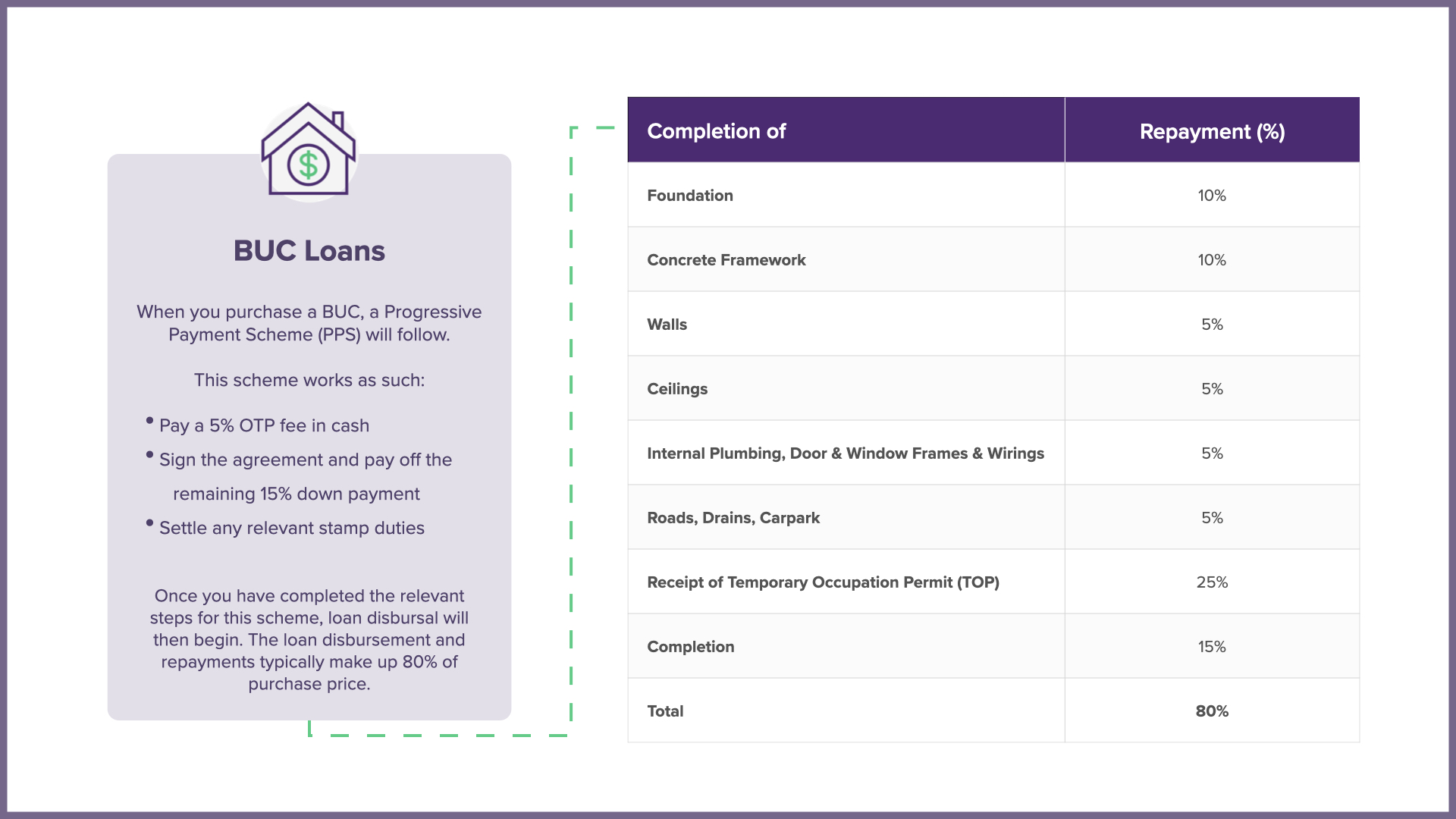
One of the most significant reasons construction loans are considered "harder" is the management of the funds during the project. Unlike a standard mortgage where the money is paid out at once, or a renovation loan where the process is often managed by a third-party consultant, a construction loan uses a draw schedule.
In a construction-to-permanent loan for an addition, the lender holds the money in an interest-bearing account. As the builder completes specific milestones (e.g., the foundation is poured, the framing is complete), they request a "draw" to pay for the materials and labor.
This process involves:
- Inspection Verification: The lender sends a third-party inspector to the site to confirm the work is actually finished.
- Title Updates: Before each payment, a title company may perform a "date-down" search to ensure no new liens have been placed on the property by subcontractors.
- Lien Waivers: The homeowner and builder must manage a paper trail of lien waivers from every subcontractor to ensure the lender’s interest in the property remains protected.
This administrative burden often falls on the homeowner. If the builder falls behind or the inspector disagrees with the quality of the work, the funds are frozen. This can lead to project stalls that are much rarer in standard renovation loan scenarios.
Navigating the "As-Completed" Appraisal
Both renovation and construction loans rely on an "as-completed" appraisal. This is an estimate of what the home will be worth once the addition is finished. However, the appraisal for a construction loan is often more scrutinized.
Because the addition is creating new square footage, the appraiser must find "comparable" homes (comps) that have similar additions or total square footage. If the addition makes your home the largest in the neighborhood by a wide margin, the appraiser may "bring in" the value low. This is known as a shortfall. In a construction loan, you are usually responsible for covering any shortfall in cash, whereas some renovation products have more flexibility in how they calculate the loan-to-value (LTV) limits.
Contingency Reserves: The Financial Safety Net
Lenders for both types of loans require a contingency reserve, typically 10% to 20% of the project cost. This money is set aside to cover unexpected expenses, such as the discovery of mold during demolition or an increase in lumber prices.
While both loan types require this, construction loans for additions are often more rigid about how this money is accessed. In 2026, with the integration of real-time supply chain tracking, many construction lenders require documented proof of price increases before releasing contingency funds, whereas renovation loan programs might allow for more discretionary use of these funds for "scope changes" (like upgrading the flooring) if the project is going smoothly.
When a Renovation Loan is the Better Path
Given the difficulty of construction loans, many homeowners opt for specialized renovation loans even for additions. The Fannie Mae HomeStyle and Freddie Mac CHOICERenovation loans are particularly popular because they allow for additions while maintaining the simpler underwriting of a traditional mortgage.
These loans are "easier" because:
- They often have lower interest rates during the construction phase.
- They allow for DIY work in very limited circumstances (though rarely for additions).
- The qualification requirements for the borrower are less "elite" than those for a jumbo construction loan.
However, these renovation products have loan limits. If your addition is so extensive that the total loan amount exceeds the conforming loan limits set by the FHFA, you will be forced into the more difficult "Jumbo Construction" category, which carries even stricter requirements.
Practical Steps to Secure Financing for an Addition
If you are planning an addition in 2026, follow these steps to navigate the difficulty of the lending process:
- Check Your Equity: Calculate your current LTV. If you have less than 10% equity, you should focus exclusively on FHA 203(k) renovation loans, as a construction-to-perm loan will likely be out of reach.
- Pre-Vet Your Builder: Ask your contractor if they have worked with construction-to-perm lenders before. A builder who is already "approved" with major lenders will make your application much smoother.
- Get a Preliminary Appraisal: Before paying for full architectural plans, talk to a local real estate agent or appraiser. Ensure that the 500 square feet you plan to add will actually increase the home’s value enough to satisfy the lender.
- Organize Your Finances: Construction lenders in 2026 utilize AI-driven deep tissue scans of your financial history. Ensure all tax filings are current and that there are no unexplained large deposits or withdrawals in your accounts for at least six months.
Frequently Asked Questions
Can I act as my own builder for a home addition construction loan?
In 2026, it is extremely rare for a lender to allow "owner-builder" arrangements for an addition construction loan. Most lenders require a professional, third-party general contractor with a proven track record. If you are a licensed contractor by trade, you may find a lender willing to accommodate you, but you will likely face higher interest rates and more frequent inspections.
Is the interest rate higher for a construction loan than a renovation loan?
Typically, yes. During the construction phase of a construction-to-perm loan, you usually pay interest-only on the amount drawn. This rate is often a margin above the Prime Rate. Renovation loans like the HomeStyle often lock in the permanent mortgage rate from day one, which can be more cost-effective if interest rates are expected to rise during the build.
How long does it take to close on a construction loan for an addition?
Closing on a construction loan typically takes 45 to 90 days. This is longer than a renovation loan because of the extensive builder review and the requirement for completed, permitted plans. Home renovation loans can often close in 30 to 45 days, as the requirements for plans and permits are sometimes less stringent at the time of closing.
What happens if the addition costs more than the original estimate?
If costs exceed the estimate and the contingency reserve, the homeowner must pay the difference out of pocket. Lenders will not increase the loan amount after the closing has occurred. This is why "fixed-price" contracts with builders are highly recommended over "cost-plus" contracts for home additions.
Are there specific energy-efficiency requirements for these loans in 2026?
Yes, many 2026 construction loan products offer "Green Choice" or "Eco-Build" incentives. If your addition meets specific HERS (Home Energy Rating System) scores or utilizes sustainable materials, you may qualify for a reduction in the interest rate or a credit toward closing costs. Renovation loans also have "Energy-Efficient Mortgage" (EEM) components that allow you to bundle green upgrades into the loan.
Final Recommendation
If you are adding a single room or a simple suite, seek a Fannie Mae HomeStyle Renovation loan. The lower down payment requirements and streamlined builder vetting make it the path of least resistance. However, if you are embarking on a massive structural overhaul that fundamentally changes the nature of the property, a Construction-to-Permanent loan is the more appropriate—albeit more difficult—financial tool. The "difficulty" of the construction loan acts as a safeguard, ensuring that the project is professionally planned and financially viable before the first shovel hits the ground.