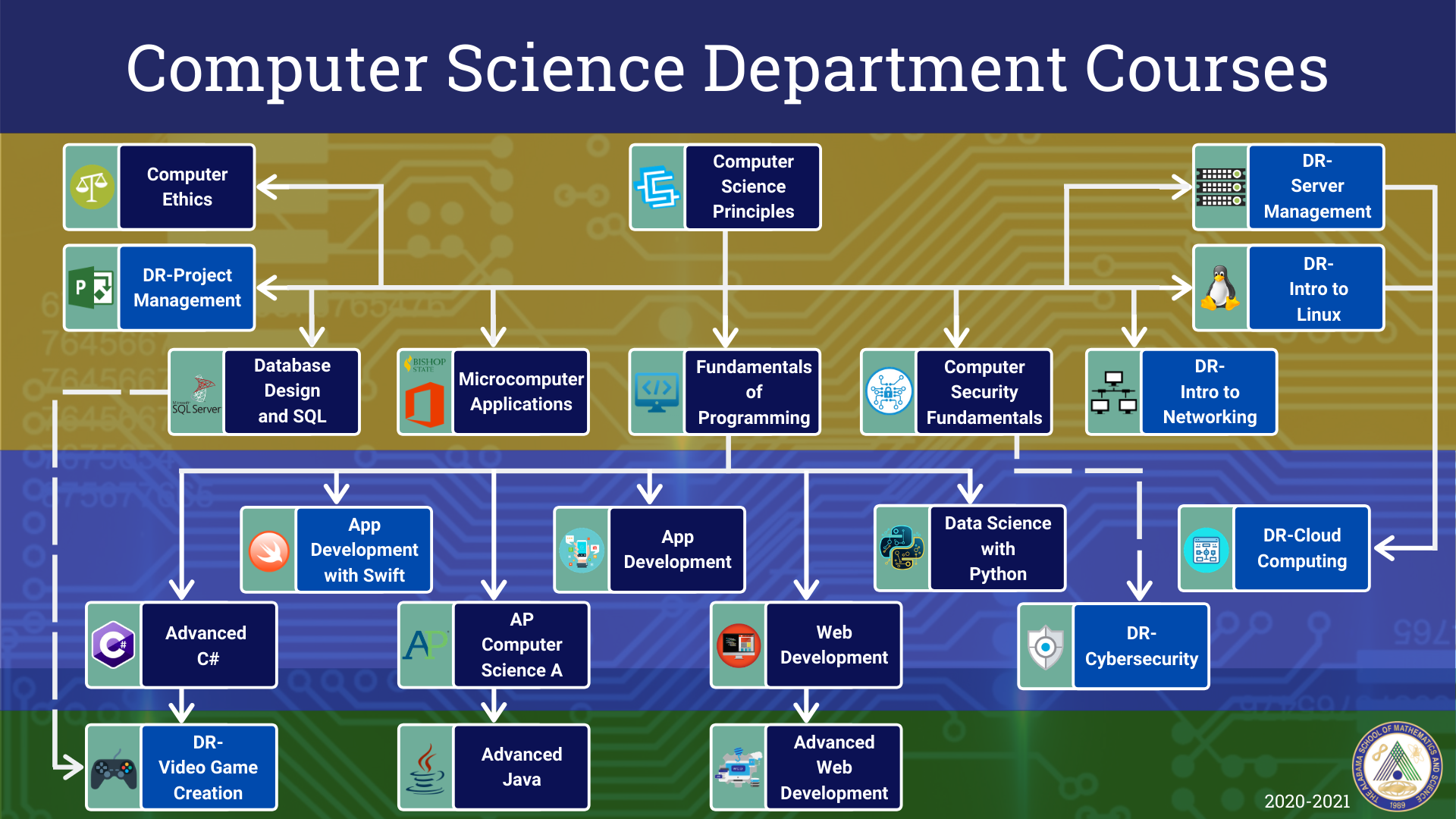
College computer courses remain highly valuable in 2026 for individuals seeking structured theoretical foundations, specialized networking opportunities, and a recognized credential that simplifies recruitment. While self-taught paths and bootcamps offer faster entry to specific roles, a formal degree provides the comprehensive problem-solving skills and long-term career versatility required in an AI-integrated workforce.
The landscape of technology education has shifted significantly over the last decade. As we navigate 2026, the question of whether a four-year degree or even a two-year associate program in computer science or information technology is "worth it" has become more nuanced. The cost of tuition continues to rise, while the availability of high-quality, low-cost online resources has never been greater. To determine the true value, one must look beyond the immediate ability to write code and examine the systemic advantages that higher education provides in a competitive global economy.
The Structural Advantage of College Computer Courses
When students enroll in college-level computer courses, they are not just learning a programming language like Python or Rust; they are engaging with a curriculum designed by the Association for Computing Machinery (ACM) and other academic bodies to ensure a broad understanding of the field. This structural advantage is often the primary differentiator between a "coder" and a "computer scientist."
Theoretical Foundations and Problem Solving
Most self-taught programs focus on the "how"—how to build a web app, how to query a database, or how to deploy a script. College courses, particularly those in a Bachelor of Science program, focus on the "why." Courses in Discrete Mathematics, Data Structures and Algorithms, and Operating Systems provide the mathematical and logical framework necessary to understand how computation works at a fundamental level.
In 2026, where AI-assisted coding tools handle much of the boilerplate syntax, the value of a developer has shifted toward their ability to design complex systems and troubleshoot architectural bottlenecks. A student who understands Big O notation and memory management is better equipped to optimize high-scale systems than someone who has only memorized framework-specific syntax. This deep-level understanding is a direct result of the rigorous, multi-year progression found in collegiate computer courses.
Accreditation and Quality Assurance
One of the most overlooked aspects of the "worth" of college is accreditation. In the United States, programs accredited by ABET (the Accreditation Board for Engineering and Technology) must meet strict standards regarding faculty qualification, facilities, and curriculum depth. This provides a level of verification that many third-party certifications or bootcamps cannot match. For students aiming for roles in government, defense, or heavily regulated industries like healthcare and aerospace, an accredited degree is often a non-negotiable prerequisite.
Networking, Internships, and the Hidden Curriculum
While the syllabus of a course is important, much of the value of college lies in the environment surrounding the classroom. The "hidden curriculum" consists of the professional norms, networking opportunities, and collaborative experiences that occur naturally on a physical or well-integrated digital campus.
Access to the Internship Pipeline
Major tech firms—including those in the "Big Tech" tier—utilize university relations teams to scout talent years before graduation. College computer courses often serve as the gateway to these exclusive internship pipelines. These roles are rarely posted on public job boards in a way that is accessible to the general public; instead, they are funneled through university career centers and department-specific job fairs.
In the 2026 job market, having a resume that includes two or three internships at reputable companies is often more valuable than the degree itself. The college environment facilitates these connections through alumni networks and faculty who often have deep ties to the industry.
Collaborative Development and Peer Learning
Software engineering is a social discipline. Professional developers rarely work in isolation. College courses involve group projects that force students to use version control systems like Git in a collaborative setting, manage conflicting personalities, and adhere to shared deadlines. These soft skills are difficult to replicate in self-study. The peer group in a college setting also provides a competitive yet supportive atmosphere that can push a student to achieve more than they would alone.
Financial Analysis: The ROI of Computer Science Degrees in 2026
To determine if the courses are "worth it," we must look at the Return on Investment (ROI). This involves comparing the total cost of attendance (tuition, fees, and opportunity cost) against the expected lifetime earnings.
| Education Path | Average Duration | Estimated Total Cost (2026 USD) | Entry-Level Salary Potential | Long-Term Career Growth |
|---|---|---|---|---|
| B.S. in Computer Science | 4 Years | $40,000 – $200,000 | $85,000 – $125,000 | Highest (Management/Architecture) |
| Associate in IT | 2 Years | $10,000 – $30,000 | $55,000 – $75,000 | Moderate (Technical Roles) |
| Coding Bootcamp | 3–6 Months | $12,000 – $25,000 | $65,000 – $90,000 | High (Specialized Roles) |
| Self-Taught / Certs | Variable | < $5,000 | $50,000 – $80,000 | Variable (Highly Dependent on Portfolio) |
According to data from the Bureau of Labor Statistics (BLS), computer and information technology occupations are projected to grow much faster than the average for all occupations. While the cost of a four-year degree is high, the "wage premium"—the difference between what a degree holder earns vs. a non-degree holder—tends to compound over a 40-year career. Degree holders are often more eligible for management and executive-level roles (CTO, VP of Engineering), which carry significantly higher compensation packages including stock options and bonuses.
Challenges and Alternatives: When College Might Not Be Worth It
Despite the benefits, college is not the right choice for everyone. There are specific scenarios where the "worth" of college computer courses diminishes relative to the alternatives.
The Problem of Outdated Curricula
Academic institutions move slowly. It can take years for a new technology to be integrated into a formal degree program. If a student wants to work in a rapidly evolving niche—such as specific generative AI frameworks or decentralized finance protocols—they might find that a college course is two or three years behind the industry "bleeding edge." In these cases, specialized certifications or intensive bootcamps might provide more immediate utility.
The Burden of Student Debt
If a student must take on high-interest private loans that exceed their projected first-year salary, the ROI becomes questionable. A $200,000 debt for a degree that leads to an $80,000 job creates a financial drag that can take decades to clear. In 2026, many students are choosing "middle-path" options: attending a community college for the first two years of computer courses and then transferring to a state university to finish their degree. This significantly lowers the cost while maintaining the value of the final credential.
Maximizing the Value of College Computer Courses
If you decide to pursue computer courses in college, the "worth" is largely determined by your level of engagement. To get the most out of the investment:
- Prioritize Fundamentals: Don't just look for "cool" courses like Game Design. Focus on the hard subjects: Operating Systems, Compilers, and Database Theory. These are the courses that provide the most long-term value.
- Engage with Faculty: Professors often have research grants and industry connections. Assisting in a research lab can provide experience that is far more valuable than a standard classroom lecture.
- Build a Portfolio Parallel to Classwork: A degree says you passed the tests; a GitHub repository says you can build the product. Use the concepts learned in class to build personal projects.
- Utilize Career Services Early: Don't wait until senior year to visit the career office. Start looking for internships and resume reviews during your freshman or sophomore year.
The 2026 Outlook: AI and the Degree
A major concern in 2026 is how Artificial Intelligence impacts the value of computer science education. Some argue that AI will make coding obsolete. However, industry experts suggest the opposite: AI will make the "high-level" skills taught in college more critical. As AI handles the implementation of code, humans are needed to define requirements, verify security, manage complex integrations, and ensure ethical compliance. These are exactly the types of systemic, high-level skills that collegiate programs are designed to foster.
FAQs
Is a computer science degree required to get a job in 2026? No, a degree is not strictly required for many software development roles, but it remains a primary filter for HR departments at large corporations. Without a degree, candidates often need a significantly more impressive portfolio of work or specialized certifications to prove their competency.
What is the difference between Computer Science (CS) and Information Technology (IT) courses? Computer Science courses are generally more theoretical and math-heavy, focusing on how software and hardware are built. Information Technology courses are more applied, focusing on how to use, maintain, and secure existing technology and networks to meet business needs.
Can I substitute college courses with online certifications? For certain roles, such as Cloud Engineering (AWS/Azure) or Cybersecurity, specialized certifications are highly valued and can sometimes substitute for a degree. However, for roles involving core software engineering or R&D, the broad foundation of a degree is usually preferred.
Does the prestige of the college matter for computer courses? Prestige matters most for the first job out of college due to the recruitment ties and alumni network. Five to ten years into a career, your work history and technical accomplishments carry much more weight than the name on your diploma.
Are online computer science degrees worth the same as on-campus degrees? In 2026, most employers view online degrees from reputable, accredited universities as equal to their on-campus counterparts. The key is to ensure the degree is not from a "for-profit" institution without regional accreditation.
Final Recommendation
If you have the means or can access affordable public education, pursuing computer courses through a formal college degree remains the most reliable path to a high-earning, stable career in technology. The combination of foundational theory, internship access, and a recognized credential provides a safety net and a career ceiling that self-taught paths struggle to match. However, for those with severe financial constraints or a need for immediate employment, a focused bootcamp or associate program combined with a strong personal portfolio is a viable and "worthy" alternative, provided the student remains committed to lifelong learning to fill the theoretical gaps later.