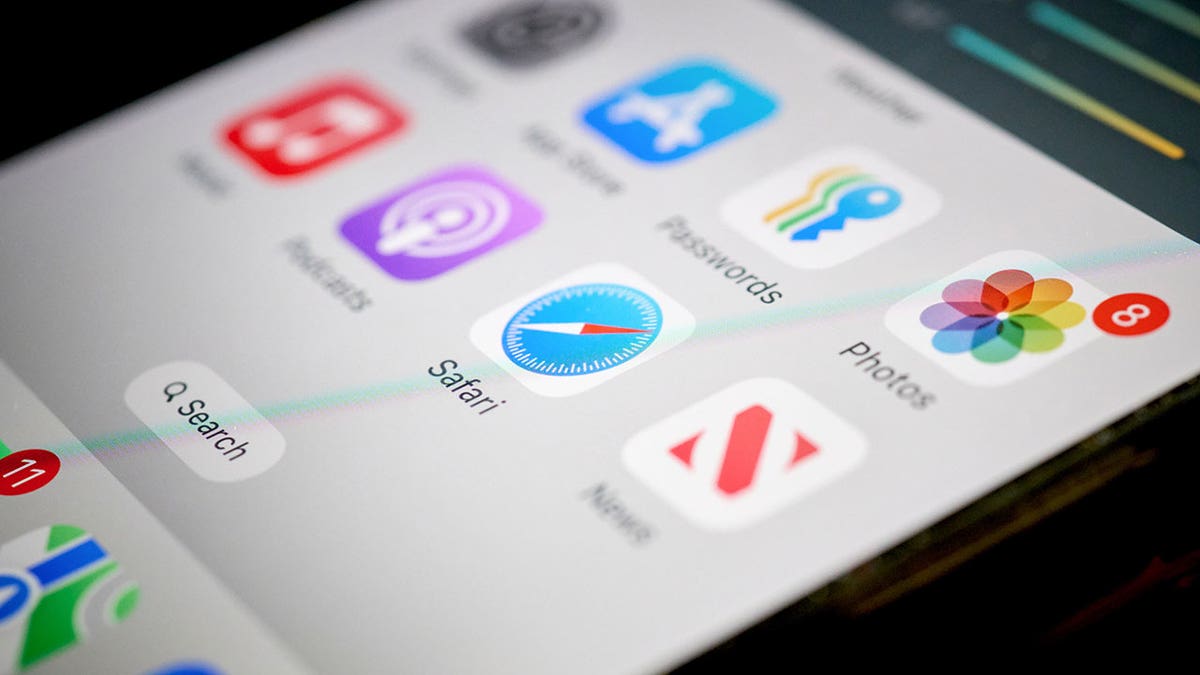
Apple News serves as a centralized aggregator that combines content from established publishers, digital-only outlets, and Apple-curated editorial picks. Its reliability is determined by a hybrid model that blends automated algorithmic personalization with human oversight. While the platform provides broad access to reputable journalism, users must distinguish between Apple’s role as a technological facilitator and the editorial independence of the individual publications hosted within the ecosystem.
Understanding the Apple News Architecture
To evaluate the reliability of Apple News, it is essential to first understand that the platform acts as an aggregator rather than a primary news outlet. Apple does not write the articles; it licenses and distributes them. Consequently, the "reliability" of the information found on the platform is fundamentally tied to the reliability of the participating publishers.
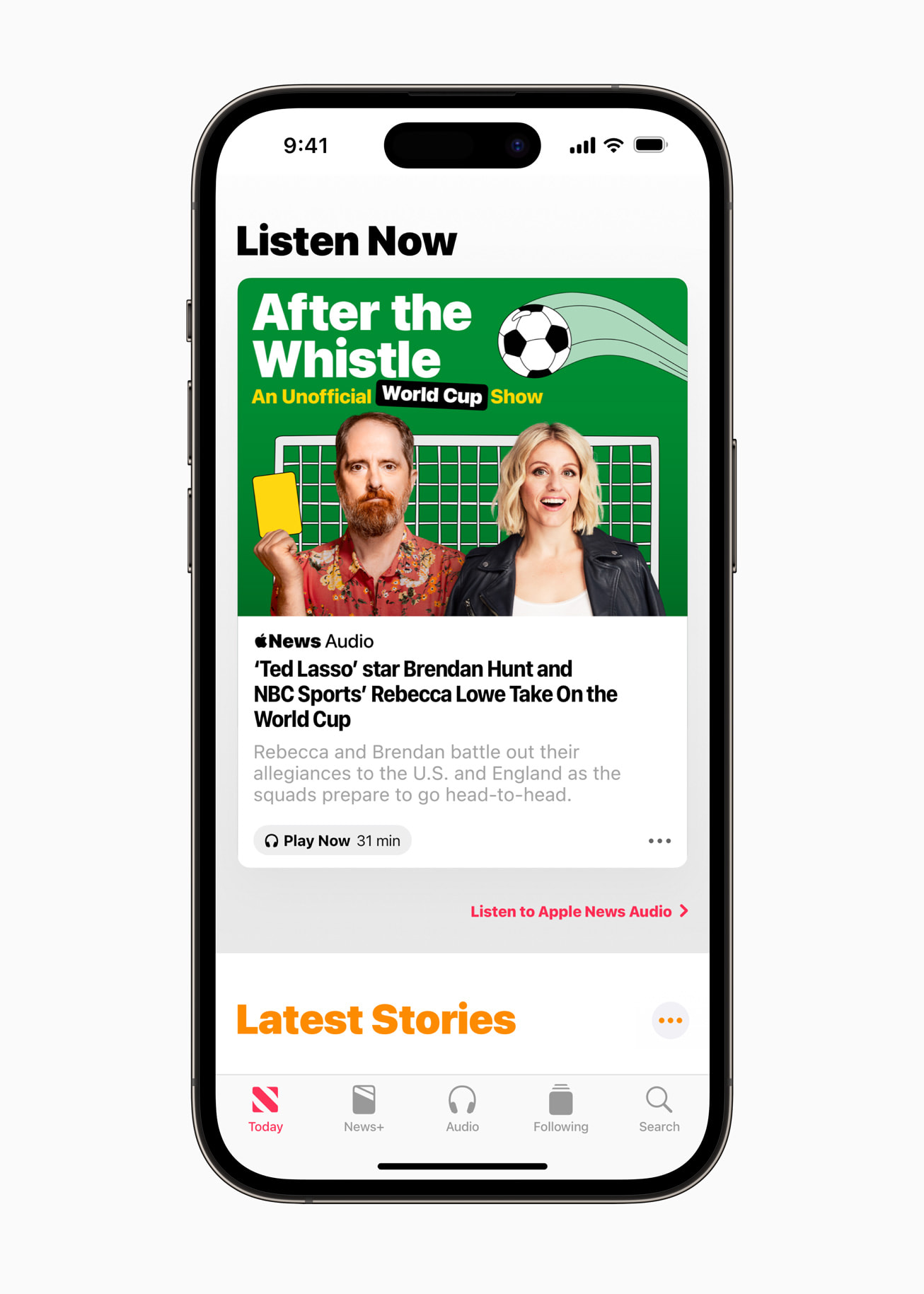
The platform operates through two primary channels: the free Apple News feed, which uses algorithms to tailor content based on user interests, and Apple News+, a subscription service that provides access to premium magazines, newspapers, and digital-only publications. Because Apple aggregates content from sources ranging from global wire services like The Associated Press to niche industry magazines, the variance in reporting style, political leaning, and editorial rigor is wide.
The Role of Human Curation
Unlike platforms that rely exclusively on machine learning to surface content, Apple News employs a dedicated team of human editors. These editors are responsible for selecting "Top Stories" and managing the "Spotlight" feature. This human-in-the-loop approach is designed to mitigate the risks of extreme polarization or sensationalism often associated with purely algorithmic feeds. By surfacing high-quality, verified reporting from established outlets, Apple attempts to create a baseline of institutional credibility.
Algorithmic Personalization vs. Editorial Standards
The personalization engine, which informs the "Following" tab and the "Today" feed, prioritizes user engagement. While this is efficient for discovery, it can inadvertently create filter bubbles. Reliability in this context depends on the user’s awareness of how their own reading habits influence the feed. Apple News does not "fact-check" individual articles for the user; instead, it relies on the pre-existing reputations of the publishers to ensure accuracy.
Evaluating Publisher Credibility
Since Apple News hosts a diverse ecosystem of content creators, assessing reliability requires an evaluation of the individual publishers. Not all sources are equal, and the platform includes a mix of hard news outlets, opinion-based commentary, and lifestyle periodicals.
The Spectrum of Sources
- Tier 1 Legacy Media: Outlets like The Wall Street Journal, The New York Times, and The Washington Post maintain rigorous editorial standards, fact-checking processes, and correction policies. These are generally considered the most reliable sources for investigative journalism and breaking news.
- Wire Services: Organizations such as Reuters and The Associated Press function as primary information gatherers. Their content is often syndicated across various publishers and is prioritized for neutrality and factual density.
- Specialized and Niche Outlets: These include scientific, technological, or industry-specific journals. Their reliability is high within their specific domains but should be weighed against the publisher's potential conflicts of interest or industry advocacy.
- Opinion and Commentary: While these pieces are often labeled as "Opinion" or "Analysis," they are included in the feed alongside factual reporting. Their reliability is subjective, as they prioritize argumentation over raw data.
Identifying Editorial Bias
Reliability is distinct from neutrality. Many high-reliability sources possess a specific editorial stance. Users should be aware that consuming only one type of publisher, even if that publisher is highly accurate, may result in a skewed perception of events. Apple News offers a "Manage Notifications and Channels" feature that allows users to mute specific sources if they find them to be consistently unreliable or biased.
Technical Mechanisms for Information Integrity
Apple has implemented specific technical guardrails to maintain the integrity of its platform. These mechanisms focus on how content is ingested, displayed, and protected against misinformation.
Verified Publisher Ingestion
Apple News requires publishers to meet specific technical and editorial requirements to participate in the News Publisher program. This prevents malicious actors from easily flooding the feed with fabricated articles. Publishers must adhere to Apple’s News Format, which ensures a consistent reading experience and prevents the injection of malicious scripts or intrusive advertisements that could compromise user security or article integrity.
Addressing Misinformation
While Apple News is not immune to the challenges of misinformation, it differs from open social media platforms by limiting the pool of contributors. Unlike platforms that allow user-generated content, Apple News is a "walled garden." This significantly limits the spread of "fake news" sites that rely on viral social media sharing, as every publisher within the Apple ecosystem must have an established history and a formal relationship with Apple.
Comparative Overview: Apple News vs. Other Platforms
The following table summarizes how Apple News compares to other common methods of consuming news in 2026.
| Feature | Apple News | Social Media Feeds | Independent News Apps |
|---|---|---|---|
| Source Quality | Vetted/Verified | Unverified/Viral | Usually High |
| Curation Method | Human + Algorithmic | Purely Algorithmic | Editorial/Thematic |
| Bias Mitigation | High (Human Editorial) | Low (Echo Chambers) | Medium |
| Subscription Cost | Bundled (News+) | Generally Free | Varies/Individual |
| Fact-Checking | Publisher-reliant | Rare/Community-led | Publisher-reliant |
Strategies for Reliable Consumption
To ensure that you are getting the most reliable information from Apple News, consider implementing the following practices:
- Diversify Your Sources: Do not rely solely on the "Today" tab. Actively follow sources with varying editorial perspectives to ensure a more comprehensive view of complex issues.
- Check the Byline: Always look at the source and the author. Distinguish between reporting (facts, interviews) and commentary (opinions, speculation).
- Verify Breaking News: If a major event occurs, cross-reference the report against multiple major wire services. If a story is only being reported by a single, obscure outlet, exercise caution until more reputable sources confirm the details.
- Manage Your "Following" Tab: Curate your feed intentionally. Use the "Suggest Less" or "Block Channel" features for sources that do not meet your standards for journalistic rigor.
Frequently Asked Questions
Does Apple News fact-check articles?
No. Apple News does not provide an independent fact-checking service. It relies on the editorial standards and reputations of the publishers themselves. If a publisher is found to consistently violate factual standards, Apple reserves the right to remove that channel from the platform, but the platform itself is not a verification arbiter.
Can I trust the "Top Stories" curated by Apple?
The "Top Stories" are selected by Apple’s human editorial team. While these stories are generally chosen for their broader significance and quality of reporting, they are subject to editorial selection, which means they reflect what the Apple team deems important. They are reliable in terms of source quality, but they should be viewed as one perspective among many.
Why do I see opinion pieces mixed with hard news?
The Apple News algorithm is designed to serve a broad spectrum of content. Opinion pieces are often included because they generate high levels of engagement. To maintain a reliable news diet, users should be mindful of the "Opinion" tag, which is usually visible in the article header or feed listing.
Are there fake news sites on Apple News?
The barrier to entry for publishers on Apple News is significantly higher than on open web or social media platforms. While it is possible for a legitimate outlet to make an error, the risk of encountering deliberate, malicious misinformation sites is extremely low due to Apple’s stringent publisher application process.
How does Apple News handle corrections?
If a publisher issues a correction for an article, that correction is typically reflected in the Apple News version of the article as well. However, this is dependent on the publisher’s own systems communicating with the Apple News feed. If you suspect an article contains an error, the most reliable action is to check the publisher's official website for the most recent updates.
Next Steps for Users
To maximize the reliability of your news intake, start by auditing your "Following" list within the Apple News app. Remove sources that fail to provide clear sourcing, transparency regarding their editorial board, or consistent adherence to journalistic standards. Complement your Apple News usage with direct visits to primary, verifiable sources, especially during fast-moving political or global events. By taking an active role in how your feed is constructed, you transform Apple News from a passive consumption tool into a powerful, curated window into high-quality journalism.