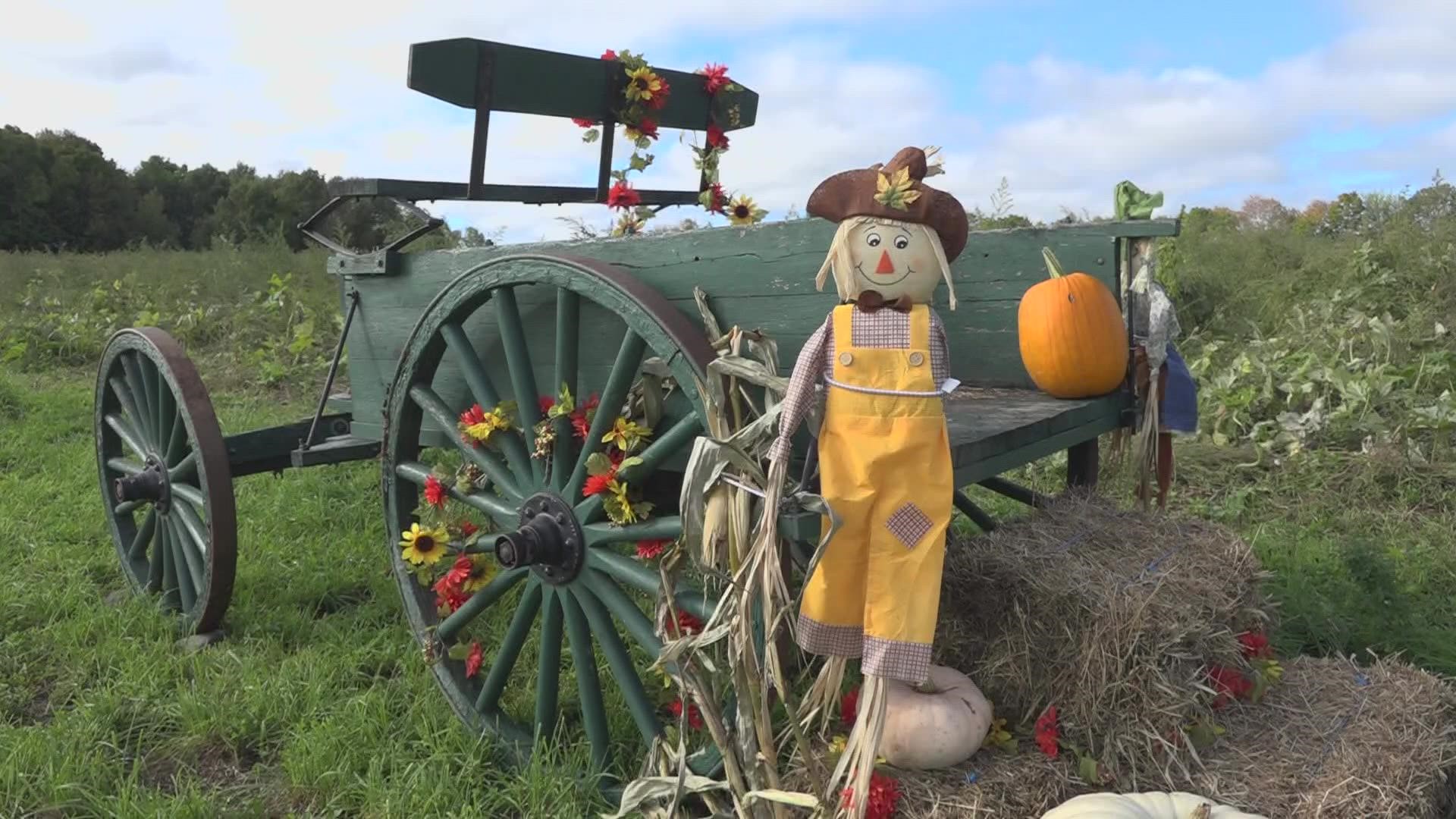
Apple picking in the Portland, Maine area is a quintessential autumn activity that centers on visiting orchards located within a 30- to 60-minute drive of the city. While Portland itself is a coastal urban center, the surrounding Cumberland and York County regions offer diverse agricultural landscapes where visitors can harvest varieties like McIntosh, Cortland, and Honeycrisp during the late August through October harvest window.
Understanding the Regional Harvest Timeline
In Maine, the apple season is governed by short, cool growing cycles. By the time mid-September arrives in 2026, the peak of the harvest is generally underway. It is vital for visitors to distinguish between "early" and "late" season varieties, as these influence exactly when you should plan your trip.
Early season apples, such as Paula Reds and Ginger Golds, typically appear in late August or very early September. These varieties are often softer and best consumed soon after picking. The mid-season, usually spanning mid-September to early October, provides the highest volume of popular snacking and baking apples, including the iconic Maine McIntosh. Late-season varieties, like Macoun or Northern Spy, can often be picked well into mid-October, depending on the intensity of the first frost.
Because weather patterns fluctuate significantly in Southern Maine, the specific "ripeness window" for a particular orchard can shift by as much as ten days from one year to the next. Always consult an orchard’s live picking report or social media feed 24 hours before departure to verify if the variety you desire is currently available for U-Pick.
Prerequisites for a Successful Orchard Visit
Before you set out from Portland, you must account for the logistical realities of agricultural tourism. Unlike retail stores, orchards are working farms that operate under specific biological and safety constraints.
- Verification of "U-Pick" Status: Not every orchard that sells apples offers a U-Pick experience. Some farms are exclusively wholesale, while others reserve their U-Pick blocks for specific weekend windows. Always confirm that the "U-Pick" program is currently open to the public for the specific date you intend to visit.
- Weather Preparedness: Maine autumns are unpredictable. A sunny morning can turn into a chilly, damp afternoon. Wear sturdy, closed-toe shoes; orchards are uneven, often muddy, and occasionally prone to stinging insects or fallen, fermenting fruit that can make the ground slippery.
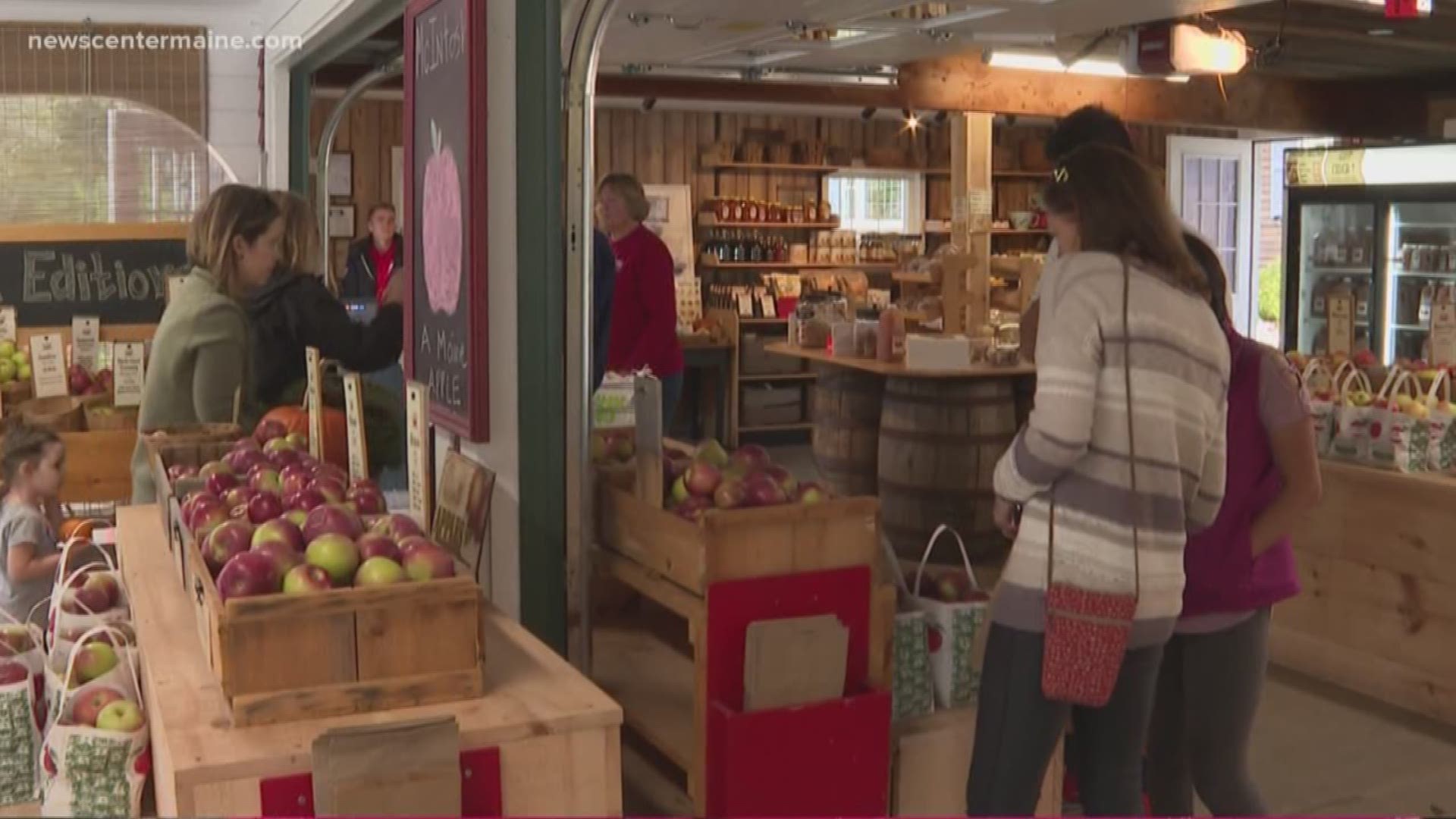
- Payment Methods: While many larger operations now accept digital payments, smaller family-run farms in rural Maine may still prefer cash or personal checks. Carrying a small amount of cash is a best practice for purchasing incidental items like cider donuts or artisanal jams found at orchard farm stands.
- Picking Protocol: When you arrive, you will likely be directed to a specific row. It is critical to stay within the designated picking areas. Moving into unassigned or "closed" rows disrupts the orchard’s harvest management plan and can lead to the damage of next year’s buds.
Navigating the Landscape: Choosing Your Orchard
The area surrounding Portland offers a mix of large-scale commercial orchards and smaller, boutique family farms. Selecting the right venue depends on whether your priority is the sheer volume of fruit, the availability of family activities, or the peace of a rural setting.
The following table provides a breakdown of how to categorize your selection process based on common visitor needs:
| Feature | Large Commercial Orchard | Small Boutique Farm |
|---|---|---|
| Variety Diversity | Extensive (15+ types) | Focused (3-6 types) |
| Family Amenities | Playgrounds, mazes, hayrides | Minimal, focus on fruit |
| Crowd Levels | High on weekends | Low to moderate |
| Commercial Goods | Extensive bakery and gift shop | Limited to cider or basic items |
| Terrain | Well-manicured, accessible | Natural, sometimes steep |
Expert Techniques for Picking and Storing Apples
The primary goal of apple picking is to secure high-quality fruit that lasts through the winter. A common mistake among novices is bruising the fruit during the harvesting process.
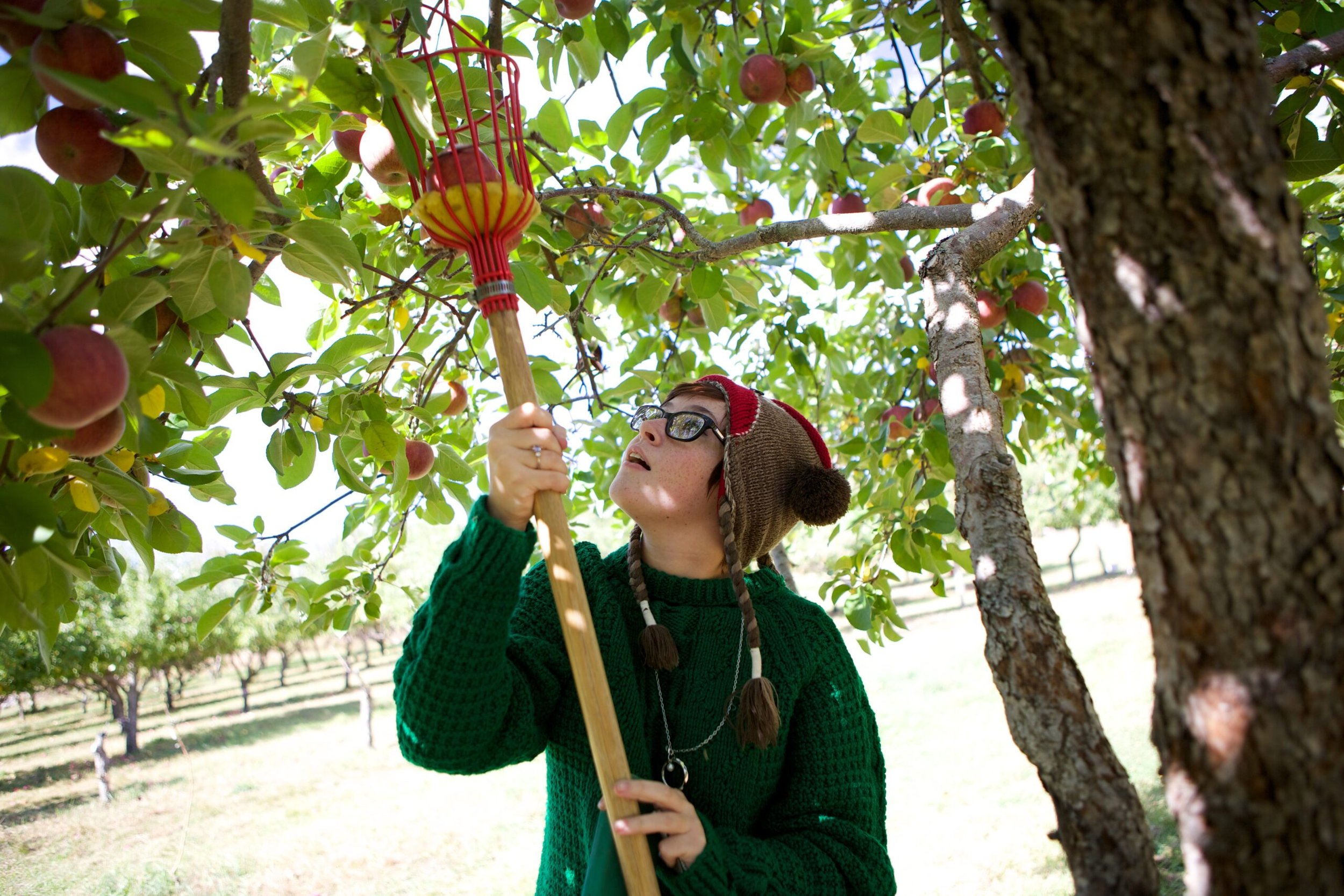
To correctly pick an apple, do not pull it directly outward from the branch, as this can snap the spur—the small, woody growth that produces fruit in future years. Instead, lift the apple upward toward the sky and give it a slight twist. If the apple is ready to be harvested, it will detach easily from the branch with the stem intact. If you find yourself struggling to pull the apple off, it is likely not yet ripe; leave it for the next visitor.
Once picked, keep the apples in a cool, dark environment as soon as possible. Apples continue to respire after they are picked. If left in a hot car during a sunny afternoon, the ripening process will accelerate, leading to mealy textures. If you plan to spend the rest of the day in Portland visiting the Old Port or dining out, ensure your haul is kept in a cooler with ice packs to maintain their crispness until you reach your final destination.
Addressing Common Challenges and Troubleshooting
Even with the best planning, you may encounter issues during your excursion.
- Pest Interference: Because Maine orchards often utilize Integrated Pest Management (IPM), you may occasionally find small insects or cosmetic blemishes on the skin. These do not affect the quality of the flesh and are a natural part of the growing cycle. Avoid picking fruit that has visible rot or deep punctures, as these are vectors for mold that can ruin an entire bag of apples.
- Weekend Congestion: Peak weekends in late September can lead to significant traffic and limited parking at popular orchards. To mitigate this, aim for an arrival time before 10:00 AM. Arriving early also guarantees better selection, as the most accessible fruit on the lower branches is often picked clean by the afternoon.
- Orchard Closures: If an orchard has been picked out of a specific variety, they will close that block. Do not attempt to bypass signs or fencing. These closures are necessary to allow the trees to recover and to protect the remaining fruit from over-handling.
Frequently Asked Questions
What is the best time of day to go apple picking in Maine? The best time is early morning, ideally right at the orchard’s opening time. You will face fewer crowds, the air will be cooler, and you will have first access to the best-positioned fruit on the trees, saving you the effort of needing a ladder or reaching into the upper canopy.
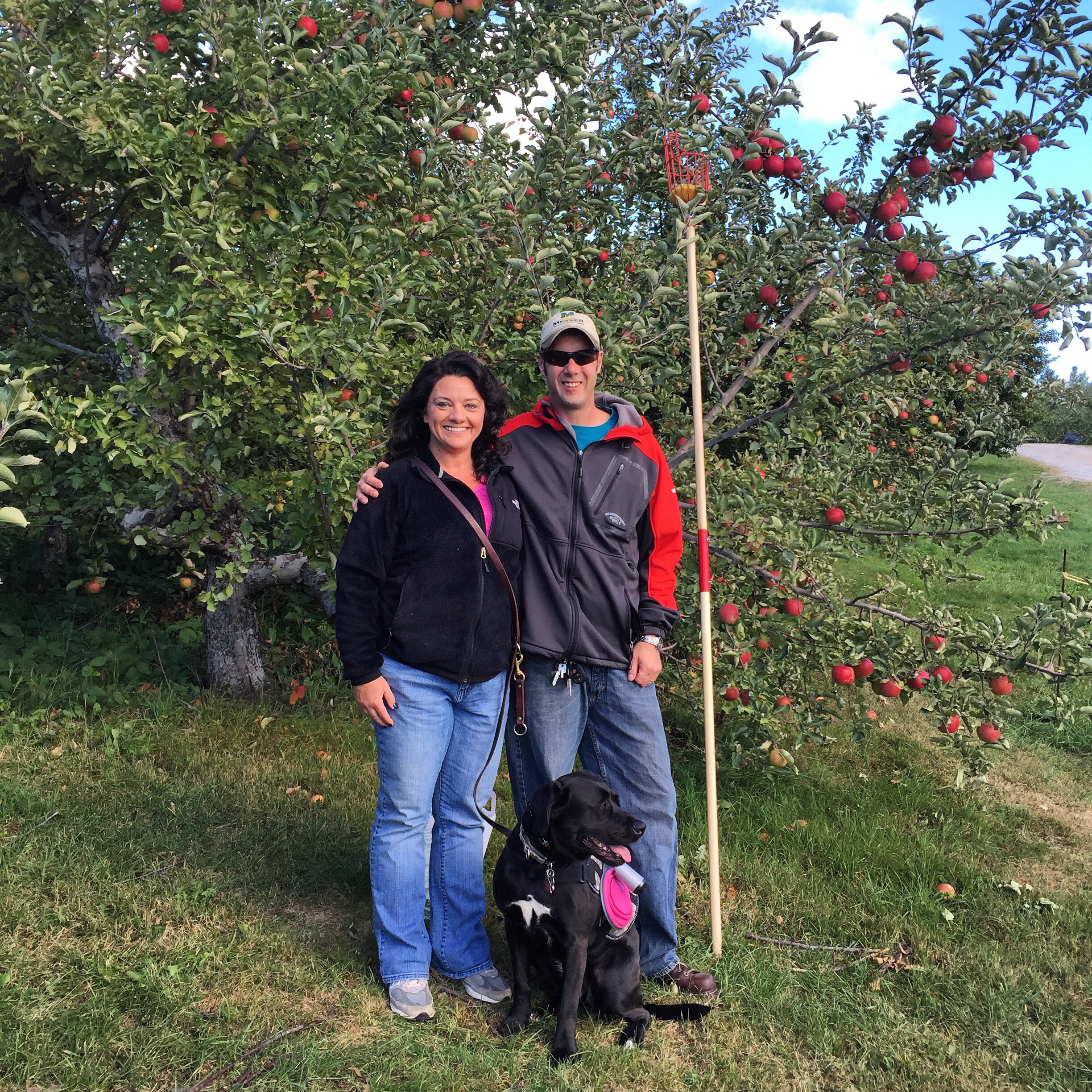
Are pets allowed at Maine apple orchards? Policies vary widely by farm. While many are pet-friendly, they often require leashed dogs and strictly prohibit animals in the actual picking rows due to food safety regulations. Always verify the specific pet policy on the orchard’s official website or by phone before bringing an animal.
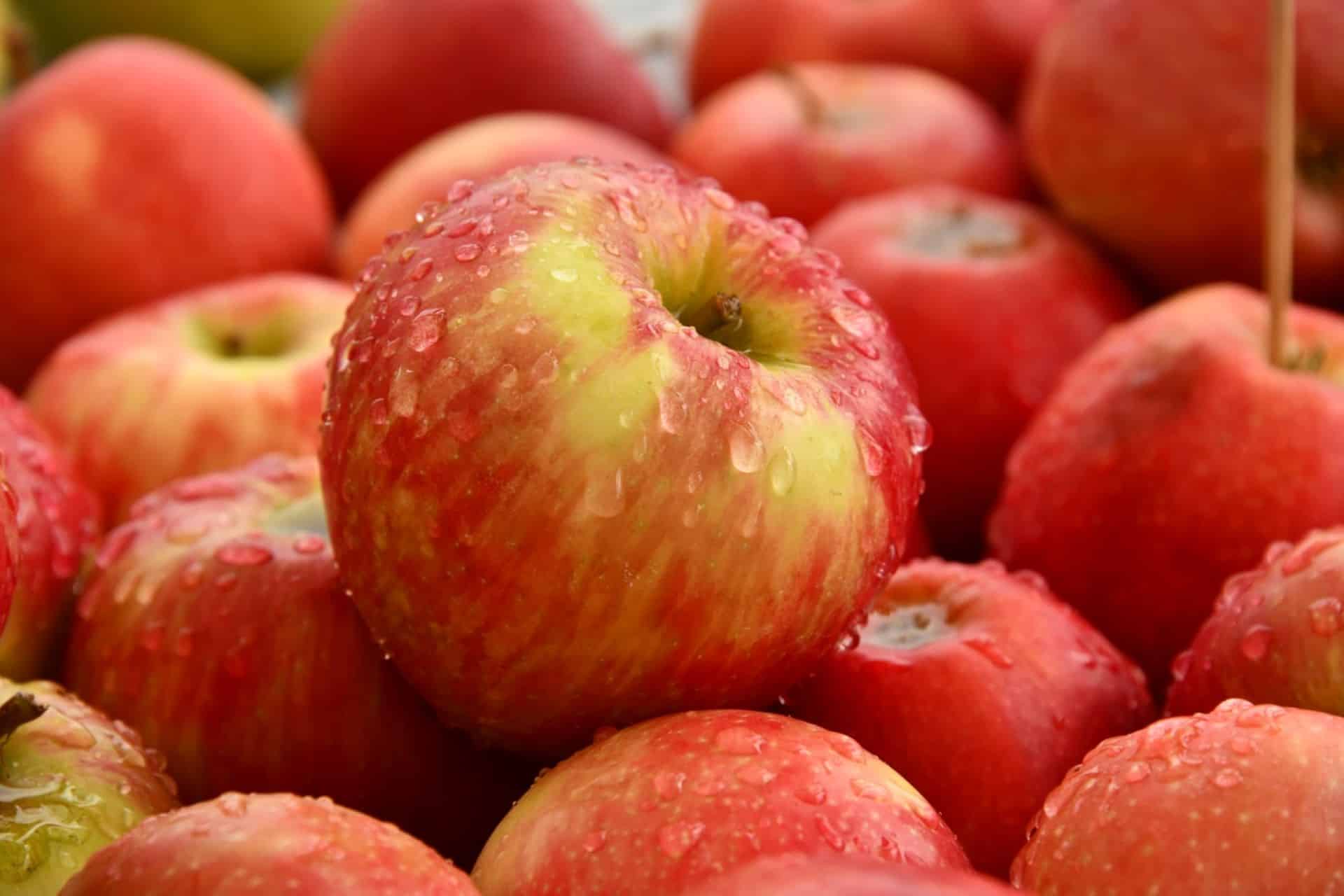
How do I know which apple variety is right for my needs? If you are planning to bake pies, look for tart, firm varieties like Northern Spy or Cortland, which hold their shape during heat exposure. For fresh snacking, the Honeycrisp or Gala are generally preferred for their sweetness and snap. If you are making applesauce, softer varieties like McIntosh are ideal as they break down easily during cooking.
Do I need to bring my own containers? Most orchards in the Portland area provide bags or baskets for your harvest. Some offer tiered pricing based on the size of the container you choose to fill. Check if your chosen orchard requires you to purchase their specific containers, as they are often calibrated to manage yield and pricing for the farm.
Can I wash the apples immediately? It is best to wait until you are ready to eat or cook the apples before washing them. Washing removes the natural protective "bloom" (a waxy coating) from the skin, which can cause the fruit to spoil or become mushy more quickly if stored while wet.
Recommendations for Your Trip
For the optimal experience in 2026, select an orchard situated in the rolling hills of neighboring towns such as Buxton, Standish, or Gorham. These locations offer a balance of accessibility and authentic rural scenery. Plan your trip for a weekday if your schedule allows, as this significantly improves your ability to interact with the farm staff and learn more about the specific history and cultivation practices of that location. If you must visit on a weekend, prepare for a slower-paced day, bring a sturdy reusable bag for your haul, and focus on the experience of the harvest rather than just the weight of the fruit collected.