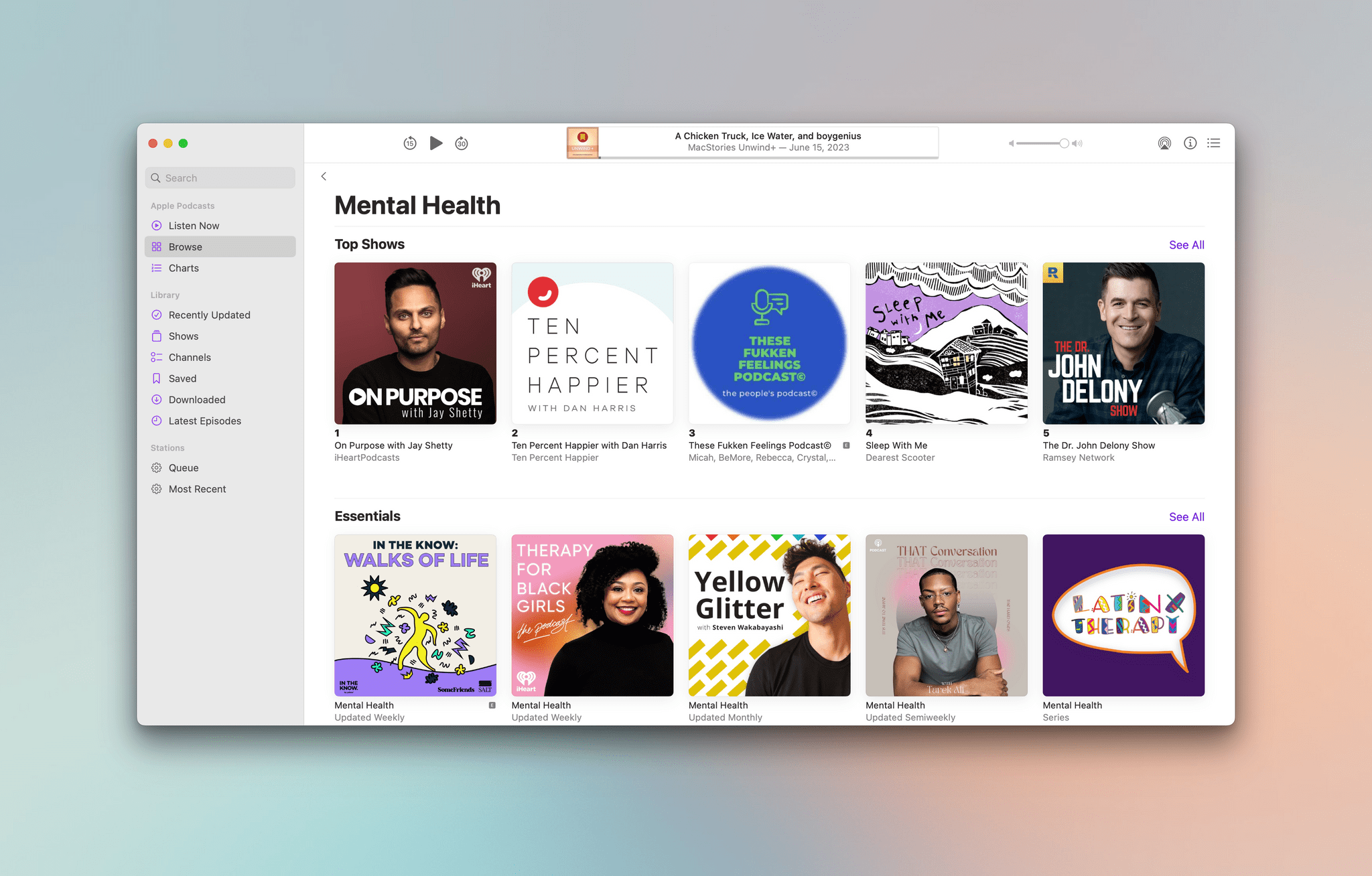
The evolution of the Apple Podcast player reflects the transition from a niche RSS-based experiment to a centralized media ecosystem. By consolidating discovery, playback, and monetization tools, Apple has maintained its position as a primary gateway for audio consumption while navigating ongoing debates regarding algorithmic curation, creator privacy, and the tension between open standards and proprietary platform control.
The Architectural Shift: From Feeds to Ecosystem
The Apple Podcasts application began as a simple directory and playback client designed to facilitate the consumption of RSS (Really Simple Syndication) feeds. In the early days, Apple acted primarily as a gatekeeper, validating the legitimacy of shows and indexing them for the iTunes directory. This architecture preserved the "open" nature of podcasting; files were hosted on external servers, and Apple merely provided the link to the enclosure.
As of 2026, the architecture has matured into a sophisticated, vertically integrated service. While the fundamental RSS structure remains, the Apple Podcast player now functions as an extension of the broader Apple Media stack, incorporating features like "Follow" functionality, Apple Podcasts Subscriptions, and cloud-synchronized listening progress across iOS, iPadOS, macOS, and visionOS. This shift has fundamentally changed how users interact with the medium, moving from manual feed management to an algorithmic, feed-forward recommendation model.
Timeline of Significant Platform Developments
Understanding the evolution of the player requires examining how specific functional updates changed user behavior and creator expectations:
- The Standalone Migration (2012): Apple separated the podcast functionality from the iTunes music application into its own dedicated iOS app. This signaled a strategic pivot, recognizing podcasting as a distinct category of media consumption rather than a subset of music.
- Introduction of Analytics (2017): Before this, creators were largely "flying blind" regarding data. Apple began providing basic consumption metrics, allowing creators to see how many users listened to the end of an episode, which directly influenced production styles and pacing.
- Subscriptions and Paid Content (2021): The launch of Apple Podcasts Subscriptions introduced the ability for creators to lock content behind a paywall directly within the Apple ecosystem. This sparked significant industry debate regarding the "walled garden" approach versus traditional independent sponsorship models.
- Enhanced Metadata and Search (2023–2025): The integration of automated, machine-generated transcripts and improved semantic search capabilities allowed the player to index the spoken content within audio files, moving beyond simple title and description matching.
The Core Debates: Openness vs. Proprietary Control
The most prominent debate surrounding the Apple Podcast player involves the potential erosion of the open RSS standard. Critics argue that by adding proprietary features—such as integrated subscription management, exclusive previews, and proprietary analytics—Apple is subtly nudging the ecosystem toward a model that requires participation in their specific programs for optimal visibility and revenue.
Algorithm-Driven Discovery vs. Editorial Curation
In the early years, the "New and Noteworthy" section of the Apple Podcast directory was manually curated by humans. This was often criticized for being opaque, yet it offered a chance for independent creators to gain traction through editorial merit. Today, the discovery engine relies heavily on behavioral data: listening history, engagement rates, and completion percentages.
The ongoing debate centers on "discoverability friction." Because the Apple algorithm prioritizes high-completion, high-engagement shows, it tends to reinforce the dominance of established networks, making it difficult for new, independent creators to break through the "top charts" barrier without significant existing reach.
Data Privacy and Creator Empowerment
Apple’s approach to user privacy has been a double-edged sword for podcasting. By stripping IP addresses and limiting granular listener tracking, Apple protects user identity. However, this lack of detailed tracking makes it harder for small, independent publishers to sell highly targeted advertising. The player’s architecture enforces a "privacy-first" standard that effectively creates a barrier to entry for smaller firms that rely on conventional web-based tracking metrics to prove value to potential sponsors.
Comparison: Apple Podcasts vs. Alternative Platforms
As of 2026, the marketplace is highly competitive. Users often choose their podcast player based on device ecosystem and feature requirements.
| Feature | Apple Podcasts | Spotify | Independent (e.g., Overcast) |
|---|---|---|---|
| Primary Model | Open RSS (with paid add-ons) | Proprietary/Exclusive | Open RSS |
| Discovery | Human/Algorithmic Hybrid | Aggressive Algorithmic | User-directed |
| Subscription | Apple-managed | Spotify-managed | Direct-to-Creator |
| Syncing | Native iCloud | Spotify Cloud | Platform-dependent |
| Metadata | Deeply indexed (Transcripts) | Music-podcast blending | Basic feed parsing |
Technical Specifications and User Requirements
For both listeners and creators, the Apple Podcast player requires adherence to specific technical standards to function correctly.
Listener Considerations
Listeners utilizing the Apple Podcast player must ensure their device firmware is up to date to access the latest playback features, such as "Smart Speed" (which adjusts playback based on silence) and advanced transcript navigation. Because the player uses a proprietary synchronization engine, users with multiple Apple devices must be logged into the same Apple ID to ensure playback progress persists across devices. This is a common point of frustration for users who move between different devices but experience "sync lag" due to network latency or iCloud server load.
Creator Technical Requirements
Creators must host their audio files on a server that supports HTTP Range Requests. This allows the Apple player to fetch only the portion of the file it needs for streaming, rather than downloading the entire episode. A critical debate in this realm is the quality of the RSS feed generation; Apple’s validation tools are notoriously strict. If a feed does not meet the specific technical standards (such as properly formatted XML or incorrect image resolution for cover art), the show can be delisted or fail to update, leading to lost downloads.
Troubleshooting Common Issues
Despite its maturity, the Apple Podcast player remains prone to specific technical glitches that users should be aware of:
- Missing Episode Updates: Often caused by a stale RSS feed. If the player does not see a new enclosure tag in the feed, it will not fetch the update. Always check the feed in a validator before troubleshooting the app.
- Sync Discrepancies: When playback progress fails to save across devices, check the "Listen Now" settings in the system preferences. Conflicts often arise when multiple users share an Apple ID, as the synchronization logic is designed for individual account ownership.
- Podcast Not Appearing in Search: This is typically an indexing delay. New podcasts can take 24–48 hours to propagate through the Apple search cache. Ensure the podcast metadata (title, author, and description) does not violate content guidelines, as automated filters may trigger a manual review.
Frequently Asked Questions
Why does the Apple Podcast player show fewer analytics than my hosting provider? Apple provides "consumption data," which reflects what happens inside their specific app. Your hosting provider tracks "requests," which include all platforms, bots, and proxy services. Apple’s data is often more accurate for user engagement, but your host’s data is the industry standard for total reach.
Is Apple forcing creators to use their hosting service? No. Apple maintains an open ecosystem where creators host files anywhere they choose, provided the server supports range requests. However, Apple offers a "Link" program that encourages simplified management, which some interpret as a subtle incentive to centralize hosting.
How do transcriptions impact my podcast's searchability? As of 2026, Apple uses transcript data to index the actual content of your episodes. This means using keywords in your titles is slightly less critical than it was in the past, provided those keywords appear naturally in the spoken audio. Focus on clear, descriptive language in your script to improve search ranking.
Can I opt out of Apple’s algorithmic recommendations? Users have some control over their privacy settings, but the "For You" algorithm is a core component of the player. You can refine your recommendations by unsubscribing from shows you no longer enjoy and clearing your "Recently Played" history in the app settings.
What happens to my podcast if Apple changes its policy? Because you own your RSS feed, your podcast is portable. If Apple imposes terms you find unfavorable, you can move your hosting provider or change the URL in your RSS feed, and your subscribers will follow you as long as you maintain control over the feed's source.
Recommendations for Future-Proofing
To succeed in the current landscape of the Apple Podcast player, creators must balance technical rigor with audience-centric content.
- Prioritize RSS Integrity: Treat your RSS feed as your most valuable asset. Host it on a reliable platform that allows you to change your audio file location without breaking your subscriber base.
- Optimize for Transcripts: Since Apple now indexes the audio content, ensure your production process includes a high-quality transcription review. Clear, articulate speech in the first three minutes of an episode significantly impacts how your show is indexed.
- Diversify Your Distribution: While the Apple player holds a significant market share, do not rely exclusively on one platform. Use the open nature of RSS to ensure your show is available on independent apps and competitive platforms. This creates a safety net against policy changes and ensures your content remains accessible to the widest possible audience.
By focusing on the portability of your content and maintaining strict adherence to RSS standards, you can leverage the features of the Apple Podcast player without falling victim to the risks associated with platform dependency. Stay informed on the player's minor updates, but keep your primary attention on the relationship with your listeners, which exists independently of any single software interface.