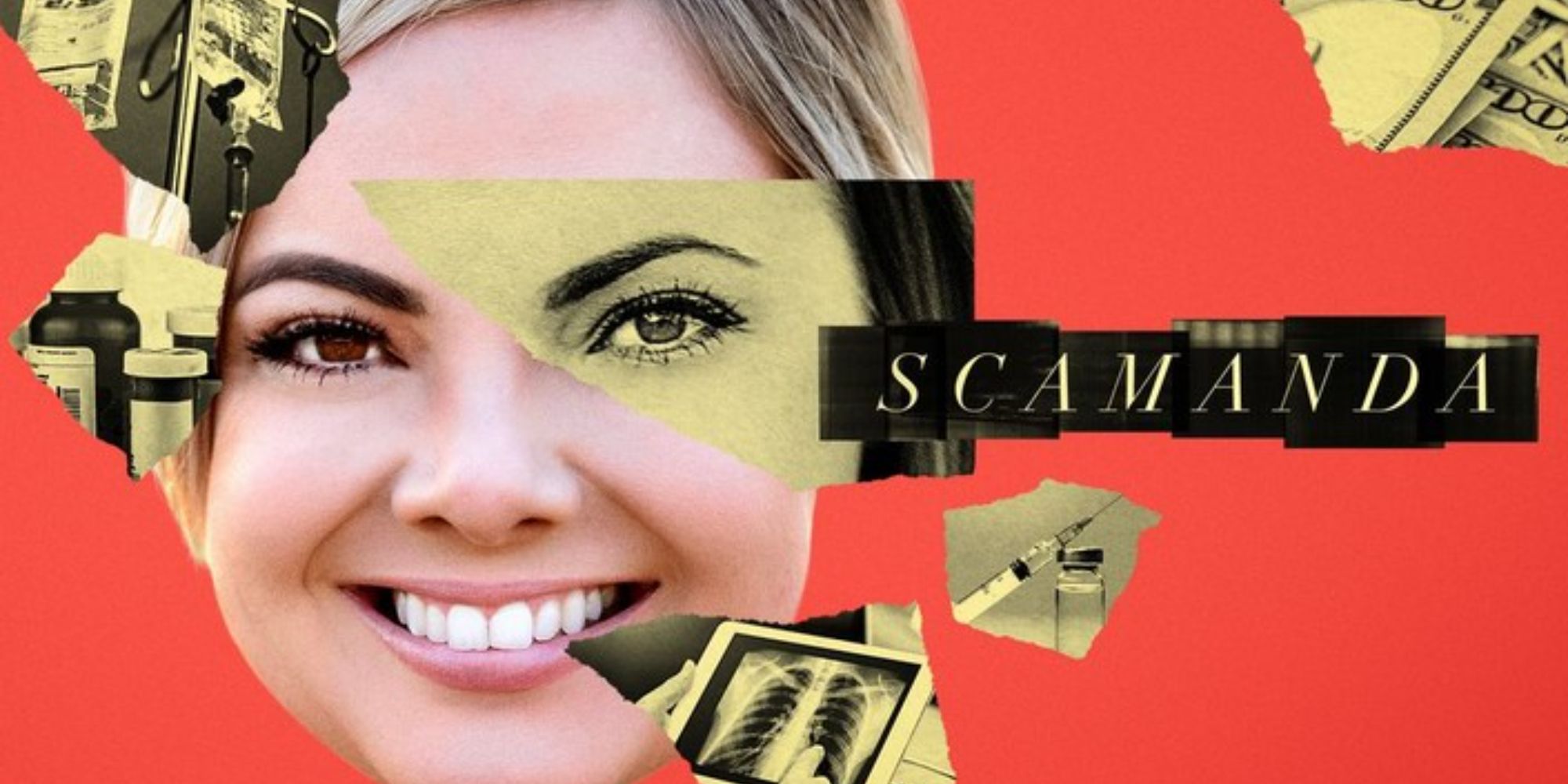
Amanda Riley became the subject of national attention and public scrutiny following the revelation of a multi-year, sophisticated medical fraud scheme. The documentary titled The Miracle of Amanda Riley, which premiered on Hulu, chronicles her journey from a seemingly courageous cancer patient to a woman convicted of federal wire fraud for faking her own terminal illness.
The story of Amanda Riley centers on the intersection of social media influence, charitable solicitation, and the exploitation of public empathy. Riley, a resident of San Jose, California, spent years documenting her alleged battle with leukemia online, maintaining a blog and social media presence that garnered significant support from the community. She solicited donations through various platforms, ostensibly to cover medical costs and experimental treatments.
However, investigations revealed that Riley never had cancer. The documentary serves as a definitive examination of how she manipulated friends, family, and strangers to secure over $100,000 in fraudulent donations. By examining the timeline of her deception, the legal investigation, and the ultimate sentencing, the film provides a comprehensive look at a case that highlights the darker side of online crowdfunding and the vulnerability of empathetic donors.
Origins of the Deception
The deception began in the early 2010s. Riley, using the platform Amanda’s Hope, began documenting a supposed diagnosis of Hodgkin lymphoma, which later transitioned into a narrative of recurring leukemia. Her online presence was highly curated; she posted photographs of herself in hospital settings, shared detailed updates on her "treatment" regimens, and leaned into the narrative of a young, resilient mother battling an incurable condition.
This digital performance was meticulously crafted to bypass skepticism. By documenting mundane aspects of hospital visits—sometimes utilizing authentic medical spaces she accessed through her work or by simply appearing in waiting rooms—she established a baseline of credibility. For her followers, the lack of traditional medical outcomes (such as rapid physical deterioration) was attributed to her perceived "miracle" survival, further encouraging the cycle of donations.
The Role of Digital Crowdfunding
A critical aspect of the Amanda Riley case is how digital crowdfunding platforms were weaponized. In the years leading up to her exposure, these platforms were evolving into standard tools for personal financial crises. Because donors often prioritize emotional resonance over rigid financial due diligence, Riley was able to exploit the inherent trust built into these networks.
The donations were not merely financial transactions; they were deeply personal gestures from people who believed they were helping save a life. Riley accepted payments through bank accounts, personal checks, and crowdfunding sites, using the funds for personal expenses rather than medical bills. This highlights a significant vulnerability in the crowdfunding ecosystem: the lack of standardized, mandatory oversight for medical claims when money is moved directly from individuals to a beneficiary.
The Investigation and Legal Outcome
The unraveling of Riley’s scheme began when those closest to her started noticing inconsistencies. Medical professionals and individuals within her social circle began to question the authenticity of her treatments. Eventually, law enforcement officials in the San Jose area launched an investigation that pierced the facade.
In 2020, Riley pleaded guilty to a charge of wire fraud. The federal court proceedings revealed that she had not only faked her illness but had actively forged medical documents, altered lab reports, and coerced those around her to maintain the charade. In 2021, she was sentenced to five years in federal prison and ordered to pay restitution to the individuals and organizations she defrauded. The documentary features interviews with investigators, family members, and victims, providing a window into the cold, calculated nature of the crimes.
Analyzing the Impact on Donors and Communities
The psychological toll on those who supported Riley was profound. Many of her donors felt a sense of betrayal that extended beyond financial loss. They had invested years of emotional energy into her recovery, forming support groups and prayer circles. When the truth emerged, it fractured these communities.
This case serves as a cautionary tale regarding the "charity fraud" epidemic. It raises difficult questions about how society balances the need for community support with the risk of exploitation. The reliance on digital evidence—photographs, blog updates, and social media comments—as a proxy for clinical truth is a central theme in the analysis of this case.
Comparison of Fraud Detection Methods
To understand how such a case could persist for so long, it is helpful to look at the differences between community-level verification and professional financial audits.
| Verification Method | Characteristics | Limitations |
|---|---|---|
| Community Trust | Relies on personal connections and emotional testimony. | Highly susceptible to manipulation by narcissists or con artists. |
| Crowdfunding Platforms | Automated payment processing and public storytelling. | Limited internal medical verification; focuses on TOS compliance. |
| Law Enforcement | Subpoenas of medical records and bank statements. | Requires high thresholds of evidence; acts only after harm occurs. |
| Independent Forensic Audit | Verification of clinical receipts and diagnosis documentation. | Intrusive; rarely requested by friends or family during a "crisis." |
Why the Documentary Matters
The Hulu coverage of the Amanda Riley case is significant because it moves beyond the sensational aspects of the crime to focus on the systematic failure of checks and balances. By documenting the specific steps taken to deceive the public, the film provides a blueprint for what to look for when identifying potentially fraudulent solicitations.
The documentary highlights:
- The "Hero" Narrative: Using a terminal illness to build a brand or a persona that is difficult for outsiders to criticize.
- Avoidance of Transparency: Riley’s documented habit of becoming aggressive when asked for specific medical details or official documentation.
- The "Isolation" Tactic: Distancing herself from anyone who began to demand proof of her health status.
Addressing Common Questions
Understanding the scope of this case often leads to specific inquiries regarding the mechanics of the fraud and the aftermath.
How did Amanda Riley get away with it for so long? She utilized a combination of social engineering, including gaslighting those who asked questions, and the natural human tendency to avoid doubting someone claiming to suffer from a terminal illness. She also used forged documents to silence medical professionals who raised red flags.
What happened to the money she collected? The court found that the funds were used for various personal expenses. As part of her sentencing, the court mandated restitution, though collecting these funds from a convicted fraudster is often difficult and time-consuming for victims.
Is it safe to use crowdfunding sites? Crowdfunding remains a vital tool for those in genuine need. However, experts recommend verifying the identity of the beneficiary through secondary channels and looking for specific, verifiable information (such as the name of the treating hospital or the medical department) rather than relying solely on emotional narratives.
Can medical documents be easily forged? As shown in the investigation, Riley was able to create convincing forgeries. The lesson for the public is that if a story seems "too good to be true" or lacks external verification from a third-party medical institution, one should exercise extreme caution before donating.
What is the legal status of the case in 2026? The criminal case is concluded. Riley served her sentence as mandated by the federal court. The documentary remains a public record of the case, intended to educate the public on the realities of medical fraud.
Next Steps for Donors
For those who wish to support individuals in need while minimizing the risk of fraud, the most effective approach is to verify the recipient’s status through established organizations. If you are asked to donate to a personal medical fund, consider the following actions:
- Request Third-Party Verification: Ask if there is a verified charity or hospital social worker managing the fund.
- Observe Transparency: Look for updates that include non-personal information, such as the specific type of treatment being sought, rather than just emotive, daily status updates.
- Use Reputable Channels: Whenever possible, donate directly to the medical facility or to a recognized nonprofit organization that facilitates care, rather than sending cash or digital payments to an individual's personal account.
The Amanda Riley story stands as a modern reminder that in the digital age, empathy must be balanced with critical thinking. While it is natural to want to provide support, verifying the necessity and authenticity of a cause is essential to ensuring that resources reach those who are genuinely in need.