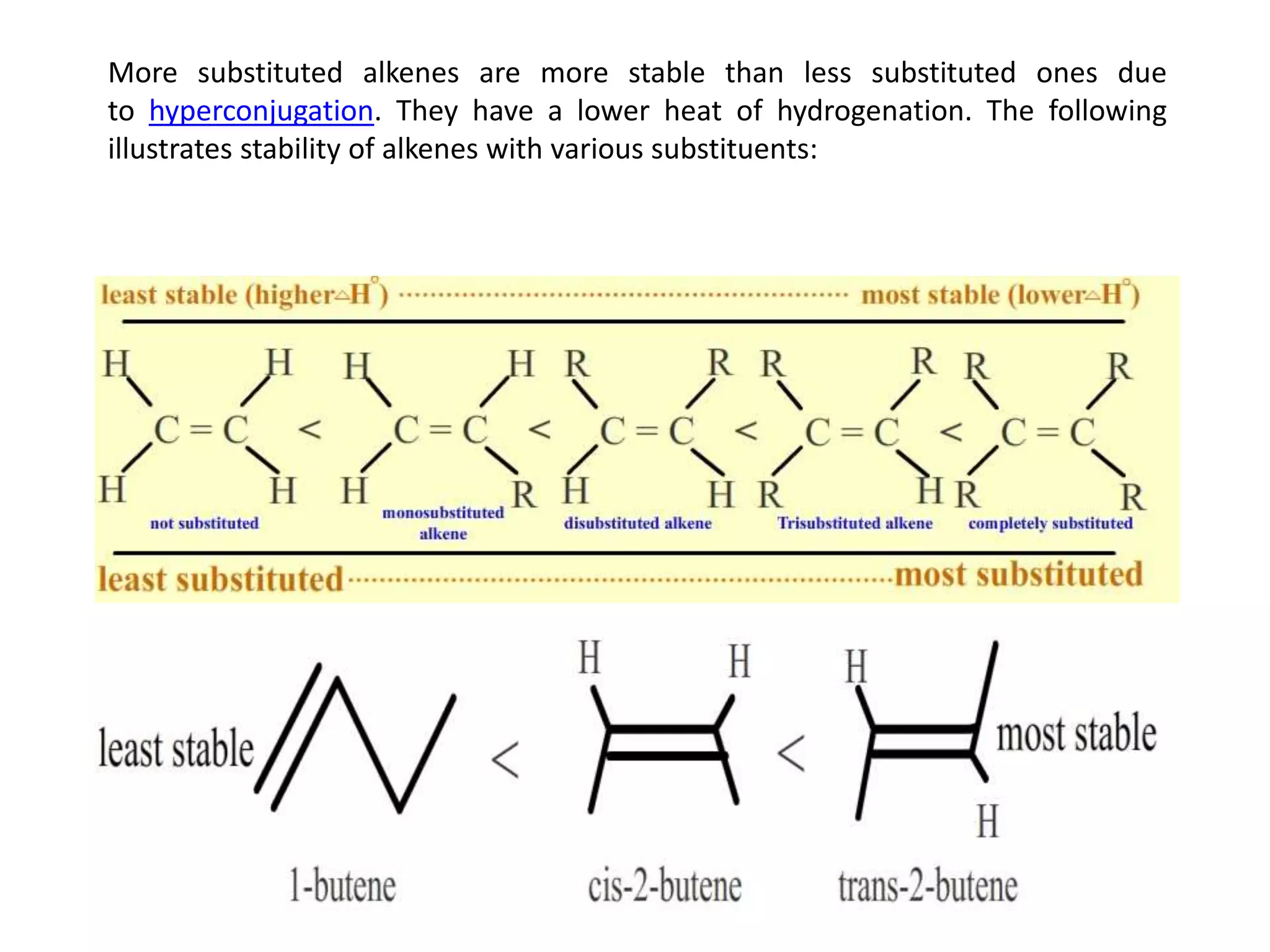
In 2026, alkenes remain the fundamental building blocks of the global chemical industry, serving as the primary precursors for polymers, pharmaceuticals, and specialty chemicals. Their high reactivity, derived from the carbon-carbon double bond, allows for precise molecular transformations through advanced catalysis, enabling the transition toward sustainable, bio-based manufacturing and circular plastic economies.
Understanding the Fundamental Nature of Alkenes
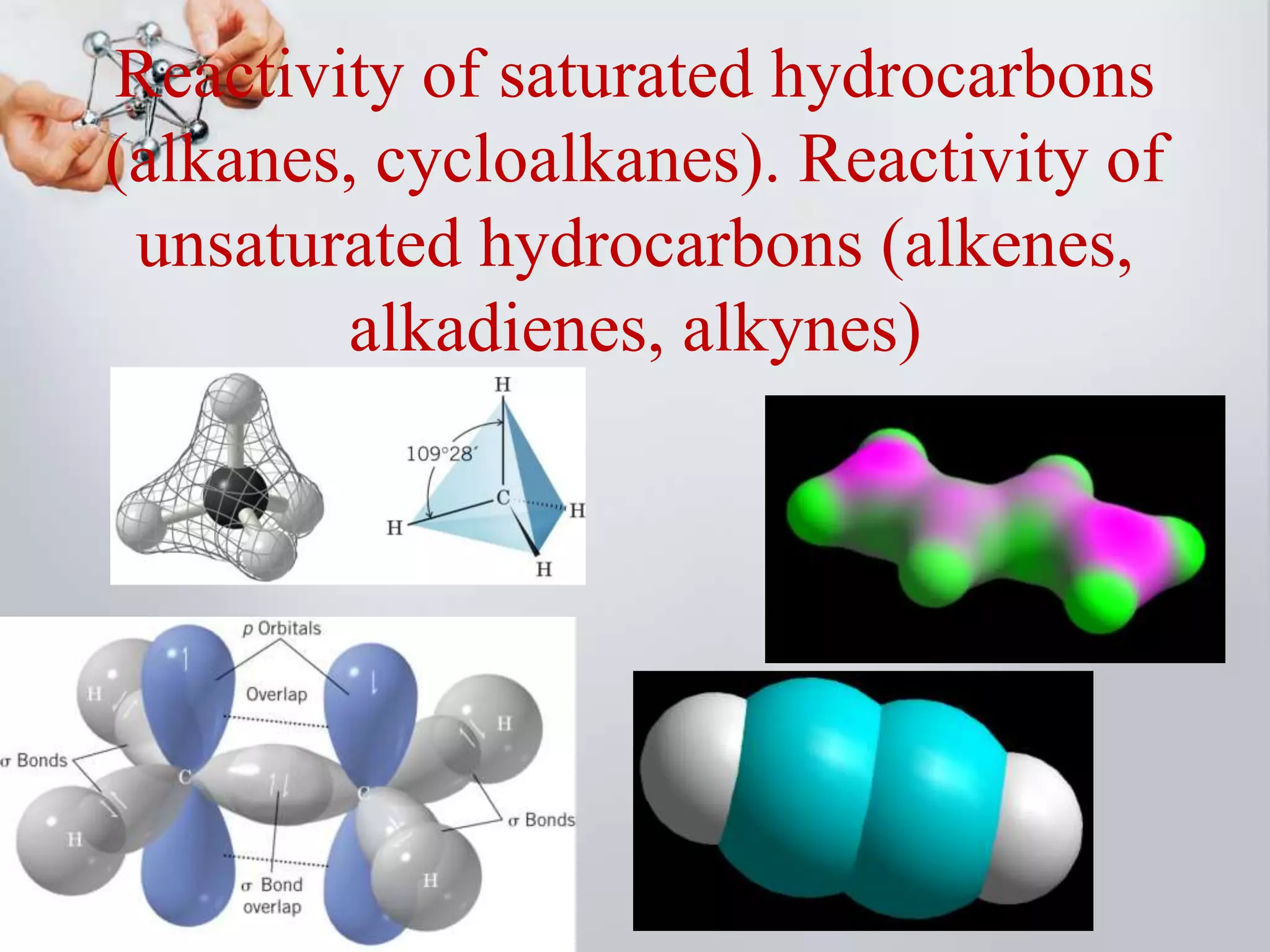
Alkenes, often referred to as olefins in industrial contexts, are unsaturated hydrocarbons characterized by the presence of at least one carbon-carbon double bond ($C=C$). This double bond consists of one strong sigma ($\sigma$) bond and one weaker pi ($\pi$) bond. In the landscape of 2026 chemistry, the electronic environment of this $\pi$ bond is the focal point of innovation.
The $\pi$ cloud, situated above and below the plane of the carbon atoms, represents a region of high electron density. This makes alkenes inherently nucleophilic, meaning they seek out electron-deficient species (electrophiles) to react with. Unlike alkanes, which are relatively inert, the "functional handle" provided by the double bond allows chemists to append various functional groups, build complex carbon skeletons, and create long-range polymers.
Geometric Isomerism and Molecular Rigidity
The presence of the double bond prevents free rotation around the carbon-carbon axis. This rigidity gives rise to geometric isomerism, specifically cis/trans or E/Z configurations. In modern pharmacology and materials science, the ability to control this geometry is critical. For instance, the physical properties of a polymer or the biological activity of a drug molecule often depend entirely on whether the substituents are on the same or opposite sides of the double bond.
The Catalyst Revolution: Transforming Alkene Reactivity
Modern chemistry in 2026 is defined by its ability to manipulate alkenes with unprecedented selectivity. The development of sophisticated transition metal catalysts has moved the field beyond simple addition reactions into the realm of complex molecular architecture.
Olefin Metathesis
Perhaps the most significant advancement in alkene chemistry over the last two decades is olefin metathesis. This reaction involves the redistribution of fragments of alkenes by the scission and regeneration of carbon-carbon double bonds. Using catalysts based on ruthenium (Grubbs-type) or molybdenum (Schrock-type), chemists can "swap" the ends of alkene molecules.
In 2026, metathesis is used extensively in:
- Ring-Closing Metathesis (RCM): Creating large macrocycles for targeted cancer therapies.
- Cross-Metathesis (CM): Coupling distinct alkene chains to create specific lubricant profiles or pheromones for agricultural pest control.
- Ring-Opening Metathesis Polymerization (ROMP): Producing high-performance materials with specialized thermal and mechanical properties.
Asymmetric Hydrogenation and Functionalization
The ability to add atoms across a double bond while controlling the three-dimensional "handedness" (chirality) of the resulting molecule is a cornerstone of modern synthesis. Using chiral ligands bound to metals like rhodium or iridium, chemists can convert prochiral alkenes into enantiopure products. This is essential for the production of modern neurological drugs and cardiovascular medications, where only one mirror image of a molecule is therapeutically active.
Industrial Applications and the Shift to Bio-Based Alkenes
Historically, the majority of the world's ethene and propene—the two simplest and most produced alkenes—came from the steam cracking of petroleum fractions. However, as of 2026, the industry is undergoing a structural shift toward bio-refining and decarbonization.
Polymer Science: Polyethylene and Polypropylene
Ethene and propene are the monomers for polyethylene (PE) and polypropylene (PP), respectively. Modern chemistry has advanced the use of metallocene catalysts, which allow for precise control over the polymer's molecular weight distribution and "tacticity" (the arrangement of side groups).
In 2026, the focus has shifted toward "design for recyclability." By incorporating specific alkene-based "trigger" monomers into the polymer chain, materials can now be engineered to break down back into their constituent monomers under specific chemical conditions, facilitating a truly circular plastic economy.
Comparison of Primary Industrial Alkenes (2026 Data)
| Alkene | Common Name | Primary 2026 Source | Major Industrial Use | Environmental Focus |
|---|---|---|---|---|
| Ethene | Ethylene | Steam Cracking / Bio-ethanol | Polyethylene, Ethylene Oxide | Carbon Capture Integration |
| Propene | Propylene | PDH (Propane Dehydrogenation) | Polypropylene, Acrylonitrile | Catalyst Longevity |
| But-1-ene | 1-Butene | Ethylene Dimerization | LLDPE Co-monomer | High-purity separation |
| Buta-1,3-diene | Butadiene | C4 Fraction Processing | Synthetic Rubber (SBR) | Transition to bio-butadiene |
Sustainability and Green Chemistry in Alkene Production
The chemical industry faces immense pressure to reduce its carbon footprint. Alkenes are at the center of this transition because their production is energy-intensive.
Electrocatalysis and Photocatalysis
In 2026, experimental and pilot-scale plants are increasingly utilizing electrocatalysis to produce alkenes. By using renewable electricity to drive the dehydrogenation of alkanes or the reduction of $CO_2$ into ethene, the industry is decoupling chemical production from fossil fuel combustion. Similarly, photocatalysis—using light energy to activate $C=C$ bonds—is enabling new pathways for "cool" chemistry that occurs at room temperature, drastically reducing the energy requirements of traditional thermal reactors.
Bio-Refining: From Sugars to Olefins
The conversion of biomass (such as agricultural waste or algae) into alkenes is a mature technology in 2026. Microorganisms are engineered to ferment sugars into alcohols, which are then dehydrated to produce "green" ethene or propene. This "drop-in" approach allows existing infrastructure to use sustainable feedstocks without requiring a total overhaul of the manufacturing plants.
Advanced Synthetic Methodologies
Beyond their industrial scale, alkenes are the darlings of total synthesis—the art of building complex natural products from scratch.
- C-H Functionalization: Modern methods now allow chemists to insert functional groups directly into a carbon-hydrogen bond adjacent to a double bond (the allylic position) without destroying the alkene itself. This preserves the double bond for further reactions.
- Hydroformylation: Also known as the "oxo process," this involves the reaction of alkenes with carbon monoxide and hydrogen to produce aldehydes. In 2026, new ligand designs have made this process highly regioselective, ensuring that the aldehyde group is added exactly where it is needed on the carbon chain.
- Epoxidation: The conversion of an alkene into an epoxide (a three-membered oxygen-containing ring) is a vital step in creating epoxy resins and intermediates for complex synthesis. The Sharpless and Jacobsen epoxidations remain foundational, but 2026 sees a move toward using hydrogen peroxide as a "green" oxidant, leaving only water as a byproduct.
The Role of Alkenes in Pharmaceutical Development
The structural versatility of alkenes makes them indispensable in the design of "small molecule" drugs. Many modern antiviral and anticancer agents contain alkene moieties that are crucial for their binding affinity to biological targets.
Furthermore, the Heck Reaction and Suzuki Coupling, which often involve vinylic (alkene-based) groups, allow for the "stitching together" of large, complex fragments. These palladium-catalyzed cross-coupling reactions are refined in 2026 to use lower metal loadings and "earth-abundant" metals like iron or nickel, reducing the cost and environmental impact of drug manufacturing.
Future Outlook: Alkenes in the Late 2020s
As we progress through 2026, the narrative surrounding alkenes is shifting from "petrochemical commodity" to "sustainable platform molecule." The integration of artificial intelligence in catalyst discovery is accelerating the development of reactions that were previously thought impossible, such as the direct functionalization of internal alkenes with total anti-Markovnikov selectivity.
The push for chemical recycling—breaking down waste plastics into alkenes to be used as fresh feedstock—is perhaps the most critical frontier. If successful at scale, alkenes will represent the first truly closed-loop material system in human history.
Frequently Asked Questions
What is the difference between an alkene and an alkane? Alkanes are saturated hydrocarbons containing only single bonds, making them relatively stable and less reactive. Alkenes are unsaturated, containing at least one carbon-carbon double bond ($C=C$). This double bond acts as a site of high reactivity, allowing alkenes to participate in addition reactions and polymerization that alkanes cannot undergo without extreme conditions.
Why are alkenes called "unsaturated"? The term "unsaturated" refers to the fact that the carbon atoms in the double bond are not "saturated" with the maximum possible number of hydrogen atoms. Because of the double bond, an alkene has two fewer hydrogen atoms than a corresponding alkane with the same number of carbons.
How does Markovnikov's rule apply to modern alkene reactions? Markovnikov's rule states that in the addition of a protic acid ($HX$) to an alkene, the acid hydrogen ($H$) attaches to the carbon with fewer alkyl substituents (the "more hydrogens" carbon), and the halide ($X$) group attaches to the carbon with more alkyl substituents. In modern 2026 chemistry, while this rule is a fundamental guideline, chemists use specific catalysts to achieve "anti-Markovnikov" addition, placing the functional group on the less substituted carbon to achieve specific molecular geometries.
Are alkenes environmentally friendly? Alkenes themselves are neutral chemical entities, but their production and disposal (as plastics) have significant environmental impacts. The "modern" approach in 2026 focuses on producing alkenes from renewable biomass and developing chemical recycling methods to ensure that alkene-based products do not end up in landfills or oceans.
What is the significance of the pi bond in an alkene? The pi ($\pi$) bond is formed by the side-by-side overlap of p-orbitals. It is weaker than the sigma bond and holds electrons less tightly. This accessibility of electrons is what allows alkenes to react with electrophiles, making the pi bond the "engine" of alkene chemistry.
Practical Recommendation for Researchers and Industry Professionals
For those working in chemical synthesis or process engineering in 2026, the primary focus should be the adoption of base-metal catalysis. Moving away from precious metals (like platinum and palladium) toward nickel, iron, and cobalt for alkene transformations is not only a cost-saving measure but also a requirement for future sustainability audits. Furthermore, staying updated on flow chemistry techniques—where alkene reactions are performed in a continuous stream rather than a batch—is essential for improving safety and scalability in exothermic reactions like hydrogenations and oxidations.