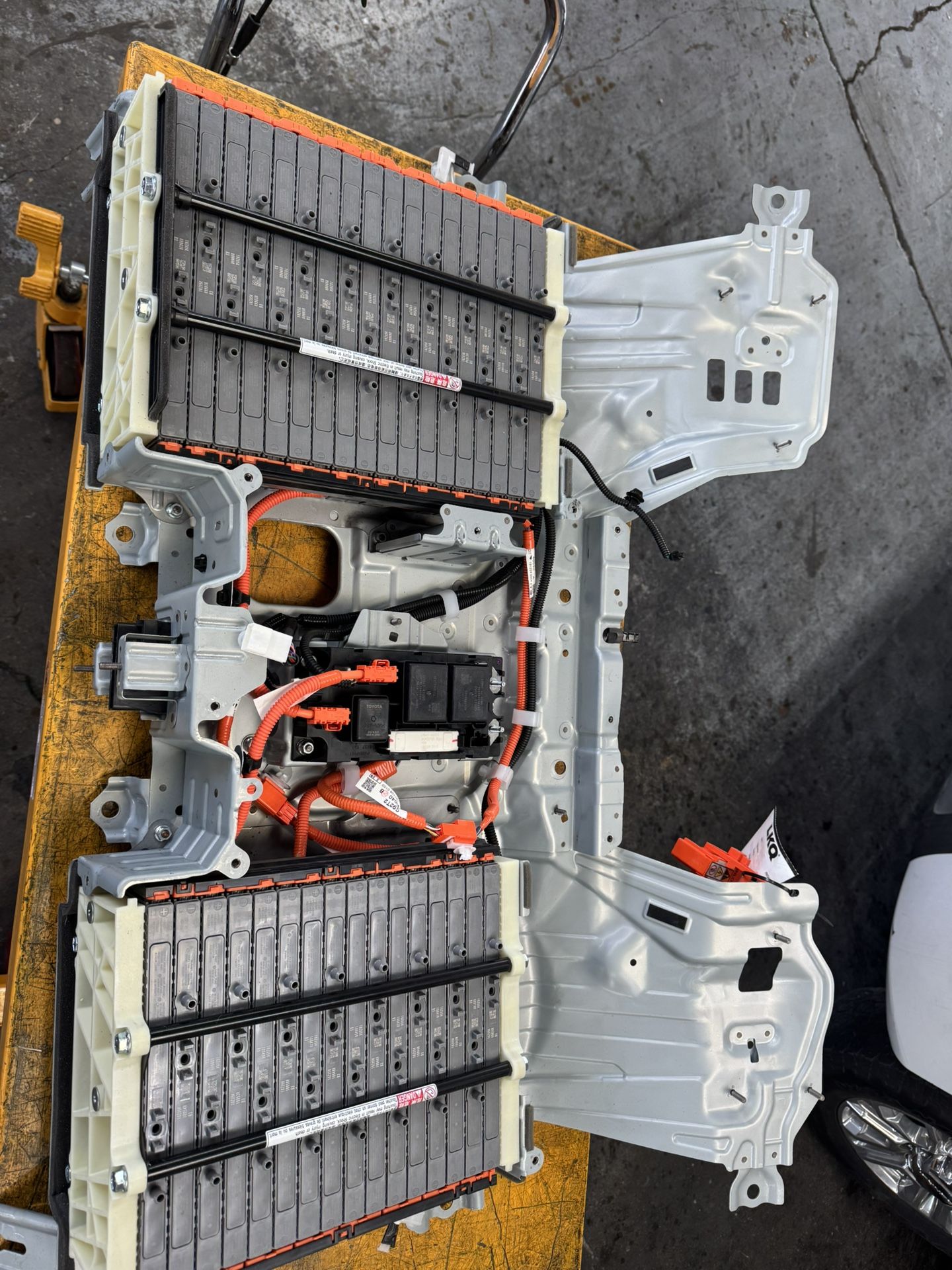
Owning a 2016 Toyota RAV4 Hybrid in 2026 means driving a vehicle that has likely surpassed the decade mark in age or is rapidly approaching it. The primary concern for owners at this stage is the health of the high-voltage Nickel-Metal Hydride (NiMH) traction battery. Replacing a 2016 RAV4 Hybrid battery typically costs between $2,500 and $4,800 including labor, depending on whether you choose a new OEM unit, a third-party aftermarket solution, or a refurbished pack.
As the first model year for the RAV4 Hybrid, the 2016 edition remains a robust vehicle, but the chemical aging of its battery cells is a reality that every owner must eventually face. This guide provides a deep dive into technical specifications, maintenance requirements to extend battery life, and the financial landscape for replacements in today's market.
Understanding the 2016 RAV4 Hybrid Battery System
The 2016 RAV4 Hybrid utilizes two distinct battery systems that serve very different purposes. Misdiagnosing which battery is failing is a common and expensive mistake for owners.
The High-Voltage Traction Battery
The "hybrid battery" most people refer to is the sealed Nickel-Metal Hydride (NiMH) pack. Located beneath the rear seats, this battery consists of 34 modules, each containing six individual 1.2-volt cells. This creates a nominal voltage of 244.8V.
Unlike Lithium-ion batteries found in modern Electric Vehicles (EVs), NiMH chemistry is prized for its thermal stability and longevity. However, it is heavier and has a lower energy density. Its primary role is to store energy recovered through regenerative braking and to provide the necessary torque to the electric motors during acceleration.
The 12V Auxiliary Battery
Even though the vehicle is a hybrid, it still requires a standard 12V lead-acid battery to power the onboard computers, lights, and audio system. Crucially, the 12V battery provides the initial signal to the "Ready" light. If your RAV4 won't start or the electronics are flickering, it is much more likely to be the 12V battery rather than the expensive traction battery.
Battery Lifespan and Warranty Status in 2026
In 2026, the status of your 2016 RAV4 Hybrid’s warranty is a critical factor in your financial planning. Toyota’s original warranty for this model year was generally 8 years or 100,000 miles, whichever came first.
However, for vehicles originally sold in California Air Resources Board (CARB) states (such as California, New York, Massachusetts, and others), the warranty was extended to 10 years or 150,000 miles.
- Standard Warranty: By 2026, virtually all 2016 RAV4 Hybrids under the standard 8-year warranty are now "out of pocket" for battery replacements.
- CARB Warranty: If your vehicle was registered in a CARB state and has under 150,000 miles, you may still be eligible for a free replacement if the battery fails before the 10-year mark is reached in late 2026.
Generally, these NiMH packs are designed to last the life of the vehicle, which Toyota often defines as 150,000 to 200,000 miles. Many owners have successfully reached 250,000 miles on the original pack, but by the ten-year mark, chemical degradation—regardless of mileage—becomes a significant factor.
Signs of a Failing Traction Battery
Recognizing the symptoms of a degrading battery can prevent you from being stranded. The hybrid control system is highly sensitive and will often throw a "Check Hybrid System" warning on the multi-information display long before the car becomes undrivable.
- Drastic Decrease in Fuel Economy: If your MPG drops from the mid-30s to the high-20s without a change in driving habits or weather, the battery may no longer be holding a charge efficiently, forcing the gasoline engine to run more frequently.
- Rapid State of Charge (SoC) Fluctuations: Watch the energy monitor on your dashboard. If the battery icon goes from "full" to "nearly empty" within just a few minutes of driving, the internal resistance of the cells is likely too high.
- The "Ghost" Internal Combustion Engine (ICE): If the gasoline engine kicks in immediately upon starting the car or stays on even when you are stopped at a red light (and the cabin temperature is already regulated), it is often struggling to charge a weak battery.
- Loud Cooling Fan Noise: The traction battery has its own dedicated cooling fan located under the rear passenger seat. If this fan is running at high speed constantly, the battery is overheating due to failing cells or a clogged air intake.
- Diagnostic Trouble Codes (DTCs): Using an OBDII scanner, look for code P0A80 (Replace Hybrid Battery Pack) or P3011 through P3024, which indicate that specific "blocks" of the battery have become weak.
Maintenance: Extending the Life of the Pack
Heat is the primary enemy of the 2016 RAV4 Hybrid battery. Unlike the 12V battery under the hood, the traction battery is air-cooled. Maintenance is often neglected because it isn't listed prominently in standard oil-change schedules.
Cleaning the Battery Air Intake
The air intake for the hybrid battery is located on the side of the rear seat (usually the passenger side). This vent sucks in cabin air to cool the cells. Over time, dust, pet hair, and debris clog the filter and the fan blades.
- The Risk: A clogged filter causes the battery to operate at higher temperatures, which accelerates the breakdown of the electrolyte in the NiMH cells.
- The Solution: Every 20,000 miles, you should inspect the intake. In 2016 models, there is a small mesh filter that can be popped out and cleaned with compressed air or a vacuum. If you have pets that shed, this should be done more frequently.
Avoiding Long Periods of Inactivity
Hybrid batteries thrive on movement. If a 2016 RAV4 Hybrid sits for several weeks or months without being driven, the individual cells can discharge at different rates. This "imbalance" is one of the most common causes of premature battery failure. If you must store the vehicle, try to have someone drive it for at least 30 minutes every two weeks to maintain the charge levels.
Replacement Options and Costs in 2026
If the "Check Hybrid System" light stays on and diagnostics confirm a failed pack, you have three primary paths. The pricing below reflects the 2026 market for labor and parts.
1. New OEM Toyota Battery
Purchasing a brand-new battery from a Toyota dealership is the most expensive but most reliable option.
- Cost: $3,500 – $4,800.
- Pros: 100% new cells, typically comes with a 3-year/36,000-mile warranty, and increases the resale value of the car.
- Cons: High cost; dealerships often charge premium labor rates.
2. Aftermarket New Battery (e.g., Green Bean, Bumblebee)
Several reputable companies manufacture new NiMH packs specifically for the RAV4 Hybrid.
- Cost: $2,800 – $3,500.
- Pros: Often includes "mobile installation" where a technician comes to your home. Many offer "limited lifetime" warranties that are transferable.
- Cons: These are not official Toyota parts, which might matter to some buyers during resale.
3. Remanufactured/Refurbished Battery
These packs are built by taking old batteries, testing the 34 modules, and replacing only the failed ones with used modules that still hold a charge.
- Cost: $1,500 – $2,200.
- Pros: Lowest upfront cost.
- Cons: Highest risk. Since the "good" modules are still old, they often fail shortly after the warranty (typically 12 months) expires. We generally do not recommend this for a 2016 model that you plan to keep for more than a year.
Comparison Table: 2026 Battery Replacement Paths
| Option | Estimated Cost (Installed) | Warranty Expectation | Ideal For |
|---|---|---|---|
| Toyota OEM | $3,800 - $4,800 | 3 Years / 36k Miles | Long-term ownership (5+ years) |
| New Aftermarket | $2,800 - $3,500 | Lifetime (Limited) | Best balance of value and security |
| Refurbished | $1,500 - $2,200 | 12 Months | Short-term fix before selling |
| DIY Cell Swap | $500 - $900 (Parts) | None | Technical experts/Hobbyists only |
The DIY "Cell Swapping" Trap
Some owners attempt to save money by purchasing individual NiMH modules for $40–$60 each on secondary markets and replacing only the dead cells. While this is technically possible, it is rarely a permanent solution.
The hybrid computer monitors the voltage delta (the difference) between blocks. If you put one brand-new or high-capacity module into a pack of 33 old, tired modules, the computer will see the discrepancy and trigger a warning light again. To do this correctly, a "balance charge" must be performed on the entire pack using specialized equipment, which is beyond the reach of most home mechanics. Furthermore, working with a 244.8V system is potentially lethal without high-voltage insulated gloves and proper training.
The Role of the 12V Battery in Hybrid Errors
It is worth reiterating that the 12V battery (located in the trunk/cargo area on the 2016 RAV4 Hybrid) is a frequent source of "false" hybrid system errors. When the 12V battery's voltage drops below about 10.5V, the sensors that monitor the traction battery can provide erratic data.
If you see a "Check Hybrid System" light, always test the 12V battery first. A $200 replacement 12V battery might "fix" a hybrid system that appeared to be failing. In 2026, if your 2016 RAV4 is still on its second 12V battery, it is likely due for a third.
Frequently Asked Questions
1. Can I drive my 2016 RAV4 Hybrid if the traction battery is dead?
Technically, the car may limp for a short distance, but it is not recommended and often not possible. The traction battery is required to start the gasoline engine (via Motor Generator 1) and provides the necessary reverse gear function. If the battery is completely failed, the car will eventually refuse to enter "Ready" mode to protect the high-voltage inverter.
2. Does the 2016 RAV4 Hybrid battery charge while idling?
Yes. If the State of Charge (SoC) drops too low while the car is parked and "on," the gasoline engine will automatically kick in to spin the generator and recharge the battery. However, this is less efficient than charging via regenerative braking during driving.
3. How do I check the health of my battery without going to a dealer?
The most effective way in 2026 is to use a Bluetooth OBDII adapter (like the OBDLink LX) paired with an app like Dr. Prius or Carista. These apps allow you to run a "Life Expectancy Test" which puts a load on the battery and measures how quickly the voltage drops, providing a percentage of remaining life.
4. Is it worth replacing the battery on a 10-year-old RAV4?
In 2026, a 2016 RAV4 Hybrid in good condition still holds significant value due to its reliability and cargo space. If the vehicle is mechanically sound otherwise (engine, transmission, and suspension), spending $3,000 on a battery is much more cost-effective than purchasing a new vehicle, especially since a new battery can easily provide another 8–10 years of service.
5. Why did Toyota use NiMH instead of Lithium in 2016?
In 2016, Toyota prioritized the proven reliability and lower cost of Nickel-Metal Hydride. NiMH batteries can handle thousands of "shallow" charge/discharge cycles and are less sensitive to extreme cold than early Lithium-ion formulations. This is why many 2016 RAV4s are still on the road today with their original packs.
Final Recommendation
For owners of the 2016 RAV4 Hybrid in 2026, the best course of action is proactive monitoring. Use a smartphone app to check your battery's internal resistance once a year. If you plan to keep the car for several more years and the battery fails, avoid the temptation of cheap refurbished packs. Investing in a new aftermarket or OEM battery ensures the vehicle remains a reliable daily driver. Always prioritize cleaning the battery cooling fan filter, as this simple ten-minute task is the single most effective way to prevent a multi-thousand-dollar repair bill.