For most non-pregnant adults with type 2 diabetes, the American Diabetes Association (ADA) generally recommends an A1C target of less than 7% and a pre-meal blood glucose range of 80–130 mg/dL. These goals are individualized based on age, hypoglycemia risk, life expectancy, and existing medical conditions to balance glycemic control with patient safety.
Managing type 2 diabetes effectively requires a clear understanding of the quantitative targets used to monitor blood glucose levels. These targets are not one-size-fits-all; they are sophisticated clinical parameters designed to minimize the risk of microvascular complications—such as retinopathy, nephropathy, and neuropathy—while avoiding the immediate dangers of hypoglycemia (low blood sugar).
The Dual Metrics of Glycemic Control
To assess your blood sugar management, healthcare providers primarily look at two distinct but related metrics: the A1C test and self-monitoring of blood glucose (SMBG).
1. The A1C Test (The Three-Month Average)
The A1C test measures the percentage of your hemoglobin that is glycated (coated in sugar). Because red blood cells live for approximately three months, this test provides a weighted average of your blood sugar levels over the preceding 8 to 12 weeks. It is considered the gold standard for long-term glucose management.
For the majority of adults, an A1C of 7.0% or less is the standard clinical goal. This equates to an estimated average glucose of approximately 154 mg/dL. However, clinicians may recommend a less stringent target (e.g., <8.0%) for patients with a history of severe hypoglycemia, limited life expectancy, advanced microvascular or macrovascular complications, or extensive comorbid conditions. Conversely, more stringent targets (e.g., <6.5%) might be appropriate for younger patients or those with a short duration of diabetes who can achieve these goals without significant hypoglycemia or undue treatment burden.
2. Self-Monitoring of Blood Glucose (SMBG)
While the A1C tells you where you have been, daily blood glucose monitoring tells you where you are right now. The ADA recommends specific, actionable targets for daily testing:
- Pre-meal (Fasting/Before Eating): 80–130 mg/dL.
- Post-meal (1–2 hours after the start of a meal): Less than 180 mg/dL.
These ranges are designed to prevent the physiological strain of sustained hyperglycemia while ensuring your body has enough energy to function without entering a hypoglycemic state.
Individualizing Your Targets
The "target" prescribed by your doctor is a clinical decision based on the principle of therapeutic individualization. In 2026, the medical community emphasizes "precision medicine" in diabetes care. Factors that influence your specific goal include:
- Hypoglycemia Awareness: If you have "hypoglycemia unawareness"—a condition where your body no longer signals the early symptoms of low blood sugar—your doctor will likely set higher, safer blood sugar targets to prevent dangerous, sudden drops.
- Comorbidities: Conditions such as chronic kidney disease, cardiovascular disease, or cognitive impairment change the risk-benefit profile of aggressive blood sugar control. In these cases, the risk of hypoglycemia may outweigh the long-term benefits of maintaining a 7% A1C.
- Diabetes Duration: For those newly diagnosed, intensive control can prevent future complications (a phenomenon often called the "legacy effect"). For those who have lived with the condition for decades, targets are often adjusted to reflect a more conservative approach.
Table: General Blood Sugar Goals for Non-Pregnant Adults
| Measurement Type | Target Range (Standard) | Clinical Context |
|---|---|---|
| A1C | < 7.0% | Long-term average (3 months) |
| Fasting (Pre-meal) | 80–130 mg/dL | Measured before a meal |
| 1–2 Hour Post-prandial | < 180 mg/dL | Measured after eating |
| Bedtime | Varies by regimen | Often 100–140 mg/dL |
Note: These ranges are generalized. Always consult your primary care provider or endocrinologist to determine the specific range that is safe and effective for your unique physiological profile.
Factors Affecting Daily Readings
It is common for blood sugar levels to fluctuate throughout the day based on variables that are sometimes outside of your immediate control. Understanding these factors can help you interpret your numbers accurately:
- The Dawn Phenomenon: Many people experience a surge in blood sugar in the early morning hours (between 4:00 AM and 8:00 AM) due to the body’s release of cortisol and growth hormones. This may cause high fasting blood sugar even if you followed your dietary plan perfectly the night before.
- Stress and Illness: During times of high physical or emotional stress, the body releases catecholamines and cortisol, which signal the liver to release stored glucose into the bloodstream. This can cause significant spikes that require clinical troubleshooting.
- Medication Timing: If you use insulin or sulfonylureas, the timing of your dose relative to your carbohydrate intake is critical. Mismatches in timing are a leading cause of both hyperglycemia (too much sugar) and hypoglycemia (too little sugar).
- Physical Activity: Exercise generally increases insulin sensitivity, allowing your cells to use glucose more effectively. However, intense exercise can sometimes cause a temporary spike in blood sugar, while endurance exercise can cause a drop.
Troubleshooting Persistent Highs and Lows
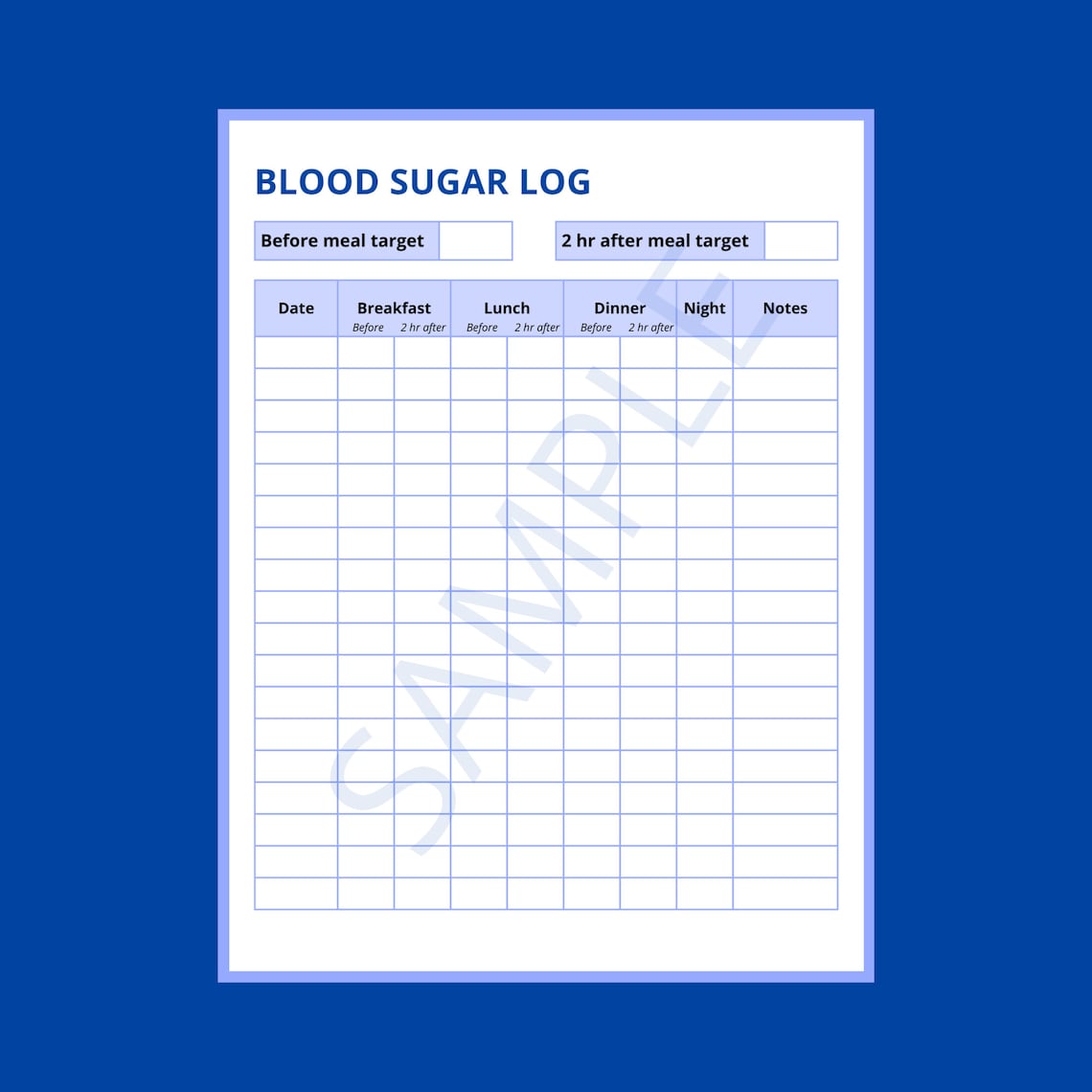
If your readings are consistently outside of your target range, do not attempt to adjust your medication dosages independently. Use your blood glucose log to identify patterns and present this data to your healthcare provider.
- Log Your Data: Keep a record of the time, the reading, what you ate, and any physical activity or stressors. Modern continuous glucose monitors (CGMs) automate this process, providing a detailed "Time in Range" (TIR) report that is invaluable for your doctor.
- Evaluate Trends: Look for consistency. Is your sugar always high at 3:00 PM? This might indicate that your lunch-time carbohydrate count is off or that your medication needs an adjustment.
- Review Carbohydrate Intake: Consistent carbohydrate intake is the cornerstone of blood sugar regulation. Consider working with a Registered Dietitian (RD) to ensure your meal plan aligns with your medication regimen.
- Confirm Meter Accuracy: If you are using a finger-prick glucometer, ensure the strips are not expired and that your meter is calibrated according to the manufacturer’s 2026 guidelines.
Frequently Asked Questions (FAQ)
What is the most important blood sugar reading of the day? There is no single "most important" reading, but the fasting (morning) blood sugar is often used as a baseline to determine if your basal (long-acting) medication is effective. Your doctor will likely weigh this against your A1C, which remains the best indicator of overall control.
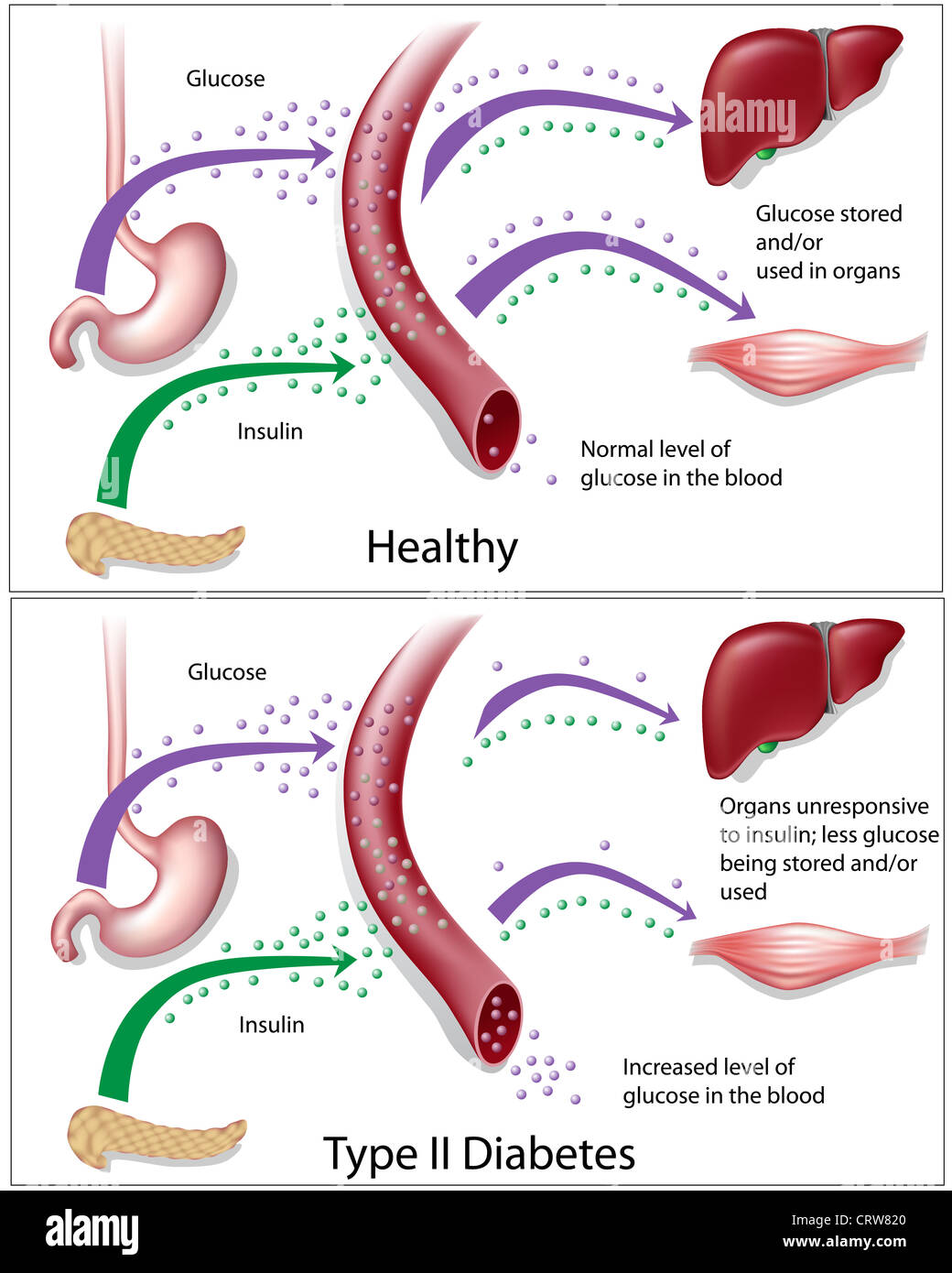
Why does my blood sugar spike after eating even if I eat healthy foods? Even healthy, nutrient-dense foods (like fruit or whole grains) contain carbohydrates that break down into glucose. A post-meal spike indicates that your body’s current insulin supply or sensitivity is struggling to keep up with the glycemic load of that specific meal.
What is "Time in Range" (TIR)? TIR is a measurement used primarily with CGM technology. It shows the percentage of the day your blood glucose stays within your target range (typically 70–180 mg/dL). For many patients, reaching a TIR of 70% or higher is a major goal, as it provides a clearer picture of stability than an A1C alone.
Can my blood sugar goals change over time? Yes. Your healthcare team may adjust your goals as you age, as your kidney function changes, or as your medication regimen is updated. Never assume your targets from five years ago are the same as your targets today.
What should I do if my blood sugar is significantly higher than my target? First, check for ketones if your provider has advised it, especially if you are using insulin. Follow your doctor's "sick day" or "high blood sugar" protocol. Do not skip doses or double up on medication without explicit medical instruction, as this can lead to severe metabolic complications.
Recommendation for Next Steps
To effectively manage your diabetes, schedule a visit with your primary care provider or endocrinologist to document your current personalized blood sugar targets in writing. If you have not reviewed your A1C or medication regimen in the last six months, make this a priority for your next appointment. Bring your glucose logs or CGM reports to the session to facilitate an evidence-based discussion about whether your current strategy is working or if a change in medication, diet, or lifestyle is necessary.
Disclaimer: This article is for informational purposes only and does not constitute medical advice, diagnosis, or treatment. Always seek the advice of your physician or other qualified health provider with any questions you may have regarding a medical condition.