A permanent life insurance policy is a lifelong financial contract where the policy owner pays premiums to maintain a death benefit and accumulate cash value. Unlike term insurance, which expires after a set period, permanent policies remain in force as long as the owner meets the funding requirements, providing both protection and a growing asset.
Permanent life insurance represents one of the most complex financial instruments available to consumers. In 2026, these policies continue to serve as a cornerstone of sophisticated estate planning and long-term wealth preservation. To understand "a permanent life insurance policy where the policy owner pays," one must look beyond the simple act of writing a check and examine the legal rights, the internal mechanics of cash accumulation, and the contractual obligations that bind the owner to the insurance carrier.
The Three Fundamental Roles in a Life Insurance Contract
To grasp how a policy functions when an owner pays premiums, it is essential to distinguish between the three distinct roles involved in any life insurance contract. While one person often fills multiple roles, the legal distinctions are paramount.
- The Policy Owner: This is the individual or entity (such as a trust or a business) that holds the legal rights to the contract. The owner is the only party authorized to make changes to the policy, such as naming beneficiaries, taking out loans against the cash value, or surrendering the policy for its cash value. Most importantly, the owner is the party responsible for paying the premiums.
- The Insured: This is the person whose life the policy covers. The death benefit is triggered upon the passing of the insured. The insured does not necessarily have any rights to the policy or its cash value unless they are also the owner.
- The Beneficiary: This is the person, organization, or trust designated by the owner to receive the death benefit when the insured dies. Beneficiaries generally have no rights to the policy while the insured is alive.
In many standard scenarios, an individual is both the owner and the insured. However, in "third-party ownership" cases—common in business succession or high-net-worth estate planning—a spouse might own a policy on their partner, or a corporation might own a policy on a key executive. Regardless of the arrangement, the insurance company looks to the policy owner for premium fulfillment.
The Mechanics of Premium Payments in Permanent Coverage
When a policy owner pays a premium into a permanent life insurance policy, the money is not simply "spent" like a monthly utility bill. Instead, the payment is unbundled by the insurance company into several components. Understanding this internal flow of funds is critical for any policyholder.
1. The Cost of Insurance (COI)
A portion of every premium payment goes toward the actual cost of providing the death benefit. This is essentially the "term" portion of the permanent policy. As the insured person ages, the statistical risk of death increases, meaning the COI naturally rises over time. In many permanent policies, this rising cost is offset by the growing cash value or by overfunding the policy in the early years.
2. Administrative Fees and Expenses
Insurance companies incur costs for underwriting, premium processing, agent commissions, and general operations. A percentage of the owner’s payment is diverted to cover these "loads" or administrative charges.
3. The Cash Value Account
The remaining portion of the premium—after COI and expenses—is credited to the policy’s cash value account. This account grows over time through interest credits, dividends (in participating policies), or market-based gains (in variable policies). As of 2026, the cash value is considered a private asset of the policy owner, which can be accessed for various financial needs.
Major Types of Permanent Life Insurance Policies
The way an owner pays and the way the policy behaves depends heavily on the specific type of permanent insurance selected.
Whole Life Insurance
Whole life is the most traditional form of permanent coverage. When the owner pays the premium, they are paying a fixed, level amount that will never increase as long as the policy remains in force. The insurance company guarantees a specific death benefit and a guaranteed rate of cash value growth. For "participating" policies, the owner may also receive dividends, which can be used to pay future premiums, increase the death benefit, or be taken as cash.
Universal Life Insurance (UL)
Universal life offers more flexibility than whole life. The policy owner can often adjust the timing and amount of their premium payments within certain limits. As long as the cash value is sufficient to cover the monthly cost of insurance and administrative fees, the policy remains active. If an owner "overpays" into a UL policy, the excess accumulates in the cash value; if they "underpay," the policy draws from the existing cash value to sustain itself.
Variable Life and Variable Universal Life (VUL)
In these policies, the owner pays premiums that are then directed into "sub-accounts" consisting of stocks, bonds, or mutual funds. The cash value growth is not guaranteed and depends on market performance. These policies are subject to federal securities regulations and require the owner to have a higher risk tolerance.
Indexed Universal Life (IUL)
With an IUL, the owner’s premium payments are credited based on the performance of a specific market index (like the S&P 500) but are protected by a "floor" (usually 0%). This prevents the cash value from losing money due to market volatility, though the growth is usually "capped" at a certain percentage.
The Rights of the Policy Owner Regarding Cash Value
One of the primary reasons a policy owner continues to pay into a permanent policy is the accumulation of the cash value. This is not the same as the death benefit; it is a "living benefit" that the owner can utilize during the insured’s lifetime.
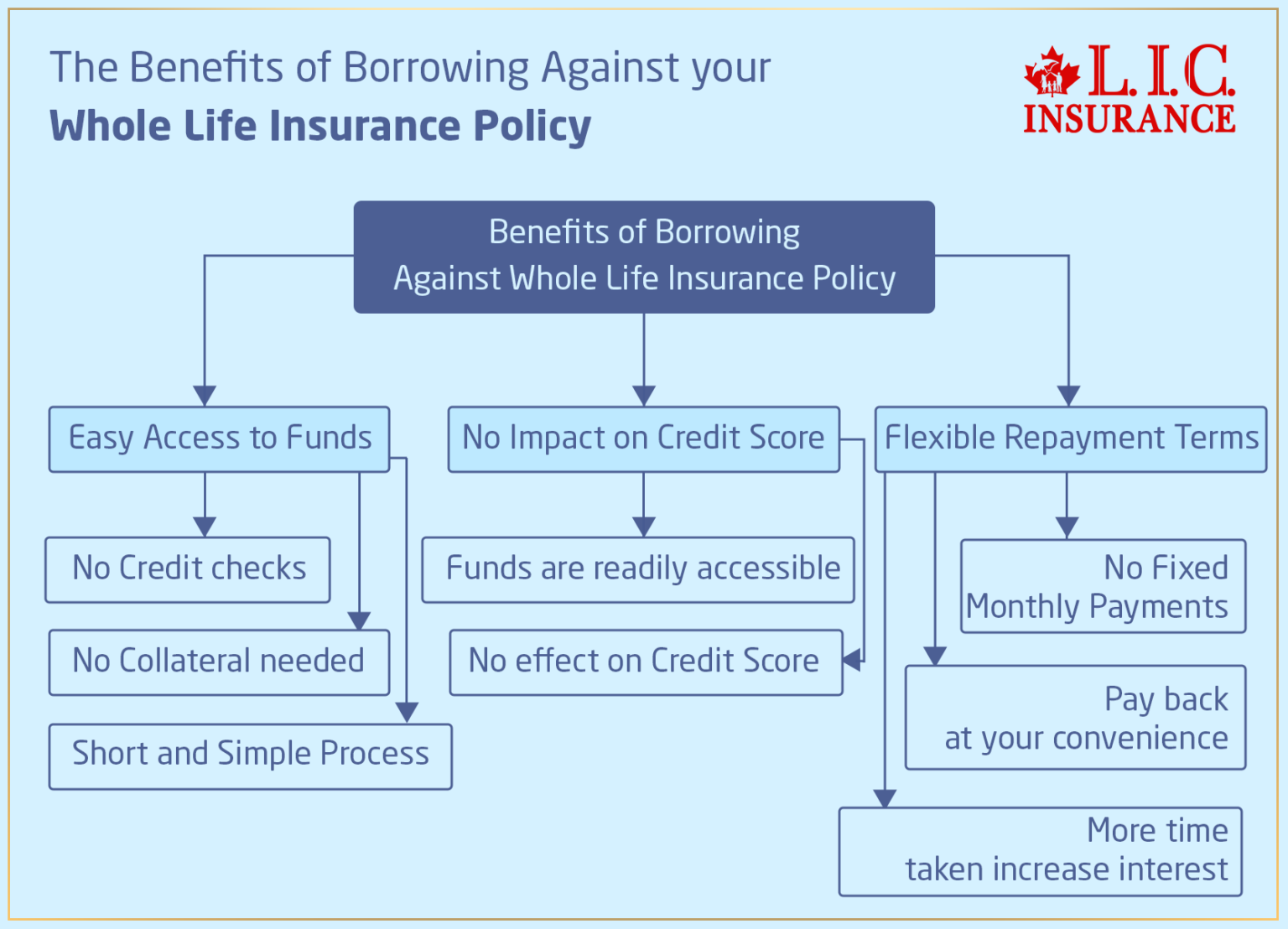
- Policy Loans: The owner can borrow against the cash value. Unlike a bank loan, there is no credit check, and the owner is not technically required to pay it back (though unpaid loans are deducted from the final death benefit and accrue interest).
- Partial Withdrawals: Owners can often withdraw a portion of the cash value. This may reduce the death benefit and could have tax implications if the withdrawal exceeds the "basis" (the total amount of premiums paid).
- Collateral for Other Loans: Because a permanent life insurance policy has a verifiable cash value, many banks in 2026 allow owners to use the policy as collateral for third-party financing.
- Surrender Value: If the owner decides they no longer need the coverage, they can "surrender" the policy and receive the net cash value (the total cash value minus any surrender charges or outstanding loans).
Comparative Overview of Permanent Policy Types
The following table outlines the differences in how owners manage and pay for various permanent insurance structures:
| Policy Type | Premium Structure | Cash Value Growth | Risk Level | Flexibility |
|---|---|---|---|---|
| Whole Life | Fixed/Level | Guaranteed Rate | Low | Limited |
| Universal Life | Flexible | Current Interest Rates | Moderate | High |
| Variable Life | Fixed | Market Performance | High | Limited |
| Variable Universal | Flexible | Market Performance | High | High |
| Indexed Universal | Flexible | Market Index Linked | Moderate | High |
Tax Implications of Permanent Life Insurance
When a policy owner pays premiums into a permanent plan, they are engaging in a tax-advantaged financial strategy. Under current Internal Revenue Service (IRS) guidelines in 2026, the tax benefits remain a primary driver for the "permanent" designation.
- Tax-Deferred Growth: The interest or gains within the cash value account are not taxed as they accumulate. This allows the owner to benefit from compounding interest on money that would otherwise be lost to annual taxation.
- Tax-Free Death Benefit: Generally, the proceeds paid to beneficiaries upon the death of the insured are not subject to federal income tax.
- Tax-Free Access: Through the use of policy loans, owners can often access their cash value without triggering a taxable event, provided the policy remains in force.
However, if a policy is overfunded too quickly, it may be classified as a Modified Endowment Contract (MEC). If a policy becomes a MEC, the tax advantages for "living benefits" (like loans and withdrawals) are significantly reduced, though the death benefit usually remains tax-free.
What Happens if the Owner Stops Paying?
A permanent life insurance policy is a long-term commitment. If the policy owner fails to pay the required premiums, several outcomes may occur based on the "non-forfeiture options" within the contract:
- Grace Period: Most states and insurance companies provide a 30- or 31-day grace period. If the premium is paid during this window, coverage continues without interruption.
- Automatic Premium Loan (APL): If the policy has enough cash value, the insurance company may automatically take a loan against that value to pay the overdue premium, preventing the policy from lapsing.
- Reduced Paid-Up Insurance: The owner can choose to stop all future payments and use the existing cash value to purchase a smaller death benefit that is fully "paid up" for the rest of the insured’s life.
- Extended Term Insurance: The cash value is used to buy a term insurance policy with the same death benefit as the original permanent policy, lasting for as long as the cash value can cover the costs.
- Policy Lapse: If there is no cash value and the owner stops paying, the policy will lapse, and all coverage will cease. This is a significant financial loss, as the "cost" of the policy in the early years often exceeds the protection provided.
Frequently Asked Questions
Can a policy owner change the amount they pay each year?
It depends on the policy type. In a Whole Life policy, the premium is fixed and cannot be changed. In Universal Life or Variable Universal Life policies, the owner has the flexibility to increase or decrease payments, provided they stay within the minimum and maximum limits defined by the contract and tax law.
Does the insurance company keep the cash value when the insured dies?
In most standard permanent policies, the insurance company pays the Face Amount (the death benefit) to the beneficiary and keeps the cash value. However, some policies are structured with an "Option B" or "Increasing" death benefit, where the beneficiary receives both the face amount and the accumulated cash value. These policies typically require higher premium payments from the owner.
Can ownership of the policy be transferred?
Yes. The current policy owner can transfer ownership to another person or a trust through a process called an absolute assignment. Once transferred, the new owner assumes all rights and the responsibility to pay future premiums. This is often done for gift tax planning or as part of a divorce settlement.
Is the premium tax-deductible for the owner?
For individuals, life insurance premiums are generally not tax-deductible. The premiums are paid with after-tax dollars. The "tax break" comes later, through the tax-deferred growth of the cash value and the tax-free nature of the death benefit. In some business cases, such as certain group life or executive bonus plans, the tax treatment may differ.
What is the "surrender charge" period?
Most permanent policies have a surrender charge period that typically lasts 10 to 15 years. If the owner cancels the policy or withdraws significant cash during this time, the insurance company deducts a fee. This fee gradually decreases to zero over time. It is vital for owners to view permanent life insurance as a long-term (20+ year) commitment to avoid these charges.
Final Recommendation for Policy Owners
When managing a permanent life insurance policy where you are the owner and payer, consistency is key. To maximize the value of the contract, owners should perform an annual "policy review" with a qualified financial advisor. This review should confirm that the policy's internal costs (COI) are not outstripping the cash value growth, especially in flexible-premium policies like Universal Life.
If you are considering a new policy in 2026, ensure you understand the "illustration"—the projection of how your payments will build value over 30 or 40 years. Permanent insurance is a powerful tool for those who need lifelong protection and a tax-advantaged savings vehicle, but it requires the owner to remain diligent in their funding obligations to ensure the policy remains "in force" until the very end.