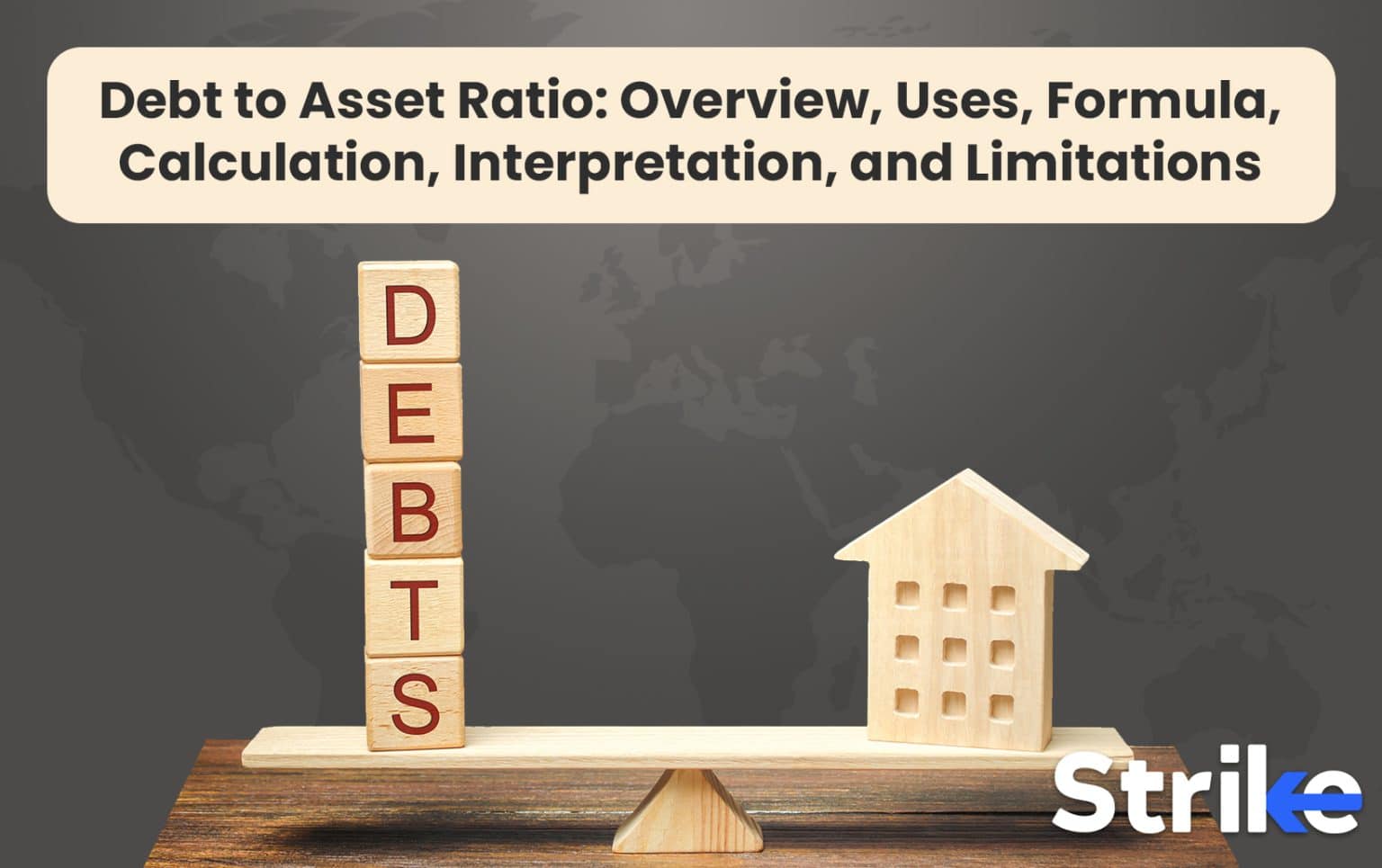
Asset debt represents the complex relationship between what an entity owns and what it owes, serving as the foundational axis of balance sheet analysis, financial leverage evaluation, and creditworthiness determination. Understanding this dynamic requires examining how assets and liabilities interact across diverse economic conditions, the types of instruments used to finance obligations, and the methodologies financial professionals employ to evaluate net financial health.
Defining Asset Debt and Balance Sheet Fundamentals
At the heart of modern financial management lies the balance sheet, a core financial statement that snapshots an entity's financial position at a specific point in time. The fundamental accounting equation states that Assets = Liabilities + Equity (for corporations) or Net Worth = Assets - Debt (for individuals). Asset debt examines how capital items—ranging from real estate and equipment to intangible intellectual property—are funded through various forms of debt financing.
When analyzing asset debt, financial professionals look beyond simple totals to understand the quality, liquidity, and maturity profiles of both sides of the ledger. Assets represent economic resources expected to provide future financial benefits, while debt (liabilities) represents present obligations arising from past events, the settlement of which results in an outflow of economic benefits.
| BALANCE SHEET | |
|---|---|
| ASSETS (Resources owned/controlled) | LIABILITIES (Obligations/Owed debt) |
| - Cash & Equivalents - Accounts Receivable - Inventory - Property, Plant, Equipment - Intangible Assets | - Accounts Payable - Short-Term Debt - Long-Term Loans - Bonds Payable - Deferred Tax Liabilities |
| EQUITY (Net Worth/Residual) |
The Dual Nature of Leverage
Debt is not inherently negative; rather, it is a tool for capital structure optimization. Strategic debt utilization allows businesses to acquire revenue-generating assets without diluting ownership equity. However, excessive asset debt introduces structural vulnerability. If the cash flows generated by the acquired assets decline, the fixed obligations of the debt remain mandatory, potentially triggering insolvency.
Liquidity vs. Solvency in Asset Debt Management
A critical dimension of asset debt analysis is distinguishing between liquidity and solvency:
- Liquidity measures the ability to meet short-term obligations using near-cash assets.
- Solvency measures the long-term structural viability of the entity, ensuring that total assets comfortably exceed total liabilities over multi-year horizons.
Categories of Assets Used as Collateral or Debt Security
Debts are rarely issued in a vacuum; lenders typically require collateral or look to specific asset pools to secure their capital. The nature of the asset directly influences the cost of debt, interest rates, and loan covenants.
Tangible Hard Assets
Tangible assets possess physical substance and straightforward valuation metrics, making them prime candidates for secured lending.
- Real Estate (Commercial and Residential): Mortgages and commercial real estate loans use property as collateral. Lenders evaluate Loan-to-Value (LTV) ratios to mitigate default risks.
- Equipment and Machinery: Asset-backed lending and equipment leasing allow industrial firms to finance heavy machinery, using the equipment itself as the security interest.
- Inventory and Receivables: Working capital lines of credit frequently rely on current assets. Accounts receivable financing (factoring) monetizes unpaid invoices to bridge cash flow gaps.
Intangible Assets and Intellectual Property
In modern knowledge economies, intangible assets—such as patents, trademarks, copyrights, and software licenses—increasingly serve as debt collateral. However, valuing these assets involves significant estimation risk, leading lenders to apply aggressive discounts or haircuts when structuring debt against intellectual property portfolios.
Types and Structures of Debt Instruments
Financial markets offer a diverse spectrum of debt instruments, each tailored to specific asset acquisition strategies, tax considerations, and risk tolerances.
Secured vs. Unsecured Debt
- Secured Debt: Backed by specific collateral. In the event of default, the creditor has a legal claim to seize the pledged asset. Because the risk to the lender is lower, secured debt typically carries lower interest rates.
- Unsecured Debt: Relies solely on the general creditworthiness and reputation of the borrower. Examples include credit cards, debentures, and signature loans. These carry higher interest rates to compensate for the lack of collateral protection.
Short-Term vs. Long-Term Debt
- Short-Term Debt: Maturing within one year, these instruments (such as commercial paper, lines of credit, and trade credit) manage operational cycles and seasonal cash flow fluctuations.
- Long-Term Debt: Maturing beyond one year, these instruments (such as term loans, corporate bonds, and mortgages) finance major capital expenditures, facility expansions, and long-term asset acquisition.
Key Metrics and Ratios for Evaluating Asset Debt
To objectively assess the health of an asset-debt structure, analysts rely on standardized financial ratios. These metrics provide quantitative insights into leverage, coverage capacity, and financial risk.
| Financial Ratio | Formula | Purpose & Interpretation |
|---|---|---|
| Debt-to-Equity (D/E) | Total Liabilities / Total Shareholders' Equity | Measures the proportion of financing supplied by creditors versus shareholders. Higher ratios indicate aggressive leverage. |
| Debt-to-Assets (D/A) | Total Debt / Total Assets | Shows what percentage of total assets are financed through debt rather than equity. A ratio above 1.0 indicates technical insolvency. |
| Interest Coverage Ratio | Operating Income (EBIT) / Interest Expense | Evaluates how easily an entity can pay interest on outstanding debt out of its operating earnings. |
| Current Ratio | Current Assets / Current Liabilities | Assesses short-term liquidity by comparing liquid assets against obligations due within one year. |
Interpreting Leverage Thresholds
While optimal leverage varies significantly by industry—capital-intensive sectors like utilities and telecommunications naturally support higher debt-to-asset ratios than technology or service sectors—extreme deviations from industry norms signal operational stress.
Strategic Advantages and Risks of Utilizing Asset Debt
Leveraging assets through debt carries distinct strategic tradeoffs that require careful governance by corporate treasurers and financial advisors.
Benefits of Prudent Debt Utilization
- Tax Shield Benefits: In many jurisdictions, interest payments on debt are tax-deductible, effectively lowering the net cost of borrowing compared to equity financing.
- Return on Equity (ROE) Amplification: By using borrowed capital to fund profitable projects, entities can magnify returns to equity holders without increasing their personal capital contribution.
- Preservation of Control: Unlike issuing new equity shares, taking on debt does not dilute ownership or voting rights within an organization.
Inherent Risks and Downside Scenarios
- Fixed Obligation Pressure: Economic downturns reduce revenues, but debt service obligations remain fixed, creating severe cash flow compression.
- Refinancing Risk: When long-term debt matures or short-term notes roll over, prevailing interest rates may be significantly higher, escalating borrowing costs.
- Covenant Breaches: Lenders impose restrictive financial covenants. Failing to maintain required liquidity or leverage thresholds can trigger immediate loan acceleration and default proceedings.
Professional Guidance and Risk Mitigation
Navigating asset debt structures requires professional expertise, particularly when managing complex corporate leverage, restructuring distressed debt, or coordinating personal estate and asset protection strategies. Financial advisors, certified public accountants (CPAs), and commercial restructuring specialists provide essential oversight.
Note: The management of asset debt involves complex legal, tax, and financial implications. Readers should consult with qualified financial, legal, or tax professionals before making major borrowing or capital restructuring decisions, as regulatory frameworks and tax codes vary significantly by jurisdiction.
Frequently Asked Questions
What is the primary difference between an asset and a liability in financial reporting?
An asset is a resource controlled by an entity that holds quantifiable future economic value. A liability is a present obligation resulting from past transactions that requires a future transfer of economic benefits. Together, they form opposite sides of the standard balance sheet equation.
Why do companies take on debt to buy assets instead of using cash?
Using debt allows companies to preserve cash reserves for operational liquidity and unexpected contingencies. Furthermore, if the return generated by the acquired asset exceeds the after-tax cost of the debt, the company achieves positive financial leverage, enhancing overall shareholder value.
What happens to asset debt during corporate bankruptcy proceedings?
During bankruptcy, the claims of secured creditors holding specific asset collateral take legal priority over unsecured creditors. Secured creditors may seize or liquidate their pledged collateral to satisfy outstanding balances, while remaining unsecured claims are addressed according to statutory priority rules.
How does inflation impact existing asset debt?
Inflation generally benefits borrowers holding fixed-rate debt. As general price levels rise, the real value of the fixed monetary obligation decreases over time, while the underlying hard assets (such as real estate or equipment) often appreciate in nominal value, protecting or expanding net worth.
What constitutes a healthy Debt-to-Equity ratio?
A healthy Debt-to-Equity ratio depends heavily on the specific industry. Capital-intensive industries comfortably operate with ratios between 2.0 and 3.0, whereas technology or consulting firms often maintain ratios below 0.5. Generally, a ratio below 1.0 indicates that a business relies more on equity than debt for financing.
Conclusion
Asset debt is a foundational pillar of financial architecture, balancing the resources an entity controls against the obligations incurred to acquire them. By understanding the interplay between asset quality, debt instruments, and key financial ratios, stakeholders can evaluate risk, optimize capital structures, and foster long-term financial resilience.