Anti-smoking advertisements serve as a powerful regulatory and psychological tool that disrupts the traditional tobacco market. By reducing consumer demand, shifting social norms, and forcing tobacco companies to pivot toward reduced-risk products, these campaigns significantly alter the economic landscape, influence stock valuations, and drive long-term healthcare cost savings across global markets.
The Psychological Mechanics of Anti-Smoking Advertisements
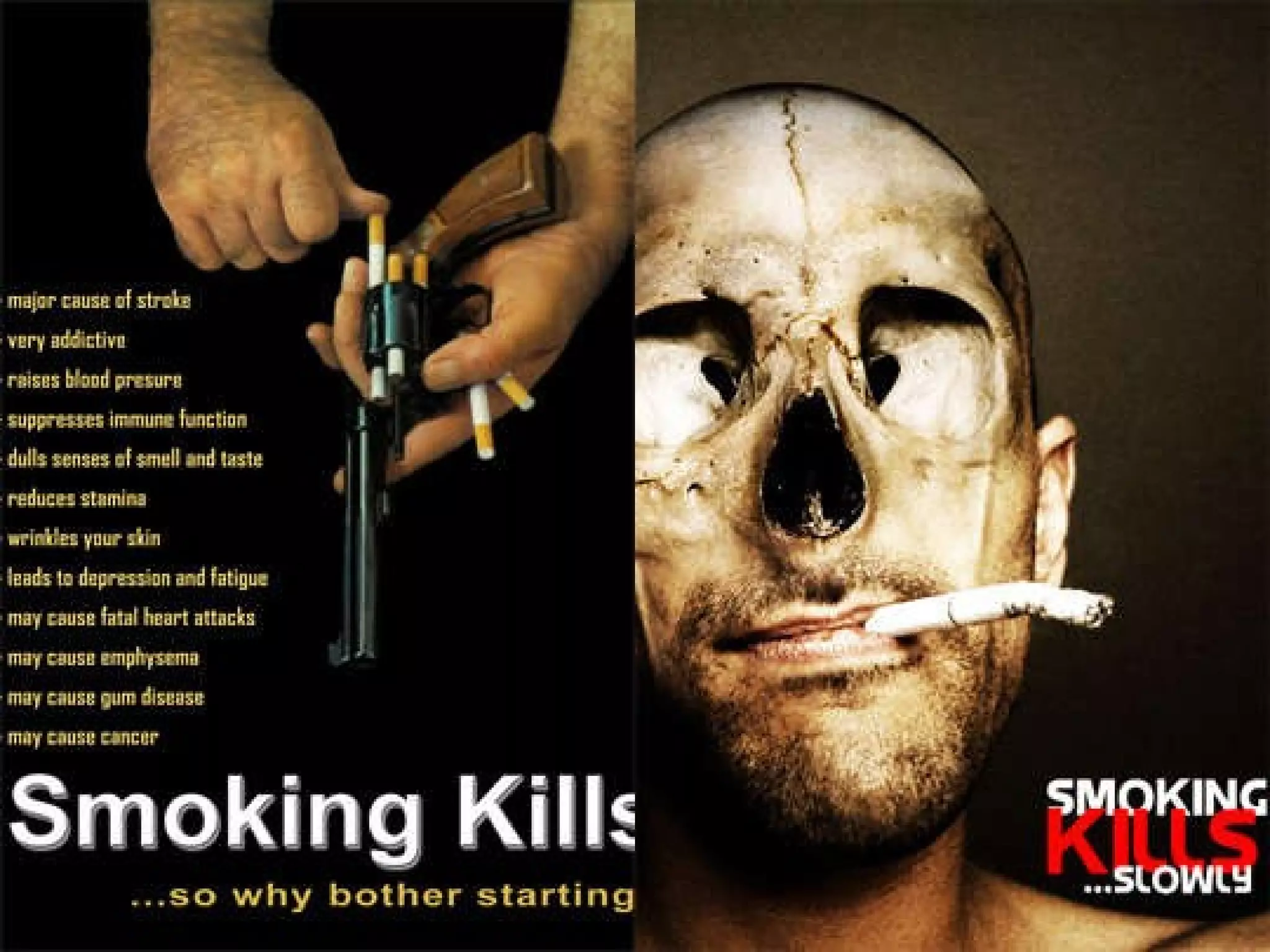
As we assess the landscape in 2026, anti-smoking advertisements have evolved from simple "just say no" slogans into sophisticated, data-driven psychological interventions. These campaigns generally fall into two categories: fear-based appeals and empowerment-based messaging. Fear-based appeals, such as the CDC’s "Tips From Former Smokers" campaign, utilize visceral imagery and personal testimonials to highlight the catastrophic health consequences of long-term tobacco use. These ads create a sense of "cognitive dissonance" in current smokers, forcing them to reconcile their behavior with the visible evidence of harm.
Empowerment messaging, often seen in campaigns by the Truth Initiative, focuses on the manipulative tactics of the tobacco industry. By framing smoking as a loss of autonomy to a predatory corporation, these ads appeal particularly to younger demographics who value social justice and independence. In terms of market dynamics, these psychological triggers are designed to reduce the "brand loyalty" that historically protected tobacco companies from traditional market fluctuations.
By 2026, the integration of biometric feedback and algorithmic targeting has allowed these advertisements to reach individuals at their most "vulnerable" moments—such as when they are near retail locations that sell tobacco. This hyper-targeting increases the efficacy of the ads, leading to higher quit-attempt rates and a subsequent contraction in the total addressable market for combustible cigarettes.
Impact on Market Demand and Price Elasticity
Tobacco has traditionally been viewed by economists as a "price inelastic" good, meaning that even as prices rise through taxes, demand remains relatively stable due to the addictive nature of nicotine. However, anti-smoking advertisements have fundamentally changed this dynamic. By providing a constant "nudge" toward cessation, these campaigns increase the price elasticity of tobacco.
When consumers are consistently exposed to the health risks and social stigmas associated with smoking, they become more sensitive to price hikes. A five-dollar increase in the price of a pack of cigarettes is more likely to trigger a quit attempt if the consumer has recently viewed an advertisement detailing the risks of COPD or lung cancer. This synergy between fiscal policy (taxation) and public health messaging (advertising) creates a pincer movement that accelerates market decline.
In 2026, market data shows that in jurisdictions with high spends on anti-smoking media, the decline in combustible cigarette volume is nearly double that of regions with similar tax rates but minimal public health advertising. This demonstrates that advertisements are not just "background noise" but are essential components of the market's downward trajectory for traditional tobacco products.
Tobacco Industry Counter-Strategies and Product Diversification
The effectiveness of anti-smoking advertisements has forced a radical transformation within "Big Tobacco." Companies like Philip Morris International (PMI) and Altria have transitioned from being purveyors of combustibles to "nicotine technology" firms. This shift is a direct response to the shrinking market for traditional cigarettes, a shrinkage largely fueled by decades of aggressive anti-smoking advocacy.
The market dynamics here are fascinating: while government-funded ads discourage smoking, the industry has launched its own campaigns—such as "Unsmoke"—which encourage smokers to switch to heated tobacco products (HTP) or electronic nicotine delivery systems (ENDS). This creates a complex "dual-market" dynamic. On one hand, public health ads aim for total abstinence; on the other, industry ads aim for "harm reduction" to preserve their customer base.
By 2026, the tobacco industry's R&D budgets have shifted almost entirely toward reduced-risk products (RRPs). The market dynamics are no longer about brand wars between Marlboro and Camel; they are about technological ecosystems. The success of anti-smoking ads in demonizing "smoke" has been so thorough that the industry has been forced to abandon the concept of combustion entirely in its long-term growth forecasts.
Economic Consequences: Taxation, Healthcare, and ESG
The interaction between anti-smoking ads and market dynamics extends to the macro-economic level. Governments face a "taxation paradox." As anti-smoking advertisements successfully reduce the number of smokers, tax revenues from tobacco sales inevitably decline. In 2026, many nations are grappling with the need to replace this revenue, often through higher levies on vaping products or broader "sin taxes."
However, the long-term economic gains from these advertisements far outweigh the loss in tax revenue. The reduction in smoking-related illnesses leads to:
- Lower public healthcare expenditures on chronic diseases.
- Increased labor productivity due to fewer sick days and disability claims.
- Extended life expectancy, which contributes to longer participation in the workforce.
From an investment perspective, anti-smoking sentiment has pushed tobacco companies into the crosshairs of ESG (Environmental, Social, and Governance) criteria. Institutional investors and pension funds in 2026 increasingly divest from companies that primarily profit from combustible tobacco. This limits the ability of these companies to raise capital at low costs, further impacting their market dynamics and forcing them to accelerate their transition to "cleaner" nicotine products.
The Role of Plain Packaging as Visual Anti-Advertising
While traditional commercials are the most visible form of anti-smoking effort, "plain packaging" laws represent a structural shift in market dynamics. By 2026, dozens of countries have mandated that cigarette packs be stripped of all branding, logos, and colors, replaced instead by a standardized muddy brown or olive green and large graphic health warnings.
This acts as a form of "passive anti-advertising" that exists at the point of consumption. It destroys "brand equity"—the value built into a name like "Marlboro" or "Lucky Strike." Without the ability to use packaging as a marketing tool, tobacco companies are unable to differentiate their products based on lifestyle or status. This commoditizes the market, where the only remaining differentiator is price. In a commoditized market with high taxes and low social approval, the profit margins for manufacturers begin to erode, fundamentally altering the stock market's valuation of these firms.
Comparative Analysis of Anti-Smoking Interventions
To understand the specific market impact of various strategies, it is helpful to compare their reach, cost-effectiveness, and influence on consumer behavior as of 2026.
| Intervention Type | Primary Mechanism | Market Impact | Typical Reach | Long-term Efficacy |
|---|---|---|---|---|
| Graphic TV Ads | Fear/Empathy | High reduction in new-user uptake | Massive (Broad) | High (Visual Memory) |
| Digital/Social Targeting | Direct Action/Cessation | High conversion to quit-line services | Hyper-targeted | Moderate (Frequency dependent) |
| Plain Packaging | Brand Devaluation | Eradicates "premium" brand pricing | Point of Sale | Permanent (Structural) |
| In-School Education | Prevention | Prevents future market entry | Youth Demographic | High (Prevents initiation) |
| Industry "Switch" Ads | Harm Reduction | Shifts market from combustible to RRP | Existing Smokers | Variable (Product dependent) |
The Global Regulatory Landscape in 2026
The World Health Organization’s Framework Convention on Tobacco Control (WHO FCTC) continues to be the North Star for global anti-smoking advertising standards. In 2026, we see a "harmonization" of advertising bans across borders. This prevents the "leakage" of tobacco marketing through international sporting events or cross-border digital media.
In the United States, the FDA's Center for Tobacco Products (CTP) has utilized its "The Real Cost" campaign to adapt to the digital age. By 2026, these campaigns have successfully integrated into gaming platforms and the metaverse, ensuring that anti-smoking messaging remains relevant to Gen Z and Gen Alpha. These regulatory actions ensure that the tobacco market cannot find "refuge" in unregulated digital spaces, maintaining a consistent downward pressure on demand.
The market dynamics are also influenced by the "End Game" strategies adopted by countries like New Zealand and certain Nordic states. These policies aim for a "smoke-free" generation, essentially legislating the combustible tobacco market out of existence over time. In these markets, anti-smoking advertisements have shifted from encouraging individual cessation to building public support for total prohibition of combustible sales.
Common Challenges and Obstacles in 2026
Despite the success of these advertisements, several challenges remain that complicate market dynamics:
- Ad Fatigue: Consumers may become desensitized to graphic imagery over time, requiring creative shifts in messaging.
- Illicit Trade: As ads and taxes drive down the legal market, "dark markets" and smuggling can emerge, bypassing the public health messaging entirely.
- Vaping Ambiguity: Public health messaging is currently divided on whether to treat e-cigarettes as a cessation tool or as a new threat, leading to consumer confusion.
- Misinformation: The rise of deepfakes and AI-generated content can be used by bad actors to undermine the credibility of health authorities.
Addressing these challenges requires a multifaceted approach that combines traditional media with robust law enforcement to prevent the growth of unregulated tobacco markets.
FAQs: Anti-Smoking Advertisements and Market Dynamics
How do anti-smoking ads affect the stock prices of tobacco companies?
Anti-smoking ads contribute to a "de-rating" of tobacco stocks. When a major campaign is launched or a new plain-packaging law is passed, it signals to the market that future volumes will decline. This leads to a lower Price-to-Earnings (P/E) ratio as investors demand a higher "risk premium" for holding stocks in a sunset industry. However, companies that successfully pivot to RRPs may see their stock prices stabilize or grow based on their "tech" potential rather than their tobacco legacy.
Do these advertisements actually work for long-term smokers?
Yes, but the mechanism is often cumulative rather than instantaneous. For long-term smokers, a single ad rarely triggers immediate cessation. Instead, constant exposure to anti-smoking messaging lowers the "barrier to quitting" by repeatedly challenging the smoker’s rationalizations. Data from 2026 suggests that most successful quitters were exposed to at least 20 anti-smoking "touchpoints" in the year leading up to their final quit date.
Is the tobacco industry allowed to advertise its own anti-smoking messages?
In many jurisdictions, yes, but these are often viewed with skepticism by regulators. Industry-funded "cessation" ads often focus on switching to their own non-combustible products rather than quitting nicotine entirely. Regulators in 2026 closely monitor these ads to ensure they do not serve as a "gateway" for non-smokers to start using nicotine products under the guise of health.
Why are anti-smoking ads becoming more graphic and visceral?
The shift toward more graphic content is a response to "optimism bias," a psychological phenomenon where individuals believe they are less at risk of negative events than others. By showing the specific, unvarnished reality of tracheostomies, tooth loss, or gangrene, advertisements break through the "it won't happen to me" defense mechanism. In 2026, this visceral approach remains the most effective way to stimulate an emotional response that leads to behavioral change.
What is the most effective medium for anti-smoking ads in 2026?
While television still reaches older demographics, short-form video content on platforms like TikTok and YouTube has become the most effective medium for reaching younger audiences. These ads are often "peer-led," featuring influencers or everyday individuals sharing their quit journeys, which provides a level of authenticity that traditional corporate or government ads often lack.
Final Recommendations for Stakeholders
For public health officials, the priority in 2026 should be the diversification of messaging platforms. Relying on traditional media is no longer sufficient; anti-smoking narratives must be integrated into the digital fabric of daily life, including social media and gaming environments.
For investors, the focus should be on analyzing the "transition ratio" of tobacco companies. The market dynamics favor firms that can successfully convert their combustible cigarette revenue into reduced-risk product revenue. Companies that remain tethered to traditional smoking are increasingly high-risk assets due to the relentless pressure of global anti-smoking advertisements and regulations.
Finally, for the general public, it is essential to recognize that anti-smoking advertisements are a form of counter-marketing. They exist to balance the decades of sophisticated psychological profiling used by the tobacco industry. Utilizing the resources provided in these ads—such as quit-lines and cessation apps—remains the most effective way to navigate the changing nicotine landscape.