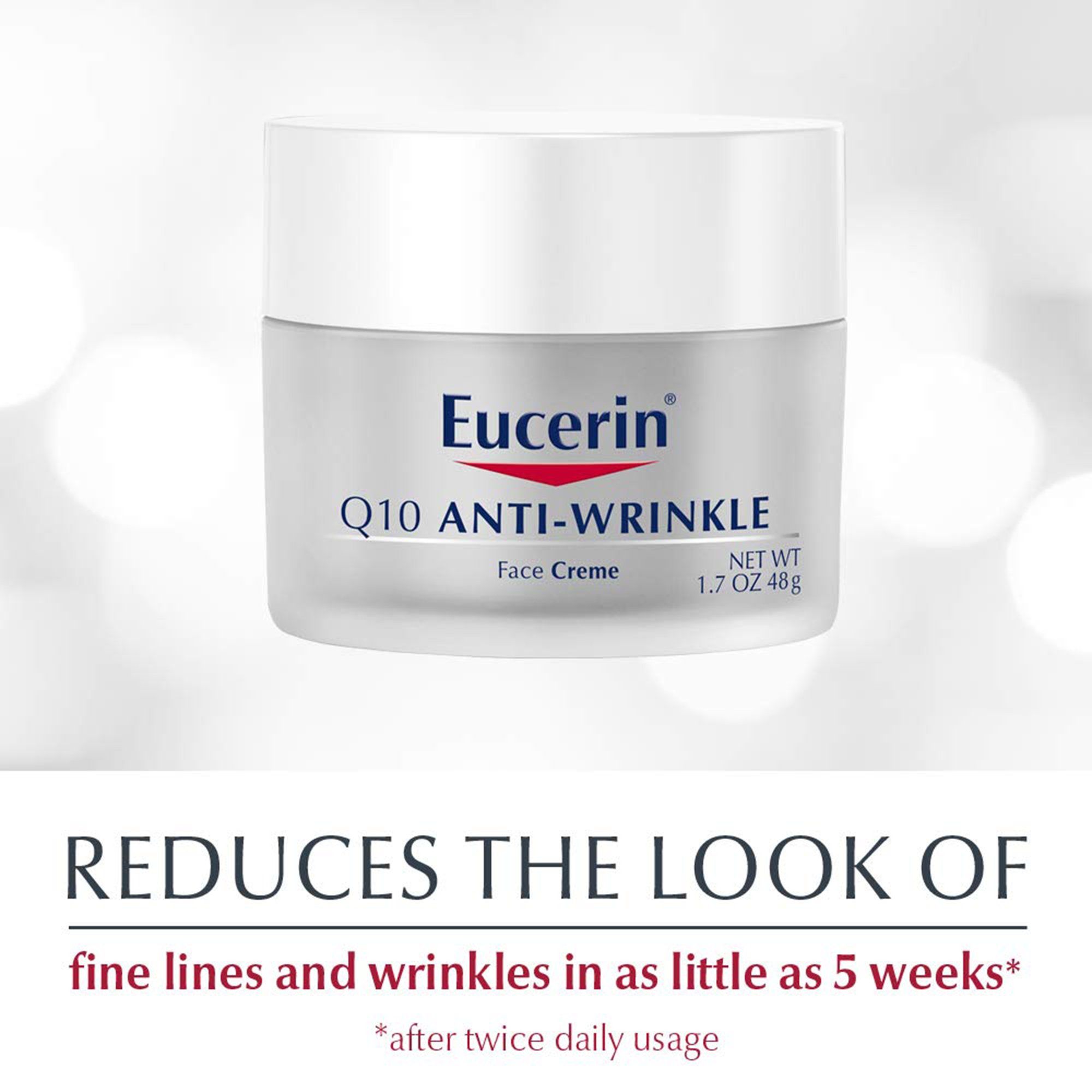
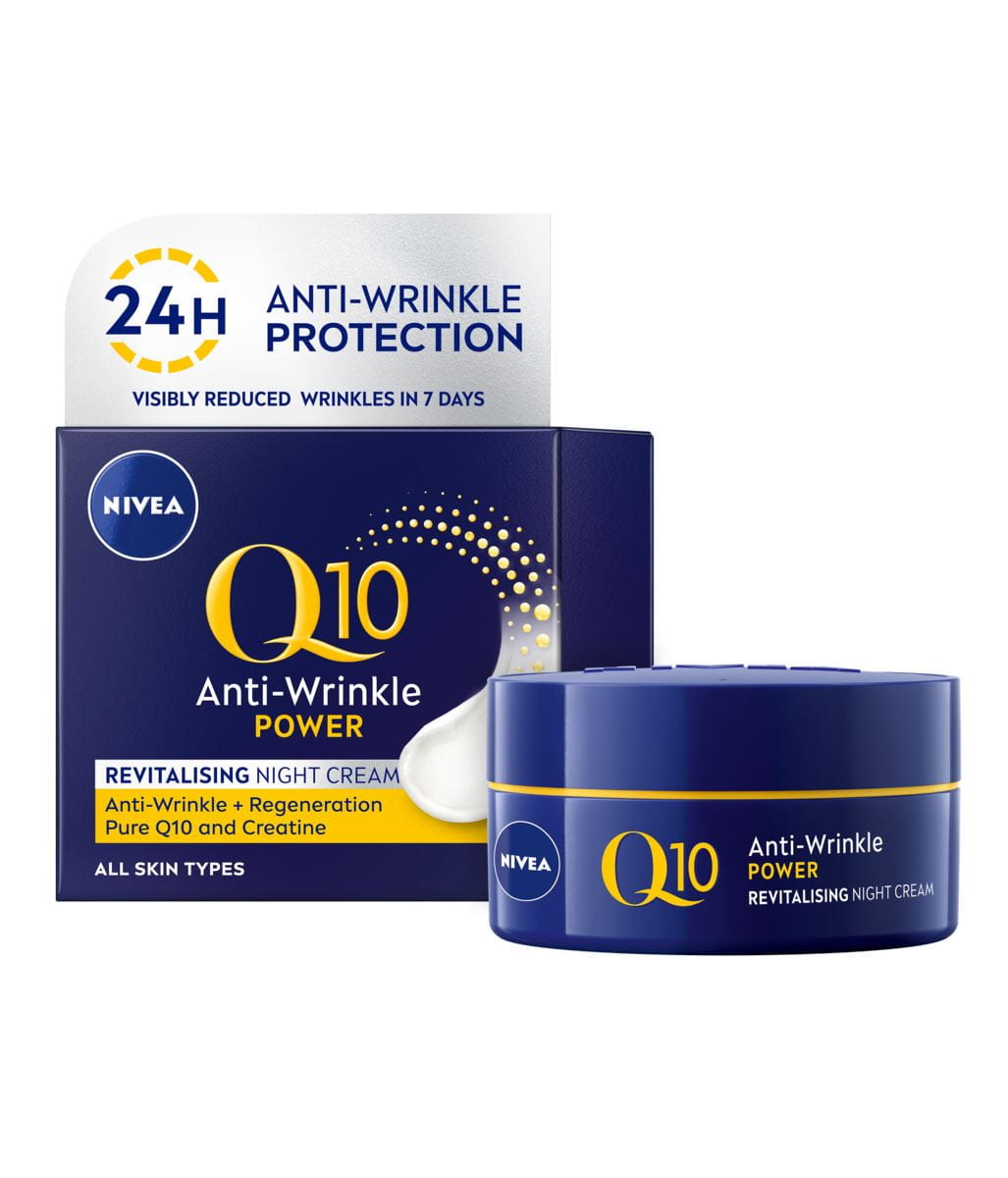
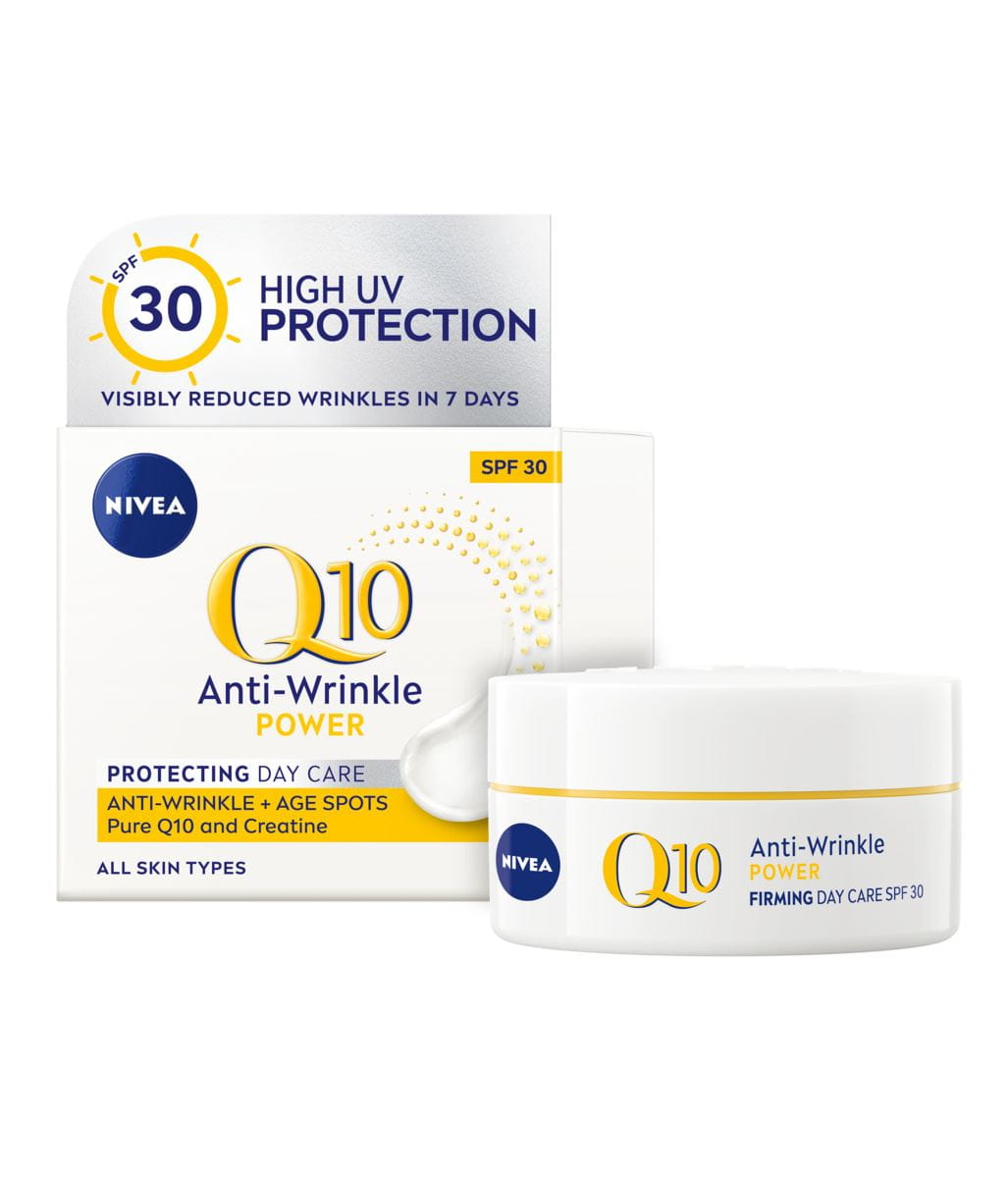
Independent clinical trials and consumer advocacy tests consistently reveal that while many anti-wrinkle creams provide measurable hydration and temporary skin-smoothing effects, few deliver the dramatic, long-term structural changes promised by aggressive marketing. Results vary significantly based on active ingredient concentrations, formulation stability, and the specific biological profile of the user’s skin.
The Reality of Anti-Aging Skincare Efficacy
As of 2026, the global skincare market is saturated with products claiming to "reverse time" or "erase deep-set wrinkles." However, rigorous independent testing—ranging from dermatological profilometry to double-blind consumer trials—shows a persistent disconnect between advertising claims and clinical outcomes. The phrase "mixed results" characterizes this industry because the delta between the best-performing and worst-performing products is immense, often regardless of the price point.
The primary reason for these mixed results lies in the classification of these products. In most jurisdictions, including the United States and the European Union, anti-wrinkle creams are categorized as cosmetics rather than drugs. Cosmetics are legally defined as products intended to be applied to the human body for cleansing, beautifying, or altering the appearance without affecting the body's structure or functions. Because "anti-aging" is often framed as an appearance-based claim, manufacturers are not required to provide the same level of rigorous clinical proof mandated for pharmaceutical-grade treatments like Tretinoin.
Furthermore, independent tests often utilize objective measurement tools, such as digital skin imaging and micro-topography, which detect changes invisible to the naked eye. While a lab might find a 10% reduction in wrinkle depth—a statistically significant result—the consumer may perceive this as a "mixed" or even "failed" result because the change is not visually transformative in their bathroom mirror.
Analyzing the Disconnect: Why Lab Tests and Consumer Experiences Vary
When a major consumer advocacy group or an independent lab publishes test results for anti-wrinkle creams, the findings often shock the public. It is common for a $15 drugstore cream to outperform a $400 luxury serum. This discrepancy occurs because "luxury" in skincare often refers to the sensory experience—the scent, the texture of the glass jar, and the prestige of the brand—rather than the biological potency of the formula.
Subjective vs. Objective Measurement
In many manufacturer-funded studies, "efficacy" is based on self-assessment surveys. Participants are asked if they "feel" their skin is firmer or "notice" a glow. These are subjective metrics prone to the placebo effect. Conversely, independent tests prioritize objective biometrics. They measure:
- Transepidermal Water Loss (TEWL): How well the cream prevents moisture from evaporating.
- Elasticity (Cutometry): The skin's ability to "snap back" after being suctioned.
- Profilometry: Using silicone molds or high-resolution 3D imaging to map the exact depth and width of wrinkles.
When these two worlds collide, the results are mixed. A product may excel at hydration (making the skin look "plumper" and hiding fine lines temporarily) but fail entirely at stimulating collagen production (which is required for actual wrinkle reduction).
Key Ingredients with Proven and Unproven Benefits
To understand why tests yield mixed results, one must look at the "actives." By 2026, the industry has narrowed down a handful of ingredients with genuine evidence, yet their execution in commercial formulas remains inconsistent.
Retinoids: The Gold Standard
Retinoids (including Retinol, Retinaldehyde, and Granactive Retinoid) remain the most effective over-the-counter ingredients. They work by increasing cell turnover and stimulating collagen synthesis. However, mixed results occur because retinoids are highly unstable; they degrade when exposed to light and air. If a cream is packaged in a clear jar rather than an opaque pump, the "active" ingredient may be inert by the time it reaches the consumer's face.
Vitamin C (L-Ascorbic Acid)
Vitamin C is a potent antioxidant that can brighten skin and assist in collagen production. However, it requires a very specific, acidic pH (usually below 3.5) to penetrate the skin barrier. Many commercial creams use Vitamin C derivatives that are more stable but lack the clinical evidence of pure L-Ascorbic Acid. Tests often show these derivatives provide antioxidant protection but do little for deep wrinkles, leading to inconsistent rankings.
Peptides and Growth Factors
Peptides are short chains of amino acids that act as signaling molecules. While the theory is sound—telling the skin to produce more protein—the molecular weight of many peptides is too large to penetrate the stratum corneum (the outermost layer of skin). Consequently, a cream containing "sh-Oligopeptide-1" might show brilliant results in a petri dish but produce mixed results on actual human skin where penetration is the bottleneck.
Hyaluronic Acid: The Plumping Illusion
Hyaluronic acid is a humectant that can hold 1,000 times its weight in water. Most "instant result" creams rely heavily on this. While it effectively "fills" fine lines by pulling moisture into the upper layers of the skin, the effect is temporary and does not address the underlying causes of aging. Tests that measure long-term improvement often find that these creams lose their efficacy the moment the user stops applying them.
Comparison Table: Ingredient Efficacy and Evidence Levels
The following table summarizes the findings of various independent dermatological assessments regarding common "anti-wrinkle" ingredients as of 2026.
| Ingredient | Primary Function | Level of Evidence | Common Testing Issue |
|---|---|---|---|
| Retinol | Cell turnover & Collagen | High | Degrades quickly in poor packaging. |
| Niacinamide | Barrier repair & Texture | High | Effective for redness, less so for deep wrinkles. |
| Vitamin C | Brightening & Synthesis | Moderate/High | Requires precise pH for skin penetration. |
| Matrixyl 3000 | Peptide signaling | Moderate | Mixed results in independent (non-funded) trials. |
| Hyaluronic Acid | Temporary hydration | High (Hydration) | Often mistaken for permanent wrinkle reduction. |
| Bakuchiol | Plant-based retinol alt | Moderate | Less irritating but slower-acting than retinoids. |
| Collagen (Topical) | Moisturizing | Low (Anti-wrinkle) | Molecules are too large to penetrate the skin. |
Factors That Undermine Anti-Wrinkle Performance
If an ingredient is "proven" to work, why do so many tests still reveal mixed results? The answer often lies in the formulation and the "Marketing Dusting" phenomenon.
The Problem of "Marketing Dusting"
"Marketing dusting" or "fairy dusting" refers to the practice of including a trendy, high-performance ingredient in a product but at a concentration far below what was used in the clinical studies. For example, if a study shows that 1% Retinol reduces wrinkles, a brand might include 0.05% Retinol just so they can list it on the label. Independent lab tests often uncover these low concentrations, explaining why a product with a "star ingredient" fails to perform in controlled trials.
Formulation and pH Balance
The skin's natural barrier is slightly acidic (pH ~5.5). Some ingredients, like Alpha Hydroxy Acids (AHAs) or Vitamin C, require a lower pH to be effective. If a manufacturer prioritizes a "gentle" or "non-stinging" formula by raising the pH, they may inadvertently neutralize the active ingredients. This results in a product that feels great but does very little, contributing to the mixed data observed in clinical reviews.
Packaging and Preservation
Antioxidants are, by definition, reactive. They react with oxygen. Every time a consumer opens a traditional screw-top jar, the cream is exposed to air and light, triggering oxidation. Within weeks, a potent anti-wrinkle cream can become a simple moisturizer. Tests that evaluate products immediately after manufacture versus products used for 30 days often highlight this rapid decline in efficacy.
How to Navigate the Skincare Market in 2026
Given the mixed results prevalent in the industry, consumers must approach anti-wrinkle claims with a mixture of technical knowledge and managed expectations. The most successful results are typically found when a product is chosen based on its ingredient list (INCI) rather than its price tag or celebrity endorsement.
Reading the Label (INCI)
In 2026, savvy consumers should look for the position of active ingredients on the list. Ingredients are listed in descending order of concentration. If the "miracle" ingredient is listed after the preservatives (like Phenoxyethanol) or the thickeners (like Xanthan Gum), it is likely present in a concentration of less than 1%, which may be insufficient for structural skin changes.
The Role of Sunscreen
No anti-wrinkle cream test is complete without mentioning the "preventative" vs. "curative" aspect. Dermatologists almost universally agree that the most effective anti-wrinkle "cream" is a broad-spectrum sunscreen. Since 80-90% of visible skin aging is caused by UV exposure, tests often show that users who apply high-potency serums but skip sunscreen see negligible results. The mixed results in many studies can often be attributed to the lack of control over the participants' sun exposure habits during the testing period.
Frequently Asked Questions
Why do some expensive creams fail independent tests?
Expensive creams often fail because their price is driven by research and development of proprietary (but not necessarily superior) molecules, high-end fragrance, and luxury packaging. Independent tests focus strictly on biological outcomes, such as wrinkle depth reduction, where these secondary factors provide no benefit.
Can a cream actually remove deep wrinkles?
No over-the-counter cream can "remove" a deep-set wrinkle in the way that a surgical facelift or injectable fillers can. They can soften the appearance, improve the skin's texture, and prevent the wrinkle from deepening by improving hydration and collagen density, but the term "removal" is generally a marketing exaggeration.
Are "clinical results" on the box trustworthy?
Results listed on packaging are often "consumer perception studies," which measure how many people thought their skin looked better. Unless the box specifies "independent clinical profilometry" or "double-blind trials," the results are likely subjective and should be viewed with caution.
How long should I test a cream before deciding it doesn't work?
Skin cells take approximately 28 to 40 days to renew. For ingredients like Retinol, it can take 12 to 24 weeks to see a measurable difference in collagen structure. Many users (and some short-term tests) give up too early, leading to reports of "no results."
Is "clean beauty" more or less effective for wrinkles?
"Clean beauty" is a marketing term, not a regulatory one. Some natural ingredients are excellent antioxidants, but they often lack the stabilization technology required to keep actives potent. Consequently, tests on "all-natural" anti-aging products often show mixed results due to rapid ingredient degradation.
Practical Recommendation for 2026
If you are looking for consistent results in an industry defined by "mixed" outcomes, prioritize products that utilize airless pump packaging and contain high-concentration retinoids or stabilized Vitamin C. Always cross-reference brand claims with independent databases like PubMed or the Environmental Working Group (EWG) Skin Deep database to verify the safety and efficacy of specific formulations. Furthermore, manage expectations: aim for "improvement" and "skin health" rather than "perfection." Consistency over six months is far more likely to yield a positive result than a high-priced "miracle" cream used sporadically.