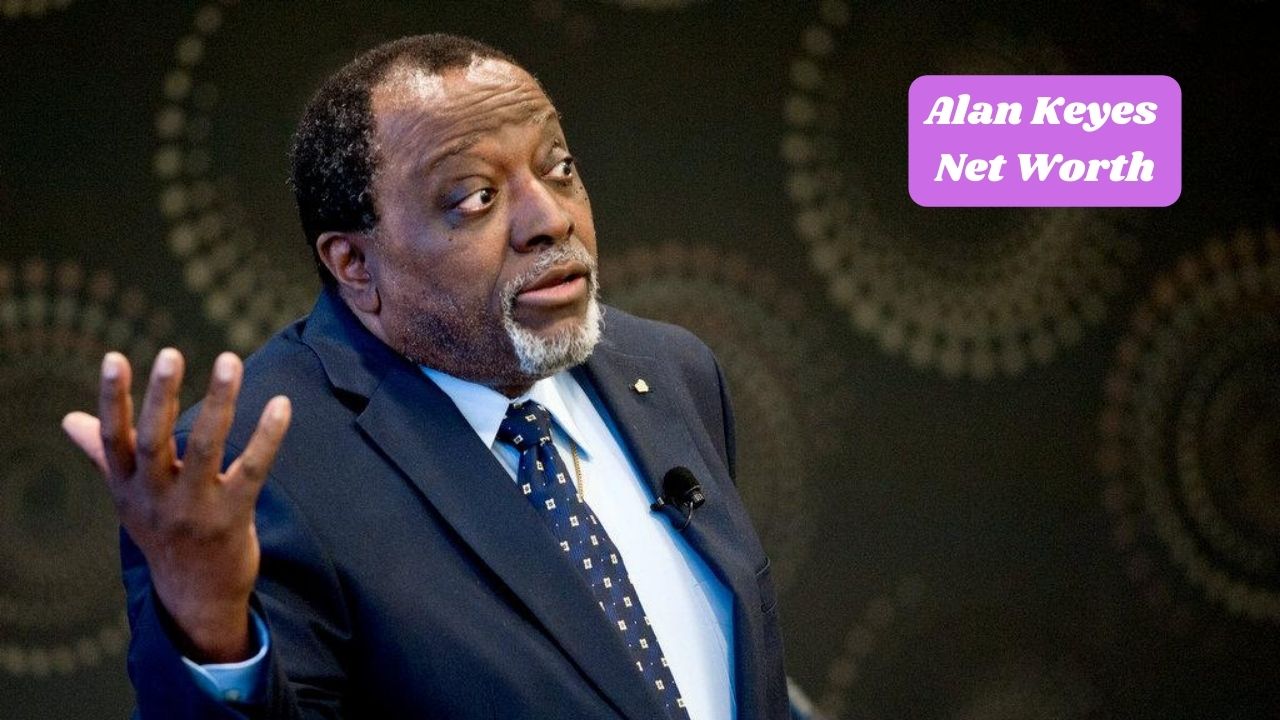
As of 2026, there is no verified public record or official financial disclosure detailing an exact net worth for Alan Webb, the celebrated American middle-distance runner. Financial valuations for athletes outside of major professional leagues often remain private, as Webb’s career earnings were primarily derived from professional track and field contracts, endorsements, and appearance fees rather than public corporate equity or high-profile media ventures.
The Career Context of Alan Webb
To understand the financial landscape surrounding a professional athlete like Alan Webb, one must first examine the economics of elite middle-distance running in the early 2000s and 2010s. Webb rose to national prominence as a high school phenomenon, famously breaking Jim Ryun’s high school mile record in 2001 with a time of 3:53.43. This milestone cemented his status as a premier talent and set the stage for a professional career that spanned over a decade.
Unlike athletes in the NFL, NBA, or MLB, professional runners generally operate under a different compensation structure. Their income is typically composed of a base contract with a footwear and apparel sponsor (such as Nike, which signed Webb early in his professional career), race appearance fees, performance bonuses, and occasional prize money from Diamond League meets or national championships. Because these figures are rarely disclosed publicly, estimating an athlete’s total accumulated wealth is inherently speculative and often prone to inaccuracies found in third-party aggregator websites.
Revenue Streams in Professional Distance Running
The financial life of an elite runner is distinct from that of major team-sport athletes. When analyzing the potential financial standing of a career like Webb’s, several components must be considered.
1. Sponsorship Agreements
Sponsorships represent the primary income source for top-tier track athletes. These contracts are tiered based on an athlete’s ranking, marketability, and performance consistency. During his peak years—particularly around his 2007 American record-breaking season where he ran the mile in 3:46.91—Webb held a high-value contract with Nike. These deals often include "reduction clauses," where payments might decrease if an athlete fails to meet specific performance benchmarks or training availability requirements.
2. Appearance Fees and Prize Money
For elite middle-distance runners, the "circuit" provides a secondary, though variable, income stream. Major international meets pay appearance fees to athletes who generate interest or ensure a high-quality field. While a world-record holder or Olympic medalist can command significant sums, the volatility of this income is high. Prize money at track events is generally modest compared to other professional sports, with winning a major meet rarely resulting in life-changing payouts for a single race.
3. Post-Competitive Career Earnings
Following his transition away from professional track, Webb explored opportunities in coaching and triathlons. These professional pivots involve different earning potentials. Coaching at the collegiate level or providing private instruction serves as a stable career path, though it operates on a different pay scale than the performance-based model of a professional athlete.
Limitations of Net Worth Estimation
In the digital age, many websites attempt to assign precise dollar amounts to public figures, often using algorithms that factor in general career longevity. However, these figures should be viewed with extreme caution. For an athlete like Alan Webb, these estimations fail to account for:
- Taxation and Representation: Professional athletes pay significant percentages of their gross earnings to agents, coaches, and specialized tax preparers.
- Operating Expenses: The costs of travel, specialized medical care, physical therapy, and training-specific equipment often come out of the athlete’s own pocket or are subtracted from sponsor stipends.
- Investment Outcomes: Personal wealth is frequently tied to individual financial planning, such as real estate holdings, retirement accounts, or private business ventures, none of which are public record.
Comparison of Professional Athlete Revenue Models
| Revenue Source | Team Sports (e.g., NBA) | Track & Field (e.g., Middle-Distance) |
|---|---|---|
| Primary Income | Guaranteed Salary | Performance/Sponsorship Contract |
| Consistency | High (Multi-year guarantees) | Variable (Performance-linked) |
| Marketability | Team/League Driven | Individual/Performance Driven |
| Retirement | Pension/Defined Benefits | Generally Personal Savings/Post-Sport Career |
Professional Transitions and Long-Term Stability
The evolution of an athlete's financial profile usually shifts significantly after the conclusion of their primary competition years. For Webb, the move into the world of triathlon was a notable transition. While the triathlon circuit offers a different set of sponsorship opportunities, it also requires a new infrastructure of support.
In the absence of a public "net worth," one might look at the value of a professional career through the lens of long-term career sustainability. Athletes who successfully leverage their name recognition into coaching, public speaking, or clinical practice—as many track stars do—tend to build more stable, long-term financial foundations. This transition from "performance-based income" to "professional-service income" is a hallmark of success for many middle-distance runners who retire from the professional circuit.
Frequently Asked Questions
Did Alan Webb ever sign a million-dollar contract? While details of private contracts remain confidential, professional middle-distance runners in the 2000s who reached the level of American record holder typically secured substantial multi-year deals. However, it is rare for these figures to reach the tens of millions seen in major team sports.
How does an athlete's net worth impact their legacy? Net worth is a financial metric and does not correlate with an athlete’s historical impact. Alan Webb’s legacy is defined by his American records and his influence on the generation of American distance runners that followed him, rather than his accumulated capital.
Why are net worth websites often inaccurate for athletes? Most "net worth" websites use automated scrapers and estimations that do not have access to actual tax documents, contracts, or bank records. They often rely on broad industry averages which are frequently inapplicable to specific individuals.
What is the primary way middle-distance runners build wealth today? Today's athletes often augment their base income through social media partnerships, personal branding, and content creation, in addition to traditional sponsorship and prize money. During the height of Webb’s career, these digital revenue streams were not yet a significant component of an athlete’s portfolio.
Is Alan Webb still involved in professional sports? As of 2026, Webb remains active in the athletic community, frequently involved in coaching and mentoring. His financial interests are managed privately, consistent with his focus on family and professional development outside the spotlight of professional competition.
Practical Perspectives on Financial Literacy for Athletes
For those interested in the financial realities of professional athletics, the lesson provided by the careers of athletes like Webb is the importance of financial literacy during the peak earning years. The "window" for elite athletic performance is short. Successful athletes are those who treat their sport as a business, ensuring that sponsorship and appearance fees are managed with a long-term horizon.
If you are researching this topic for personal financial planning or to understand the sports industry, the most accurate insights are usually found in trade publications like Track & Field News or industry reports that cover the business of sports, rather than celebrity-centric websites. Always prioritize verifiable career data and industry-wide trends over speculative financial figures when evaluating the path of professional athletes.