Choosing the right light therapy device for skin requires understanding specific wavelengths, fluence levels, and target dermatological concerns like acne or signs of aging. The most effective at-home tools balance safety, wavelength accuracy, and ease of use to deliver professional-grade results on acne, inflammation, and cellular rejuvenation without clinical downtime.
Light-emitting diode (LED) therapy has transitioned from specialized clinical dermatology offices into mainstream at-home skincare routines. By harnessing specific wavelengths of the electromagnetic spectrum, these devices stimulate cellular processes, reduce bacterial proliferation, and accelerate tissue repair. Navigating the crowded marketplace of masks, panels, and wands can be overwhelming. Understanding how these tools function, evaluating their technical specifications, and matching them to individual skin requirements ensures both safety and efficacy.
Understanding Light Therapy: Wavelengths and Skin Mechanics
At its core, dermatological light therapy relies on photobiomodulation—the process where photons of light are absorbed by cellular chromophores, primarily within the mitochondria. This absorption triggers a cascade of biochemical reactions, altering cellular metabolism depending on the color and wavelength of the light used.
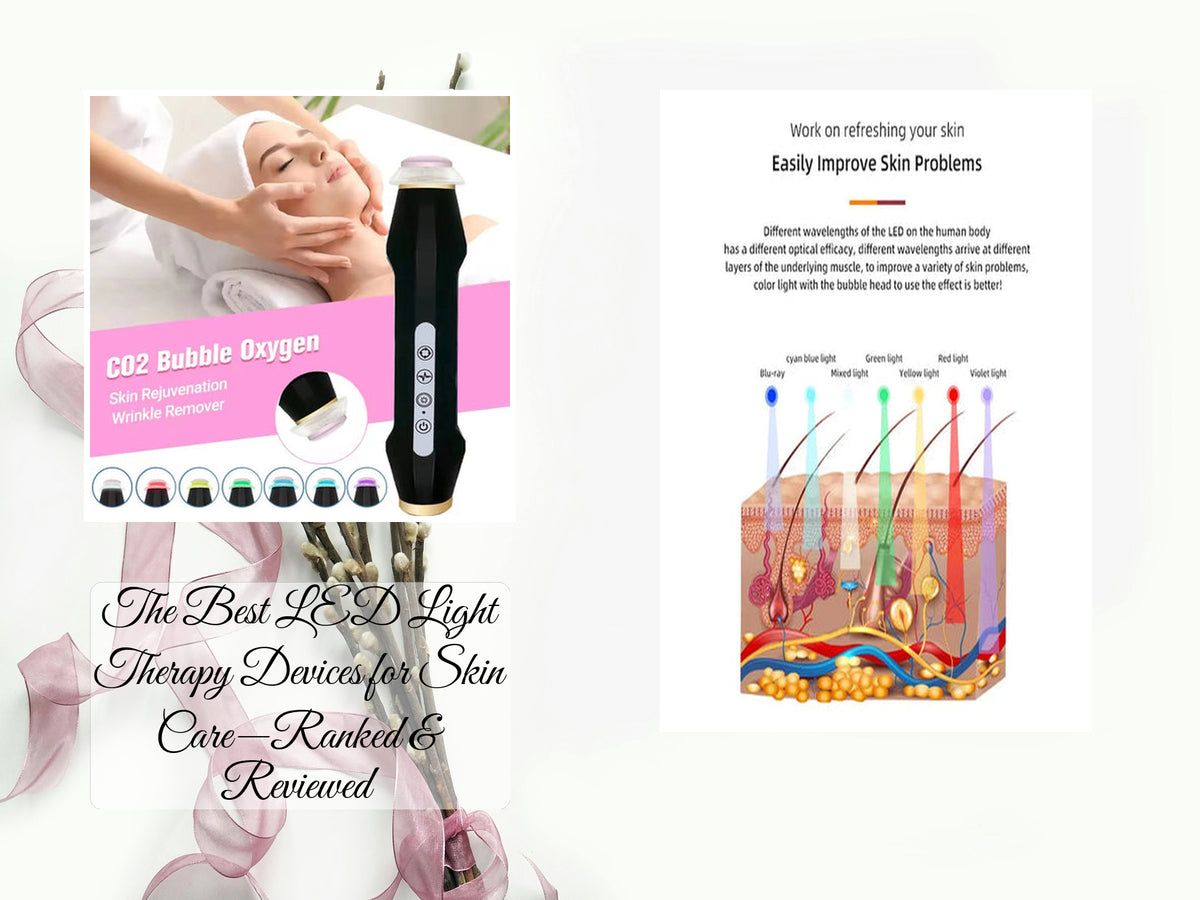
Different colors correspond to specific nanometer (nm) measurements, each penetrating the skin at varying depths. Blue light, typically ranging from 415 nm to 450 nm, possesses a shorter wavelength that remains primarily in the epidermis. It is prized for its ability to target Cutibacterium acnes, the bacteria responsible for inflammatory acne breakouts, by producing reactive oxygen species that destroy the bacteria.
Conversely, red and near-infrared (NIR) wavelengths penetrate much deeper, reaching the dermis and subcutaneous layers. Red light (around 600 nm to 650 nm) and NIR light (800 nm to 880 nm) stimulate fibroblasts, the cells responsible for collagen and elastin production. This deep cellular activation helps reduce the appearance of fine lines, improves skin texture, and enhances overall wound healing.
| Wavelength Color | Approximate Range (nm) | Primary Biological Target |
|---|---|---|
| Blue | 415 nm - 450 nm | Epidermal acne-causing bacteria |
| Red | 600 nm - 650 nm | Dermal collagen and fibroblasts |
| Near-Infrared | 800 nm - 880 nm | Deep tissue repair and circulation |
Criteria for Evaluating At-Home Light Therapy Devices
Selecting a quality device involves looking past marketing terminology and focusing on verifiable engineering specifications. Several critical parameters determine whether a tool will produce noticeable results or simply serve as an expensive novelty.
Irradiance and Power Output
Irradiance measures the power density of the light delivered to the skin, typically expressed in milliwatts per centimeter squared ($\text{mW/cm}^2$). Without adequate irradiance, photons lack the energy required to stimulate cellular mitochondria effectively. High-quality devices maintain a balance, providing sufficient power to induce photobiomodulation without generating excessive heat that could harm sensitive dermal tissue.
Form Factor and Coverage Area
The physical design of a device dictates how it is used and which areas of the body it can treat.
- Masks: Flexible silicone or rigid plastic masks offer hands-free convenience and uniform facial coverage.
- Panels: Larger panels can treat the face, neck, chest, and back simultaneously but require stationary positioning during sessions.
- Wands and Handhelds: These provide targeted spot treatments for individual blemishes or hard-to-reach contours, though they require active manipulation.
Safety Certifications and Eye Protection
Because bright LEDs can strain or damage photoreceptor cells in the retina over prolonged exposure, reputable manufacturers incorporate built-in eye protection, such as opaque goggles or eye shields with blackout silicone around the ocular ports. Compliance with recognized safety standards—such as FDA clearance or international electrical safety certifications—provides additional assurance regarding manufacturing quality.
Reviewing the 5 Best Light Therapy Devices for Skin
The following selection highlights devices that demonstrate strong technical performance, user-friendly design, and consistent verification across independent dermatological reviews.
1. Omnilux Contour Face
The Omnilux Contour Face is widely regarded as an industry standard for flexible, medical-grade LED masks. Designed with medical-grade silicone, it conforms easily to various facial structures, ensuring that the light sources remain at an optimal, uniform distance from the skin's surface.
- Wavelengths Utilized: 633 nm (Red) and 830 nm (Near-Infrared).
- Primary Benefit: Exceptional stimulation of collagen synthesis and reduction of periorbital wrinkles.
- Design and Usability: Powered by a lightweight rechargeable controller, the mask features secure Velcro head straps and built-in eye protection, allowing users to move freely during a standard 10-minute treatment session.
- Considerations: The rigid focus on anti-aging wavelengths means it lacks a dedicated blue light setting for active acne treatment.
2. CurrentBody Skin LED Light Therapy Mask
Similar in flexible silicone construction to the Omnilux, the CurrentBody Skin mask is optimized for maximum surface coverage and comfort. It utilizes patented pillow technology to diffuse light evenly across the entire face, preventing hot spots and ensuring every square millimeter receives equal photon density.
- Wavelengths Utilized: 633 nm (Red) and 830 nm (Near-Infrared).
- Primary Benefit: Skin barrier recovery, hydration enhancement, and fine line reduction.
- Design and Usability: Ergonomically designed with flexible straps and an integrated controller. Treatment cycles are pre-programmed to automatically shut off after 10 minutes.
- Considerations: Premium pricing reflects its clinical-grade build quality, making it a significant upfront investment for casual users.
3. Dr. Dennis Gross Skincare DRx SpectraLite FaceWare Pro
For users seeking a rigid mask format with rapid treatment times, the Dr. Dennis Gross SpectraLite FaceWare Pro offers a compelling alternative. Constructed from durable hard plastic, this device delivers high-powered treatments in an expedited format.
- Wavelengths Utilized: Blue (for acne), Red (for anti-aging), and a combination mode featuring both simultaneously.
- Primary Benefit: Versatility in treating both active breakouts and early signs of aging within a single device.
- Design and Usability: Features a distinct goggle-like head strap system. Its defining characteristic is a rapid 3-minute treatment timer, making it one of the most time-efficient options available.
- Considerations: The rigid shape may not rest comfortably on all facial geometries, and the treatment window covers primarily the central facial zone rather than the jawline or ears.
4. Solawave Radiant Renewal Skincare Wand
Breaking away from the mask format, the Solawave Radiant Renewal Wand is a multi-action handheld tool designed for targeted spot treatments and enhanced product absorption. It combines red light therapy with three additional complementary technologies: galvanic current, therapeutic warmth, and facial massage.
- Wavelength Utilized: 660 nm (Red).
- Primary Benefit: Reduction of localized puffiness, improved serum penetration, and smoothing of fine lines around the eyes and mouth.
- Design and Usability: Pocket-sized, USB-rechargeable, and activated automatically upon skin contact. It is ideal for travel and targeted touch-ups.
- Considerations: Because it requires manual gliding across the face, sessions take longer (around 5 to 15 minutes depending on coverage) and demand active participation compared to hands-free masks.
5. Celluma PRO LED Panel
Originally developed for professional clinical settings, the Celluma PRO is a versatile, contouring panel that can be shaped directly over the face, draped over the neck and chest, or wrapped around joints and limbs. Its unique flexible frame allows it to stand on its own or mold securely to the contours of the body.
- Wavelengths Utilized: Blue (465 nm), Red (640 nm), and Near-Infrared (880 nm).
- Primary Benefit: Multi-functional clinical versatility, capable of treating severe acne, chronic pain, and advanced skin aging alike.
- Design and Usability: Professional-grade power output with dedicated program settings for specific dermatological conditions.
- Considerations: It is heavier, less portable, and significantly more expensive than standard consumer face masks, positioning it as an investment for dedicated skincare enthusiasts.
Comparative Overview of Top Light Therapy Devices
| Device Name | Primary Form Factor | Wavelengths Included | Treatment Time | Best Suited For |
|---|---|---|---|---|
| Omnilux Contour Face | Flexible Silicone Mask | Red, Near-Infrared | 10 Minutes | Anti-aging and collagen stimulation |
| CurrentBody Skin Mask | Flexible Silicone Mask | Red, Near-Infrared | 10 Minutes | Even skin tone and barrier health |
| Dr. Dennis Gross FaceWare Pro | Rigid Plastic Mask | Blue, Red, Both | 3 Minutes | Dual acne and wrinkle management |
| Solawave Radiant Renewal Wand | Handheld Wand | Red (+ Warmth/Massage) | 5-15 Minutes | Travel and targeted spot treatments |
| Celluma PRO | Flexible Panel | Blue, Red, Near-Infrared | 30 Minutes | Clinical versatility and body treatments |
Best Practices and Safety Protocols for At-Home Use
Maximizing the effectiveness of light therapy while preventing adverse reactions requires strict adherence to usage guidelines. Consistent routines yield cumulative results, but excessive or improper application can lead to skin irritation or diminished returns.
Preparation and Cleanliness
Always begin with clean, dry skin. Oils, heavy moisturizers, makeup, and chemical sunscreens can act as a physical barrier, reflecting or absorbing photons before they reach the epidermis. If using topical active ingredients such as retinoids or exfoliating acids, apply them after the light therapy session rather than before, unless explicitly formulated to work in tandem with light exposure.
Frequency and Session Length
More is not always better. Most manufacturers recommend using facial masks three to five times per week for 10 to 20 minutes per session. Overusing the device will not accelerate collagen production; instead, it can overwhelm cellular pathways. Allow the skin at least 24 hours of rest between intensive treatment cycles if sensitivity occurs.
Contraindications and Medical Precautions
Individuals with specific medical conditions should consult a dermatologist before initiating light therapy. Contraindications include:
- Photosensitizing medications (such as isotretinoin, tetracyclines, or certain topical retinoids).
- Active skin cancers, lesions, or suspicious moles in the treatment area.
- Epilepsy or seizure disorders triggered by flashing or bright lights.
- Pregnancy, as a precautionary measure due to a lack of extensive clinical trials on systemic effects during gestation.
Frequently Asked Questions
Can I use light therapy devices every day?
Most consumer devices are engineered for use 3 to 5 times per week. Daily use is generally unnecessary because cells require recovery time to process the photobiomodulation stimulus. Always follow the specific manufacturer guidelines provided with your chosen device.
Do at-home light therapy devices work as well as professional clinic treatments?
At-home devices utilize lower irradiance levels than professional clinical panels to ensure safety without supervision. While they require more consistent, long-term use to produce visible results compared to a single in-office session, high-quality home masks successfully improve skin texture, reduce mild acne, and stimulate collagen over time.
Should I wear eye protection during treatment?
Yes, eye protection is essential, particularly when using devices that emit high-intensity blue or bright red light. Many masks feature built-in eye shields or opaque goggles. If your device does not cover the eyes entirely, wear the protective goggles supplied in the box to prevent retinal strain.
Can I combine LED light therapy with chemical serums?
While you should not apply serums before your session, applying hydrating serums, hyaluronic acid, or peptides immediately after light therapy can significantly boost product absorption, as the skin's microcirculation is temporarily enhanced. Avoid applying harsh actives like high-strength glycolic acid or retinol immediately post-treatment to minimize the risk of irritation.