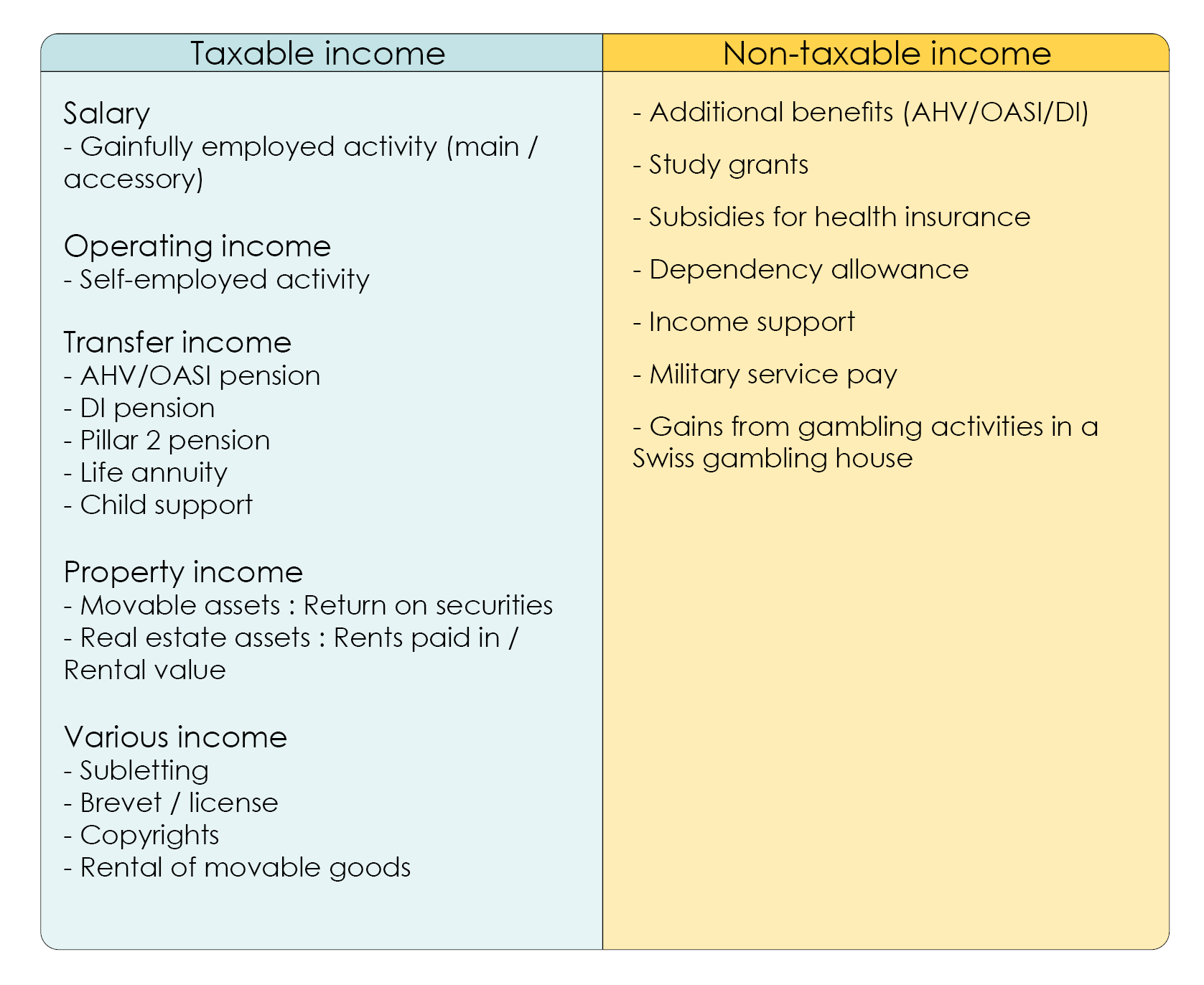
Annual non-taxable income refers to specific types of earnings or receipts that the Internal Revenue Service (IRS) does not require you to include in your gross income for federal tax purposes. Common examples include qualifying gifts, inheritances, child support, life insurance proceeds, and certain disability benefits.
Understanding what constitutes non-taxable income is critical for accurate financial planning and tax compliance. As we navigate the 2026 tax year, the distinction between taxable, tax-deferred, and tax-exempt income has become even more vital due to the sunsetting of various provisions from previous tax reforms. This guide explores the diverse categories of non-taxable income, the requirements for maintaining their tax-exempt status, and how these funds impact your overall financial health.
Defining Annual Non-Taxable Income
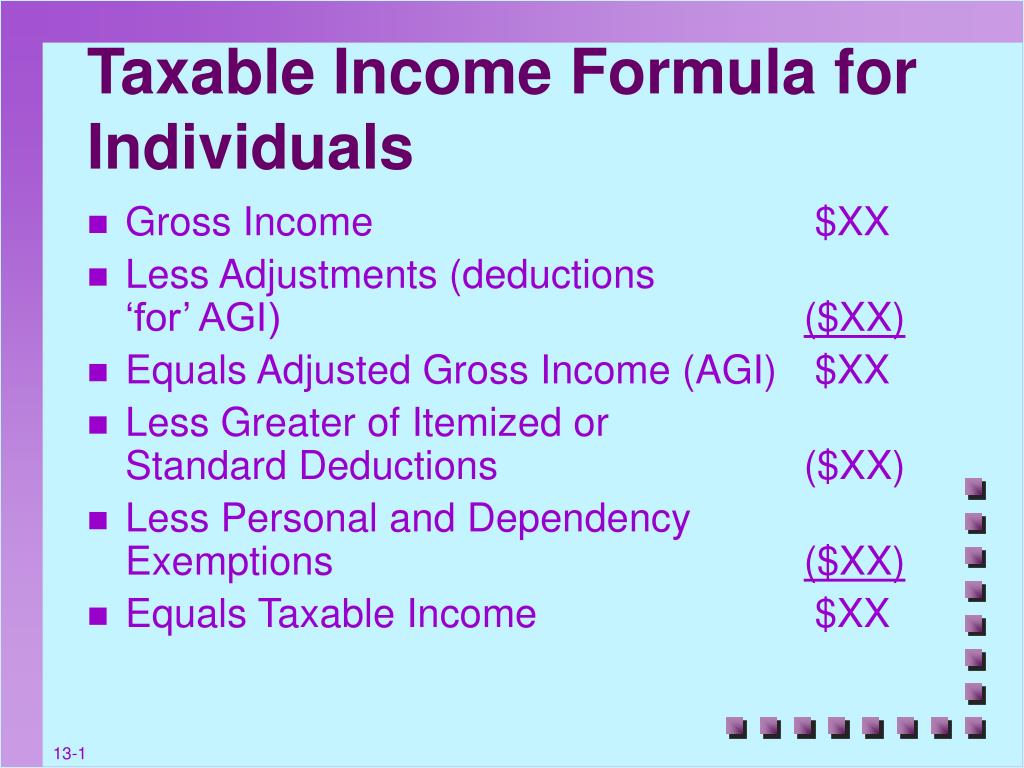
Non-taxable income is often confused with tax deductions or tax credits, but they are fundamentally different concepts. While deductions reduce the amount of income subject to tax and credits reduce the tax bill itself, non-taxable income is money that never enters the "taxable" calculation to begin with. It is essentially invisible to the federal income tax calculation, provided it meets specific regulatory criteria.
In 2026, the distinction remains sharp. If an item is classified as non-taxable, you generally do not report it on your Form 1040, though there are notable exceptions where the IRS requires disclosure for information purposes, such as tax-exempt interest from municipal bonds. Understanding this ensures you do not overpay the government by mistakenly reporting "free" money as earned income.
Primary Sources of Non-Taxable Income in 2026
The IRS classifies several types of cash flow as non-taxable. These categories are often rooted in social policy—such as supporting education, providing for the vulnerable, or preventing the "double taxation" of assets.
Gifts and Inheritances
For the vast majority of Americans, receiving a gift or an inheritance is a tax-free event. The federal government taxes the giver (the donor or the estate), not the recipient. In 2026, the annual gift tax exclusion allows an individual to give a specific amount (adjusted for inflation, typically around $18,000–$19,000) to any number of people without even needing to file a gift tax return.
Inheritances are similarly treated at the federal level. Whether you inherit cash, stocks, or real estate, the value of the asset at the time of the owner's death is generally not considered taxable income to you. However, it is important to note the "step-up in basis" rules, which allow you to inherit property at its current market value, potentially saving you thousands in capital gains taxes if you choose to sell the asset later.
Life Insurance Proceeds
When a beneficiary receives a payout from a life insurance policy due to the death of the insured person, that payout is almost always non-taxable. This rule applies regardless of the size of the policy. The logic is that the premiums were typically paid with after-tax dollars, and the death benefit is intended to provide financial security rather than act as a profit-generating investment for the beneficiary.
An exception occurs if the life insurance policy is turned into an investment vehicle that pays out interest. While the face value of the policy remains non-taxable, any interest accrued on the proceeds after the death of the insured is considered taxable income and must be reported.
Child Support Payments
Child support is strictly non-taxable to the recipient. Because the law views these payments as a way for a parent to fulfill their legal obligation to support their child, the money is not considered "income" for the custodial parent. Conversely, the parent paying the child support cannot deduct these payments from their own income. This creates a clear boundary that differentiates child support from alimony, the tax treatment of which changed significantly for agreements finalized after 2018.
Qualified Scholarships and Fellowships
Education-related grants and scholarships are non-taxable provided they are used for "qualified education expenses." This includes tuition, fees, books, and required equipment for courses at an eligible educational institution.
However, there is a common pitfall: funds used for room and board, travel, or optional equipment are considered taxable income. Students must keep meticulous records to prove that the scholarship funds were applied only to the allowed categories to maintain the non-taxable status of their annual aid.
Investment-Based Non-Taxable Income
Certain investment vehicles are specifically designed to provide tax-free growth or tax-free withdrawals, making them essential tools for high-net-worth individuals and retirees in 2026.
Municipal Bond Interest
Interest earned on bonds issued by states, cities, or local governments is generally exempt from federal income tax. In many cases, if you live in the state where the bond was issued, the interest is also exempt from state and local taxes. This "triple-tax-exempt" status makes municipal bonds highly attractive for those in higher tax brackets.
While the interest is non-taxable, you are still required to report the amount of tax-exempt interest you received on your tax return. This information is used by the IRS to determine the taxability of other benefits, such as Social Security.
Qualified Roth IRA and Roth 401(k) Distributions
In 2026, Roth accounts continue to be a cornerstone of tax-free retirement planning. Unlike a Traditional IRA, where contributions are tax-deductible but withdrawals are taxed, Roth contributions are made with after-tax dollars. As a result, qualified distributions—those taken after age 59½ and after the account has been open for at least five years—are entirely non-taxable. This includes both the original contributions and all the investment growth accumulated over decades.
Health and Disability-Related Exemptions
The tax code provides relief for individuals receiving compensation for physical injury or illness, ensuring that those in recovery are not burdened by tax liabilities on their support.
Workers' Compensation
Amounts received under a workers' compensation act for occupational sickness or injury are fully non-taxable. This remains true whether the payment is a lump sum or a recurring settlement. However, if you return to work and perform light duties while still receiving partial benefits, the salary you earn for that work is taxable, even if the workers' compensation portion remains exempt.
Disability Insurance Payouts
The taxability of disability benefits depends entirely on who paid the premiums. If you paid the premiums yourself using after-tax dollars, the benefits you receive are non-taxable. If your employer paid the premiums and did not include that cost in your taxable income, the benefits you receive will be taxable. In 2026, many employees choose "buy-up" plans where they pay the premium themselves to ensure that any future disability income is received tax-free.
Health Savings Account (HSA) Withdrawals
HSAs offer a unique "triple tax advantage." Contributions are tax-deductible, growth is tax-deferred, and withdrawals are non-taxable if used for qualified medical expenses. In 2026, as healthcare costs continue to rise, using an HSA as a source of non-taxable annual income for medical needs is one of the most efficient financial strategies available.
Comparison of Common Income Types in 2026
The following table distinguishes between common sources of cash flow and their typical federal tax status for the 2026 tax year.
| Income Source | Federal Tax Status | Reporting Requirement |
|---|---|---|
| Wages and Salaries | Taxable | Reported on Form W-2 |
| Gifts (under annual limit) | Non-Taxable | Generally no reporting for recipient |
| Inheritances | Non-Taxable | Generally no federal reporting for recipient |
| Municipal Bond Interest | Non-Taxable | Must be reported for information only |
| Child Support | Non-Taxable | No reporting required |
| Roth IRA Distributions | Non-Taxable (Qualified) | Reported but not taxed |
| Social Security | Partially Taxable | Depends on "Combined Income" thresholds |
| Scholarships (Tuition) | Non-Taxable | No reporting if used for tuition |
| Life Insurance Payout | Non-Taxable | Generally no reporting |
Reporting and Compliance Requirements
Even when income is technically non-taxable, the IRS may still want to know about it. Failure to understand these reporting nuances can lead to unnecessary audits or flags on your tax return.
- Form 1099-INT: If you receive tax-exempt interest, the payer will still send you a 1099-INT. You must record this on your Form 1040, specifically on the line designated for tax-exempt interest. This doesn't mean you are being taxed on it; rather, it is used to calculate your "modified adjusted gross income" (MAGI).
- Form 8606: If you take distributions from a Roth IRA, you may need to file Form 8606 to ensure the IRS knows that the withdrawal consists of after-tax contributions and qualified earnings, thus exempting them from tax.
- Gift Tax Returns (Form 709): While the recipient never pays tax on a gift, if you give more than the annual exclusion limit ($18,000–$19,000 in 2026) to one person, you must file a gift tax return. No tax is usually due until you exceed your lifetime exemption, but the paperwork is mandatory.
Common Mistakes and Misconceptions
One of the most frequent errors taxpayers make is assuming all "government money" is non-taxable. This is a dangerous assumption. For example, unemployment compensation is fully taxable at the federal level, despite being a government-issued benefit.
Another misconception involves Social Security. Many people believe Social Security is non-taxable. In reality, depending on your other sources of income (including your non-taxable municipal bond interest), up to 85% of your Social Security benefits could become taxable. This creates a "tax torpedo" effect where receiving a small amount of additional income can trigger a large tax bill by making more of your Social Security taxable.
Finally, "found money" is often mistaken for non-taxable income. If you find a diamond ring or win a prize in a contest, the fair market value of that item is considered taxable income in the year you take possession of it. This is categorized as "other income" and is taxed at your standard income tax rate.
Strategies for Maximizing Non-Taxable Income
As you look toward the end of 2026, consider how to structure your finances to maximize your non-taxable "take-home" pay.
- Prioritize Roth Contributions: Given the current tax environment, locking in tax-free income for the future by contributing to Roth IRAs or Roth 401(k)s is a powerful hedge against future tax rate increases.
- Utilize HSAs: If you have a high-deductible health plan, maxing out your HSA contributions provides a source of non-taxable funds that can be used for health expenses now or in retirement.
- Review Municipal Bonds: For investors in high tax brackets, shifting a portion of a fixed-income portfolio to municipal bonds can increase the "effective" yield by removing the tax drag.
Frequently Asked Questions
Is a 2026 inheritance taxable if it includes a house?The inheritance of the house itself is not taxable income to the recipient at the federal level. You receive the house at a "stepped-up" basis, meaning your cost basis is the fair market value on the date of the previous owner's death. You only pay taxes if you later sell the house for more than that stepped-up value.
Are gambling winnings considered non-taxable income?No. Gambling winnings are fully taxable and must be reported as "other income" on Schedule 1 (Form 1040). While you can deduct gambling losses up to the amount of your winnings if you itemize, the winnings themselves are never non-taxable.
Is welfare or public assistance taxable?No. Payments from a public welfare fund or similar government assistance programs based on need are generally non-taxable. This is consistent with the government's policy of not taxing subsistence-level support.
If I receive a settlement from a lawsuit, is it non-taxable?It depends on the nature of the lawsuit. Settlements for physical injury or physical sickness are non-taxable. However, settlements for emotional distress (not originating from a physical injury), lost wages, or punitive damages are generally taxable.
Are dividends from stocks considered non-taxable?Usually no. Most dividends are taxable, though "qualified dividends" are taxed at lower capital gains rates rather than ordinary income rates. Some "return of capital" distributions may be non-taxable in the year received, but they reduce your basis in the stock, leading to higher taxes when you eventually sell.
Practical Recommendation
To effectively manage your annual non-taxable income, you should maintain a "Tax-Exempt Journal" throughout the year. Document every gift, insurance payout, or tax-free distribution you receive, along with supporting documentation like bank statements or letters of explanation. At the end of 2026, present this list to a qualified tax professional to ensure you are not inadvertently reporting these items as taxable income, while also ensuring you meet all "information only" reporting requirements to avoid IRS inquiries.