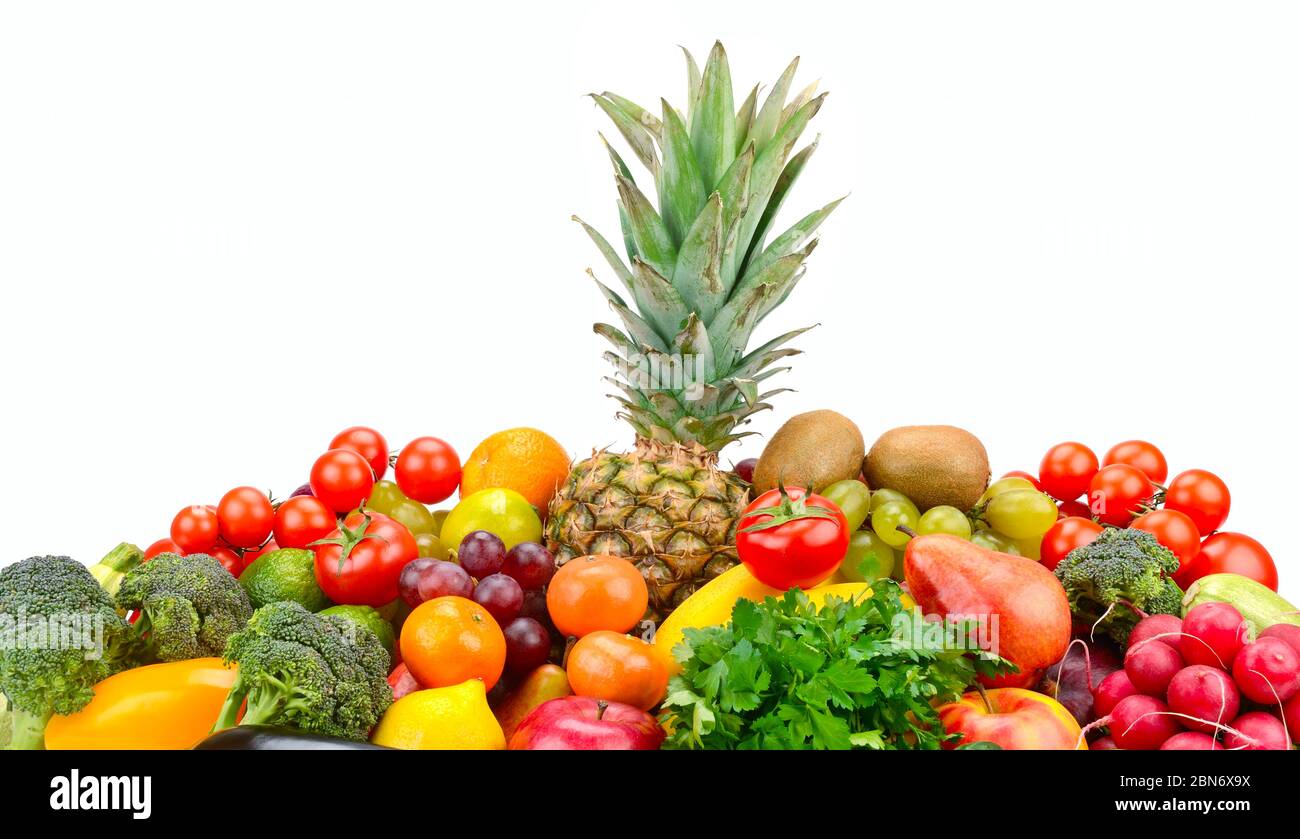
Botanically speaking, the pineapple is classified as a fruit—specifically, a multiple fruit—formed from the fusion of many individual berry-like flowers around a central core. While culinary definitions of "fruit" and "vegetable" often overlap based on sweetness and usage, the pineapple’s biological development within the Bromeliaceae family confirms its status as a fruit in both scientific and common parlance.
The Botanical Definition of a Pineapple
To understand why a pineapple is definitively a fruit, one must look at its growth cycle and structure. Unlike vegetables, which are defined as the edible parts of plants such as roots, stems, or leaves, fruits are the ripened ovaries of flowering plants that contain seeds.
The pineapple (Ananas comosus) is a tropical plant that produces a stalk with a cluster of small, individual violet or reddish flowers. As these flowers develop, each produces a fruitlet. A remarkable characteristic of the pineapple is that these individual fruitlets grow together and fuse into a single, cohesive unit known as an infructescence. This is why the pineapple is technically categorized as a "multiple fruit." Even though modern commercial pineapples are often sterile and seedless due to selective breeding, they remain the product of a flower's reproductive process, fitting the botanical requirement of a fruit.
Distinguishing Fruits from Vegetables: The Botanical Perspective
In botany, the distinction between a fruit and a vegetable is relatively rigid. A vegetable refers to any other part of the plant that humans consume. If you are eating the root (like a carrot), the stem (like asparagus), or the leaf (like spinach), you are consuming a vegetable.
Because the pineapple develops from the ovary of a flower after fertilization—regardless of whether that fertilization successfully produces viable seeds—it meets the biological criteria of a fruit. The "vegetable" category is essentially a culinary and nutritional grouping that includes parts of plants that are not the ripened, seed-bearing reproductive structures. Since the pineapple is the result of floral maturation, it cannot be classified as a vegetable in any scientific sense.
The Culinary Divide: Why the Confusion Exists
The confusion regarding whether a pineapple is a fruit or a vegetable often stems from the difference between botanical science and culinary classification. In the kitchen, vegetables are typically associated with savory dishes, while fruits are associated with sweetness, acidity, and dessert applications.
Because the pineapple is sweet, contains high levels of natural sugars (primarily fructose and glucose), and is frequently used in fruit salads, smoothies, and desserts, it fits perfectly into the culinary definition of a fruit. However, the pineapple is also used in savory cooking, such as in stir-fries, on pizzas, or alongside pork and poultry. This "cross-over" usage sometimes leads individuals to wonder if it might be a vegetable. Yet, in culinary tradition, the versatility of an ingredient does not change its classification. A tomato, for example, is botanically a fruit but is almost exclusively treated as a vegetable in culinary contexts, whereas the pineapple remains a fruit in both worlds.
Comparing Tropical Produce Structures
To further clarify the distinction, it is helpful to look at how the pineapple compares to other common items often misidentified in the kitchen. Many items that consumers identify as vegetables are actually fruits in the botanical sense.
| Item | Botanical Classification | Culinary Usage |
|---|---|---|
| Pineapple | Multiple Fruit | Sweet/Savory |
| Tomato | Berry (Fruit) | Savory |
| Cucumber | Pepo (Fruit) | Savory |
| Carrot | Root (Vegetable) | Savory |
| Spinach | Leaf (Vegetable) | Savory |
| Bell Pepper | Berry (Fruit) | Savory |
As demonstrated in this table, the pineapple is unique not because it defies the definition of a fruit, but because its complex, fused structure is significantly different from simple fruits like berries or drupes.
Why the Bromeliaceae Family Matters
Pineapples belong to the family Bromeliaceae. This family is unique because most of its members are epiphytes—plants that grow on other plants without being parasitic—or terrestrial plants adapted to tropical environments.
Understanding the origin of the pineapple helps solidify its fruit status. The plant produces an inflorescence, which is a group of flowers arranged on a stem. Each flower in the pineapple's inflorescence has its own sepal, petal, and ovary. When these ovaries ripen together, they form the "eyes" of the pineapple. This developmental process is fundamentally linked to the plant's reproductive cycle. Because the pineapple represents the mature stage of these reproductive structures, it serves as the botanical fruit of the Ananas comosus plant.
Nutritional Implications of the Pineapple
When discussing whether the pineapple is a fruit or a vegetable, the conversation often shifts toward its nutritional profile. Fruits are generally characterized by higher natural sugar content compared to most vegetables, which is certainly true for the pineapple.
- Sugar Content: Pineapples are a significant source of simple carbohydrates, which provide a quick energy boost.
- Micronutrients: Like many fruits, pineapples are rich in Vitamin C and manganese. Vitamin C is essential for immune function, while manganese is a trace mineral vital for bone health and metabolism.
- Enzymatic Activity: One unique aspect of the pineapple is the presence of bromelain, a complex mixture of enzymes that can break down protein. This is a common trait in many biological fruits but is particularly concentrated in the pineapple.
From a nutritional standpoint, the pineapple behaves exactly like a fruit. Its energy density and micronutrient profile do not mirror the typical profile of a green or root vegetable, further reinforcing its status.
Common Misconceptions and Questions
Even with clear definitions, misinformation persists. Some may argue that because the pineapple grows on the ground and has leaves, it is a vegetable. However, growth habit (such as being a herbaceous perennial) has no bearing on whether a plant part is a fruit or a vegetable.
FAQ: Frequently Asked Questions
1. Is a pineapple a vegetable because it grows from the ground? No. Growth habit, such as whether a plant grows on a tree, a vine, or directly from the soil, is irrelevant to the botanical classification of a fruit. A fruit is defined solely by its origin as a ripened ovary.
2. Does the fact that pineapples are used in savory dishes make them vegetables? No. Culinary classification is subjective and based on flavor profiles and cultural usage. Botanically, a fruit remains a fruit regardless of whether it is served with sugar or salt.
3. Are there seeds in a pineapple? In commercial pineapples, you rarely see seeds because they have been selectively bred to be sterile or parthenocarpic. However, wild pineapples do contain small, dark, hard seeds, which further confirms their nature as the reproductive fruit of the plant.
4. Can you distinguish a fruit from a vegetable by its vitamin content? Generally, no. While fruits are often associated with certain vitamins and vegetables with others, there is significant overlap. Using nutrient profiles as a classification tool is unreliable; biological development remains the only accurate method of categorization.
5. Is the pineapple crown considered a fruit? The crown (the leafy top of the pineapple) is technically a part of the plant's vegetative structure—similar to leaves. While the fruit is the edible part at the base, the crown is essentially a vegetative shoot that can be used to propagate new plants.
Final Verification
When researching the classification of the pineapple, authoritative sources in botany, such as the Kew Royal Botanic Gardens and academic textbooks on pomology, consistently categorize the pineapple as a multiple fruit. There is no ambiguity in scientific literature; the pineapple is an infructescence.
If you are currently evaluating your diet or gardening requirements, the classification of the pineapple as a fruit is essential for understanding how to handle, store, and utilize it. If you are propagating the plant, you are working with the vegetative parts (the crown or suckers). If you are consuming it, you are consuming the reproductive fruit.
Recommendation
For those who continue to debate the status of the pineapple, the most accurate approach is to maintain a dual definition: acknowledge that it is a fruit by biological definition and treat it as a versatile ingredient by culinary standards. If you are looking to integrate more produce into your diet, categorize the pineapple as a fruit for planning purposes, keeping in mind its higher sugar concentration relative to fibrous or leafy vegetables.