Securing life insurance with a diabetes diagnosis has transitioned from a near-insurmountable barrier to a manageable process, thanks to the integration of longitudinal health data, refined mortality modeling, and the widespread adoption of continuous glucose monitoring (CGM) analytics. Modern underwriting now prioritizes glycemic control, treatment adherence, and the absence of secondary complications over a binary diagnosis-based rejection.
The Shift from Categorical Risk to Data-Driven Precision
For decades, life insurance underwriters approached diabetes with a conservative, binary mindset. A diagnosis often triggered an automatic rating (higher premiums) or a flat denial. By 2026, the industry has largely pivoted toward "precision underwriting." This approach evaluates the individual’s physiological data points rather than relying on a generalized "Type 1" or "Type 2" classification.
The core of this evolution is the ability of life insurance carriers to ingest digital health records and proprietary biometric data. Instead of requiring static blood draws that reflect only a momentary snapshot of an applicant's health, insurers are increasingly willing to review longitudinal trends. If an applicant provides consistent data from a CGM or an integrated patient portal, underwriters can visualize the stability of their blood sugar levels over several months. This stability is a significant indicator of lower long-term morbidity, which directly correlates to more favorable premium classes.
The Role of Glycemic Control and Comorbidity Assessment
The most significant factor in modern underwriting is not the existence of diabetes, but the degree to which it is managed and the presence of underlying complications. Insurers today look at a "risk hierarchy" when evaluating an applicant.
- Glycemic Variability: Underwriters now look past the A1c (glycosylated hemoglobin) percentage. While A1c remains a standard measurement, it is now viewed in context with time-in-range metrics provided by modern medical technology.
- Organ Function Baseline: The presence of retinopathy, neuropathy, or nephropathy remains the most critical hurdle. Even with perfect glucose control, the presence of these secondary conditions often limits access to "preferred" risk categories.
- Treatment Modality: Historically, insulin dependence was seen as a major risk factor. Today, the focus is on the effectiveness of the regimen. An individual on an insulin pump who demonstrates meticulous control is often viewed as a lower risk than an individual on oral medication whose blood sugar remains volatile.
Modern Requirements: What Insurers Need in 2026
When applying for life insurance in 2026, the documentation process has become digitized, yet the requirements remain stringent. Applicants should be prepared to provide a comprehensive profile that demonstrates proactive disease management.
- Clinical Records: Comprehensive notes from an endocrinologist or primary care physician covering the last 24 to 36 months.
- Lab Results: Current A1c reports, lipid panels, and microalbumin tests.
- Device Data: If utilizing a CGM, authorized access to reports that demonstrate "Time in Range" (TIR) metrics.
- Complication Screenings: Recent eye exams (dilated retinal exams) and evidence of regular cardiovascular monitoring.
Comparing Traditional vs. Accelerated Underwriting
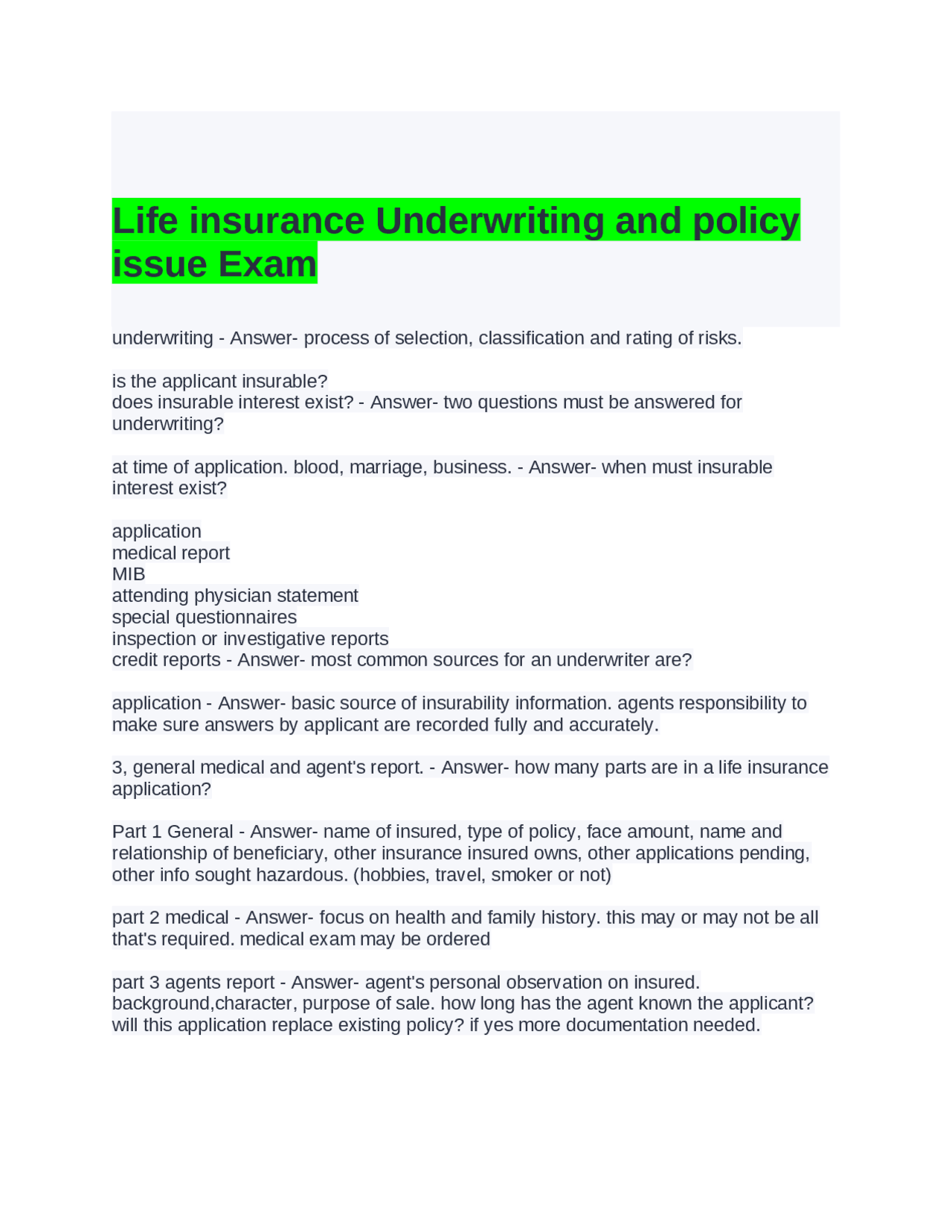
The industry has split into two primary paths for individuals with diabetes: traditional full underwriting and accelerated underwriting (often referred to as "no-exam" or "fluidless" insurance).
| Feature | Traditional Underwriting | Accelerated Underwriting |
|---|---|---|
| Data Sources | Medical records, paramedical exam (blood/urine) | Electronic Health Records (EHR), Rx history, MIB |
| Speed | 4–8 weeks | 2–10 business days |
| Eligibility | Broader; accommodates complex histories | Typically restricted to well-controlled cases |
| Data Depth | High; manual review by underwriters | High; automated algorithms process big data |
| Pricing | Highly granular; potentially lower premiums | Standardized based on data-driven models |
While accelerated underwriting is convenient, it relies heavily on algorithmic risk assessment. If an applicant has a complex history or significant recent fluctuations in their lab work, the algorithm may trigger a "decline" or a "refer to human underwriter" status. In such cases, traditional underwriting is often the superior route, as it allows for a human narrative to explain specific health data points.
Common Mistakes to Avoid During Application
Navigating the underwriting process requires transparency and strategic presentation. One of the most common mistakes is failing to provide recent clinical data. If an insurer sees a three-year-old physical exam, they must assume the "worst-case" scenario for the applicant's current health status.
Another error is the failure to disclose secondary health factors. Diabetes does not exist in a vacuum. Applicants who are also managing blood pressure and cholesterol must ensure those conditions are also stable. Insurers use "compounding risk models"; if you have diabetes and untreated hypertension, the risk is not just the sum of the two, but an exponential increase in mortality risk. Demonstrating that secondary conditions are under active treatment is as important as managing the diabetes itself.
The "Stable Control" Advantage
The industry standard for "favorable" underwriting for diabetes centers on the concept of "stable control." Underwriters look for the following evidence:
- Consistency: No major medication changes in the last 12 months.
- Compliance: Evidence of routine follow-ups with specialists.
- Absence of Complications: Clean screenings for cardiovascular and renal health.
If you can demonstrate these three factors, you move from the "Substandard" or "Table Rated" pool into the "Standard" or even "Standard Plus" category. The difference in premiums between these categories over a 20-year term policy can reach thousands of dollars.
Frequently Asked Questions
1. Does insulin use automatically disqualify me from life insurance? No. Insulin use is a common treatment modality. While it may influence your risk classification, it is not a disqualifier. Insurers prioritize how well your insulin regimen controls your blood sugar levels and the absence of long-term diabetes-related complications.
2. Is a medical exam still required if I have diabetes? It depends on the carrier and the policy size. While many insurers offer "no-exam" options for small to mid-sized policies, individuals with a history of diabetes are more likely to be asked for a paramedical exam to verify current A1c and renal function levels.
3. What is "Time in Range" and why does it matter to underwriters? Time in Range (TIR) is the percentage of time your glucose levels remain within a target range (usually 70–180 mg/dL). Because A1c only provides a three-month average, TIR offers a more granular view of glucose stability. Stable blood sugar with fewer "highs" and "lows" is viewed as a significantly lower risk by modern actuarial models.
4. Can I improve my rating after my policy is issued? Yes. Most policies allow for a "reconsideration" request. If you can provide evidence of better glycemic control, weight loss, or improved lab results over a sustained period (typically 1–2 years after the original policy date), you may be able to apply for a reduction in your premium rating.
5. How do insurers view Type 1 versus Type 2 diabetes? Insurers view them based on age of onset, duration of the disease, and secondary risks. Type 2, particularly when diagnosed later in life with few complications, is generally easier to insure. Type 1 diabetes is often scrutinized more heavily regarding the duration of the condition and the presence of microvascular changes.
Recommendations for Your Next Steps
If you are currently evaluating your options, do not apply to multiple carriers simultaneously without guidance. Each inquiry into your medical history (via the MIB Group) is recorded. Instead, gather your last two years of medical records, including your A1c trends and a summary of your treatment plan.
Consult with an independent life insurance agent who specializes in "impaired risk" or "high-risk" cases. These professionals have relationships with specific underwriters at various carriers and can perform an "informal inquiry." This allows them to present your health profile to multiple carriers anonymously to see which one provides the most favorable tentative offer before you submit a formal, recorded application.