Amsterdam has long transcended its historical identity as a regional trading post, evolving into one of the most interconnected, innovation-driven economic hubs in Europe. For enterprises seeking to scale beyond domestic borders, establishing a presence or expanding operations within this metropolitan ecosystem offers a strategic gateway to the broader European Union (EU) market and international trade routes. Positioned at the intersection of robust digital infrastructure, progressive regulatory frameworks, and a highly multilingual workforce, Amsterdam business in the global market represents a compelling focal point for multinational corporations, scale-ups, and specialized service providers alike.
Operating successfully within this environment requires a precise understanding of local compliance frameworks, tax structures, talent acquisition dynamics, and sector-specific ecosystems. Whether entering the market as a foreign direct investment (FDI) or scaling a local enterprise internationally, navigating the Amsterdam commercial landscape demands adherence to Dutch corporate law, familiarity with the Netherlands Foreign Investment Agency (NFIA) support mechanisms, and alignment with the city's stringent sustainability mandates. This guide examines the fundamental pillars, regulatory prerequisites, structural comparisons, and strategic imperatives necessary to thrive in Amsterdam's globally oriented economy.
The Strategic Advantage of Amsterdam in International Commerce
The metropolitan region of Amsterdam maintains a preeminent position in international commerce due to a deliberate combination of geographic positioning, digital connectivity, and institutional stability. Understanding why firms choose this location requires an evaluation of the structural advantages that lower friction in cross-border trade and operational scaling.
Geographic and Digital Connectivity
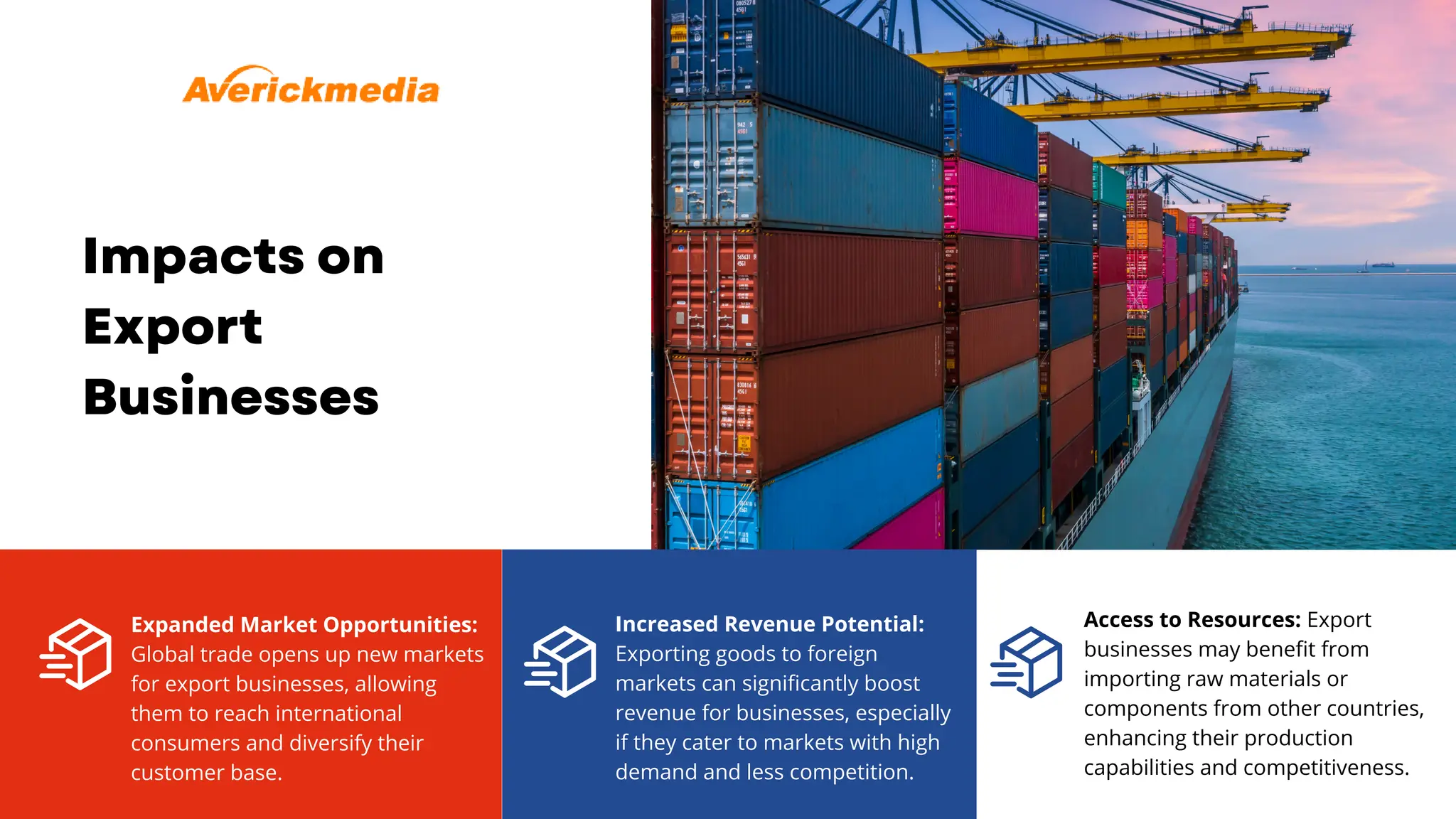
At the physical level, the Amsterdam metropolitan area is anchored by Schiphol Airport and the Port of Amsterdam, providing dense passenger and cargo links to major global markets. This physical logistics network is complemented by world-class digital infrastructure. The Amsterdam Internet Exchange (AMS-IX) stands as one of the largest data traffic hubs in the world, ensuring ultra-low latency and high-reliability data exchange for technology, finance, and e-commerce enterprises.
For global businesses, this dual layer of physical and digital connectivity minimizes supply chain friction and supports distributed operational models. Companies can centralize European distribution, technical support, and data management from a single geographic node without sacrificing speed or market reach.
Regulatory and Tax Frameworks
The Dutch legal system is renowned for its transparency, predictability, and adherence to the rule of law. For international businesses, the Netherlands offers a robust network of bilateral tax treaties designed to prevent double taxation, alongside ruling practices governed by the Dutch Tax and Customs Administration (Belastingdienst).
Furthermore, the fiscal climate includes competitive corporate income tax brackets and specialized incentives, such as the 30% ruling for qualifying incoming skilled expatriates, which assists businesses in attracting top-tier international talent. However, navigating these frameworks requires meticulous compliance with EU directives and domestic anti-money laundering (AML) regulations, ensuring that international operations meet both local and supranational standards.
Legal Structures and Corporate Setup Requirements
Establishing a commercial footprint for international expansion requires selecting the appropriate legal vehicle. The choice of entity dictates liability exposure, governance requirements, registration timelines, and tax obligations within the Dutch jurisdiction.
- CHOOSE CORPORATE VEHICLE
- BV (Private Co.)
- Limited Liability
- Separate Legal Entity
- Ideal for Standalone ops
- Branch Office
- Extension of Parent
- Direct Parent Liability
- Simpler wind-down
- BV (Private Co.)
- KVK (Chamber of Commerce) & UBO Register Filing
Private Limited Company (Besloten Vennootschap or B.V.)
The B.V. is the most common corporate vehicle chosen by foreign and domestic entrepreneurs alike. It provides limited liability for its shareholders, meaning personal assets are generally protected from business debts.
- Minimum Capital: The historical requirement for a minimum share capital of €18,000 has been abolished; B.V.s can now be incorporated with a nominal share capital of €1 or any other currency equivalent.
- Governance: Requires at least one director (managing director or bestuurder) and can have one or more shareholders (aandeelhouders). Directors can be foreign nationals and non-residents, though substance requirements regarding local management and control must be maintained for tax residency purposes.
Branch Office versus Subsidiary
When entering the Dutch market, foreign companies frequently debate between establishing a subsidiary (such as a B.V.) or a branch office (nevenvestiging).
- Subsidiary (B.V.): A legally independent entity separate from the parent company. It limits the liability of the parent corporation and is generally viewed as a domestic taxpayer in the Netherlands.
- Branch Office: An extension of the foreign parent entity. It does not possess a separate legal identity; consequently, the foreign parent retains full legal and financial liability for the branch's debts and actions. While simpler to establish and dissolve, branches may face complex attribution rules regarding profit taxation under bilateral tax treaties.
Registration Process via the Chamber of Commerce (KVK)
Regardless of the chosen vehicle, formal operationalization requires registration in the Commercial Register (Handelsregister) maintained by the Dutch Chamber of Commerce (Kamer van Koophandel or KVK).
- Drafting Articles of Association: Executed via a civil-law notary (notaris), who verifies the identity of founders and drafts the incorporation deed in Dutch or English.
- KVK Registration: Submission of corporate documents, proof of business address, and identification of ultimate beneficial owners (UBOs) to the KVK.
- Tax Office Notification: Automatic forwarding of registration data to the Belastingdienst for corporate income tax, wage tax, and Value Added Tax (VAT or BTW) identification number generation.
Talent, Labor Dynamics, and the Expat Ecosystem
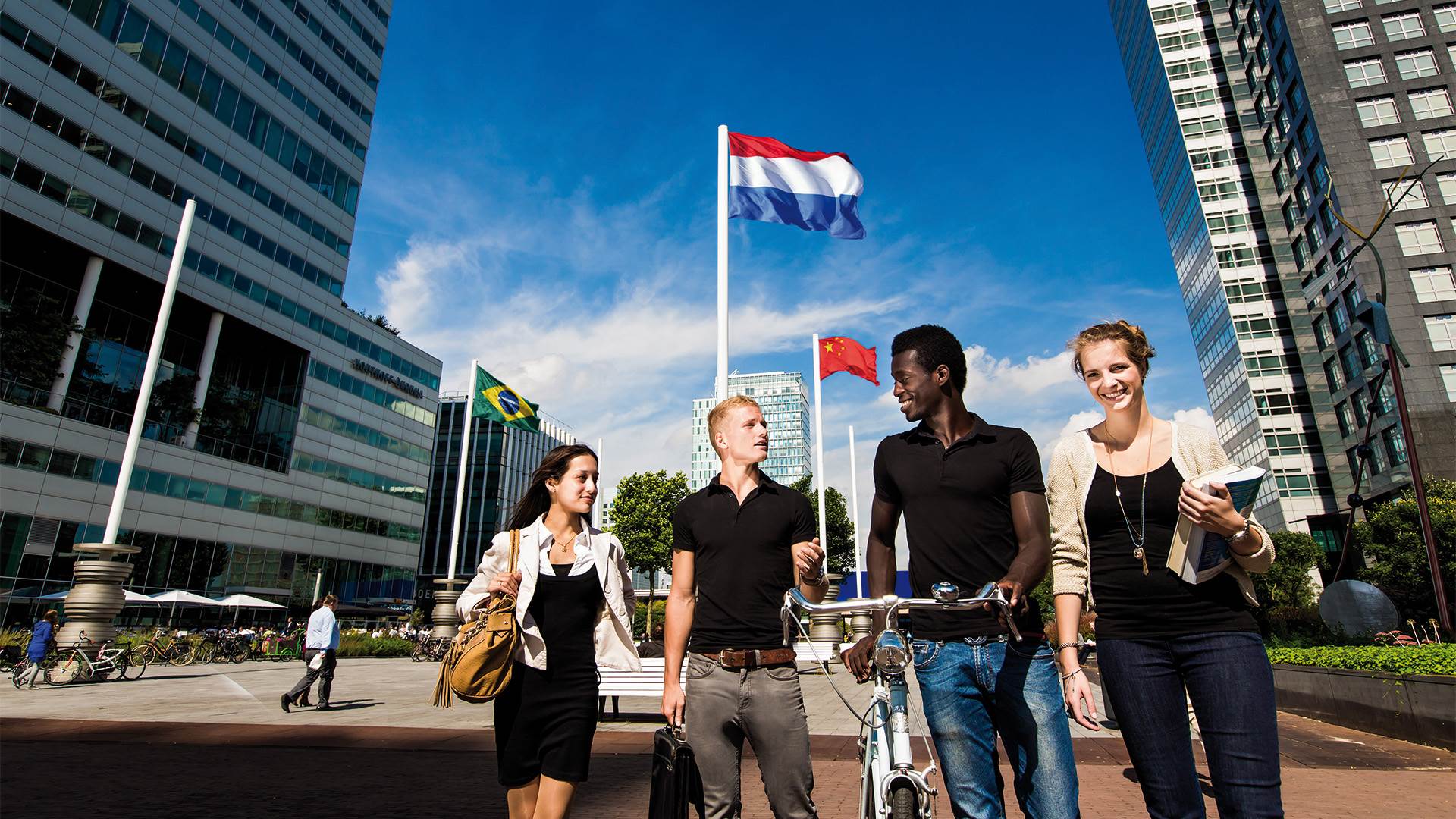
A critical driver of Amsterdam’s appeal in the global market is its highly educated, multilingual, and culturally adaptable workforce. Over 90% of the Dutch population speaks English fluently, making the city a friction-free landing ground for international headquarters.
Labor Law and Employment Contracts
Dutch labor law is characterized by a strong emphasis on employee protection, collective bargaining agreements (known as Collectieve Arbeidsovereenkomst or CAO), and structured termination protocols.
- Employment Agreements: Can be fixed-term or open-ended. Dutch law imposes strict limits on consecutive fixed-term contracts before they automatically convert into permanent employment.
- Dismissal Protection: Terminating an employee generally requires authorization from the Employee Insurance Agency (UWV) or dissolution via the subdistrict court (kantonrechter), unless dismissal is granted with immediate effect for urgent cause or executed via a mutual settlement agreement (vaststellingsovereenkomst).
- Transition Payment (Transitievergoeding): Employees dismissed after a service period of two years or more are generally entitled to a statutory transition payment, calculated based on tenure and gross salary.
Sourcing Global Talent
To support international scale-ups and multinational enterprises, the Dutch immigration framework provides streamlined pathways for highly skilled migrants (kennismigranten). Recognized sponsors (erkende referenten) registered with the Immigration and Naturalization Service (IND) can secure fast-track residency permits for non-EU employees, provided specific salary thresholds and professional criteria are met. This open labor market policy ensures that Amsterdam businesses can assemble diverse, cross-border teams essential for competing on the global stage.
Key Economic Sectors and International Specializations
Amsterdam's economic fabric is not monolithic; it is anchored by several distinct industry clusters that maintain deep integration with global value chains. Recognizing these sector-specific ecosystems is vital for benchmarking and partnership development.
| Industry Sector | Primary Drivers & Capabilities | Global Market Integration |
|---|---|---|
| Technology & Software | High-density startup ecosystems, SaaS scaling, fintech innovation, and deep-tech research. | Connected globally via VC networks, cloud infrastructure providers, and cross-border digital platforms. |
| Creative Industries & Media | Advertising agencies, design studios, gaming development, and digital media production houses. | Serving global brand portfolios, international entertainment conglomerates, and worldwide marketing campaigns. |
| Life Sciences & Health | Biotech research, pharmaceutical logistics, clinical trials, and medical device manufacturing. | Collaborating with European regulatory bodies (such as the European Medicines Agency, headquartered in Amsterdam) and global research institutions. |
| Sustainable Energy & Circular Economy | Clean-tech innovations, renewable energy financing, green logistics, and circular waste management. | Driving global ESG compliance standards, international climate pacts, and cross-border environmental engineering projects. |
Financial Compliance, Taxation, and Cross-Border Capital Flows
Operating an international business from Amsterdam involves rigorous compliance with Dutch and European financial regulations. Capital allocation, profit repatriation, and tax planning must navigate a landscape shaped by both national legislation and EU directives.
Corporate Taxation and Substance Requirements
The standard corporate income tax system features progressive brackets. To prevent the use of the Netherlands purely as a letterbox jurisdiction for tax avoidance, the Dutch government enforces strict economic substance requirements. Companies holding participation exemptions or claiming benefits under tax treaties must demonstrate genuine local presence, which includes:
- Maintaining adequate board members resident in the Netherlands who possess the authority to make key operational decisions.
- Holding board meetings physically or substantively within the country.
- Keeping corporate books, records, and primary bank accounts in the Netherlands.
- Incurring a minimum local wage expense and maintaining a physical office space appropriate for the business activities.
VAT and International Trade Compliance
As an EU member state, Amsterdam businesses engage in seamless intra-community trade subject to EU VAT harmonization rules.
- B2B Transactions within the EU: Subject to the reverse-charge mechanism, where the recipient accounts for the VAT in their own member state.
- Imports and Exports: International shipments entering via Dutch ports or airports require proper customs declarations, EORI (Economic Operators Registration and Identification) numbers, and compliance with EU tariff schedules. The Dutch Customs Administration (Douane) offers specialized facilities, such as fiscal representation and customs warehouses, to defer VAT payments and optimize international supply chain cash flow.
Common Strategic Pitfalls and Troubleshooting
Entering or expanding within the Amsterdam market presents distinct operational hurdles. Recognizing potential missteps allows management teams to proactively mitigate risk.
- Underestimating Local Labor Nuances: Assuming that employment termination or restructuring mirrors US or less-regulated international markets frequently leads to costly legal disputes. Engaging local employment counsel prior to issuing contracts or initiating structural changes is essential.
- Overlooking Substance Regulations: Establishing a nominal shell company without genuine physical and managerial substance in Amsterdam will trigger challenges from the Belastingdienst, resulting in the denial of treaty benefits and retroactive tax liabilities.
- Navigating the Commercial Real Estate Market: Amsterdam faces acute scarcity in prime commercial office and industrial real estate. Securing suitable premises requires early engagement with commercial real estate brokers and realistic budgeting for square-meter rental rates.
- Overlooking Compliance Deadlines: Missing corporate income tax filing deadlines, UBO register updates, or annual financial statement filings with the KVK can incur severe administrative fines and damage corporate standing.
Frequently Asked Questions
What are the primary regulatory bodies a foreign business must interact with in Amsterdam?
Foreign businesses primarily interact with the Chamber of Commerce (Kamer van Koophandel or KVK) for company registration, the Tax and Customs Administration (Belastingdienst) for corporate and VAT tax compliance, the Immigration and Naturalization Service (IND) for visa and residency processing of foreign staff, and municipal authorities (Gemeente Amsterdam) for local business permits and zoning compliance.
Can a non-resident foreign national incorporate a B.V. in Amsterdam without living in the Netherlands?
Yes, a non-resident foreign national can own and manage a Dutch B.V. without living in the Netherlands. However, to maintain corporate tax residency and legal compliance, the company should demonstrate economic substance, which typically includes appointing competent management directors and ensuring that critical business decisions are executed from or within the Netherlands.
How does the 30% ruling function for international employees in Amsterdam?
The 30% ruling is a tax advantage for incoming skilled migrants with specific expertise scarce in the Dutch labor market. When qualifying criteria are met, employers can grant up to 30% of the employee's gross salary subject to withholding tax as tax-free reimbursement for extraterritorial costs, significantly reducing the net cost of talent acquisition.
What are the main requirements for moving goods through Amsterdam into the broader EU market?
To move goods through Amsterdam into the EU, businesses require an EORI number, appropriate customs declarations managed via the Dutch Customs Administration (Douane), and compliance with EU product safety and labeling standards. Utilizing customs warehousing or fiscal representation can optimize import VAT cash flows.
How long does it typically take to establish a fully operational B.V. in Amsterdam?
The standard incorporation process—from drafting the deed with a civil-law notary and registering with the KVK to obtaining a VAT number—typically takes between 5 to 10 business days, provided all required identification documents, compliance checks, and capital verifications are fully prepared and verified in advance.
Strategic Next Steps for Market Entry
Executing a successful expansion into Amsterdam's global business ecosystem requires a sequenced approach. Enterprises should begin by conducting a thorough feasibility assessment regarding corporate structuring (B.V. versus branch office) and engaging a specialized Dutch civil-law notary. Simultaneously, management should consult with the Netherlands Foreign Investment Agency (NFIA) or regional economic development agencies such as amsterdam inbusiness to access tailored market entry support, fiscal guidance, and networking introductions. Prioritizing legal compliance, robust tax planning, and talent acquisition strategies from the outset ensures that your enterprise can sustainably leverage Amsterdam as a premier launchpad for global market leadership.