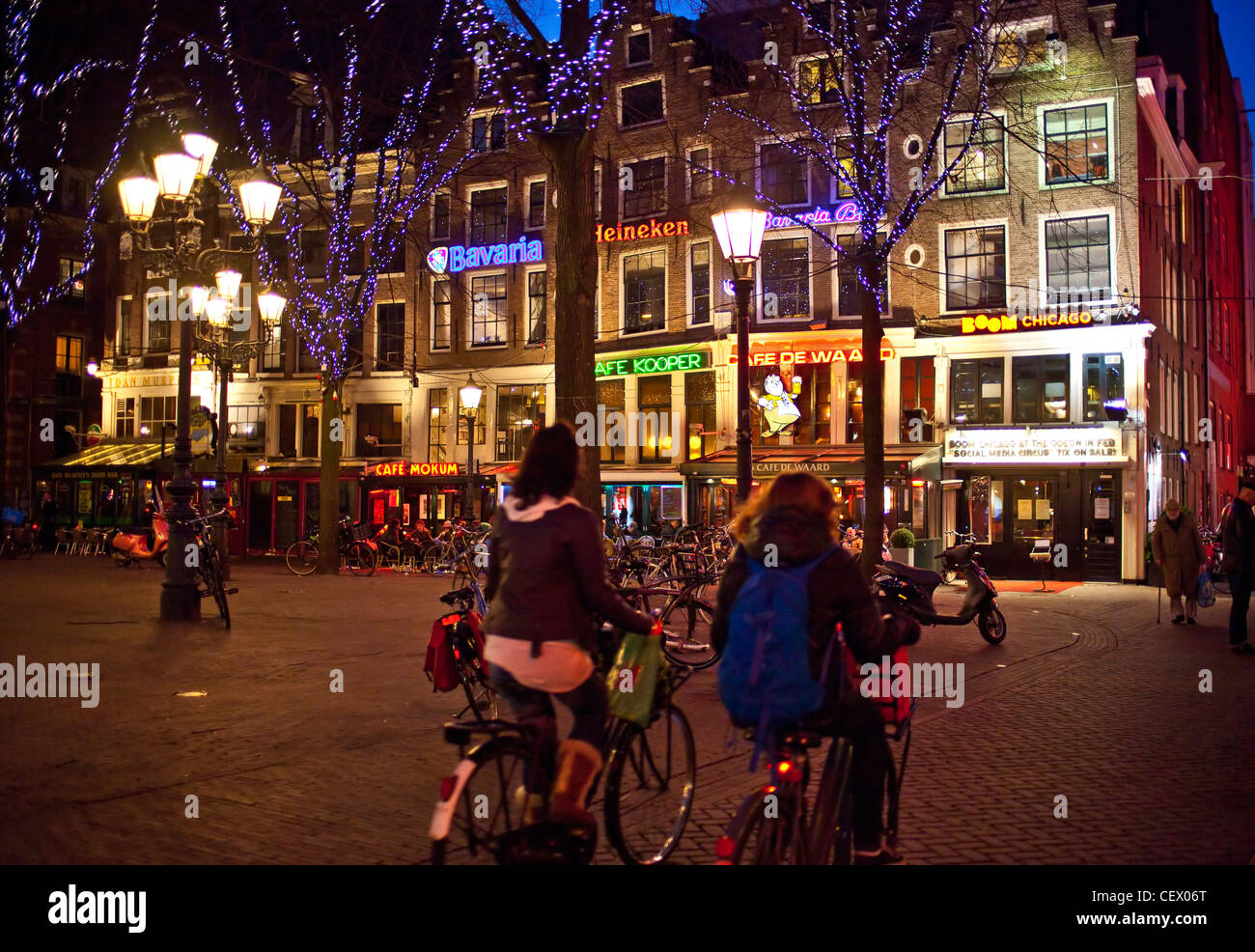
Amsterdam’s nightlife offers a diverse and dynamic array of experiences, ranging from world-renowned electronic music superclubs and historic brown cafés to avant-garde cultural spaces and vibrant LGBTQ+ venues. Whether you are looking for late-night dancing in industrial techno temples, a quiet pint by a canal, or progressive live music, the city caters to every preference with a distinct blend of Dutch pragmatism and cosmopolitan energy.
Understanding the Structure of Amsterdam’s Nightlife
The nightlife scene in Amsterdam is decentralized, spread across several distinct neighborhoods, each possessing a completely unique atmosphere and crowd. Rather than centering on a single strip, the city's entertainment districts cater to different subcultures, musical tastes, and age groups.
Navigating this ecosystem successfully requires understanding where specific scenes thrive. The historic center tends to host commercial venues and traditional pubs, while outer districts like Amsterdam-Noord and the former industrial zones house massive cultural hubs and electronic music institutions. Public transportation, cycling, and strict local regulations shape how nights out unfold, making planning an essential component of experiencing the city after dark.
The Historic Center and the Red Light District (De Wallen)
The inner city, including the area surrounding the historic canals, Dam Square, and De Wallen, is the most heavily trafficked zone. While historically famous for its bustling brown cafés (proeflokaals) and historic pubs, this area has undergone significant regulatory changes. Many traditional venues coexist with late-night bars and cocktail lounges. However, visitors should note that local authorities enforce strict noise abatement and behavior policies in the core center to preserve residential peace.
Rembrandtplein and Leidseplein
These two major squares serve as commercial nightlife anchors. Rembrandtplein is known for mainstream clubs, cocktail bars, and late-night dining spots, often drawing a mixed tourist and local crowd. Leidseplein functions similarly, flanked by major music venues like Melkweg and Paradiso, alongside comedy clubs, theaters, and a dense concentration of bars. These areas remain active well into the early morning hours, particularly on weekends.
Amsterdam-Noord and Post-Industrial Spaces
For electronic music enthusiasts and those seeking experimental culture, Amsterdam-Noord—situated just across the IJ River and accessible via free 24-hour ferries—is the primary destination. Reclaimed shipyards, old warehouses, and industrial complexes now house some of the city's most respected clubs, cultural incubators, and creative workspaces. This district defines the contemporary, cutting-edge side of the city's evening culture.
Key Nightlife Venues and Categories
Amsterdam's venues can be categorized by their primary offerings, atmosphere, and musical focus. Understanding these categories helps patrons align their expectations with the city's diverse venue types.
Electronic Music Clubs
Amsterdam holds global status as a capital for electronic dance music (EDM), techno, and house. Venues range from state-of-the-art superclubs to intimate, underground spaces operating under 24-hour permits granted to promote nocturnal culture. Prominent institutions include:
- Shelter: Located in the basement of the A’DAM Tower in Noord, focusing on underground techno and house.
- RADION: Situated in a former ACTA dental school in New West, functioning as a cultural breeding ground, art space, and 24-hour club.
- De School (Historical Reference / Context): While legendary for its 24-hour license and cultural programming, venue landscapes shift frequently, emphasizing the need to verify current operating entities before arrival.
Live Music Institutions
Beyond electronic beats, the city maintains a rich tradition of live music spanning rock, jazz, pop, and indie acts.
- Paradiso: Housed in a former 19th-century church building near Leidseplein, this iconic venue hosts everything from emerging indie bands to global superstar acts, renowned for its stained glass and brilliant acoustics.
- Melkweg: Located nearby, this multi-disciplinary cultural center occupies a former dairy factory and features multiple rooms for concerts, club nights, film screenings, and art exhibitions.
- Bimhuis: Situated at the Muziekgebouw aan 't IJ, this is the premier destination for contemporary and improvised jazz in the Netherlands.
Traditional Brown Cafés (Bruine Kroegs)
For a quintessentially Dutch experience, the brown café is irreplaceable. Named for their dark wood interiors, nicotine-stained walls (from historical use, though now smoke-free), and cozy lighting, these pubs focus on conversation, local beers, and jenever (traditional Dutch gin). They offer a slower pace, often accompanied by board games, local clientele, and classic rock or jazz playing softly in the background.
Practical Regulations, Access, and Safety
Enjoying Amsterdam after dark involves navigating specific municipal rules, ticketing systems, and safety protocols. Awareness of these operational details ensures a smooth experience.
Door Policies and Ticketing
Many of Amsterdam's premier clubs operate on an advance-ticketing model, particularly for weekend events featuring international DJs. Buying tickets online in advance is standard practice and often significantly cheaper than purchasing them at the door. Door staff prioritize a welcoming, safe environment; arriving visibly overly intoxicated or in large, rowdy groups can result in denial of entry, regardless of ticket status.
Licensing and Closing Hours
While the city introduced 24-hour permits for select cultural venues to foster nocturnal diversity, standard bars and clubs generally close between 3:00 AM and 5:00 AM, depending on the day of the week and the specific neighborhood permit. Public transit (trams and metro lines) typically stops running around midnight or 12:30 AM, though night buses (nachtbussen) operate on major routes through the early morning hours.
Safety and Local Etiquette
Amsterdam is generally a safe city for late-night exploration, but standard urban precautions apply. Bicycle lanes (fpaden) are active day and night; pedestrians should never walk in bike lanes, as cyclists move at high speeds and rarely yield. Additionally, street safety involves keeping an eye on personal belongings in crowded areas like Rembrandtplein and the Red Light District.
| Venue Type | Primary Focus | Typical Crowd | Operational Hours (Approx.) |
|---|---|---|---|
| Superclubs / 24-Hour Venues | Techno, House, Electronic | Electronic music fans, international tourists | 11:00 PM – 6:00 AM+ |
| Live Music Halls | Rock, Pop, Indie, Jazz | Music enthusiasts, diverse age groups | 7:00 PM – Midnight / 3:00 AM |
| Brown Cafés | Local Beers, Jenever, Conversation | Locals, neighborhood regulars, mature visitors | 10:00 AM – 1:00 AM |
| Plaza Bars & Clubs | Commercial Dance, Cocktails | Mainstream tourists, bachelor/bachelorette groups | 9:00 PM – 4:00 AM |
Frequently Asked Questions
What time do clubs and bars typically close in Amsterdam?
Most standard bars close around 1:00 AM or 2:00 AM on weekdays and 3:00 AM on weekends. Nightclubs generally stay open until 4:00 AM or 5:00 AM, while select venues holding 24-hour licenses may host events running straight through the weekend morning hours.
Do I need to buy club tickets in advance?
Yes, for major electronic music venues and popular weekend events, buying tickets online in advance is highly recommended. Many high-profile venues sell out prior to the event, and door tickets, when available, are usually more expensive.
Are there dress codes for Amsterdam nightlife?
Amsterdam nightlife is famously relaxed and egalitarian. Most clubs and bars do not enforce strict formal dress codes, favoring casual, comfortable, or streetwear. However, athletic wear, beachwear, or large novelty group costumes may be rejected by security at selective electronic music venues.
How do I get around Amsterdam late at night?
Public trams and metros stop running around midnight. After that time, the municipal transport company (GVB) operates a network of night buses (nachtbussen) covering major routes. Cycling remains a primary option for locals, though riding under the influence of alcohol is illegal and heavily fined. Taxis and ride-sharing services are also widely available at designated stands.
Is the Red Light District the main nightlife hub?
No. While De Wallen contains many historic pubs and bars, it is primarily a residential and historical sightseeing area. Modern nightlife is distributed across Leidseplein, Rembrandtplein, Amsterdam-Noord, and various neighborhood pockets throughout the city.
Next Actions and Recommendations
To maximize an evening out in the Dutch capital, start by identifying your musical preference or desired atmosphere. Check the event listings on reliable cultural platforms like Resident Advisor for electronic events or venue schedules for Paradiso and Melkweg. Secure tickets online well in advance, plan your late-night transit route home ahead of time, and embrace the city's relaxed, diverse social culture.