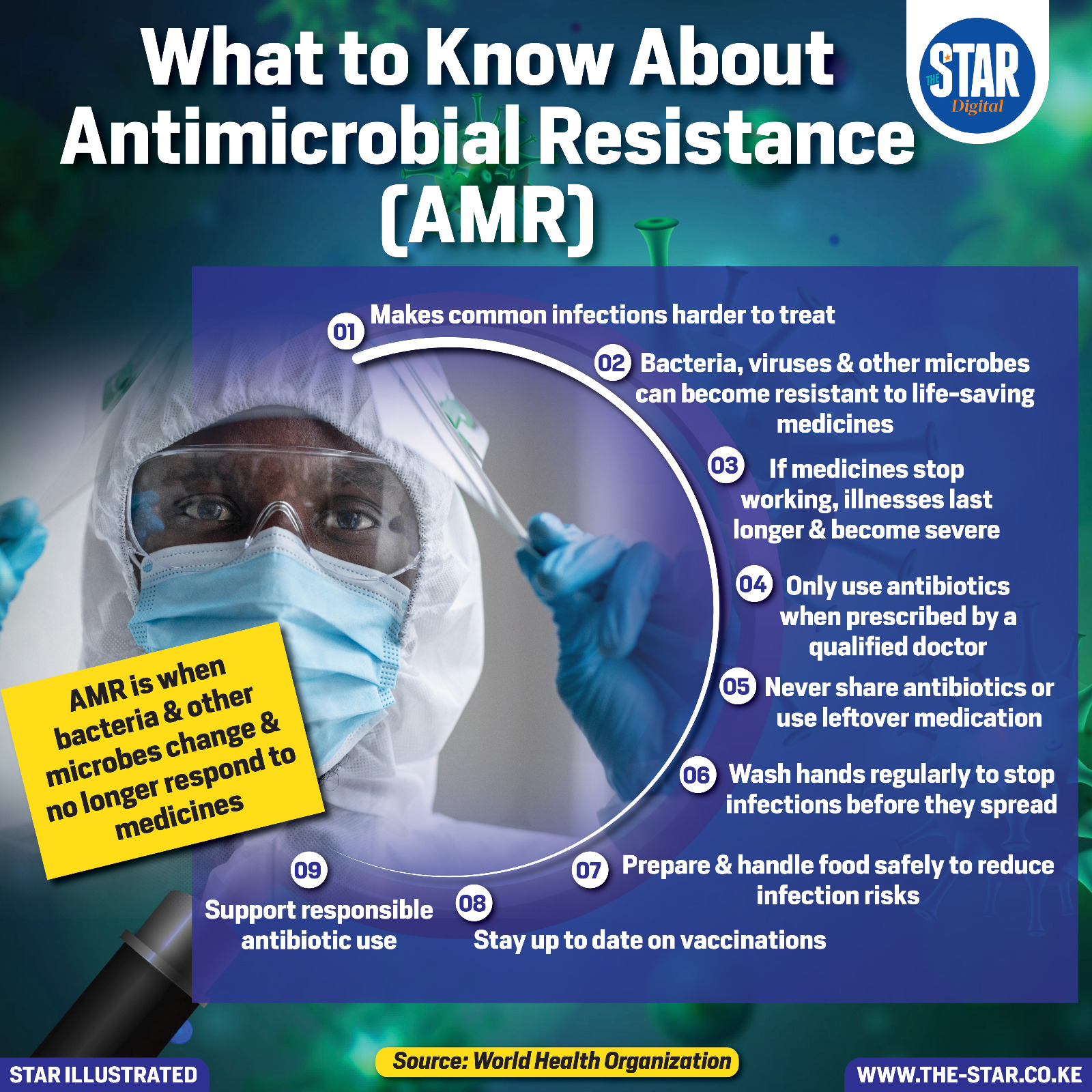
Antimicrobial resistance (AMR) represents one of the most complex, rapidly evolving threats to modern medicine, fundamentally altering how healthcare systems approach infectious diseases, surgical procedures, and routine clinical interventions. Driven by genetic adaptation, selective pressure from pharmacological agents, and complex global transmission networks, drug-resistant pathogens are eroding the efficacy of standard therapeutics. This shifting clinical landscape requires healthcare providers, diagnostic laboratories, and public health institutions to continually update their prevention, stewardship, and treatment paradigms to protect patient safety.
Understanding the Mechanisms and Drivers of Antimicrobial Resistance
To comprehend the shifting landscape of antimicrobial resistance in healthcare, one must examine the fundamental biological mechanisms by which microorganisms evade pharmacological agents. Bacteria, viruses, fungi, and parasites develop resistance through intrinsic traits or acquired genetic changes. These changes occur via spontaneous mutations in chromosomal DNA or through horizontal gene transfer, where resistance determinants are shared between organisms via plasmids, transposons, or bacteriophages.
The selective pressure applied by antimicrobial use—both appropriate and inappropriate—accelerates these evolutionary pathways. When a population of microorganisms is exposed to a therapeutic agent, susceptible strains are eliminated, while naturally resistant variants survive, multiply, and become dominant. In clinical settings, factors driving this selection include empirical broad-spectrum antibiotic prescribing, prolonged therapy courses, and inadequate infection prevention protocols.
Furthermore, resistance mechanisms are structurally diverse. Microorganisms may alter drug target sites so that the antimicrobial can no longer bind effectively, produce enzymes that neutralize the drug (such as beta-lactamases that degrade penicillins and cephalosporins), or upregulate efflux pumps that actively transport the drug out of the bacterial cell. Understanding these precise molecular pathways is critical for developing next-generation therapeutics and designing targeted diagnostic assays that can detect resistance markers before treatment failure occurs.
The Changing Epidemiological Profile of Resistant Pathogens
The global burden of antimicrobial resistance is not static; the epidemiological profile of high-consequence pathogens continues to shift across hospital and outpatient environments. Historically, resistance was primarily associated with healthcare-acquired infections (HAIs) caused by organisms such as methicillin-resistant Staphylococcus aureus (MRSA). While MRSA remains a formidable clinical challenge, the modern landscape is increasingly dominated by gram-negative bacteria possessing complex resistance profiles.
Organisms such as Pseudomonas aeruginosa, Acinetobacter baumannii, and Enterobacterales (including Klebsiella pneumoniae and Escherichia coli) that produce extended-spectrum beta-lactamases (ESBLs) or carbapenemases have become prevalent in intensive care units (ICUs) and long-term care facilities. These carbapenem-resistant organisms often exhibit pandrug resistance, leaving clinicians with extremely limited therapeutic options, frequently forcing a reliance on older, more toxic agents such as colistin or newer combination therapies.
| Pathogen Category | Primary Resistance Mechanisms | Associated Clinical Impact | Key Diagnostic Challenges |
|---|---|---|---|
| Carbapenem-Resistant Enterobacterales (CRE) | Production of KPC, NDM, or OXA-48 carbapenemases | High mortality in bloodstream infections; limited treatment options | Rapid identification of specific enzyme types required for targeted therapy |
| Multidrug-Resistant Acinetobacter | Efflux pumps, outer membrane impermeability, enzymatic degradation | Severe pneumonia and bacteremia in mechanically ventilated ICU patients | Persistence in hospital environments complicates outbreak tracking |
| Methicillin-Resistant Staphylococcus aureus (MRSA) | Acquisition of the mecA gene encoding altered penicillin-binding protein (PBP2a) | Skin, soft tissue, and invasive systemic infections | Differentiating colonization from active clinical infection |
| Drug-Resistant Candida auris | Mutations in target genes, efflux mechanisms; intrinsic resistance to azoles | Invasive candidiasis with high mortality in immunocompromised hosts | Misidentification by standard laboratory phenotyping systems |
In addition to bacterial threats, antifungal resistance has emerged as a critical concern in medical mycology. The rapid global spread of Candida auris, an opportunistic yeast capable of persisting on medical equipment and hospital surfaces, highlights the expanding scope of antimicrobial resistance beyond traditional bacterial pathogens. Many strains of Candida auris demonstrate multidrug or pan-drug resistance to major classes of antifungals, posing severe outbreaks risks in vulnerable patient populations.
Antimicrobial Stewardship Programs (ASPs) in Clinical Practice
Mitigating the spread of drug-resistant infections requires rigorous, formalized Antimicrobial Stewardship Programs (ASPs) embedded within institutional healthcare frameworks. These multidisciplinary programs—typically comprising infectious disease physicians, clinical pharmacists, microbiologists, and infection control professionals—aim to optimize clinical outcomes while minimizing the unintended consequences of antimicrobial use, including toxicity, selection for resistant pathogens, and Clostridioides difficile infection.
Effective ASPs rely on two core strategies: prospective audit and feedback, where an expert team reviews antimicrobial prescriptions and provides direct recommendations to treating clinicians, and formulary restriction coupled with pre-authorization requirements for broad-spectrum or reserve agents. By restricting access to high-tier therapeutics until cultures and susceptibility testing justify their use, hospitals can preserve the utility of critical-care antibiotics.
| Stewardship Strategy | Primary Objective | Operational Implementation | Potential Clinical Benefit |
|---|---|---|---|
| Prospective Audit and Feedback | Optimize ongoing therapy based on microbiology results | Daily or periodic chart reviews by infectious disease specialists | Reduced duration of therapy and appropriate de-escalation |
| Formulary Restriction & Pre-authorization | Limit overuse of critical broad-spectrum agents | Requiring specialist approval before dispensing specific reserve drugs | Preserved efficacy of last-line therapeutics against resistant strains |
| Pathogen-Directed De-escalation | Narrow empirical coverage once sensitivities are known | Reviewing culture data at 48 to 72 hours to switch to targeted agents | Lower risk of secondary superinfections and reduced toxicity |
| Rapid Diagnostics Integration | Accelerate time to appropriate targeted therapy | Implementing PCR or mass spectrometry directly from clinical samples | Shorter hospital stays and improved patient survival rates |
Furthermore, modern stewardship extends beyond inpatient facilities into outpatient clinics, urgent care centers, and long-term care settings, where the vast majority of human antibiotic consumption occurs. Educating both providers and patients on the self-limiting nature of many viral respiratory infections remains essential in curbing unnecessary prescription practices that drive community-acquired resistance.
Diagnostic Innovations and Rapid Susceptibility Testing
Timely and accurate laboratory diagnostics serve as the cornerstone of effective management in the era of antimicrobial resistance. Traditional culture and susceptibility testing methods often require 48 to 72 hours to yield definitive results, forcing clinicians to rely on empirical broad-spectrum therapy during the critical early window of severe infections. The shifting medical landscape has driven rapid advancements in diagnostic technologies designed to shorten this diagnostic timeline significantly.
Molecular assays, including polymerase chain reaction (PCR) platforms and microarray technologies, can identify specific bacterial pathogens and their associated resistance genes—such as blaKPC, vanA/B, or mecA—directly from clinical specimens within hours. More recent innovations include matrix-assisted laser desorption/ionization time-of-flight mass spectrometry (MALDI-TOF MS) for rapid organism identification, alongside novel phenotypic microfluidic systems that determine antimicrobial susceptibility in a fraction of the time required by standard broth microdilution methods.
Integrating these rapid diagnostic tools into routine hospital workflows allows clinicians to initiate targeted therapy or de-escalate broad-spectrum coverage much earlier in the clinical course. This precision approach not only improves individual patient outcomes by reducing therapeutic mismatch but also curtails the selective pressure driving resistance within healthcare environments.
Infection Prevention, Control, and Outbreak Management
Preventing the transmission of resistant organisms within healthcare facilities is equally as important as optimizing treatment regimens. Infection prevention and control (IPC) programs enforce strict adherence to standard and transmission-based precautions, environmental hygiene protocols, and surveillance mechanisms to detect and contain potential outbreaks before they spread systemically.
Hand hygiene compliance remains the single most effective intervention for preventing cross-contamination between patients via healthcare personnel. However, comprehensive IPC strategies must also address the persistence of resilient pathogens on inanimate hospital surfaces. Pathogens such as Acinetobacter baumannii, Clostridioides difficile spores, and Candida auris can survive for extended periods on bedrails, medical devices, and high-touch room surfaces, rendering routine cleaning protocols insufficient.
To counter environmental reservoirs, many healthcare institutions have adopted advanced disinfection technologies, including ultraviolet (UV-C) light emitting devices and hydrogen peroxide vapor systems, alongside sporicidal cleaning agents. Additionally, active surveillance cultures for high-risk patients upon admission to intensive care units enable hospitals to identify colonized individuals and implement contact precautions promptly, breaking the chain of transmission within enclosed clinical spaces.
Global Surveillance Networks and One Health Approaches
Because antimicrobial resistance does not respect geographical borders, local clinical challenges are deeply intertwined with global epidemiological trends. Robust surveillance networks are necessary to monitor the emergence and dissemination of novel resistance determinants across populations, healthcare systems, and international jurisdictions.
The Global Antimicrobial Resistance and Use Surveillance System (GLASS), coordinated by the World Health Organization (WHO), standardizes resistance data collection across member states to track trends in priority pathogens. Similarly, national frameworks such as the CDC's Antimicrobial Resistance Lab Network provide rapid characterization of emerging threats, supplying actionable intelligence to local health departments and clinical institutions.
Crucially, addressing AMR requires a "One Health" approach—an integrated, collaborative framework recognizing that human health, animal health, and the environment are inextricably linked. The agricultural use of antimicrobials for growth promotion and disease prophylaxis in livestock contributes significantly to the global pool of resistance genes, which can subsequently transfer to human pathogens via the food chain or environmental runoff. Comprehensive mitigation strategies must therefore encompass veterinary stewardship, agricultural reform, and wastewater management alongside traditional clinical interventions.
Frequently Asked Questions
What are the primary drivers of antimicrobial resistance in healthcare settings?
The primary drivers include the selective pressure of inappropriate or prolonged antimicrobial use, inadequate adherence to infection control and hand hygiene protocols, patient overcrowding, and the movement of colonized patients between healthcare facilities. Sub-therapeutic dosing and empirical broad-spectrum prescribing without timely diagnostic de-escalation further accelerate resistance development.
How do rapid diagnostics improve the management of drug-resistant infections?
Rapid diagnostics utilize molecular, mass spectrometric, or advanced microfluidic technologies to identify pathogens and detect resistance genes within hours rather than days. This enables clinicians to avoid ineffective empirical therapies, rapidly de-escalate broad-spectrum coverage, and apply targeted treatments that improve survival rates while minimizing selective pressure.
What is the "One Health" approach to antimicrobial resistance?
The One Health approach is a multisectoral strategy acknowledging that human, animal, and environmental health are interconnected. Because antibiotics are widely used in veterinary medicine and agriculture, resistance genes can emerge in animal reservoirs and transfer to human pathogens. Effective control requires coordinated interventions across human healthcare, veterinary practices, and environmental monitoring.
Why are gram-negative bacteria considered a major clinical concern in modern hospitals?
Gram-negative bacteria, such as Pseudomonas aeruginosa, Acinetobacter baumannii, and carbapenem-resistant Enterobacterales, possess complex outer membrane structures and efficient resistance mechanisms (like efflux pumps and beta-lactamase enzymes). Their ability to acquire resistance to multiple drug classes leaves clinicians with extremely limited therapeutic options for severe infections.
What role do Antimicrobial Stewardship Programs (ASPs) play in hospitals?
ASPs are multidisciplinary clinical teams that optimize the use of antimicrobial drugs. By implementing prospective audits, feedback loops, and formulary restrictions, ASPs ensure patients receive the correct drug at the correct dose and duration, thereby improving clinical outcomes, reducing adverse drug events, and curbing the spread of resistant strains.
Conclusion and Next Actions for Healthcare Professionals
The shifting landscape of antimicrobial resistance demands continuous vigilance, operational adaptation, and cross-disciplinary collaboration across the medical community. Healthcare professionals, facility administrators, and laboratory directors must move beyond reactive management, integrating advanced rapid diagnostics, rigorous stewardship protocols, and stringent infection control measures into daily clinical operations. Clinicians should consistently consult institutional antibiograms, prioritize targeted therapy over empirical broad-spectrum prescribing whenever diagnostic data permits, and actively participate in local infection prevention initiatives to safeguard therapeutic efficacy for future patient populations.