Amshield Auto Insurance provides specialized vehicle coverage options designed to protect drivers against financial loss from accidents, theft, and liability claims, functioning primarily through structured policy tiers, regional agent networks, and dedicated claims services. Navigating this provider requires understanding how its underwriting partners operate, what policy features are available, and how customers manage their coverage.
Introduction to Amshield Auto Insurance
When researching vehicle protection plans, policyholders often encounter specialized carriers like Amshield. Understanding how these insurance products function requires looking past surface-level marketing to examine underwriting structures, policy management tools, and service availability.
Amshield Insurance typically operates within specific regional markets, often partnering with established property and casualty groups or utilizing managing general agency (MGA) models. This means that while policies carry the Amshield name, the underlying financial backing and claims administration may be serviced through affiliated corporate partners. For drivers evaluating this carrier, understanding this structural setup helps clarify how policy servicing, premium adjustments, and claims handling are executed.
The primary intent for individuals searching for this provider usually involves verifying policy features, determining how to manage an existing account, or assessing whether the coverage fits their driving profile. Because regional availability and underwriting guidelines change over time, prospective policyholders must examine how state-specific regulations influence their rates, coverage limits, and deductible options.
Corporate Background and Underwriting Structure
To understand the reliability and regulatory standing of an insurance provider, policyholders must examine its corporate lineage and licensing framework. Insurance companies do not operate in a legal vacuum; they must be authorized by state departments of insurance to issue policies and collect premiums.
Regulatory Compliance and Licensing
Amshield Insurance products are subject to the oversight of state insurance commissioners in the jurisdictions where they are authorized to sell. This regulatory oversight ensures that the company maintains adequate financial reserves to pay out future claims. Drivers can verify the active licensing status of Amshield through their respective state Department of Insurance website, which also provides public records of consumer complaints or regulatory actions.
The Managing General Agency Model
Many specialized auto insurance brands utilize an MGA structure. In this arrangement, Amshield may handle marketing, customer service, and policy issuance on behalf of a larger carrier, while the risk itself is underwritten by an admitted insurance company with a specific financial strength rating from agencies like AM Best.
- Policy Issuance: Amshield manages the front-end customer experience and application processing.
- Risk Backing: Financial backing is provided by the licensed carrier listed on the declarations page of the policy document.
- Claims Handling: Adjusting services may be handled centrally or delegated to specialized third-party administrators (TPAs).
Reviewing the declarations page of any policy issued under this brand is essential for identifying the exact legal entity responsible for paying claims.
Core Coverage Options Available
Auto insurance policies generally follow a standardized framework mandated by state minimum requirements, augmented by optional coverages designed to provide comprehensive financial protection. Amshield-affiliated policies typically offer the standard suite of protections required by law alongside optional endorsements.
Mandatory Liability Coverages
Every state requires drivers to carry minimum levels of liability insurance to legally operate a motor vehicle on public roads. These coverages protect other parties when the insured driver is at fault in an accident.
- Bodily Injury Liability: Pays for medical expenses, rehabilitation, and legal defense costs if the insured injures or kills someone in a crash. Limits are typically structured as a split limit (e.g., $25,000 per person / $50,000 per accident) or a single combined limit.
- Property Damage Liability: Covers the repair or replacement costs of another person's vehicle, property, or public infrastructure damaged during an at-fault accident.
Personal Protection and Uninsured Motorist Coverages
Depending on state mandates, policies may include or offer options for personal protection and protection against uninsured drivers.
- Personal Injury Protection (PIP) / Medical Payments (MedPay): Covers medical bills, lost wages, and related expenses for the driver and passengers regardless of fault.
- Uninsured / Underinsured Motorist (UM/UIM): Steps in to cover medical bills and vehicle repairs if the policyholder is hit by a driver who carries no insurance or lacks sufficient limits to cover the damage.
Physical Damage Coverages
Unlike liability, physical damage coverages are generally optional unless required by a lender financing the vehicle.
- Collision Coverage: Pays for damage to the insured vehicle resulting from a collision with another car, object, or a rollover incident, minus the selected deductible.
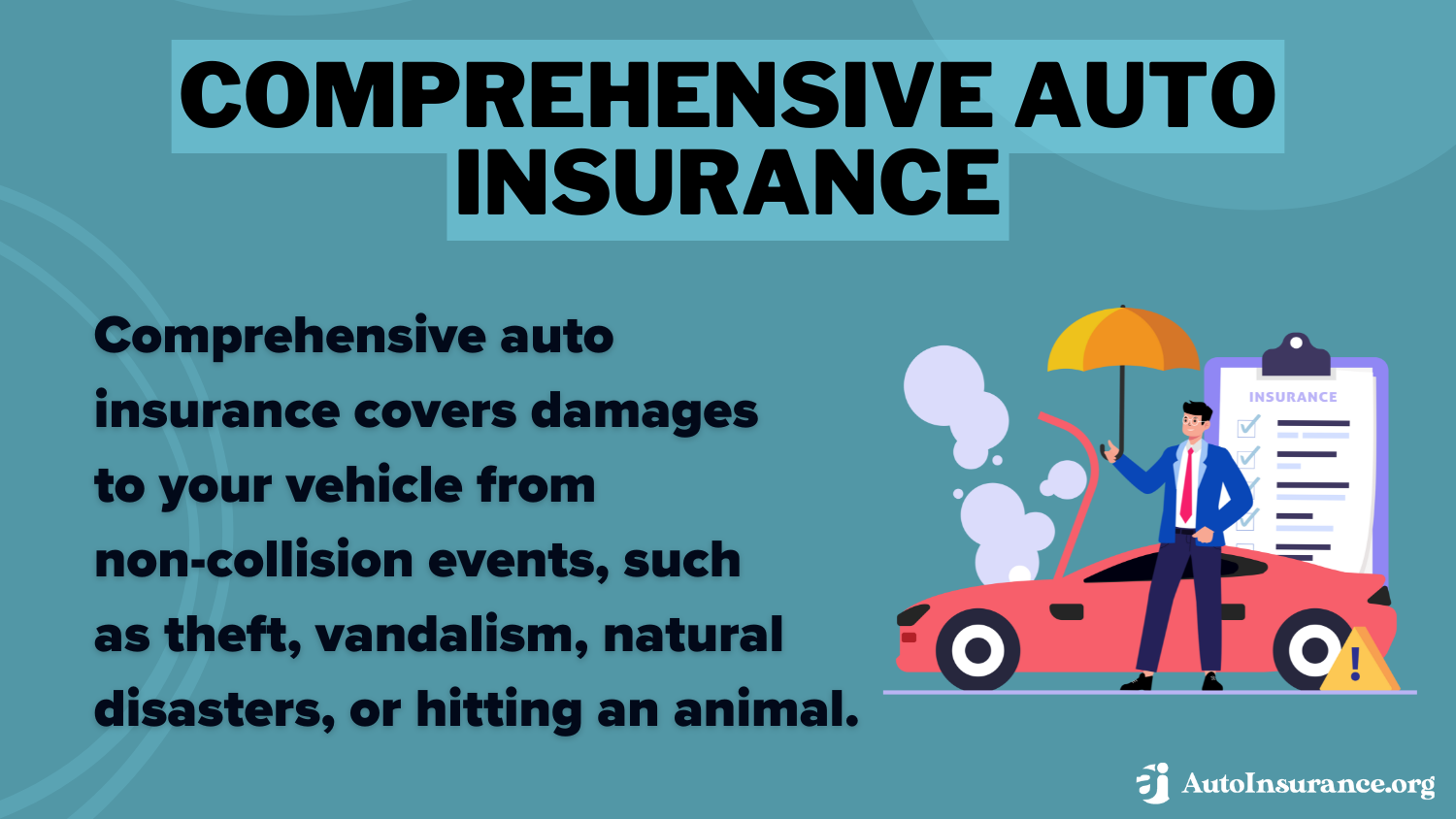
- Comprehensive Coverage: Protects against non-collision events, including theft, fire, vandalism, animal strikes, glass breakage, and weather-related damage such as hail or floods.
Policy Features, Discounts, and Cost Factors
Insurance premiums are calculated using actuarial risk models. Understanding what influences the cost of an Amshield auto insurance policy helps consumers make informed adjustments to manage their monthly or semi-annual expenses.
| Coverage / Factor Type | Description | Impact on Policy |
|---|---|---|
| Deductible Level | The out-of-pocket amount paid before insurance kicks in (e.g., $500 vs. $1,000). | Higher deductibles lower monthly premiums; lower deductibles increase premiums. |
| Driving Record | History of accidents, speeding tickets, and moving violations over the past 3 to 5 years. | Clean records secure lower rates; violations or at-fault accidents increase risk assessments. |
| Vehicle Use & Mileage | Annual mileage driven and whether the vehicle is used for commuting, pleasure, or business. | Lower annual mileage generally correlates with reduced premium costs. |
| Bundling Discounts | Combining auto insurance with renters, homeowners, or umbrella policies. | Typically yields a percentage discount on total insurance expenditures. |
| Safety Features | Anti-lock brakes, airbags, passive restraint systems, and factory-installed anti-theft devices. | Reduces the severity risk, qualifying the policy for specific safety discounts. |
Managing Your Policy and Customer Experience
Policyholders maintaining coverage through regional networks or specialized programs require efficient channels for ongoing administration. Managing an auto insurance policy involves several routine administrative tasks.
Accessing Policy Documents and ID Cards
Proof of insurance is legally required while operating a motor vehicle. Policyholders can typically access digital insurance identification cards, policy declarations pages, and billing statements through online customer portals or mobile applications provided by the servicing entity. It is recommended to keep a digital copy accessible on a smartphone while maintaining a physical paper copy in the vehicle's glove compartment.
Making Premium Payments
Insurance companies offer multiple billing cycles, including monthly, semi-annual, or annual payments. Setting up recurring automated clearing house (ACH) withdrawals or credit card payments prevents accidental policy lapses. A policy lapse not only leaves the driver legally uninsured but can also trigger higher future premium rates and cancellation fees.
Requesting Policy Modifications
Life changes often require updating an auto insurance policy. Policyholders must promptly notify their provider of events such as:
- Purchasing a new vehicle or selling an existing one.
- Adding a newly licensed teen driver to the household.
- Changing a primary residential address or garage location.
- Modifying vehicle use from recreational to commercial or ridesharing.
Failing to report these changes accurately can result in claim denials or retroactive premium adjustments.
Filing and Managing a Claim
The true test of any auto insurance policy is the claims process. When an accident or vehicle damage occurs, following a structured procedure ensures compliance with policy conditions and expedites resolution.
Immediate Steps After an Accident
- Ensure Safety: Move vehicles out of traffic if possible and check all passengers for injuries. Call emergency services immediately if medical attention is required.
- Contact Law Enforcement: File a police report. An official police report provides an objective third-party account of the incident, which is critical for the claims adjusting process.
- Exchange Information: Collect names, contact details, insurance policy numbers, license plate numbers, and driver's license information from all involved parties.
- Document the Scene: Take clear photographs of vehicle damage, road conditions, traffic signs, and skid marks from multiple angles.
- Notify the Insurer: Report the claim to the provider as soon as possible through their designated claims hotline or online portal.
The Claims Investigation Process
Once a claim is filed, an insurance adjuster is assigned to investigate the incident. The adjuster reviews the police report, interviews involved drivers and witnesses, inspects the physical damage, and determines liability based on state tort laws and policy contract terms. For physical damage claims, the vehicle will be inspected by a staff appraiser or through digital photo review to estimate repair costs at an approved network repair facility.
Comparing Amshield with Alternative Insurance Providers
When evaluating auto insurance options, consumers should compare rates, financial stability, and customer service metrics across multiple carriers. Specialized regional providers often compete with national direct-to-consumer insurance brands by offering personalized agent support, whereas national carriers may provide more robust digital toolsets and broader roadside assistance networks.
- Regional Specialization: Regional carriers may have a deeper understanding of local traffic patterns, legal environments, and litigation trends within specific states, potentially translating to more accurate underwriting.
- National Carriers: Large national insurers typically feature expansive mobile apps, 24/7 digital claim tracking, and a wider array of specialized endorsements like accident forgiveness and new car replacement coverage.
Consumers should obtain quotes from at least three different providers, ensuring that each quote matches identical coverage limits and deductible levels to make an accurate apples-to-apples comparison.
Common Mistakes to Avoid When Buying Auto Insurance
Navigating auto insurance purchases involves several potential pitfalls that can leave drivers financially exposed or overpaying for unnecessary coverage.
- Selecting State Minimums Solely to Save Money: While state minimum liability limits lower upfront premium costs, they leave personal assets severely vulnerable if a major accident results in damages exceeding those low limits.
- Failing to Update Driver Information: Leaving former household members or ex-spouses on a policy, or failing to add new licensed drivers, can complicate claims processing and violate policy terms.
- Ignoring Comprehensive and Collision on Older Vehicles: Continuing to pay for physical damage coverage on a car whose market value is lower than the deductible plus annual premium cost is financially inefficient.
- Overlooking Deductible Affordability: Choosing a high deductible (such as $1,500) to lower monthly payments is counterproductive if unexpected out-of-pocket expenses cannot be paid immediately in the event of a claim.
Frequently Asked Questions
How do I check the status of my Amshield auto insurance policy?
Policy status, billing history, and active ID cards can be verified by logging into the customer portal online or by contacting customer service directly through the phone number listed on your billing statements and insurance card declarations page.
What should I do if my policy is up for renewal and my rates increase?
Rate increases can occur due to statewide insurance pool adjustments, localized accident trends, or changes in your personal driving record. Contact your agent or customer service representative to review available discounts, adjust your deductibles, or evaluate whether modifying coverage limits can reduce the premium.
Does Amshield provide roadside assistance?
Roadside assistance availability depends on the specific policy endorsements selected at purchase. If added, this coverage typically provides towing, flat tire changes, jump-starts, and lockout services. Review your policy declarations page to confirm whether towing and labor coverage is active.
How are insurance payouts calculated for a totaled vehicle?
If a vehicle is deemed a total loss, the insurer calculates the payout based on the Actual Cash Value (ACV) of the car immediately prior to the accident. This value is determined by evaluating recent sales of similar make, model, year, and condition vehicles in your local geographic market, minus any applicable deductible.
Can I cancel my auto insurance policy at any time?
Yes, policyholders can cancel their auto insurance policy at any time, typically by submitting a written cancellation request or calling customer service. Unearned premiums paid in advance are usually refunded on a pro-rata basis, though some carriers charge a nominal cancellation fee.
Next Actions and Recommendations
To secure the most appropriate auto insurance protection, begin by gathering your current policy declarations page, vehicle identification numbers (VIN), and an accurate record of your driving history. Request quotes from multiple licensed providers to compare premium pricing against coverage limits. Prioritize adequate liability protection that safeguards personal assets over merely choosing the cheapest available rate, and verify all licensing credentials through your state Department of Insurance before finalizing any policy agreement.