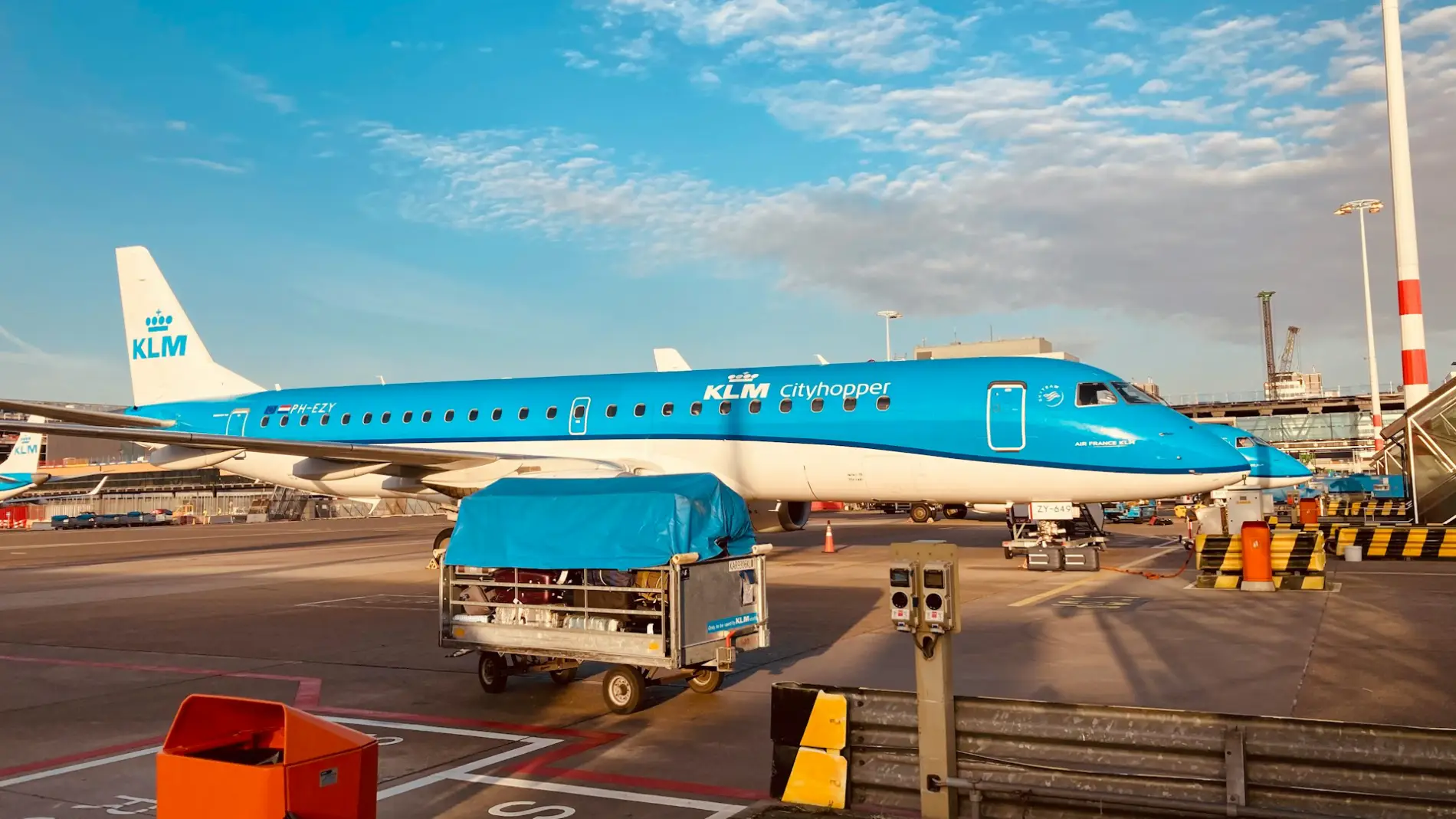
Amsterdam Airport Schiphol plays a central role in global aviation, balancing high passenger volumes with ambitious environmental targets to achieve a sustainable transport ecosystem. Travelers passing through this major European hub encounter a variety of eco-friendly initiatives, from electric ground operations and energy-efficient terminal infrastructure to sustainable aviation fuel programs and intermodal travel integrations designed to reduce the overall carbon footprint of modern journeys.
Introduction to Amsterdam Airport Schiphol and Environmental Strategy
Amsterdam Airport Schiphol (AMS) is one of Europe’s most critical aviation crossroads, serving as a primary base for Royal Dutch Airlines (KLM) and a major connector for international flights. Because of its massive scale, the airport's administration—Royal Schiphol Group—faces immense scrutiny regarding its environmental impact. In response, Schiphol has established a comprehensive sustainability strategy centered on decarbonizing airport operations, minimizing noise pollution, promoting circular economy principles, and encouraging passengers to choose sustainable travel alternatives.
Understanding how Amsterdam Airport Schiphol fits into sustainable travel requires examining both the structural transformations happening behind the scenes and the choices available to everyday passengers. While aviation is inherently carbon-intensive, modern airports are evolving from simple transit points into managed ecosystems striving for net-zero emissions. Schiphol’s strategy is built around several pillars: reducing Scope 1 and Scope 2 emissions from buildings and ground vehicles, working alongside airline partners to lower Scope 3 emissions in the air, and facilitating seamless transitions to rail and public transit.
- Royal Schiphol Group Sustainability Framework
- Airport Operations
- Fully Electric Airside Vehicle Fleet
- Energy-Efficient Terminal Lighting & Climate Ctrl
- Circular Waste Management
- Passenger & Airline
- Sustainable Aviation Fuel (SAF) Incentives
- Rail-Air Intermodal Connections
- Noise & Emissions Fees
- Airport Operations
Terminal Infrastructure and Energy Efficiency
The physical infrastructure of Amsterdam Airport Schiphol requires vast amounts of energy for climate control, lighting, baggage handling, and retail operations. To curb this demand, Schiphol has transitioned entirely to Dutch wind energy for its electricity consumption, significantly reducing its direct carbon footprint. Terminal buildings utilize advanced thermal insulation, LED lighting arrays, and smart building management systems that dynamically adjust heating and cooling based on passenger density and outdoor weather conditions.
Water conservation and circular waste management represent another vital dimension of terminal sustainability. Schiphol has implemented comprehensive waste-sorting programs across all piers and public areas, aiming to recycle or repurpose a vast majority of operational and passenger-generated waste. Food service providers within the terminals are encouraged to source locally and minimize single-use plastics, aligning airport retail practices with broader European environmental directives.
Key Infrastructure Initiatives
- Renewable Electricity: 100% powered by electricity generated from Dutch wind farms.
- Smart Climate Control: Automated HVAC zones that optimize energy usage according to real-time occupancy.
- Circular Waste Streams: Extensive source separation for paper, plastic, organic waste, and glass throughout public and restricted areas.
- Lighting Modernization: Complete transition to high-efficiency LED fixtures across piers, gates, and baggage halls.
Ground Operations and Airside Decarbonization
Sustainable travel at Schiphol extends far beyond the terminal doors out onto the tarmac and taxiways. Ground handling operations historically relied heavily on diesel-powered equipment, but Schiphol has aggressively electrified its airside vehicle fleet and fixed electrical ground power (FEGP) infrastructure.
When aircraft park at a gate, instead of running their jet fuel-powered Auxiliary Power Units (APUs) to maintain cabin electricity and climate control, they plug directly into terminal-supplied electricity and pre-conditioned air units. This technical intervention prevents thousands of tons of localized carbon dioxide and particulate emissions every year. Furthermore, baggage tractors, pushback tugs, and service vehicles are increasingly battery-powered, transforming the airside environment into a lower-emission workplace.
Intermodal Travel: Connecting Air and Rail
One of the most effective ways to lower the carbon footprint of a journey that touches Amsterdam Airport Schiphol is to replace short-haul flights with high-speed rail connections. Schiphol boasts an integrated railway station located directly beneath the main terminal complex, offering direct connections to Amsterdam Central Station, Rotterdam, The Hague, and international destinations across Belgium and France.
Royal Schiphol Group actively collaborates with national and international rail operators to promote "Fly-Rail" combinations. For passengers traveling on short-haul routes—such as Amsterdam to Brussels—airlines and rail networks offer combined ticketing options. This shifts travelers from carbon-intensive regional aircraft onto electrified rail lines, freeing up precious airport slot capacity for long-haul international flights where no viable ground alternative exists.
| Transport Mode | Average CO2e per Passenger-Kilometer | Integration at Schiphol |
|---|---|---|
| High-Speed Rail | Very Low (approx. 14–30g) | Direct station underneath the main terminal |
| Long-Haul Aviation | High (approx. 150–250g) | Primary hub function with global reach |
| Electric Regional Bus | Low (approx. 30–50g) | Dedicated bus terminal outside Schiphol Plaza |
| Conventional Taxi / Car | High (approx. 120–180g) | Designated EV charging hubs and drop-off zones |
Sustainable Aviation Fuels (SAF) and Airline Collaboration
While ground operations and rail connections are essential, the vast majority of aviation's environmental impact occurs in the air. Airports cannot mandate airline fuel choices directly due to international regulatory frameworks, but Schiphol uses economic incentives—such as differentiated airport charges—to encourage airlines to utilize Sustainable Aviation Fuel (SAF).
Airlines operating cleaner, quieter, and more fuel-efficient aircraft pay lower landing fees at Schiphol, while older, noisier, and high-emission aircraft face financial penalties. Additionally, initiatives like the corporate SAF program allow businesses and individual travelers to purchase SAF certificates to cover their specific flight legs, directly financing the higher cost of bio-derived or synthetic jet fuels and helping scale up the nascent supply chain.
Practical Guidance for Eco-Conscious Travelers
Travelers passing through Amsterdam Airport Schiphol can actively reduce their journey's environmental impact by making informed choices at every stage of the travel lifecycle.
- Prioritize Rail for Regional Legs: If your final destination is within the Netherlands, Belgium, or western Germany, use the underground Schiphol railway station rather than booking connecting regional flights.
- Utilize Public Transit to the Airport: Skip private taxis and rental cars by taking the direct train or electric regional buses straight to Schiphol Plaza.
- Pack Light: Aircraft fuel consumption correlates directly with total weight. Packing efficiently contributes to lower fuel burn per passenger seat.
- Opt for SAF Programs: When booking flights through participating carriers operating out of Schiphol, consider contributing to Sustainable Aviation Fuel voluntary purchase programs.
- Support Airport Sustainability Vendors: Purchase food and retail items from terminal vendors certified under Schiphol's sustainable procurement standards.
Frequently Asked Questions
How does Amsterdam Airport Schiphol reduce its carbon emissions?
Schiphol reduces direct emissions by running its terminals and ground infrastructure entirely on renewable wind energy, electrifying airside ground support equipment, and supplying stationary aircraft with terminal-provided electricity and pre-conditioned air to eliminate auxiliary fuel burn.
Can I travel directly from Schiphol by train?
Yes, the NS (Dutch Railways) train station is located directly underneath the main terminal building, offering frequent domestic services to Amsterdam Central and international high-speed rail connections to destinations like Brussels and Paris.
What is Sustainable Aviation Fuel (SAF) and how is it used at Schiphol?
SAF is a drop-in replacement for conventional fossil jet fuel derived from renewable sources such as used cooking oils or agricultural waste. Schiphol encourages its adoption through pricing structures that reward airlines operating fuel-efficient fleets and supporting scalable supply initiatives.
Are there electric vehicle charging options at Schiphol parking facilities?
Yes, Schiphol provides extensive electric vehicle charging infrastructure across its short-term and long-term parking garages, allowing passengers to charge electric cars while traveling.
How do airport fees encourage cleaner aircraft at Schiphol?
Schiphol utilizes a differentiated tariff system where airlines operating quieter, modern, and lower-emission aircraft receive discounts on landing and parking fees, whereas older, noisier planes incur higher charges.
Conclusion and Next Actions
Amsterdam Airport Schiphol demonstrates that major global aviation hubs can pursue meaningful environmental transformations through targeted investments in renewable energy, terminal efficiency, airside electrification, and intermodal transport integration. While aviation faces deep-rooted technological challenges, adopting sustainable travel habits—such as utilizing the underground rail link, choosing carriers committed to SAF adoption, and minimizing luggage weight—allows passengers to contribute directly to a lower-carbon travel future when transiting through Schiphol.