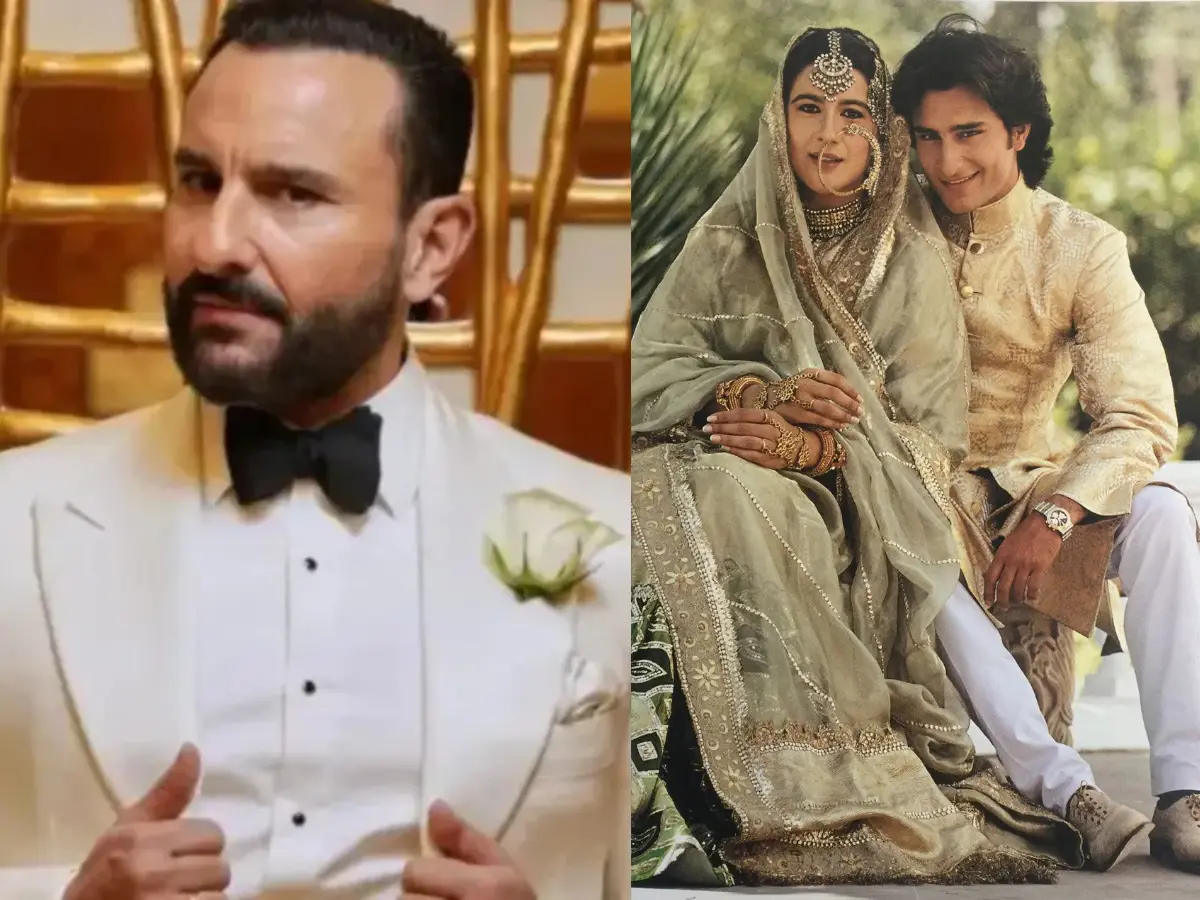
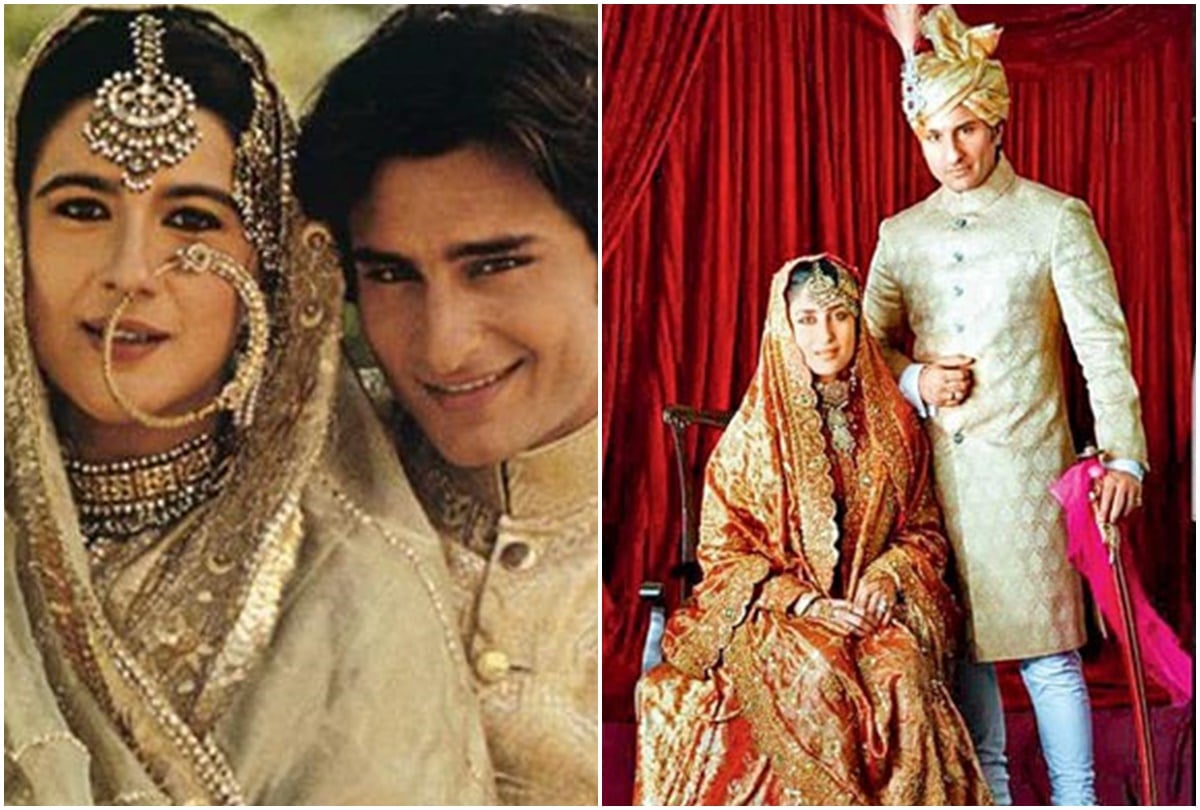
The dynamic between Amrita Singh and Saif Ali Khan remains one of the most widely discussed chapters in the modern history of Indian cinema. Their high-profile romance, traditional and civil marriage in 1991, subsequent divorce in 2004, and their paths as individual performers and parents to Sara Ali Khan and Ibrahim Ali Khan form a rich narrative of personal resilience and artistic evolution within Bollywood.
Evaluating their relationship and individual careers requires looking past tabloid headlines to examine their professional trajectories, the cultural context of 1990s Hindi cinema, and how both actors managed transitions across changing eras of the Indian film industry. This retrospective explores their backgrounds, their marriage, their individual filmographies, and their post-divorce trajectories up to 2026.
Chronological Overview of the Relationship
The relationship between Amrita Singh and Saif Ali Khan began in the early 1990s, capturing intense media attention due to a notable age gap, differences in their religious and cultural upbringings, and their respective positions in the film industry. Amrita Singh was already an established leading lady who had achieved mainstream stardom with hits like Betaab (1983) and Saheb (1985). Saif Ali Khan was a newcomer striving to establish his footing in Bollywood.
Despite societal pressures and media scrutiny, the couple married in October 1991. The marriage predated Saif Ali Khan’s major commercial breakthrough, Yeh Dillagi (1994) and Dil Chahta Hai (2001), positioning Amrita Singh as the more established star during the initial years of their domestic life.
| Milestone / Event | Year | Context and Significance |
|---|---|---|
| First Meeting and Courtship | 1990–1991 | Met during early photo shoots and film circles, leading to a swift courtship. |
| Marriage | 1991 | Wed in a private ceremony, after which Amrita Singh temporarily stepped away from mainstream acting. |
| Birth of Sara Ali Khan | 1995 | First child of the couple, who later pursued a career as a Bollywood actress. |
| Birth of Ibrahim Ali Khan | 2001 | Second child of the couple, entering the entertainment industry as an adult. |
| Separation and Divorce | 2004 | Ended their 13-year marriage through a formal legal separation and divorce. |
Amrita Singh: Stardom and Career Evolution
Amrita Singh entered the Hindi film industry with a striking screen presence and a sharp, versatile acting style that broke away from traditional damsel archetypes. Born to a Punjabi Sikh father and a Rukhsana Sultana (a prominent political figure) mother, Singh brought a distinct confidence to the screen.
The Peak Years and Breakthrough Roles
Her debut film, Betaab (1983), opposite Sunny Deol, was a massive box-office blockbuster. Her portrayal of a headstrong young woman resonated with audiences, immediately establishing her as a top-tier heroine. Throughout the 1980s, she maintained a prolific schedule, starring in diverse genres ranging from romantic dramas to action thrillers and comedies. Notable films from this decade include:
- Saheb (1985)
- Chameli Ki Shaadi (1986)
- Khudgarz (1987)
- Waaris (1988)
Character Transitions and Character Acting
Following her marriage and a hiatus to raise her children, Amrita Singh returned to cinema in the 2000s, successfully pivoting from lead roles to powerful character parts. Her performance as the fierce and vindictive mother in Rajkumar Santoshi's 23 March 1931: Shaheed (2002) and her acclaimed portrayal of a cunning politician in Kalyug (2005) demonstrated her range. Later, her gripping performance in 2 States (2014) as a proud, protective Punjabi mother earned her widespread critical praise and commercial recognition, proving her enduring relevance in contemporary Indian cinema.
Saif Ali Khan: From Struggling Newcomer to Versatile Leading Man
Saif Ali Khan’s career trajectory offers a study in perseverance. Born to veteran actress Sharmila Tagore and legendary cricketer Mansoor Ali Khan Pataudi, Khan faced immense expectations upon entering the film industry.
Early Struggles and the Turning Point
His early films in the early 1990s met with mixed critical and commercial receptions. While songs from films like Parampara (1993) and Aashiq Awara (1993) gained popularity, Khan struggled to secure his status as a reliable leading man until the mid-1990s. The turning point arrived with the multi-starrer romance Yeh Dillagi (1994) and the comedy Main Khiladi Tu Anari (1994), where his comic timing alongside Akshay Kumar won over audiences.
However, it was Farhan Akhtar’s watershed coming-of-age film Dil Chahta Hai (2001) that redefined Saif Ali Khan’s screen persona. Playing the endearing, commitment-phobic Sameer, Khan captured the mood of urban Indian youth at the turn of the millennium. This success paved the way for career-defining performances in:
- Kal Ho Naa Ho (2003)
- Hum Tum (2004), for which he won the National Film Award for Best Actor
- Parineeta (2005)
- Omkara (2006), where he delivered a chilling, anti-hero performance as Langda Tyagi
Venturing into Complex Content and Streaming
As the Hindi film industry evolved through the 2010s and 2020s, Khan expanded his repertoire into experimental cinema and streaming platforms. His portrayal of troubled police officer Sartaj Singh in Netflix’s pioneering Indian original series Sacred Games (2018–2019) marked a major milestone in Indian digital entertainment, demonstrating his willingness to embrace gritty, non-formulaic narratives.
Co-Parenting and Family Dynamics Post-Divorce
Following their formal divorce in 2004, Amrita Singh retained primary custody of their children, Sara and Ibrahim. Despite the public nature of their split, both actors maintained a focus on supporting their children's upbringing.
Sara Ali Khan entered the Hindi film industry with Kedarnath in 2018 and has since established a prominent acting career. Both Amrita Singh and Saif Ali Khan have publicly expressed pride in their children's professional choices. Saif Ali Khan subsequently married actress Kareena Kapoor in 2012, with whom he has two sons, Taimur and Jehangir, while maintaining an active presence in his older children's lives.
Frequently Asked Questions
When did Amrita Singh and Saif Ali Khan get married and divorced?
Amrita Singh and Saif Ali Khan married in October 1991 after a brief courtship. After 13 years of marriage, they separated and finalized their divorce in 2004. Throughout their marriage, they welcomed two children, Sara and Ibrahim.
What was the impact of their marriage on Amrita Singh's acting career?
Following her marriage in 1991, Amrita Singh stepped away from full-time acting for over a decade to focus on her family and raising her children. She returned to the screen in the early 2000s, successfully transitioning into mature character roles that highlighted her acting versatility.
How did Saif Ali Khan's career progress after his divorce from Amrita Singh?
Saif Ali Khan’s career experienced significant growth following their separation in 2004. He delivered acclaimed performances in commercial and romantic dramas like Hum Tum (2004) and critical masterclasses like Omkara (2006), later expanding into streaming platforms with series such as Sacred Games.
Are Sara Ali Khan and Ibrahim Ali Khan pursuing careers in entertainment?
Yes. Sara Ali Khan entered Bollywood as a lead actress in 2018 with Kedarnath and has starred in several major commercial films. Ibrahim Ali Khan has also pursued work behind and in front of the camera within the Indian film industry.
What awards has Saif Ali Khan won for his acting?
Saif Ali Khan has received numerous accolades throughout his career, most notably the National Film Award for Best Actor for his performance in the romantic comedy Hum Tum (2004), alongside multiple Filmfare Awards across various categories, including Best Supporting Actor and Best Performance in a Negative Role.
Conclusion and Next Actions
The lives and careers of Amrita Singh and Saif Ali Khan reflect the profound shifts within Bollywood from the 1980s through the digital era. For researchers, film historians, and enthusiasts studying Indian cinema, examining their filmographies provides valuable insight into the changing dynamics of stardom, career longevity, and personal reinvention in the public eye. To explore further, examine individual film retrospectives or contemporary critical analyses of 1990s and 2000s Indian cinema.