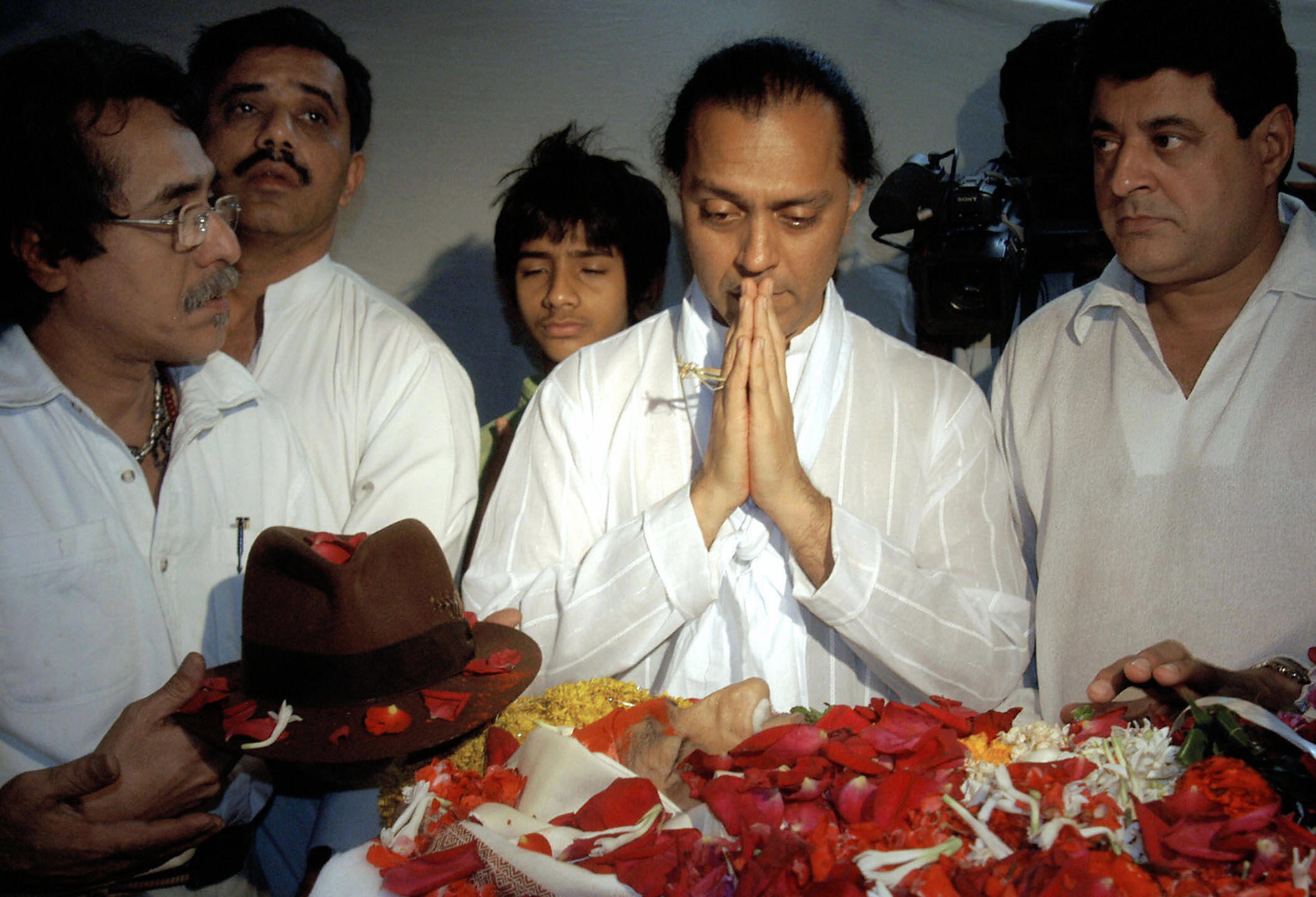
Amrish Puri accumulated a substantial net worth through a prolific five-decade career in Indian cinema, starring in over 400 films as one of Bollywood's most iconic villains and character actors. While exact, audited financial portfolios from mid-20th-century Indian cinema remain private, financial analysts and industry historians estimate his career earnings from peak decades placed his estate in a strong financial standing prior to his passing in 2005. His financial legacy stems from decades of high-volume film production, prominent international projects like Steven Spielberg’s Indiana Jones and the Temple of Doom, extensive theater work, and lucrative commercial endorsements.
The Cinematic Foundation: Decoding Amrish Puri’s Professional Peak
Analyzing the financial standing of a veteran actor from the golden and post-golden eras of Hindi cinema requires a comprehensive look at how the entertainment industry operated during the late 20th century. Amrish Puri did not enter the film industry through the traditional overnight stardom path; rather, he built his craft methodically through decades of rigorous theatrical experience before transitioning to commercial cinema in his late thirties.
The Transition from Stage to Silver Screen
Before commanding top-tier remuneration in Bollywood, Puri spent years with the Satyadev Dubey theater group, performing on stage and lending his distinct baritone voice to radio commercials and voiceovers. Theater during the 1960s and 1970s in India was rarely a source of major wealth, but it established his reputation as a formidable acting talent. When he finally made his feature film debut in the 1970s, directors recognized his unmatched screen presence.
This foundation allowed him to transition from playing small supporting thugs and henchmen to securing principal antagonistic roles that drove film narratives. By the 1980s and 1990s, the Hindi film industry shifted toward high-budget action and dramatic thrillers where a strong, terrifying antagonist was just as critical to a film's box office success as the romantic lead. This industry shift directly elevated Puri’s market value, positioning him among the highest-paid character actors of his generation.
Volume and Consistency in Film Production
Unlike contemporary actors who often commit to a single project per year, Puri operated during an era where top actors worked on multiple film sets simultaneously. His filmography features over 400 credits spanning Hindi, Kannada, Punjabi, Telugu, Tamil, and Malayalam cinema, alongside international ventures.
This high-volume output translated into a steady, reliable revenue stream. While individual paychecks for supporting actors in the 1980s and early 1990s did not match the astronomical multi-million-dollar profit-sharing deals secured by lead heroes of the 21st century, the sheer volume of his work accumulated substantial wealth. Producers recognized that adding Amrish Puri to a cast sheet guaranteed dramatic weight and commercial viability, giving him strong leverage in salary negotiations.
Key Income Streams Contributing to Amrish Puri’s Wealth
Amrish Puri’s financial portfolio was diversified across several distinct sectors of the entertainment industry, maximizing his earning potential well beyond standard movie salaries.
| Income Stream | Description & Financial Impact |
|---|---|
| Feature Film Salaries | Earned steady, high-tier fees for over 400 roles across multiple regional Indian languages. |
| International Cinema | Secured significant compensation for high-profile Hollywood productions like Indiana Jones (1984). |
| Theater & Stage Work | Provided foundational credibility, continuous artistic engagement, and secondary performance fees. |
| Commercial Endorsements | Capitalized on his iconic persona to secure lucrative brand partnership deals in later career decades. |
International Exposure: Indiana Jones and the Temple of Doom
A major milestone that elevated both Puri’s global profile and his financial standing was his casting as the ruthless Thuggee high priest Mola Ram in Steven Spielberg's 1984 Hollywood blockbuster Indiana Jones and the Temple of Doom. While Indian actors working in Hollywood during that period rarely commanded modern Hollywood-scale pay parity, international projects offered compensation packages significantly higher than standard domestic Hindi film rates. Furthermore, this international exposure opened doors to global recognition, reinforcing his brand value back in India.
Regional Cinema and Multilingual Reach
Puri’s ability to perform across various linguistic industries in India allowed him to tap into diverse regional economies. He commanded premium fees not only in Bollywood (Mumbai) but also in South Indian film industries (Tollywood, Kollywood, and Sandalwood), where production houses often paid top dollar to secure pan-Indian star power for critical antagonist roles. This cross-industry demand insulated his career from localized box office slumps in any single regional market.
Voiceovers, Advertisements, and Commercials
Beyond feature films, Puri’s distinctive, booming voice and imposing physical stature made him a sought-after figure for television commercials and brand endorsements as the Indian television market expanded through the 1990s. Commercial endorsements represented an efficient, high-margin revenue stream that required minimal time commitment compared to feature film shoots.
Asset Management, Real Estate, and Lifestyle
In line with traditional financial wisdom among veteran Bollywood actors of his generation, Puri prioritized tangible, secure investments over volatile market speculations. Real estate acquisitions in prime residential areas of Mumbai formed the core of his asset portfolio.
Real Estate Holdings in Mumbai
Mumbai real estate has historically served as a primary store of wealth for Indian film personalities. Puri owned prominent residential property in the western suburbs of Mumbai, an area traditionally favored by film industry veterans due to its proximity to major studios and production houses. Property values in these neighborhoods appreciated exponentially over the decades following his initial purchases, securing long-term capital preservation for his family estate.
Financial Prudence and Estate Planning
Unlike some contemporary stars prone to lavish, high-risk financial ventures, Puri maintained a disciplined, professional approach to money management. Colleagues and industry insiders frequently noted his punctuality, professionalism, and astute business sense. This financial stability ensured that his family retained a secure estate following his passing in January 2005.
Comparative Context: Earnings of 1980s and 1990s Bollywood Antagonists
To understand Amrish Puri's financial standing, it is helpful to examine the economic ecosystem of Bollywood during his peak active years (roughly 1980 through 2004).
- Remuneration Models: During the 1980s, actors were typically paid flat fees per film rather than backend profit percentages. Top villains like Amrish Puri, Pran, and Prem Chopra commanded the highest brackets within the supporting actor category, often earning amounts comparable to mid-tier leading men.
- Production Budgets: Film budgets during this era were modest compared to modern multi-billion-rupee productions. Consequently, absolute net worth figures from this era appear conservative by 2026 standards, yet represented elite wealth within the socioeconomic context of 20th-century India.
- Inflation and Real Estate Growth: Real estate acquired during the 1970s and 1980s in Mumbai has undergone massive appreciation, meaning the intrinsic value of historical estates tied to veteran actors has multiplied significantly over subsequent decades.
Frequently Asked Questions
What was the estimated net worth of Amrish Puri?
Exact public financial disclosures or audited net worth statements for Amrish Puri do not exist, as private wealth reporting standards in India during his lifetime did not require public transparency. However, industry estimates place his accumulated wealth at several million dollars, driven by 400+ films, international projects, and prime Mumbai real estate.
How much did Amrish Puri earn from Indiana Jones and the Temple of Doom?
Specific contractual figures for his role as Mola Ram in the 1984 Spielberg film have never been publicly disclosed. Industry reports indicate it was one of the highest single-project paychecks of his career at that time, reflecting international production compensation standards.
Did Amrish Puri work in industries outside of Bollywood?
Yes. While he is primarily celebrated for his work in Hindi cinema (Bollywood), Puri acted extensively in Punjabi, Kannada, Telugu, Tamil, and Malayalam films, establishing a pan-Indian career footprint that maximized his earning potential.
What were Amrish Puri’s primary investment assets?
Like many veteran actors of his generation, Puri focused heavily on prime Mumbai real estate acquisitions, long-term bank securities, and stable financial instruments to secure his family's financial future.
How did Amrish Puri start his acting career?
Puri began his acting journey on stage with the Satyadev Dubey theater group in Mumbai during the 1960s. He did not achieve mainstream film success until his late thirties, proving that sustained professional longevity can outweigh early-career stardom.
Conclusion and Legacy
Amrish Puri’s financial standing was the direct result of a legendary work ethic, unmatched professional versatility, and astute asset management across a career spanning five decades. By anchoring his wealth in tangible real estate and maintaining a continuous, high-volume presence across multiple language film industries and international cinema, he built a secure and enduring financial legacy. Beyond numbers and estimates, his true enduring value remains etched in the cinematic history of Indian film, where his iconic performances continue to define an entire era of storytelling.