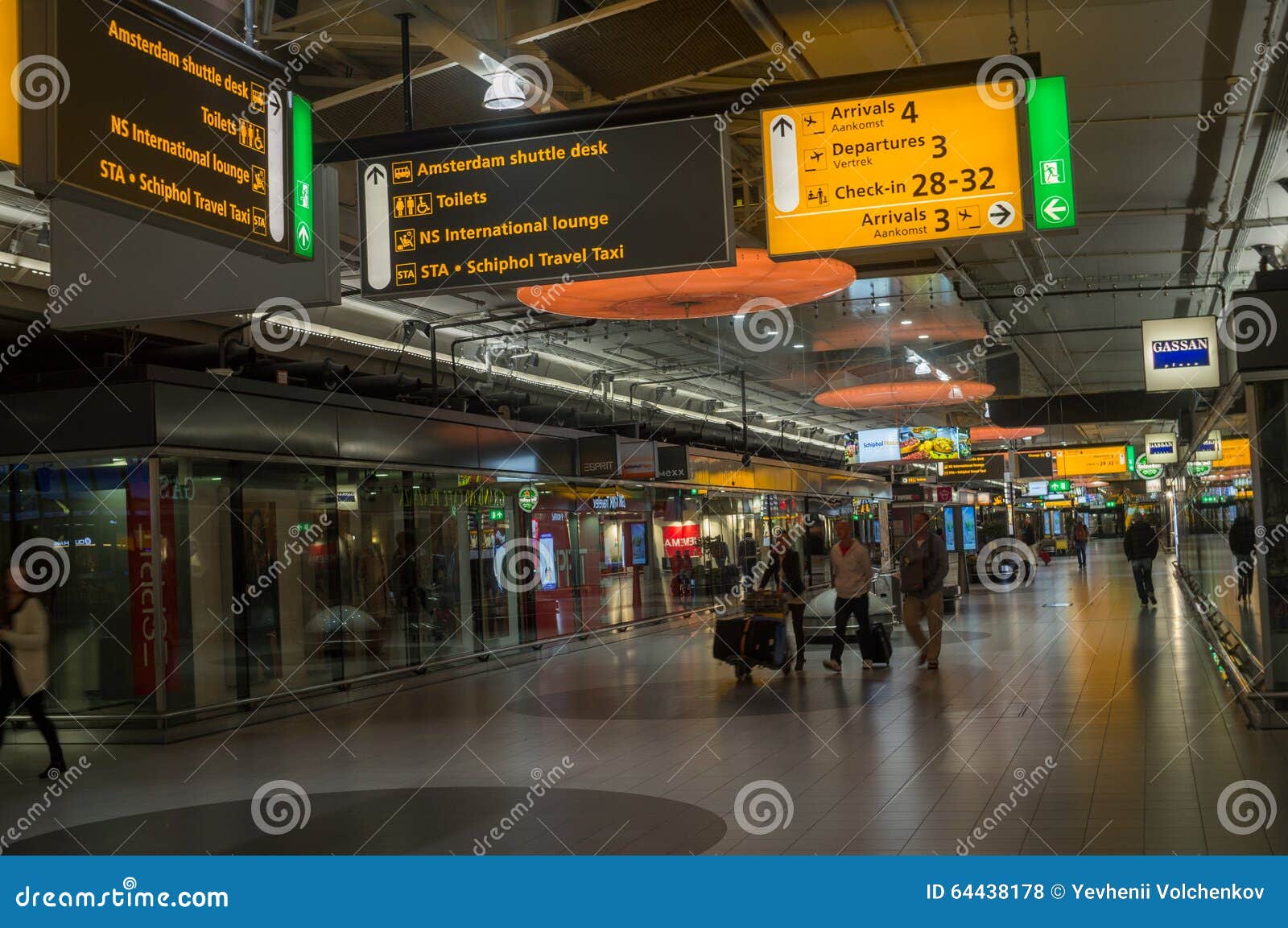
Amsterdam Airport Schiphol ranks among Europe’s most vital aviation hubs, accommodating tens of millions of arriving passengers annually through a single, highly integrated terminal complex. Understanding the scale of operations, terminal layout, processing capacities, and structural organization helps travelers navigate customs, baggage claim, and ground transportation efficiently upon landing.
Understanding Amsterdam Schiphol International Airport and Its Arrival Scale
Amsterdam Airport Schiphol (AMS) operates as a primary gateway to Europe, functioning as the main hub for KLM Royal Dutch Airlines and a major destination for international long-haul and regional European flights. When travelers investigate the scale of Amsterdam Schiphol international airport arrivals—asking how many flights, terminals, or passengers pass through the facility—they encounter a massive, highly centralized operational ecosystem designed to process high volumes of global traffic efficiently.
Unlike multi-terminal mega-airports spread across vast geographic footprints, Schiphol famously operates under a "one-terminal concept." This architectural design houses all arriving and departing passengers under one massive roof divided into three main departure and arrival halls (Halls 1, 2, and 3), which converge onto a central plaza known as Schiphol Plaza. This layout simplifies passenger orientation while concentrating massive streams of international arrivals into a unified processing framework.
Evaluating the sheer volume of passenger and flight throughput requires examining annual traffic statistics, seasonal surges, and peak operational windows. Schiphol typically processes between 60 and 70 million passengers annually, translating to hundreds of thousands of individual aircraft movements and millions of arrivals across diverse global routes.
| Operational Metric | Approximate Annual Volume / Capacity | Description |
|---|---|---|
| Total Annual Passengers | 60M – 71M (historical baseline) | Combined total of arriving, departing, and transferring passengers. |
| Aircraft Movements | 450,000 – 500,000 flights/year | Total takeoffs and landings managed across six primary runways. |
| Terminal Configuration | 1 Central Terminal (3 Halls) | Unified building structure housing Arrivals 1, 2, and 3. |
| Baggage Claim Carousels | 10+ major belt allocations | Distributed across arrival halls corresponding to gate arrivals. |
Terminal Layout and Arrival Hall Organization
Navigating Schiphol arrivals begins the moment an aircraft touches down on one of the airport’s six runways—such as the distant Polderbaan runway, which can require a prolonged taxi time of up to 15 to 20 minutes to reach the gate. Once docked at a contact gate or parked at a remote hardstand requiring a bus transfer, passengers enter the secure airside corridors leading toward passport control and baggage reclaim.
Passport Control and Border Management
For international travelers arriving from outside the Schengen Area, clearing border control is the mandatory first major step. Schiphol processes Schengen and non-Shenghen arrivals through distinct pathways:
- Schengen Arrivals: Passengers arriving from countries within the Schengen Zone (such as France, Germany, or Spain) deplane directly into the terminal without routine border checks, proceeding straight to baggage claim or connecting gates.
- Non-Shenghen Arrivals: Passengers arriving from intercontinental destinations (such as North America, Asia, or the UK) must pass through Royal Netherlands Marechaussee passport control. Non-EU/EEA travelers face standard biometric verification, passport stamping, and eligibility checks. Automated e-gates are available for eligible biometric passport holders (EU, EEA, Swiss, and select partner nations like the US, Canada, Australia, Japan, and Singapore).
Baggage Reclaim Allocation
After clearing border control, passengers enter the baggage hall areas (Arrivals 1, 2, or 3) to retrieve checked luggage. Flight information display screens (FIDS) immediately direct travelers to the specific carousel assigned to their flight number.
- Arrivals 1: Primarily handles flights within the Schengen Area.
- Arrivals 2 & 3: Primarily handle non-Shenghen intercontinental flights, long-haul carriers, and non-EU arrivals.
Peak Arrival Times, Capacity Management, and Passenger Flow
Managing tens of millions of international arrivals annually requires meticulous slot coordination and capacity planning by Royal Schiphol Group and air traffic control authorities. The airport experiences distinct daily and seasonal peaks that influence processing times at border control and baggage delivery.
Daily and Seasonal Surges
Passenger arrival volumes peak heavily during specific windows of the day and year:
- Morning Bank: A massive influx of long-haul intercontinental flights arriving from North America and Asia typically touches down between 06:00 and 09:00 local time. This creates high demand at non-Shenghen passport control and baggage carousels.
- Evening Wave: A secondary arrival wave occurs during the late afternoon and early evening, driven by European regional flights and transatlantic connections.
- Seasonal Peaks: The summer holiday months (July and August) and major European holiday periods represent peak volume phases, where daily arrival numbers test processing infrastructure limits.
Capacity Caps and Operational Constraints
To balance environmental regulations, noise abatement rules, and passenger experience standards, Dutch authorities and airport management enforce annual caps on total aircraft movements. These capacity restrictions aim to manage noise pollution for surrounding residential areas while maintaining safety and operational fluidity across Schiphol’s six runways and extensive taxiway network.
Ground Transportation Options from Schiphol Arrivals
Once passengers exit the secure baggage reclaim area and enter Schiphol Plaza, they gain immediate access to a comprehensive, multi-modal ground transportation network designed to distribute high volumes of arrivals onward to Amsterdam and the rest of the Netherlands.
Rail Transport (NS Train Station)
The underground railway station situated directly beneath Schiphol Plaza represents the primary artery for departing arrivals. Dutch Railways (Nederlandse Spoorwegen - NS) operate high-frequency intercity and sprinter train services:
- Amsterdam Centraal: Direct trains depart every 5 to 10 minutes, completing the journey to the heart of Amsterdam in approximately 14 to 17 minutes.
- National Connectivity: Direct rail links connect Schiphol to major Dutch cities including Utrecht, The Hague, Rotterdam, and Eindhoven, as well as international destinations via Eurostar services.
Buses and Coaches
For regional travel and destinations not directly served by the rail network, numerous bus lines operate from the bus station immediately outside Schiphol Plaza. This includes the Amsterdam Airport Express (Bus 397), which provides direct transit to central Amsterdam and Museumplein.
Taxis, Ridesharing, and Car Rentals
- Schiphol Taxi Stands: Official, regulated taxi ranks are located directly outside Schiphol Plaza. Travelers are advised to use designated queue lines and avoid unlicenced solicitors.
- Car Rental Center: Major rental agencies operate out of the rental car desk area located within Schiphol Plaza, offering direct access to the surrounding A4 motorway network.
Frequently Asked Questions About Amsterdam Schiphol Arrivals
How many terminals does Amsterdam Schiphol Airport have?
Schiphol operates under a single, large terminal concept. Rather than multiple disconnected terminal buildings, the airport uses one central terminal divided into three distinct arrival and departure halls (Halls 1, 2, and 3) connected by Schiphol Plaza.
How long does it take to clear passport control for non-Shenghen arrivals?
Processing times at non-Shenghen passport control vary significantly depending on flight arrival banks and staffing levels. While automated e-gates for eligible passport holders typically process passengers in minutes, manual border control queues during peak morning intercontinental arrival windows can extend wait times to 30 to 60 minutes.
Where should I meet someone arriving on an international flight at Schiphol?
The standard meeting point for all arrivals is the large, prominent red-and-white checkered meeting cube located in the center of Schiphol Plaza, right outside the arrival halls. Clear signage throughout the arrivals area directs travelers and greeters to this central landmark.
How do I check if an arriving flight at Schiphol is on time?
Flight status updates can be tracked in real-time via the official Schiphol website or mobile application, which provides live data on landing times, gate assignments, baggage carousel numbers, and any potential flight delays or schedule adjustments.
Are there hotels located directly at Schiphol arrival areas?
Yes. Several hotels are situated within immediate walking distance of the terminal and Schiphol Plaza, including the Sheraton Amsterdam Airport Hotel and Conference Centre and the citizenM Schiphol Airport hotel, allowing arriving passengers to transition to accommodation without exiting the airport complex.
Practical Next Actions for Arriving Passengers
Travelers preparing for international arrivals at Amsterdam Schiphol should verify their flight status online before departure and confirm whether their passport qualifies for automated e-gate processing at border control. Upon landing, follow clear overhead signage toward baggage reclaim corresponding to your flight hall, clear customs declarations where applicable, and proceed directly to Schiphol Plaza to access trains, buses, or authorized taxis for your onward journey.