Securing liability auto insurance through Amtex Insurance requires meeting state-mandated minimum financial responsibility limits, providing valid identification, and maintaining a verifiable vehicle registration. As of 2026, policyholders must ensure their coverage aligns with specific jurisdictional laws where their vehicle is garaged, typically requiring proof of bodily injury and property damage coverage to remain legally compliant.
Overview of Amtex Insurance Services
Amtex Insurance operates primarily as an insurance agency and brokerage, facilitating access to various auto insurance products, including liability-only policies. Unlike a single-carrier model, Amtex acts as an intermediary, which means that while they manage the service and policy maintenance, the underlying liability requirements are strictly dictated by the state statutes where the policy is issued.
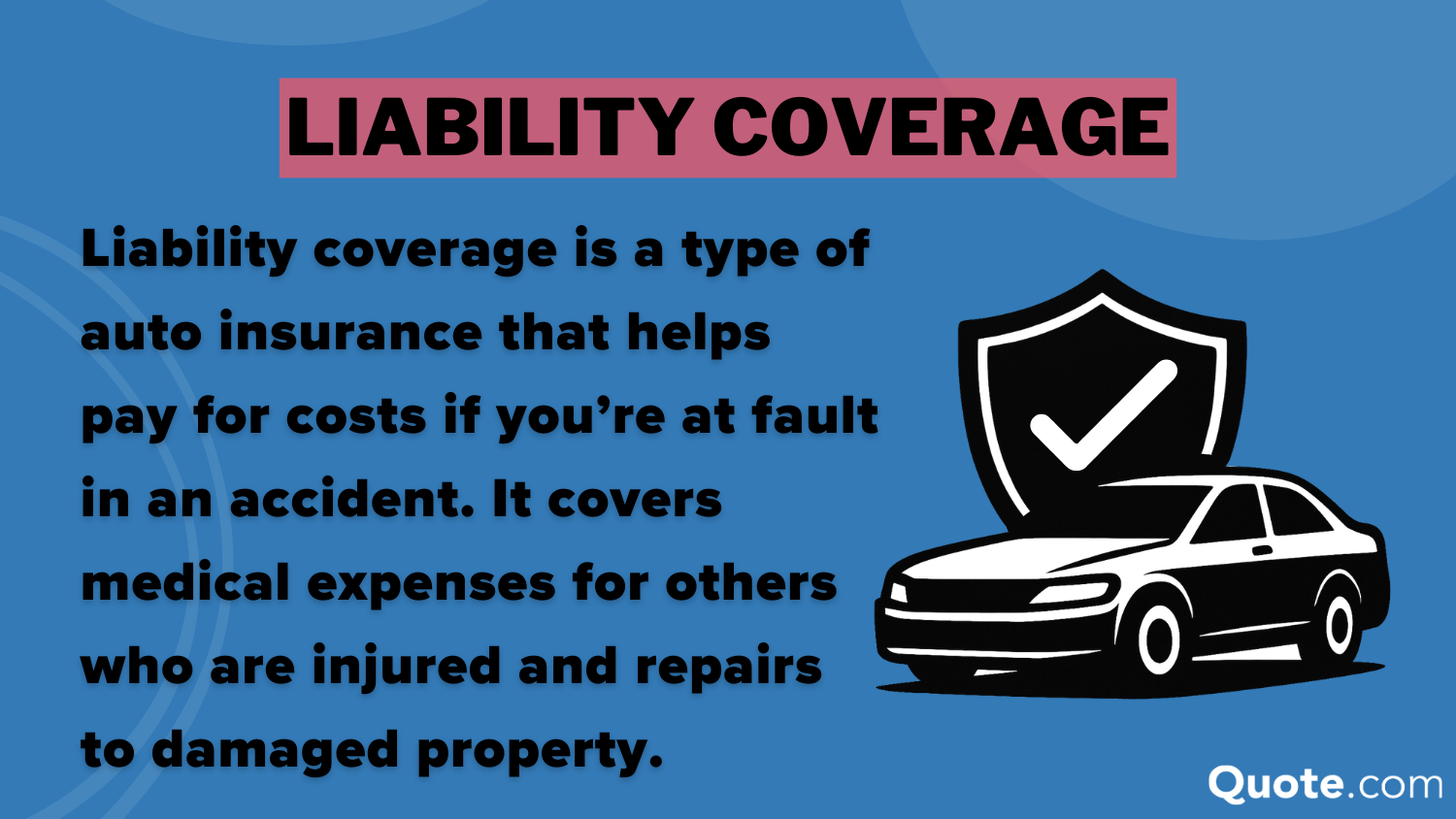
Liability insurance is the legal foundation for driving in the United States. It is designed to protect other parties if you are at fault in an accident. Because Amtex frequently serves drivers in regions with specific regulatory environments, such as Texas, understanding these "requirements" involves navigating both the agency's internal eligibility criteria and the external legal mandates of the Department of Motor Vehicles (DMV) or equivalent state transportation agencies.
Core Liability Requirements Defined
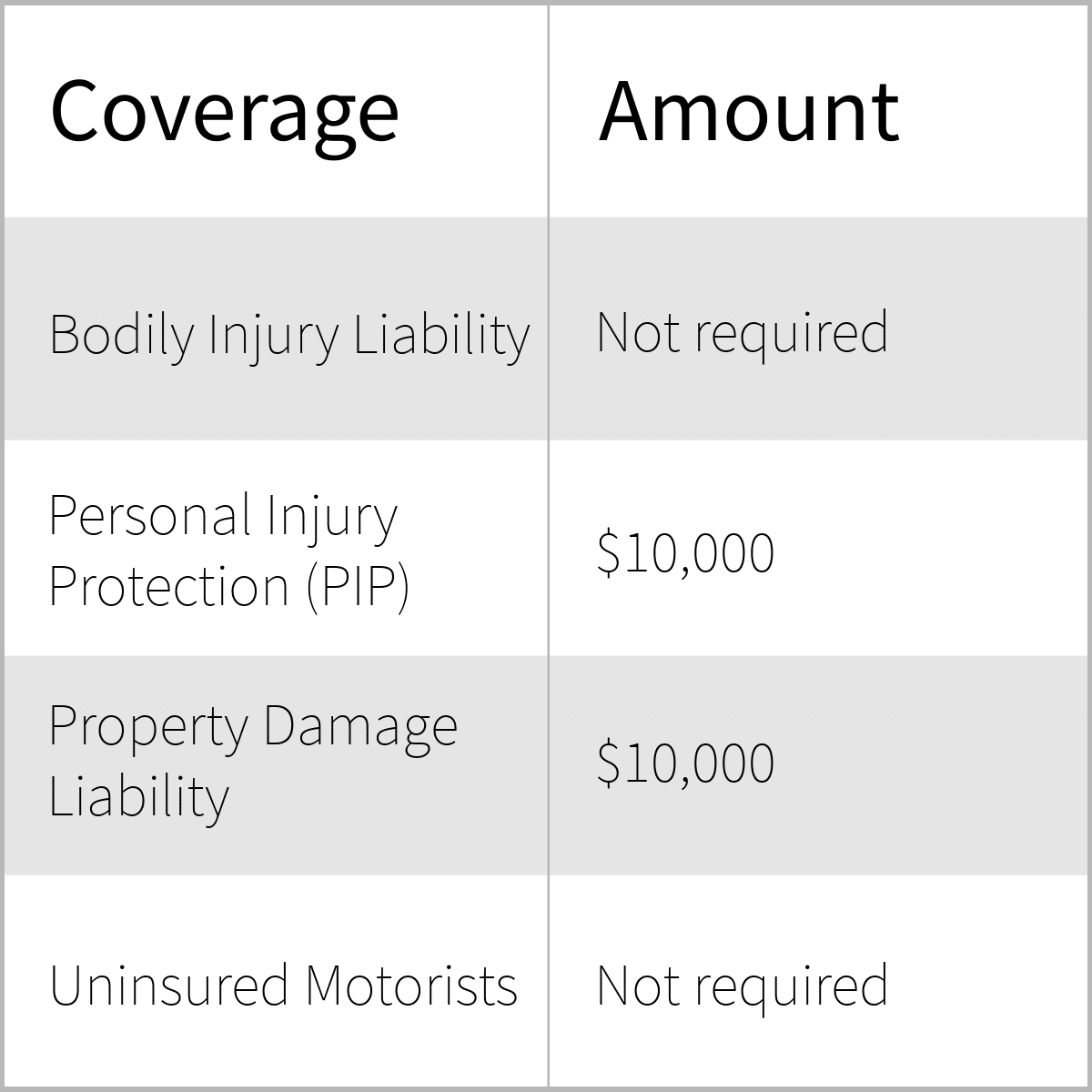
Liability insurance consists of two primary components: Bodily Injury (BI) and Property Damage (PD). To satisfy Amtex liability auto insurance requirements, your policy must meet or exceed the minimum threshold set by state law.
Bodily Injury Liability
This coverage pays for medical expenses, loss of income, and pain and suffering for other people involved in an accident where you are held responsible. In 2026, states generally require a minimum per-person and per-accident limit. Failure to maintain these levels can lead to the suspension of your driver’s license and the inability to register your vehicle.
Property Damage Liability
This component covers the repair or replacement costs for another person’s property, such as their vehicle, fences, or signage, damaged during an incident you caused. While minimums exist, legal experts often advise carrying limits higher than the state-mandated minimum to protect personal assets from civil litigation should an accident exceed these basic coverage levels.
Prerequisites for Obtaining Coverage
To initiate a policy with Amtex, prospective policyholders must have specific documentation prepared. The application process is standardized to ensure compliance with state reporting systems.
- Proof of Identity: A valid driver’s license, state-issued identification card, or passport is required. Amtex uses this to verify the policyholder’s legal ability to operate a vehicle.
- Vehicle Information: The Vehicle Identification Number (VIN), make, model, and year are mandatory. This data is checked against the National Insurance Crime Bureau (NICB) and state databases.
- Driving History: While Amtex may offer coverage to a broad range of drivers, your driving record, including accidents, moving violations, and claims history, will influence the premium and the underwriting eligibility.
- Registration Data: If you are currently insuring a vehicle, you must provide proof that the vehicle is registered in your name or that you have a legal interest in the asset.
Navigating State-Specific Mandates
It is a common misconception that insurance requirements are universal. They are, in fact, highly localized. If you are obtaining a policy through Amtex, the company will prompt you for the zip code where the vehicle is primarily garaged. This is the "rating territory," and it determines which state’s financial responsibility laws apply to your policy.
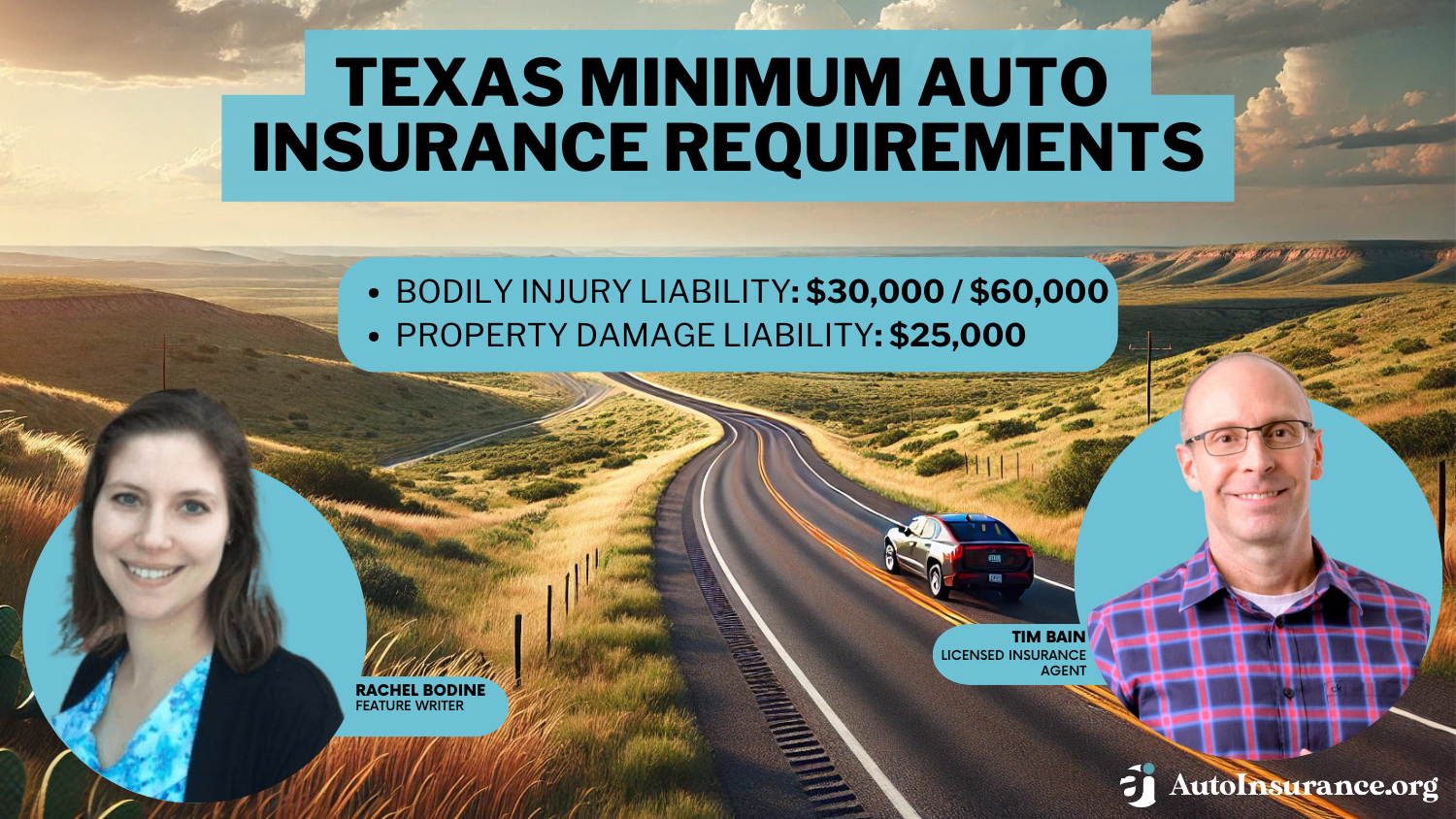
For example, if you reside in Texas, your policy must adhere to the 30/60/25 rule. This means you are required to have:
- $30,000 for bodily injury per person.
- $60,000 for bodily injury per accident.
- $25,000 for property damage per accident.
Amtex’s internal system is programmed to prevent the issuance of a policy that falls below these statutory floors. If you request a quote, the system will automatically adjust the minimums to match the legal requirements of your specific location.
Comparison of Coverage Tiers
When choosing your liability limits, it is important to distinguish between "legal minimums" and "financial safety." The table below outlines how these tiers generally function in relation to an Amtex policy purchase.
| Coverage Type | Minimum Legal Requirement | Recommended Protection |
|---|---|---|
| Bodily Injury (Per Person) | Varies by state ($30k typical) | $100,000+ |
| Bodily Injury (Per Accident) | Varies by state ($60k typical) | $300,000+ |
| Property Damage | Varies by state ($25k typical) | $50,000+ |
| Uninsured/Underinsured | Often Optional | Strongly Recommended |
Note: The "Recommended Protection" column represents industry-standard advice to prevent personal asset seizure in the event of a catastrophic loss, rather than a legal requirement.
The Role of Electronic Verification Systems
In 2026, most states utilize electronic insurance verification systems. This means that once your Amtex policy is active, the insurance provider reports the existence of your coverage directly to the state's database.
If you allow your policy to lapse, the state may send a notice of suspension to your registration. To avoid this, Amtex policyholders must ensure their billing information is updated. If a payment is missed, the grace period provided by the carrier is generally short. Once the policy is officially canceled in the carrier's system, a notification is sent to the state, and your vehicle is flagged as "uninsured."
Factors Influencing Eligibility and Premiums
While you may meet the requirements for basic liability, the cost and your ability to secure a policy can be influenced by several factors:
- Credit-Based Insurance Scores: Many jurisdictions allow insurers to use a modified credit score to determine premiums. A lower score might not disqualify you from obtaining state-minimum liability, but it will significantly increase the annual premium.
- Prior Lapses: If you have had previous gaps in coverage, Amtex may require an upfront payment of the entire premium or a larger down payment before coverage binds.
- Vehicle Type: High-performance vehicles or vehicles with high theft rates may have higher "liability" components, as the risk profile associated with the driver of such a vehicle is viewed differently by actuarial models.
Troubleshooting Coverage Issues
If you find that your Amtex policy is not being recognized by your local DMV or during a traffic stop, follow these troubleshooting steps:
- Verify the NAIC Code: Ensure the NAIC (National Association of Insurance Commissioners) number on your insurance card matches the carrier underwriting your policy through Amtex.
- Check for Policy Endorsement: Confirm that the VIN on your insurance policy exactly matches the VIN on your vehicle registration. Even a single-digit error can cause the state's electronic verification system to reject your coverage.
- Obtain a Hard Copy: Always keep a printed copy of your Proof of Financial Responsibility (the ID card) in your glove box. Electronic verification systems can experience outages, and a physical card is the only universally accepted proof of coverage during an enforcement encounter.
Frequently Asked Questions
Can I get liability-only insurance through Amtex?
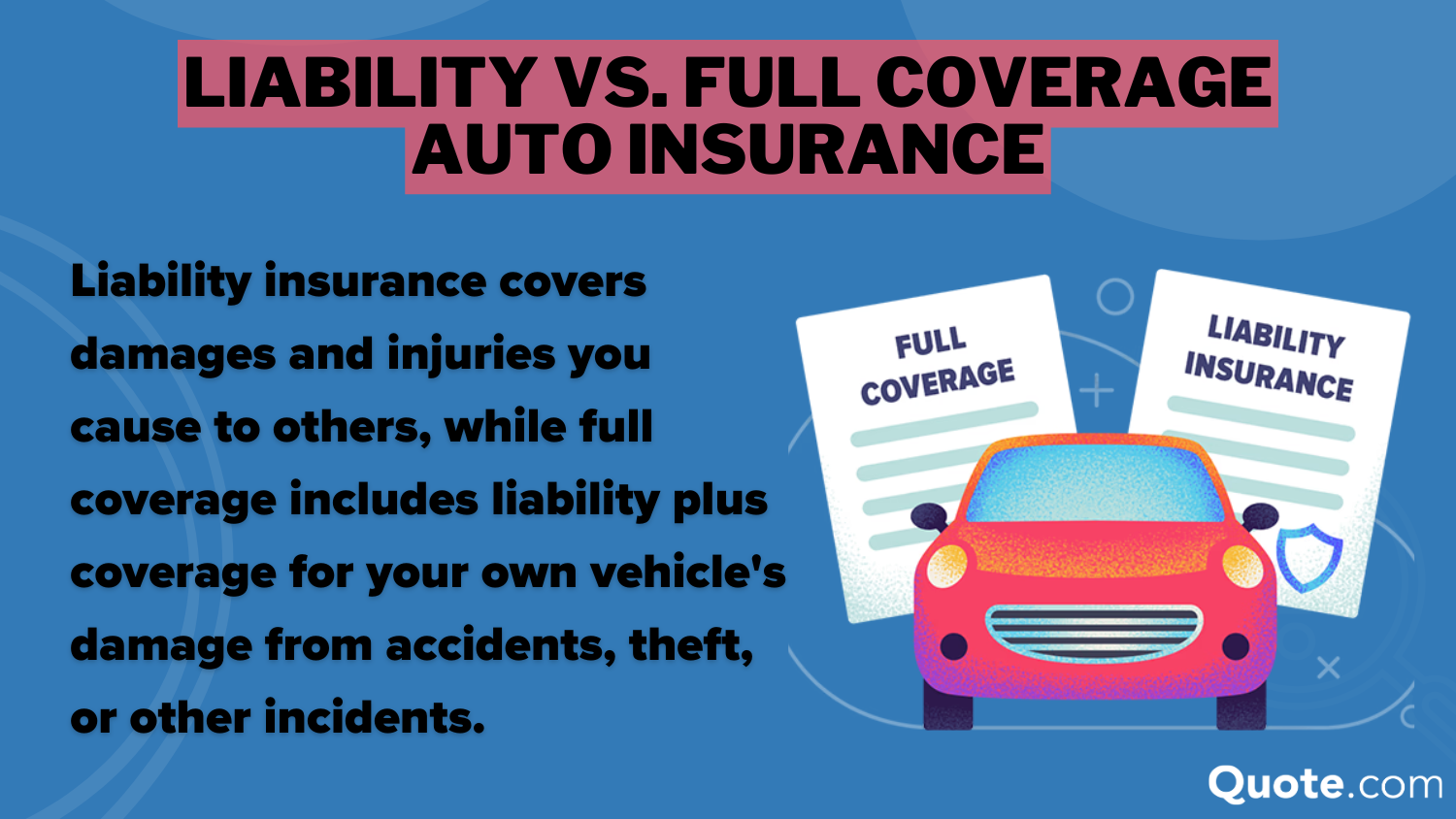
Yes, Amtex offers liability-only policies. These are designed specifically to meet the minimum financial responsibility laws of your state without the additional cost of comprehensive or collision coverage, which covers the damage to your own vehicle.
Does my Amtex liability insurance cover me in other states?
Yes, your liability policy is designed to follow you throughout the United States. If you cause an accident in a state with higher minimum requirements than your home state, your policy will automatically adjust its limits to meet the requirements of the state where the accident occurred.
What happens if I miss an Amtex premium payment?
If you miss a payment, your policy will enter a grace period. If you do not resolve the payment by the end of that period, your policy will be canceled. Amtex will then notify the state's DMV that you are no longer insured, which can result in the suspension of your vehicle registration and license plates.
Are there any "hidden" requirements for Amtex insurance?
There are no "hidden" requirements, but there are underwriting requirements. You must be a licensed driver, and the vehicle must be legally eligible for registration. If you are insuring a vehicle that has a "Salvage" or "Rebuilt" title, you may need to provide additional documentation regarding the vehicle's roadworthiness.
How do I prove my insurance to the police?
You should carry the official insurance card provided by Amtex. Most states now accept digital versions shown on a smartphone, but it is best practice to have a physical copy in the vehicle, as digital display requirements can vary by local jurisdiction.
Next Actions for Policyholders
If you are currently seeking to satisfy liability requirements through Amtex, the most effective first step is to visit a local Amtex office or their official portal to run a quote based on your specific vehicle and driving history. Ensure you have your driver’s license and vehicle registration document in hand. Once you obtain your policy, verify that the information printed on your insurance identification card exactly matches your vehicle's registration card. If there is a discrepancy in the name, address, or VIN, contact Amtex support immediately to request a correction, as inconsistencies are the primary cause of insurance verification failures at state registration offices.