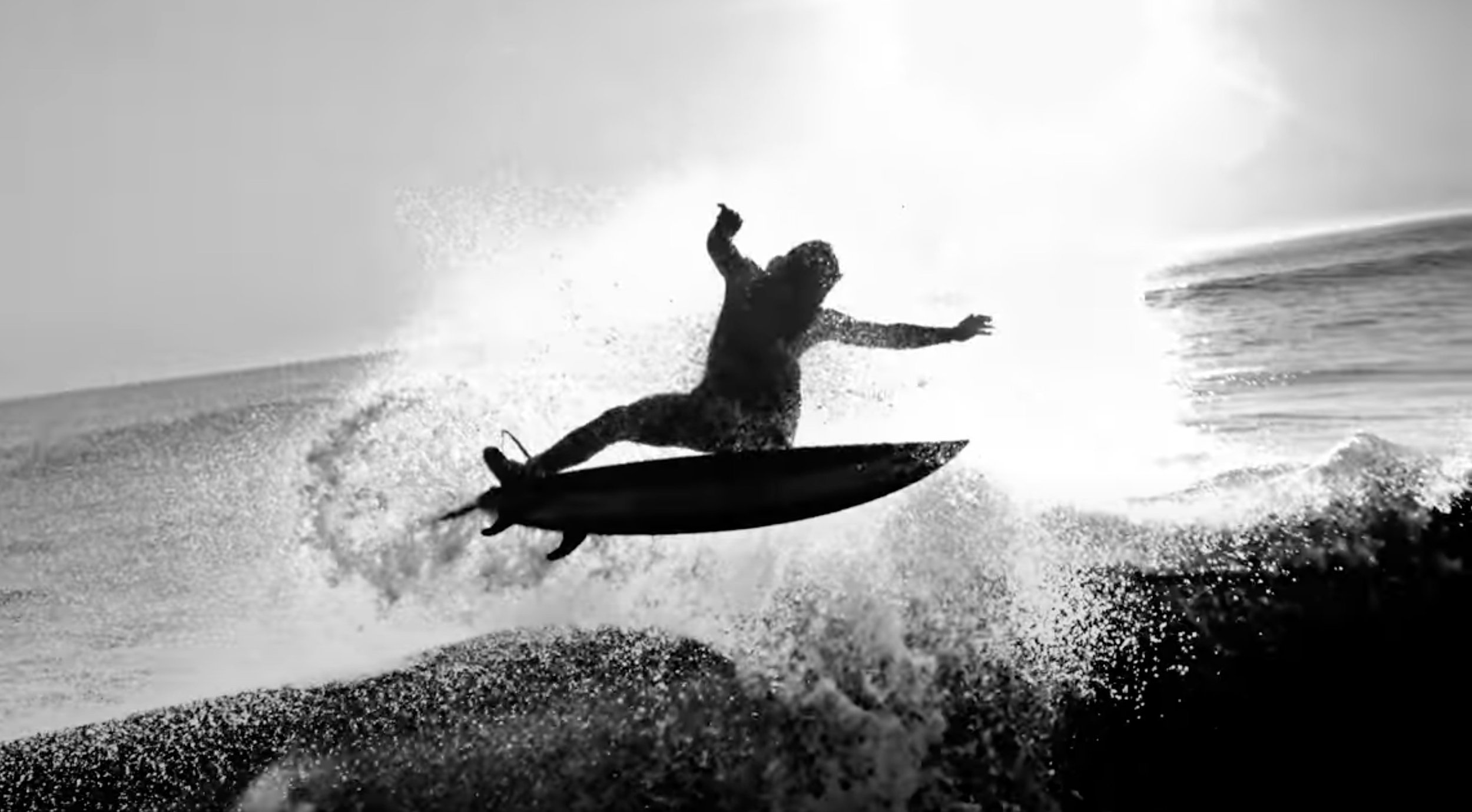
The HBO docuseries 100ft Wave reveals the physical, psychological, and logistical challenges of extreme big-wave surfing in Nazaré, Portugal. It details the dangers of massive underwater canyons, the financial and organizational hurdles of global rescue operations, and the high toll exacted on athletes pushing human limits.
Understanding the Scope of Big-Wave Surfing in Nazaré
To understand the intense friction and triumph captured on screen, it is necessary to examine the geographic and oceanographic anomalies that make Nazaré, Portugal, a focal point for extreme aquatic athletics. The coastal town is famous for the Nazaré Canyon, an underwater abyss roughly 230 kilometers long and reaching depths of up to 5,000 meters. This geological formation acts as an underwater funnel, collecting swell energy from the Atlantic Ocean and magnifying it as it hits the shallow continental shelf near Praia do Norte.
When offshore swells combine with local wind patterns, the canyon forces deep-water waves to stand up violently, creating towering walls of water that easily eclipse 80 to 100 feet in height. These are not ordinary wind-generated waves; they are organized meteorological phenomena packing immense kinetic energy. The documentary, directed by Chris Smith, does not merely showcase these spectacles as visual thrills. Instead, it positions the canyon as an unyielding adversary that tests the limits of nautical engineering, human lung capacity, and survival psychology.
The documentary traces the evolution of pioneers like Garrett McNamara, Justine Dupont, Andrew Cotton, and young challengers who migrate to this Portuguese fishing village each winter. By focusing on the day-to-day reality of waiting for swells, maintaining equipment, and managing psychological pressure, the production shifts the genre away from a standard sports highlight reel into a gritty character study. It exposes the hidden ecosystem of safety crews, jet ski mechanics, meteorologists, and medical responders who make the pursuit of a 100-foot wave possible.
Physical and Psychological Demands on Athletes
Surfing a wave the size of a multi-story building requires an elite conditioning regimen, but physical strength alone is insufficient when an athlete is trapped underwater. One of the primary themes brought to light in the documentary series is the terrifying nature of big-wave wipeouts. When a rider falls from a 100-foot face, they are frequently subjected to multi-wave hold-downs. This occurs when the initial wave buries the surfer deep beneath the surface, and before they can ascend to breathe, subsequent waves in the set break directly on top of them, forcing them back down.
The documentary details the rigorous apnea (breath-hold) training these athletes undergo to survive catastrophic underwater entrapments. Surfers spend hours in pools and specialized facilities practicing static and dynamic breath-holds under high-stress conditions. They simulate the heart-rate spikes and carbon dioxide buildup experienced during a violent wipeout. Despite this preparation, the psychological toll is profound. Athletes frequently battle performance anxiety, post-traumatic stress following near-drowning experiences, and the persistent dread of severe spinal or cranial trauma.
Moreover, the physical toll extends to chronic joint injuries, torn ligaments, and concussions. The impact of hitting water at terminal velocity can feel equivalent to hitting concrete. The series illustrates how athletes must continuously reconcile their passion with mortality, often confronting the reality that a single miscalculation could result in catastrophic injury or death. Families, partners, and support networks share this burden, creating an emotional landscape that is just as turbulent as the North Atlantic swells outside their doors.
Logistical and Rescue Challenges at Praia do Norte
While the public often focuses on the individual riding the board, the documentary reveals that big-wave surfing is fundamentally a team sport dependent on precise rescue logistics. Praia do Norte is a treacherous beach break characterized by heavy shorebreaks and unpredictable currents, making traditional rescue methods like paddle-out boards entirely ineffective.
Jet skis operated by seasoned water safety professionals are the absolute lifeline of Nazaré. Piloting a personal watercraft in the impact zone—where waves weighing thousands of tons are breaking—requires extraordinary navigation skills and absolute coordination. The rescue driver must time their entry into the churning white water, position the sled (a floating platform attached to the rear of the jet ski) for the downed surfer to grab, and escape before the next wave obliterates both of them.
The documentary highlights several critical challenges facing these water safety teams:
- Equipment Failure: Saltwater corrosion, engine strain, and violent impacts frequently disable jet skis in the middle of a rescue operation.
- Communication Barriers: High winds, heavy surf noise, and physical distance make radio communication unreliable, forcing teams to rely on hand signals and intuitive synchronization.
- Exhaustion Management: Rescuers operate in freezing water for hours at a time, battling physical fatigue while maintaining razor-sharp focus to protect athletes.
- Shorebreak Hazards: Navigating the shallow, crashing shorebreak to return a rescued surfer to the beach is often more dangerous than the open ocean extraction.
Financial, Cultural, and Community Dynamics
Beyond the physical arena, 100ft Wave exposes the economic and social complexities that arise when a sleepy fishing village transforms into the global epicenter of extreme sports. The influx of international media, sponsors, and aspiring big-wave surfers has profoundly altered Nazaré. Local residents, who once viewed the ocean primarily as a source of sustenance through fishing, now share their coastline with high-tech film crews, carbon-fiber watercraft, and floating fortunes in surf gear.
Financing a winter season in Nazaré is an immense hurdle for most athletes. Unlike traditional mainstream sports governed by lucrative league contracts, big-wave surfing relies heavily on volatile corporate sponsorships, personal savings, and self-funded expeditions. Maintaining a fleet of jet skis, purchasing specialized safety vests equipped with CO2 inflation canisters, paying for international travel, and securing lodging during the unpredictable winter season requires significant capital.
The documentary captures the friction between commercialization and the pure, grassroots ethos of the sport. It questions the sustainability of chasing ever-larger waves in an era of changing climate patterns and shifting economic landscapes. By documenting the local community's perspective, the series provides a balanced view of how modernization impacts a traditional European municipality, illustrating that the pursuit of human glory carries deep communal ripple effects.
Comparative Overview of Nazaré Versus Other Big-Wave Spots
To fully appreciate the unique challenges featured in the documentary, it helps to compare Nazaré with other legendary big-wave locations around the globe. Each venue presents distinct oceanographic obstacles that shape how athletes approach the sport.
| Location | Primary Geographic Feature | Main Operational Challenge | Dominant Rescue Method |
|---|---|---|---|
| Nazaré, Portugal | Deep underwater canyon | Massive shorebreak, shifting peaks, extreme volume | Specialized jet ski teams with rear rescue sleds |
| Jaws (Peahi), Hawaii | Deep-water reef break | Open ocean currents, fast-moving wall, remote access | Helicopter and jet ski coordination |
| Mavericks, California | Sub-surface rock pinnacles | Freezing water temperatures, shark presence, fog | Paddle-in and jet ski backup |
| Teahupo'o, Tahiti | Shallow coral reef | Razor-sharp reef shelf, heavy hollow slabs | Boat extraction and jet ski positioning |
As this comparison illustrates, Nazaré's primary hazard stems from its beach-break nature and the immense volume of water channeled by the canyon, distinguishing it from reef-bound behemoths like Jaws or Teahupo'o. This geographic reality dictates the specific safety protocols and equipment advancements highlighted throughout the documentary series.
Frequently Asked Questions
What makes the waves in Nazaré so large?
The primary driver is the Nazaré Canyon, a massive underwater ravine extending offshore. When Atlantic swells enter this deep trench and approach the shallow continental shelf, the energy compresses, causing the wave height to amplify dramatically into towering walls of water.
Why is jet ski safety crucial in the documentary?
Traditional rescue methods like surfboards are useless in the heavy shorebreaks of Praia do Norte. Specially equipped jet skis with rescue sleds are the only vehicles capable of navigating the impact zone to extract surfers trapped underwater before a subsequent wave strikes.
Are the surfers in 100ft Wave professional athletes?
Yes, the documentary features elite big-wave surfers, though their financial stability varies wildly. Many rely on a combination of corporate sponsorships, brand partnerships, and personal funding to finance their equipment, travel, and safety teams.
How do surfers survive holding their breath under multiple waves?
Surfers undergo intensive apnea and freediving training to build high tolerance for carbon dioxide and low oxygen levels. They practice static breath-holds and dynamic pool routines to manage panic and preserve cognitive function during extreme underwater hold-downs.
Where can I watch the 100ft Wave documentary?
The docuseries is an HBO production and is available for streaming on platforms that host HBO content, such as Max, depending on regional licensing agreements.
Next Actions for Enthusiasts and Researchers
For those looking to deepen their understanding of extreme oceanography and big-wave athletics, start by exploring meteorological resources that track Atlantic swell forecasts and bathymetric charts of underwater canyons. Reviewing safety protocols used by professional maritime rescue organizations provides further insight into the coordination required for extreme marine environments. For media researchers and sports enthusiasts, analyzing the production techniques and firsthand athlete accounts in 100ft Wave offers a comprehensive masterclass in documenting high-risk human endeavors.