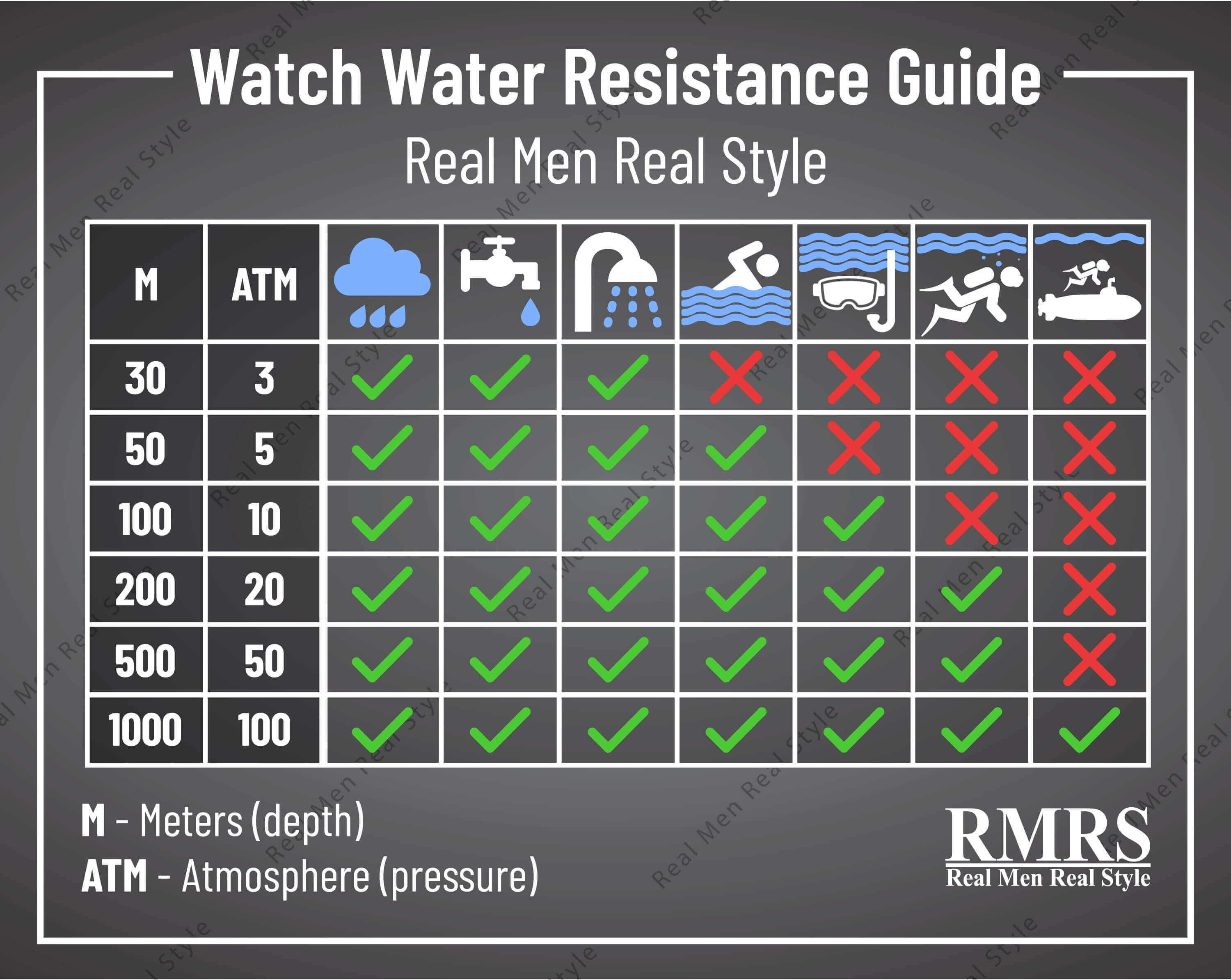
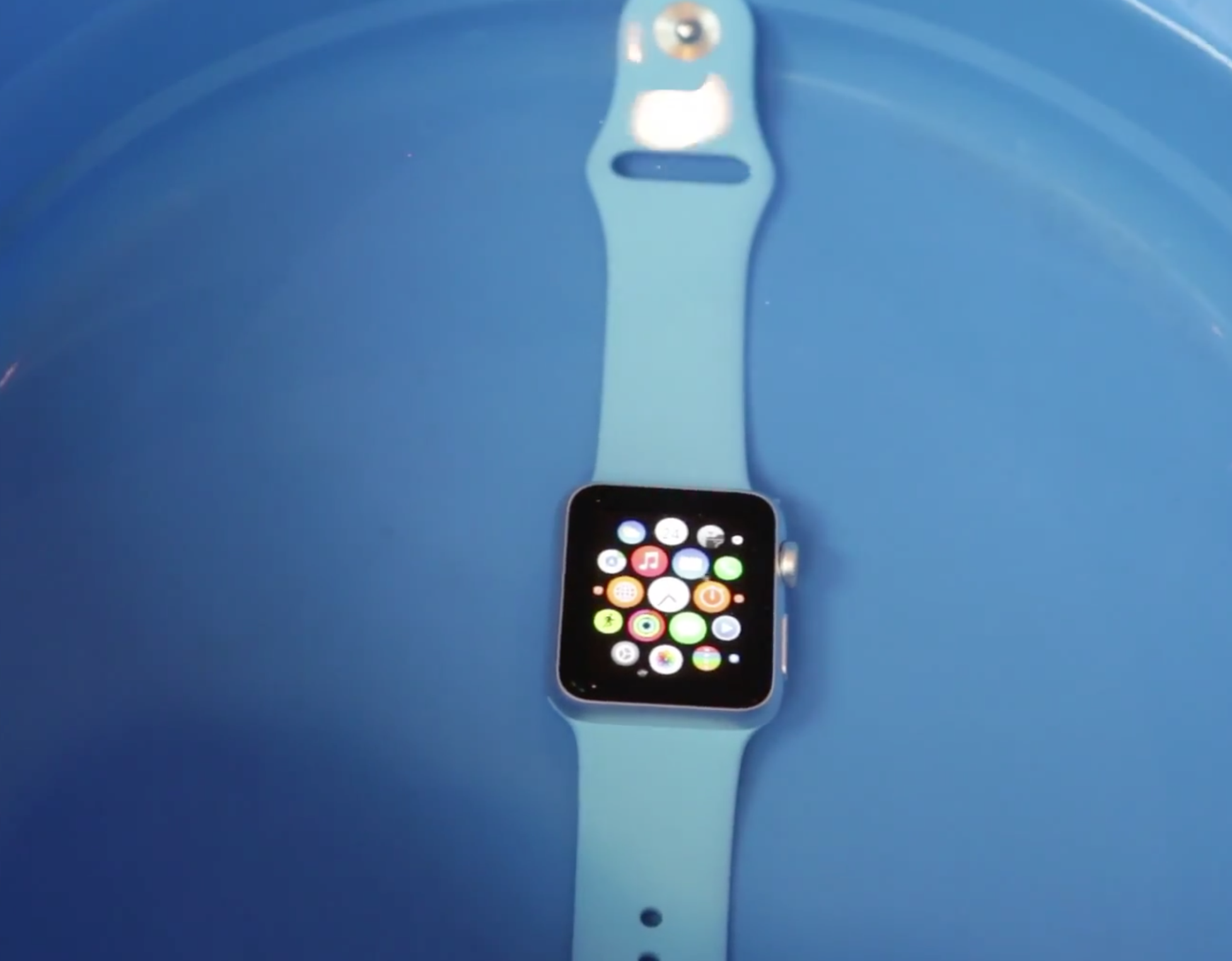
Apple Watches are water resistant, not waterproof, meaning they are designed to withstand water immersion and pressure to specific limits but are not impervious to liquid penetration. Water resistance is a temporary condition that degrades over time due to seal aging, chemical exposure, and physical wear, rather than a permanent state of the device.
For over a decade, the Apple Watch has evolved from a device that could barely survive a splash to a sophisticated tool capable of recreational scuba diving. However, a common misconception persists among users: the belief that "water resistant" is synonymous with "waterproof." In the world of consumer electronics, and specifically for the Apple Watch in 2026, understanding this distinction is the difference between a long-lasting wearable and an expensive paperweight.
Defining the Technical Gap: Water Resistant vs. Waterproof
To understand why your Apple Watch is water resistant and not waterproof, we must look at the engineering definitions used by the International Organization for Standardization (ISO).
Waterproof implies that the device is completely impervious to water under all conditions, indefinitely. In reality, almost no consumer electronic device is truly waterproof. Given enough pressure, time, or chemical degradation, water will eventually find a way past any seal.
Water Resistant, on the other hand, means the device is built to prevent water from entering under specific conditions—usually measured by depth (pressure) and duration. Apple Watches are tested against ISO standard 22810:2010. This standard covers watches intended for "short-period swimming" and indicates the level of pressure the watch can withstand in a static environment.
The internal components of an Apple Watch—the processor, battery, and haptic engine—are extremely sensitive to moisture. Apple achieves resistance using a combination of precision-machined housing, specialized adhesives, and rubber gaskets (O-rings) around the Digital Crown and the internal chassis. These materials are subject to the laws of physics: they expand, contract, and eventually dry out or lose their elasticity.
Evolution of Water Resistance Across Apple Watch Models
Since the original release, Apple has progressively improved the ingress protection of its wearables. While the 2026 lineup features the most robust seals yet, the legacy of how these ratings are applied remains vital for users who may be wearing older generations.
The Early Days: IPX7
The original Apple Watch (often called Series 0) and Apple Watch Series 1 were rated IPX7 under IEC standard 60529. This meant they were resistant to splashes and brief immersion in up to one meter of water for 30 minutes. Users were officially advised not to submerge them, though many did so successfully.
The Modern Standard: WR50
Starting with the Apple Watch Series 2 and continuing through the Series 11 in 2026, the standard rating shifted to WR50. This indicates water resistance to 50 meters under ISO standard 22810:2010. This rating makes the watch suitable for shallow-water activities like swimming in a pool or the ocean. However, it is not intended for high-velocity water or deep submersion.
The Professional Tier: WR100 and EN13319
The Apple Watch Ultra series (including the Ultra 2 and the 2026 Ultra 3) changed the landscape by offering WR100 resistance. More importantly, these models are certified to EN13319, an internationally recognized standard for diving accessories. This allows for recreational scuba diving to depths of 40 meters.
| Model Series | Water Resistance Rating | Primary Recommended Use |
|---|---|---|
| Apple Watch (1st Gen) / Series 1 | IPX7 (Splash Resistant) | Hand washing, rain, light sweat. |
| Series 2 through Series 11 (2026) | WR50 (50 Meters) | Pool swimming, ocean swimming (shallow). |
| Apple Watch SE (All Generations) | WR50 (50 Meters) | Pool swimming, shallow snorkeling. |
| Apple Watch Ultra / Ultra 2 / Ultra 3 | WR100 / EN13319 | Scuba diving (40m), high-speed water sports. |
What Actually Happens When Water Resistance Fails?
Water resistance is not a static feature; it is a "wear item" similar to the brake pads on a car. Several factors actively work to degrade the seals that keep your Apple Watch dry.
Chemical Exposure and Surfactants
The most common cause of water resistance failure isn't deep water; it’s the bathroom. Soaps, shampoos, conditioners, and lotions contain surfactants. These chemicals lower the surface tension of water, allowing it to slip past the microscopic gaps in the watch's gaskets. If you shower with your Apple Watch daily, the cumulative exposure to these chemicals will eventually perish the rubber seals.
High-Velocity Water
Even if a watch is rated for 50 meters of static pressure, it can fail in centimeters of water if that water is moving fast. Activities like water skiing, jet skiing, or even high-dive jumping create a "dynamic pressure" that far exceeds the rating of standard Apple Watch models. Only the Ultra series is designed to handle these specific high-impact scenarios.
Temperature Extremes
Using your Apple Watch in a sauna or steam room is one of the fastest ways to compromise its integrity. The intense heat causes the metal casing and the internal gaskets to expand at different rates. This differential expansion can create temporary gaps that allow steam (which is more invasive than liquid water) to enter the device.
The Role of "Water Lock" and Water Ejection
There is a widespread myth that enabling "Water Lock" somehow mechanically seals the watch. This is incorrect.
Water Lock is a software feature that performs two functions:
- Input Disabling: It locks the screen to prevent "ghost touches" caused by water droplets, which the capacitive screen mistakes for finger taps.
- Water Ejection: When you turn the Digital Crown to unlock the watch, the device plays a specific sequence of low-frequency sounds. These sound waves vibrate the speaker diaphragm with enough force to physically "spit" water out of the speaker cavity.
It is important to note that Water Lock does nothing to protect the internal components if the seals have already failed. It is an "after-the-fact" maintenance tool designed to ensure the speaker remains clear and functional.
Maintenance and Care for Longevity
To preserve the water resistance of your Apple Watch through 2026 and beyond, specific maintenance steps are required.
- Rinse After Salt or Chlorine: Saltwater and pool chemicals are corrosive. After swimming, always rinse your watch with fresh, lukewarm tap water.
- Avoid Pressurized Water: Never hold your watch directly against a high-pressure faucet or showerhead.
- Dry Thoroughly: Use a non-abrasive, lint-free cloth to dry the exterior. Do not use compressed air or external heat sources like hair dryers, as these can damage the seals.
- Inspect for Damage: If you drop your watch on a hard surface, the structural integrity of the casing or the adhesive holding the screen may be compromised, even if the glass isn't cracked. A small dent in the frame can be an entry point for moisture.
The Reality of Warranty and AppleCare+
Perhaps the most definitive proof that Apple Watches are not waterproof is found in Apple’s own warranty terms. The standard one-year limited warranty does not cover liquid damage. This policy is standard across the industry because there is no way for a manufacturer to verify if a device was submerged beyond its rated depth or if it was exposed to prohibited chemicals.
For users who frequently use their watch in water, AppleCare+ is highly recommended. AppleCare+ covers "accidental damage from handling," which includes liquid damage, though it usually requires a service fee or deductible. Without this coverage, a water-damaged Apple Watch is typically considered "beyond economical repair," and the out-of-warranty replacement cost is nearly the price of a new device.
Frequently Asked Questions
Can I wear my Apple Watch in the shower?
While Apple Watches are resistant enough to handle the water, Apple recommends against exposing the watch to soaps, shampoos, and conditioners. These substances can permanently damage the water seals and acoustic membranes. If you must wear it in the shower, ensure it is rinsed with fresh water immediately afterward.
Does the Apple Watch water resistance ever expire?
Yes, water resistance is not permanent. Seals naturally degrade over time. If your watch is three or four years old, the resistance is likely lower than it was when the device was new. Apple does not offer a service to re-seal or "re-waterproof" watches; once the seals are compromised, the device's resistance cannot be officially restored.
Can I go scuba diving with any Apple Watch?
No. Only the Apple Watch Ultra series (Ultra, Ultra 2, and Ultra 3) is rated for recreational scuba diving up to 40 meters. Standard models like the Series 10 or Series 11 are only rated for shallow-water activities and could fail under the pressure of a dive.
What should I do if my watch gets wet and the speaker sounds muffled?
This is normal. Water in the speaker port can temporarily muffle the sound. To fix this, use the Water Lock feature to eject the water. Do not insert anything into the speaker or mic ports (like paperclips or toothpicks) to remove water, as this will puncture the internal gaskets and destroy the water resistance.
Is the leather or metal band water resistant?
Generally, no. Most leather and metal Apple Watch bands are not intended for water use. Constant exposure to water can cause leather to rot or metal links to corrode or seize. If you plan on swimming, it is best to use a fluoroelastomer (Sport Band) or silicone band.
Final Recommendation for 2026 Users
If you intend to use your Apple Watch for frequent aquatic activities, treat it with the respect due to a precision instrument. For the average swimmer or enthusiast, a Series 10 or 11 provides ample protection, provided you avoid soaps and high-velocity impacts. However, for those engaged in diving or high-speed water sports, the Apple Watch Ultra 3 remains the only model engineered to handle those specific stresses. Always remember: your watch is water resistant for your peace of mind, but it is not waterproof for your negligence.