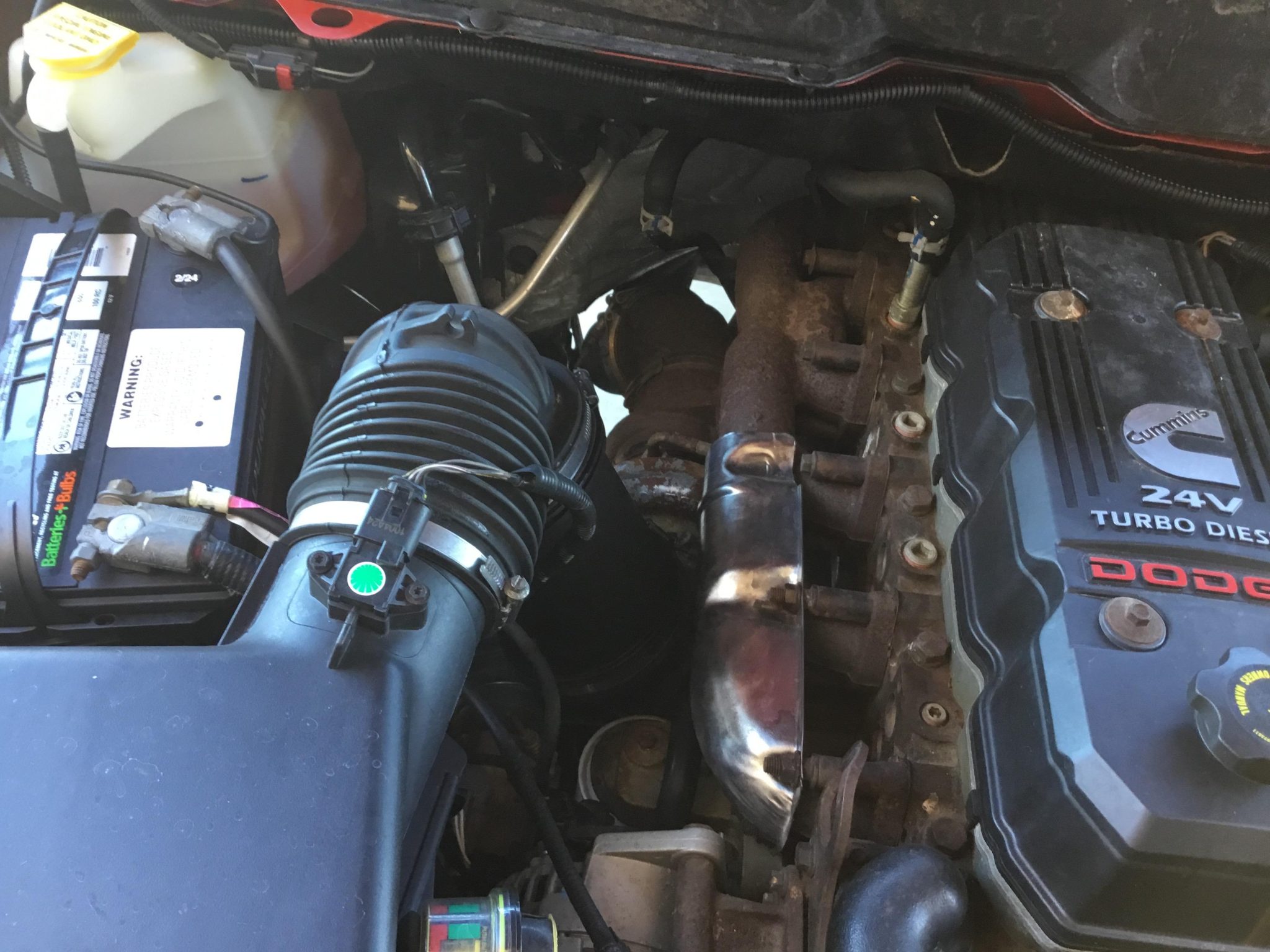
The 2006 Dodge Ram 3500 heavy-duty truck is widely recognized for its robust towing capabilities, typically equipped with either the 48RE four-speed automatic or the G56 six-speed manual transmission. Maintaining this transmission requires diligent fluid monitoring, adherence to service intervals, and an understanding of the specific mechanical stressors associated with the Cummins turbo-diesel engine’s high torque output.
Transmission Identification for the 2006 Dodge Ram 3500
Before initiating any repairs or maintenance, you must identify which transmission is installed in your vehicle. The 2006 model year transition involved specific hardware configurations that dictate maintenance procedures and common failure points.
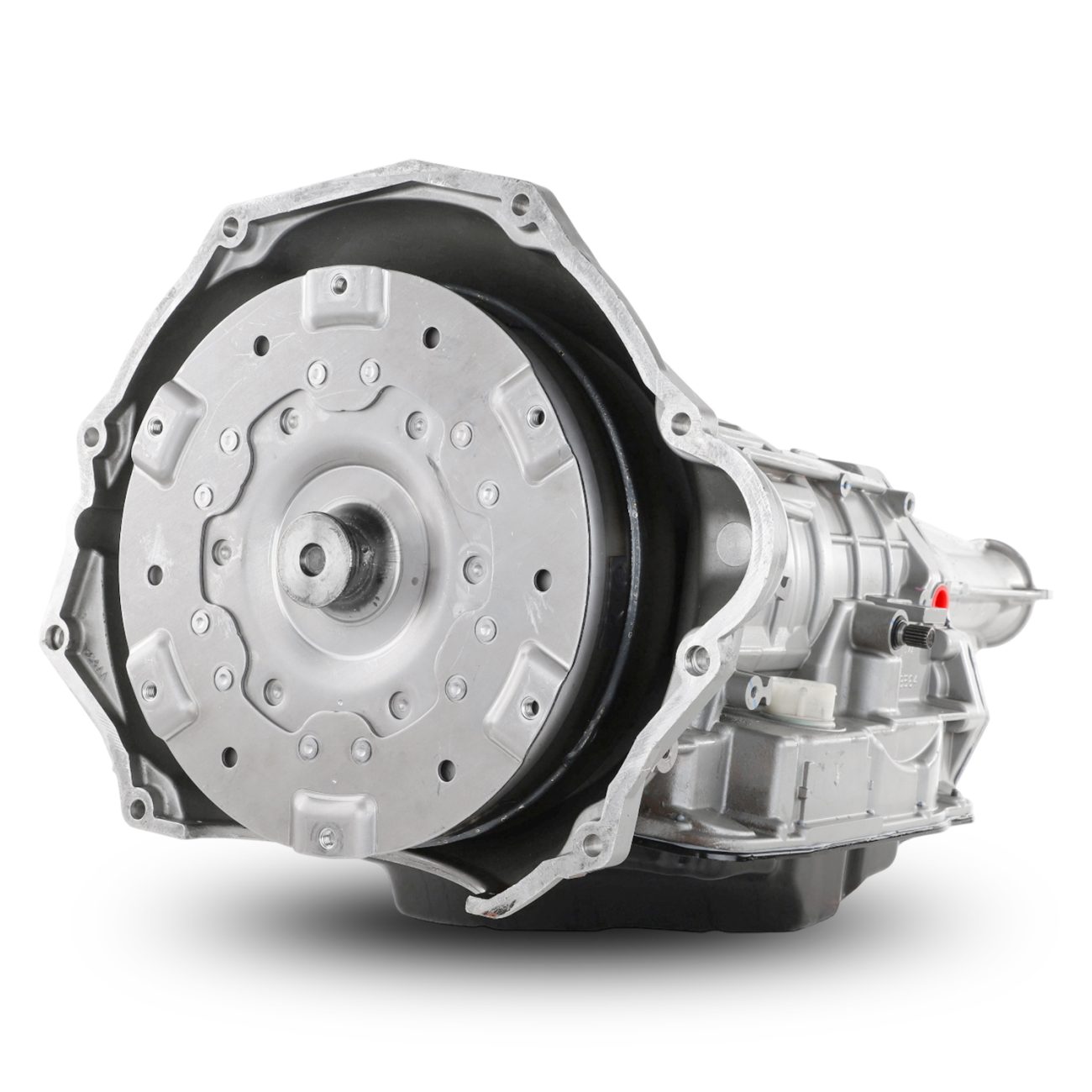
The 48RE Automatic Transmission
The 48RE is a four-speed, electronically controlled automatic transmission. It was the standard heavy-duty automatic for the 2006 Ram 3500. Its design is evolutionary, rooted in the older A727 architecture but updated with electronic governor pressure control. Because the 48RE is often tasked with managing the immense torque of the 5.9L Cummins engine, it is sensitive to heat and fluid degradation. Owners frequently find that this unit requires external cooling upgrades if the truck is used for consistent heavy towing or hauling.
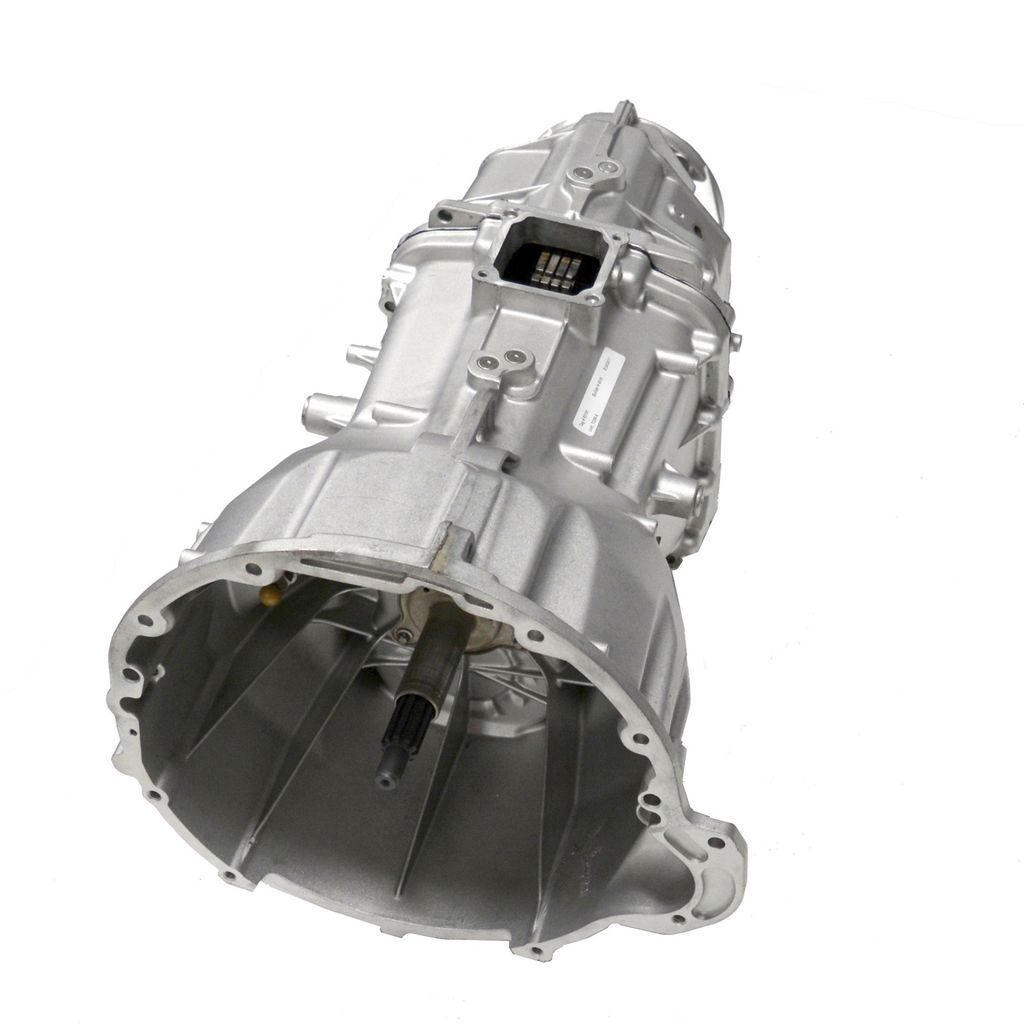
The G56 Manual Transmission
The G56 is a six-speed manual transmission manufactured by Mercedes-Benz, which replaced the previous NV5600 unit during this era. It is characterized by its aluminum case and gear ratios optimized for heavy loads. While generally considered durable, the G56 is known for having a "dual-mass" flywheel that can become a point of failure under extreme towing conditions. If your shift quality has become notchy or if you experience significant vibration, the clutch assembly and flywheel are the primary areas of concern.
Standard Maintenance Requirements
Regardless of which transmission your 2006 Ram 3500 utilizes, scheduled maintenance is the single most effective way to prevent catastrophic failure. The extreme heat generated by heavy-duty diesel engines acts as the primary enemy of transmission fluid.
Fluid Service for the 48RE
For the 48RE, a drain-and-fill service is typically required every 30,000 miles under normal use, and more frequently if the truck is used in a fleet or towing capacity. You must use ATF+4 fluid, which is the specific formulation engineered for Chrysler transmissions of this vintage. Do not substitute generic "multi-vehicle" fluids, as these may not provide the correct friction properties for the 48RE’s bands and clutches.
Fluid Service for the G56
The G56 requires specialized manual transmission fluid. Historically, there has been significant debate regarding the optimal lubricant for the G56 due to the high operating temperatures. Always consult the technical manual or a reputable heavy-duty service center regarding current approved synthetic fluids that protect the internal bearings of the G56. Note that because the G56 case is aluminum, heat dissipation is different than that of older cast-iron transmissions; never overfill the unit, as this can lead to foaming and decreased gear protection.
Common Troubleshooting Scenarios
Identifying symptoms early can often save the transmission from a total rebuild. Below are the most common signs that your 2006 Ram 3500 transmission requires attention.
1. Slipping or Delayed Engagement (48RE)
If you notice the RPMs rising without a corresponding increase in vehicle speed, the clutches within the 48RE may be slipping. This is often caused by low fluid levels, a clogged filter, or worn bands. In many cases, the band adjustment—a specific procedure requiring a torque wrench—can resolve delayed shifting or "neutral-drop" sensations. If the transmission fluid smells burnt or appears dark brown/black, internal damage has likely already occurred, and a mechanical inspection is required.
2. Gear Whine or Hard Shifting (G56)
Manual transmissions are relatively simple, but they are not immune to wear. If you hear a high-pitched whining noise that increases with engine speed, it is often a sign of bearing wear within the gear train. Hard shifting, particularly into first or reverse gear, usually indicates that the clutch is not fully disengaging. In this scenario, check the hydraulic clutch master and slave cylinder for leaks before assuming the transmission internals are at fault.
3. Overheating Indicators
The 2006 Ram 3500 is often used for towing, which puts a massive load on the transmission cooler. If you have an aftermarket temperature gauge installed, ensure the fluid temperature does not consistently exceed 200°F. If it does, you should consider upgrading the factory transmission cooler to a higher-capacity unit or adding an auxiliary fan-cooled system.
Transmission Comparison Table
| Feature | 48RE (Automatic) | G56 (Manual) |
|---|---|---|
| Gears | 4-Speed | 6-Speed |
| Primary Fluid | ATF+4 | Synthetic Manual Fluid |
| Common Wear Point | Transmission Bands / Torque Converter | Clutch / Dual-Mass Flywheel |
| Typical Use | Towing & Highway Cruising | Heavy Load / Commercial |
| Service Interval | 30,000 Miles (Severe Duty) | 60,000 Miles (Dependent on load) |
Important Considerations for Repairs
When facing a major repair, you have three primary options: a professional rebuild, a replacement with a remanufactured unit, or a "performance" upgrade.
- Professional Rebuild: This is best if you want to keep the original unit and have a local shop with specific experience in 48RE or G56 architectures. Ensure the shop provides a comprehensive warranty that covers both parts and labor.
- Remanufactured Units: Purchasing a remanufactured transmission from a reputable supplier often includes updated seals, improved valve bodies, and hardened components that address original manufacturer weaknesses. This is often the most cost-effective solution for a daily-driven truck.
- Performance Upgrades: If you have modified your 5.9L Cummins engine for more horsepower and torque, the factory transmission will likely fail quickly. Performance builds often include billet input shafts, heavy-duty torque converters, and reprogrammed valve bodies. Consult with a specialist in diesel performance if your truck is not stock.
Safety and Professional Assistance
Transmission work on a 3500-series truck involves heavy, bulky components. The 48RE and G56 transmissions are significantly heavier than those found in light-duty vehicles. Never attempt to remove or lower a transmission without a professional-grade transmission jack and secure jack stands.
If you are unsure about the internal condition of your transmission, most reputable transmission shops can perform a "line pressure test" (for the 48RE) or an oil analysis (for both) to provide a diagnosis without performing a full teardown. Always verify that your shop uses the correct diagnostic tools for Dodge heavy-duty trucks, as generic scan tools may not be able to read transmission-specific fault codes from the 2006-era powertrain control module.
Frequently Asked Questions
Can I upgrade my 48RE to a different transmission?
While possible, swapping a different transmission into a 2006 Ram 3500 is a complex task. It requires changing the driveshafts, modifying transmission mounts, and often upgrading the ECU to communicate with the new unit. For most owners, rebuilding the 48RE with high-quality aftermarket performance parts is a more reliable and cost-effective approach.
What is the purpose of the 48RE band adjustment?
The 48RE uses internal bands to hold drums stationary for specific gears. Over time, these bands stretch, causing slow or "flared" shifts. Periodic adjustment is a standard maintenance task that restores correct shift timing and prevents the bands from slipping and burning out the clutch packs.
Why is my G56 manual transmission noisy at idle?
The G56 is a "rollover" noise-prone transmission, especially when paired with a solid-mass flywheel conversion. This is generally considered a characteristic of the transmission's design rather than a sign of failure, provided the noise does not change significantly under load.
How do I know if my torque converter is failing?
A failing torque converter often manifests as a "shudder" during acceleration, especially when the truck is in overdrive or under a slight load. If the engine RPM fluctuates rapidly while cruising at a steady speed, the torque converter clutch is likely unable to maintain a solid lock, indicating imminent failure.
Should I install an aftermarket transmission temperature gauge?
Yes. The factory gauges in the 2006 Ram 3500 do not provide precise transmission temperature data. For anyone who tows, an aftermarket gauge is essential to identify overheating before it damages the transmission fluid or seals.
What are the consequences of ignoring a leak?
A transmission leak in a 2006 Ram 3500 is rarely just a "nuisance." Because these transmissions rely on fluid for cooling, lubrication, and pressure, even a small leak can lead to internal heat spikes. If you see fluid on the driveway, locate the source—typically the cooler lines or the transmission pan gasket—and repair it immediately to prevent fluid starvation.
Next Steps for Maintenance
If you are currently experiencing transmission issues, begin by checking the fluid level and color. If the fluid is clean but the behavior is inconsistent, perform an external adjustment or filter service. If you are planning to keep your truck for the long term, consider installing a larger transmission cooler and a dedicated temperature gauge to monitor the health of your system in real-time. Consult your owner's manual for specific torque specifications if you choose to perform minor maintenance yourself.