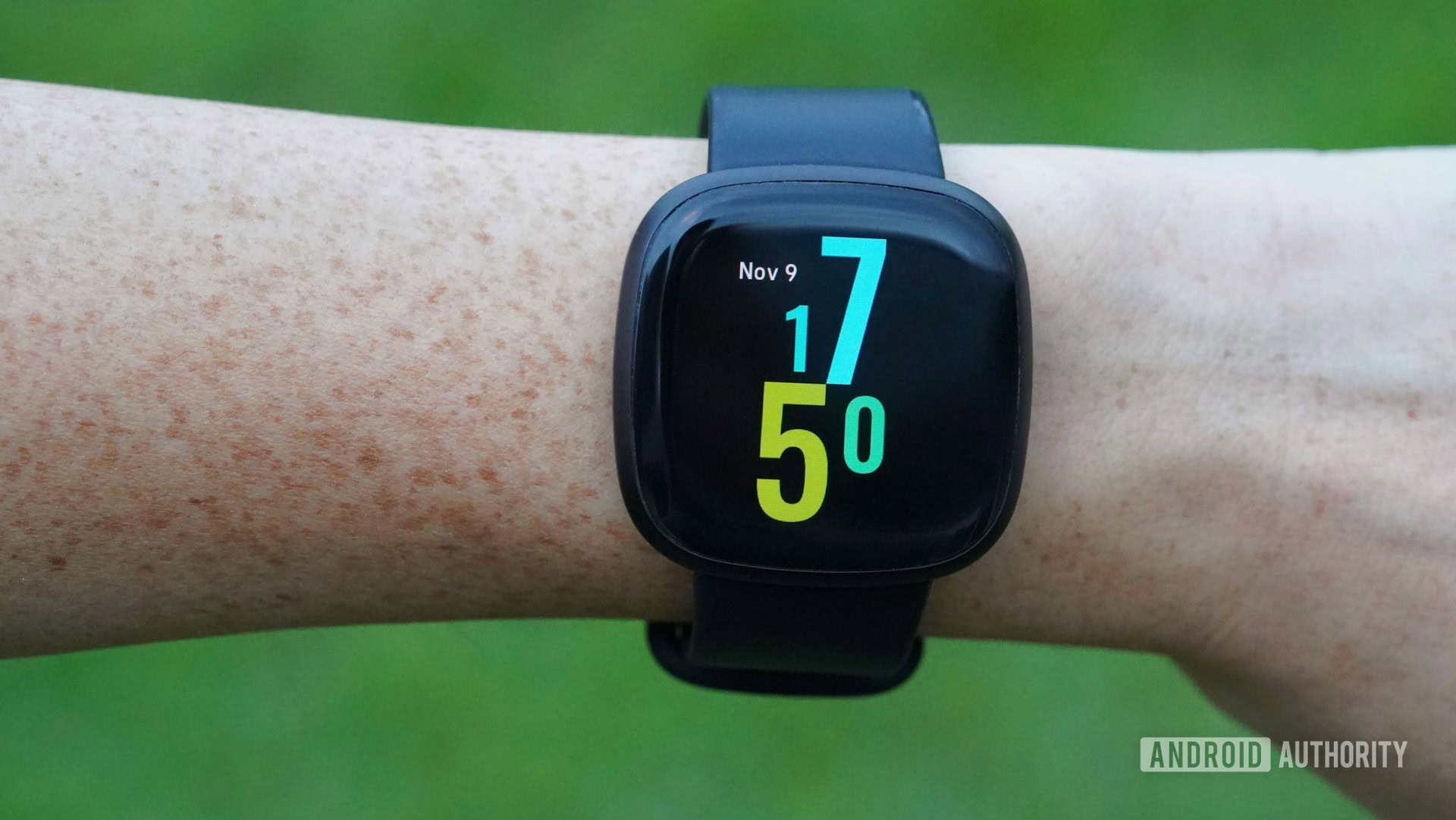
For many fitness enthusiasts, the appeal of a wearable tracker is often diminished by the hidden costs of premium subscription services and the frustration of near-daily charging. If you are seeking a product similar to Fitbit that offers extended battery longevity and avoids recurring subscription fees, the market now offers several robust alternatives that prioritize hardware performance and data ownership over gated software features.
The core challenge in the current wearable market is that many mainstream manufacturers subsidize the cost of their devices by locking advanced health analytics behind a monthly paywall. When searching for a device that maintains Fitbit-like functionality—such as activity tracking, heart rate monitoring, and sleep analysis—without the recurring financial commitment, you must look toward manufacturers that bundle their core insights into the upfront hardware cost. By focusing on devices with efficient power management and offline data syncing, you can reclaim control over both your battery schedule and your personal health data.
The Trade-off: Subscription Fees vs. Hardware Value
To understand why a product might avoid subscription fees, it is important to understand the business model of modern fitness tracking. Companies like Fitbit (owned by Google) utilize a model where the device acts as a hardware entry point for a service ecosystem. Advanced metrics such as long-term heart rate variability (HRV) trends, readiness scores, and deep sleep analysis are often categorized as "Premium" features.
In contrast, alternative brands—particularly those operating in the outdoor, multisport, or budget-friendly performance categories—often treat the software experience as a utility included in the purchase price. When you buy a device from a brand that does not require a subscription, you are effectively paying the "true cost" of the device upfront. These devices frequently offer more granular data access directly on the watch screen, reducing the necessity of constantly syncing with a phone app and, by extension, reducing battery drain from frequent Bluetooth handshakes.
Evaluating Battery Life Requirements
Battery life in wearable technology is dictated by three primary factors: screen technology, sensor sampling rate, and processor efficiency. Fitbit devices often rely on bright, high-resolution OLED displays that look impressive but consume significant power. To find an alternative with superior battery life, you should look for specific display and sensor profiles:
- Memory-in-Pixel (MIP) Displays: These screens are highly power-efficient because they do not require a backlight in bright sunlight. Devices using this technology can often last for 10 to 20 days on a single charge, compared to the 3 to 7 days typical of many mainstream fitness trackers.
- Adaptive Sampling: High-end trackers that avoid subscription models often allow users to configure how frequently the device polls heart rate or GPS data. By choosing a device that samples less frequently during periods of low activity, you can significantly extend the time between charges.
- Local Data Processing: Devices that process data locally on the watch chip rather than uploading raw sensor data to the cloud for processing are generally more power-efficient. This also inherently favors a "no-subscription" model, as the manufacturer does not incur ongoing server-side processing costs for your data.
Top Categories for Subscription-Free Wearables
When moving away from the subscription-gated ecosystem, the market splits into three distinct categories. Understanding where your needs fit will prevent you from over-purchasing or sacrificing features you deem essential.
The Performance Multisport Watch
These devices, often associated with brands like Garmin, are the primary competitors for users seeking deep data without the subscription. While Garmin has premium services, the vast majority of their health and fitness features—including comprehensive sleep staging, body battery, and VO2 max estimation—are available for free via the Garmin Connect platform. These devices are rugged, often use MIP displays, and can last weeks between charges.
The Simple Activity Tracker
If you prioritize basic step counting, sleep tracking, and heart rate monitoring, the budget-friendly segment offers many devices that act as "dumb" trackers compared to the "smart" nature of a Fitbit. These devices lack voice assistants and complex app stores, but they excel at their primary purpose. By removing the smart features, manufacturers significantly increase battery life, often reaching 14 days or more.
The Hybrid Smartwatch
Hybrid watches combine analog hands with a hidden digital display. Because these devices avoid full-color touchscreens, they are exceptionally power-efficient. They provide the most critical health notifications and activity tracking metrics without the constant distraction of a smartphone-like interface, making them ideal for users who want to track fitness without being tethered to a digital subscription ecosystem.
Comparison of Features and Performance Expectations
When shifting from a subscription-based product to a direct-ownership model, use the following framework to compare potential candidates.
| Feature Type | Subscription-Based (Fitbit) | Ownership Model (Alternatives) |
|---|---|---|
| Primary Cost | Low upfront, high long-term | Higher upfront, zero long-term |
| Battery Life | 3–7 Days | 7–21+ Days |
| Data Access | Tiered (Premium vs. Basic) | Unlocked (All features included) |
| Data Privacy | Cloud-synced/Linked to Ecosystem | Local-first or opt-in cloud |
| Display Type | AMOLED (High power) | MIP or Low-Power E-Ink (Efficient) |
Prerequisites for Switching Ecosystems
Moving your health data from one platform to another is rarely a seamless process. Before choosing a new device, verify the compatibility of your current historical data.
- Data Export Compatibility: Most fitness platforms allow for a GPX or TCX export. While this moves your workout history, it often does not move historical health logs like sleep stages or daily step counts. You may need to accept that you are starting your personal health record over from a specific date.
- Smartphone OS Integration: Ensure the candidate device supports your smartphone’s operating system version. As of 2026, some older wearables may struggle with modern OS security protocols.
- Notification Requirements: If you rely on your wearable for third-party app notifications (Slack, WhatsApp, etc.), ensure the alternative device supports native notifications for those specific applications, as "no-subscription" devices sometimes offer more restricted smart features.
Common Pitfalls and Troubleshooting
Users often transition to a subscription-free tracker expecting the same "smart" features they left behind. A common mistake is selecting a device based solely on battery life without evaluating the companion app’s interface. If the data is difficult to read or the sync process is unreliable, the lack of a subscription fee becomes secondary to a poor user experience.
If your new device fails to sync or drops battery unexpectedly, troubleshoot in this order:
- Clear the Cache: Ensure your smartphone’s Bluetooth cache is cleared, especially if you have had multiple wearables paired in the past.
- Adjust Polling Frequency: If the battery is draining faster than the manufacturer's specification, check if the device is set to "Continuous" heart rate monitoring. Switching this to "Smart" or "Periodic" monitoring will solve 90% of excessive battery drain issues.
- Firmware Updates: Even if a device does not have a subscription, the manufacturer may release firmware updates that improve power management. Ensure you update the device via the companion app immediately after unboxing.
Privacy and Data Ownership Considerations
A major advantage of avoiding subscription-based devices is the improvement in data ownership. Subscription services often justify their fees by aggregating and analyzing large swaths of user data, which may be leveraged for advertising or other secondary purposes.
When you choose a product that does not rely on a subscription model, the company’s revenue is tied to the physical sale of the unit. This often aligns the company's incentives more closely with the user's: they need to build a durable product that people like, rather than a service that keeps people paying. Check the privacy policy of any potential device to ensure that your health data is not being sold to third parties, as this remains a critical concern for modern health-tracking consumers.
Next Steps for Choosing Your Device
To make an informed selection, you must first define your "non-negotiable" health metrics. If you require advanced ECG (electrocardiogram) functionality or blood oxygen monitoring, ensure the candidate device includes these sensors as hardware-native features that do not require an active account to interpret.
Once you have identified a few models, check the manufacturer's official support page for the "Specifications" tab. Look specifically for "Battery Life in Smartwatch Mode." Ignore the "Maximum Battery Life" rating if it implies disabling all sensors (like heart rate tracking), as this will not provide an accurate representation of how the device will perform during daily use.
For the most reliable experience in 2026, prioritize brands that have a history of supporting their legacy devices with software updates for at least three to four years. This ensures that your investment remains functional even as your smartphone’s OS continues to evolve.
Frequently Asked Questions
Does a lack of a subscription fee mean the device is less accurate? Not necessarily. Accuracy is a function of the sensor hardware, not the subscription model. Many non-subscription devices use the same sensor suppliers as mainstream brands. The difference lies in the depth of the data analysis provided in the app, not the raw fidelity of the data being collected.
Can I still sync my health data to apps like Apple Health or Google Fit? Most reputable trackers allow for integration with major platform health hubs. Even if they don't have a direct "export to cloud" feature, most utilize a "Sync to Health" function that pushes the data collected by the watch to your phone's native health aggregator.
Do these watches support offline music or third-party apps? Usually, no. To achieve long battery life, these devices typically sacrifice high-draw features like onboard music storage and extensive third-party app libraries. If these are essential, you may need to reconsider if a "subscription-free" device can meet your lifestyle requirements.
Are these devices water-resistant? Yes. Almost all modern fitness trackers and multisport watches in this category offer at least 5ATM water resistance, meaning they are suitable for swimming and showering. Always confirm the specific IP rating or ATM rating on the official product page before purchase.
Will the companion app remain free forever? While companies can change their terms of service, those with a direct-sale hardware model have less incentive to pivot to a subscription model than companies that have already integrated a "premium" layer. Look for established brands that have maintained their existing free-tier policies for at least five years.
What is the best way to test the battery life claims? When you first receive your device, charge it to 100% and enable only the features you intend to use daily (such as step tracking and heart rate monitoring). Turn off "Always-On Display" (if applicable) and check the battery percentage at the same time for three consecutive days to establish your personal average usage rate.
Recommendation: Focus your search on mid-to-high-tier multisport watches from established manufacturers. These devices offer the best balance of long-term battery performance, comprehensive data access without paywalls, and robust build quality, ensuring you remain satisfied with your purchase for years to come.