In 2026, a standard Commercial General Liability (CGL) policy typically excludes or provides limited protection for unpaid workers. To ensure volunteers are protected against third-party lawsuits, organizations must add a specific endorsement, such as the ISO CG 20 21. This amendment updates the "Who Is An Insured" section, extending defense and indemnity coverage to volunteers performing duties for the business.
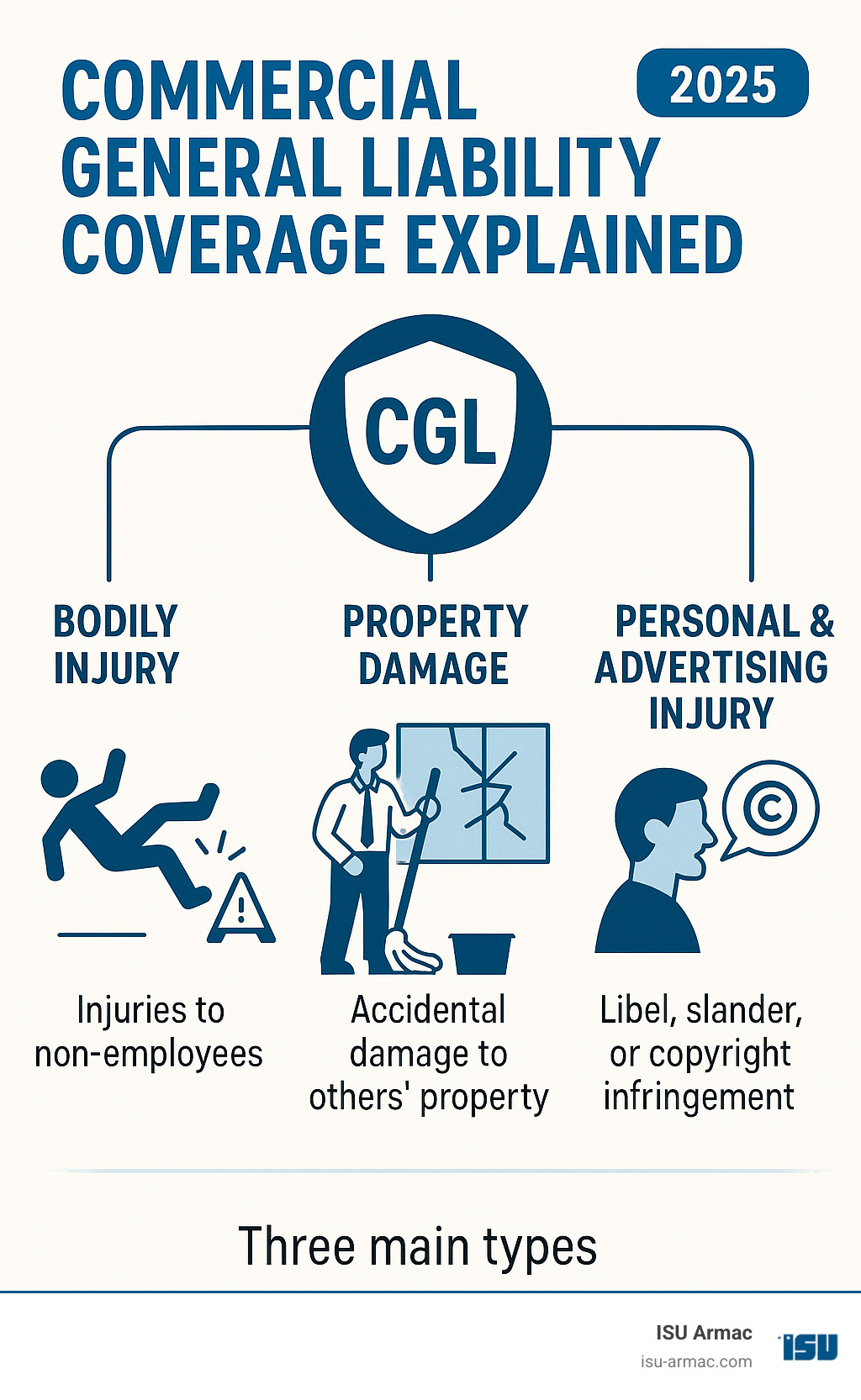
Commercial General Liability insurance is the bedrock of business protection, designed to shield organizations from the financial fallout of third-party bodily injury or property damage claims. However, a common misconception among non-profit directors and small business owners is that anyone working on behalf of the entity is automatically covered. Under the standard language of most unendorsed CGL forms, "insureds" include the named entity, its executive officers, directors, and employees. Notably absent from this list are volunteers.
Without a specific endorsement, a volunteer who accidentally causes injury to a customer or damages a neighboring property may find themselves personally liable for legal fees and settlements. Simultaneously, the organization may face vicarious liability claims. Adding a volunteer endorsement bridges this gap, aligning the interests of the individual and the organization under a single protective umbrella.
Understanding the Volunteer Coverage Gap in Standard CGL Policies
To understand why an endorsement is necessary, one must look at the standard ISO (Insurance Services Office) policy definitions. Most CGL policies define an "employee" as someone working under a contract of hire, typically receiving wages or a salary. Because volunteers do not receive compensation, they do not meet the legal or policy definition of an employee.
When a volunteer performs a task—such as setting up an event booth or assisting in a warehouse—and an accident occurs, the "vicarious liability" of the organization is usually covered. This means if the organization is sued because of the volunteer's actions, the policy will defend the organization. However, the volunteer as an individual is often left out. If the injured party sues the volunteer personally, the standard policy may not provide a legal defense or pay damages for that individual.
This gap creates significant risk. Volunteers, particularly in the non-profit sector, are often hesitant to serve if their personal assets (such as their home or savings) are at risk due to an honest mistake made during their service. The endorsement solves this by formally recognizing volunteers as "insureds" while they are performing duties related to the business.
The Role of the CG 20 21 Endorsement
The most common method for closing the volunteer gap is the CG 20 21 endorsement, titled "Additional Insured – Volunteers." This form is a standard modification provided by the ISO, though some independent insurers use proprietary versions with similar language.
When this endorsement is attached to a CGL policy, it amends the "Section II – Who Is An Insured" provision. It states that any person who is a volunteer worker is an insured, but only while performing duties related to the conduct of the named insured's business.
Defining the "Volunteer Worker"
In the 2026 insurance landscape, the definition of a "volunteer worker" is strictly interpreted to prevent overlap with workers' compensation. A volunteer is generally defined as a person who:
- Performs duties for the named insured.
- Is not an "employee" (receives no pay).
- Is not a "temporary worker."
- Receives no compensation for their work, other than perhaps reimbursement for out-of-pocket expenses or nominal stipends.
By explicitly adding this definition via endorsement, the insurer clarifies that the volunteer is entitled to the same liability protections as a regular staff member for their actions on behalf of the organization.
Key Benefits of Adding Volunteers to Your Liability Policy
The primary motivation for securing this endorsement is risk transfer. By moving the potential legal costs of a volunteer’s mistake from the individual to the insurance carrier, the organization protects its human capital.
1. Unified Defense Strategy
If a lawsuit names both the organization and the volunteer, having both covered under the same CGL policy allows for a unified defense. One law firm can represent both parties, which is more cost-effective and prevents the "finger-pointing" that can occur when two different insurance companies are involved.
2. Volunteer Recruitment and Retention
In 2026, savvy volunteers are more aware of personal liability. Organizations that can demonstrate they provide liability protection are more likely to attract high-quality volunteers. It provides peace of mind, knowing that if they accidentally trip a pedestrian while carrying a box for the charity, they won't be bankrupted by a lawsuit.
3. Protection Against Property Damage and Bodily Injury
If a volunteer is helping a business move equipment and drops a heavy crate on a client’s foot, the endorsement ensures that the legal liability for that "bodily injury" is covered. Similarly, if they accidentally cause a fire while volunteering at a community kitchen, the "property damage" is covered.
Limitations and Exclusions: What Is Not Covered?
While the volunteer endorsement is powerful, it is not a "catch-all" for every mishap. There are critical exclusions that organizations must understand to avoid a false sense of security.
Injury to the Volunteer (The First-Party Gap)
Perhaps the most significant limitation of a CGL policy—even with a volunteer endorsement—is that it does not cover injuries sustained by the volunteer themselves. CGL is a third-party liability policy. It covers the volunteer's liability to others. If a volunteer falls off a ladder and breaks their leg, the CGL policy will not pay for their medical bills or lost wages.
Because volunteers are not employees, they are also usually excluded from state-mandated Workers' Compensation. To address injuries to the volunteers themselves, organizations must look toward Volunteer Accident Insurance, which is a separate product designed specifically for first-party medical expenses.
Professional Services
If a volunteer is a licensed professional—such as a lawyer, doctor, or accountant—providing their professional expertise, the standard CGL volunteer endorsement usually excludes "professional services." This means if a volunteer accountant makes an error on a non-profit's taxes, the CGL policy will likely not cover the resulting financial loss. Professional Liability or Errors and Omissions (E&O) insurance is required for these specific risks.
Known Exclusions in the CG 20 21
The standard endorsement typically contains exclusions for:
- Bodily injury to co-employees: If a volunteer accidentally injures a paid staff member.
- Auto accidents: Liability arising from the use of a vehicle is almost always excluded from CGL and must be covered under a Commercial Auto policy with a "Non-Owned Auto" endorsement.
- Intentional acts: No coverage is provided for assault, battery, or other intentional harms committed by the volunteer.
Comparing Coverage: Employee vs. Volunteer
The following table illustrates how coverage typically applies across different categories of workers within an organization under a standard 2026 CGL policy with and without the volunteer endorsement.
| Feature | Standard Employee | Volunteer (No Endorsement) | Volunteer (With CG 20 21) |
|---|---|---|---|
| Named as an Insured? | Yes, automatically. | No. | Yes, by endorsement. |
| Vicarious Liability for Org? | Covered. | Covered. | Covered. |
| Individual Defense Costs? | Provided by insurer. | Not provided to individual. | Provided by insurer. |
| Third-Party Bodily Injury? | Covered. | Organization covered; individual exposed. | Both covered. |
| Property Damage to Others? | Covered. | Organization covered; individual exposed. | Both covered. |
| First-Party Medical for Injury? | Workers' Comp. | None (unless separate policy). | None (unless separate policy). |
Steps to Add a Volunteer Endorsement in 2026
Adding this coverage is a straightforward process, but it requires due diligence during the policy renewal or application phase.
- Audit Your Volunteer Roles: Document exactly what your volunteers do. Are they doing office work, or are they operating heavy machinery? The risk level dictates how the insurer will view the endorsement.
- Contact Your Broker or Agent: Request the addition of the ISO CG 20 21 or its equivalent. Provide the estimated number of volunteers and the total volunteer hours per year.
- Review the "Who Is An Insured" Section: Once the endorsement is issued, verify that the language specifically mentions "volunteers" and matches the scope of your operations.
- Check for Professional Service Carve-outs: If your volunteers provide specialized advice, ask for a Professional Liability extension.
- Verify Non-Owned Auto Coverage: Ensure that if volunteers use their personal cars for organization business, your Commercial Auto policy includes coverage for them as well.
Cost Analysis and Premium Impact
As of 2026, the cost of adding a volunteer endorsement to a Commercial General Liability policy remains relatively low, particularly for registered 501(c)(3) non-profit organizations.
For many small to mid-sized non-profits, insurers may include the endorsement for a flat fee ranging from $50 to $250 per year. Some carriers include it at no additional premium as part of a "non-profit protector" package.
For-profit businesses using volunteers (which is less common and subject to stricter labor laws) may face higher premiums. Insurers view volunteers in a for-profit environment as a higher risk due to potential "employee misclassification" issues and less standardized training. In these cases, the premium might be based on a percentage of the total liability premium, often 5% to 10%.
Legal and Risk Management Considerations
Simply having the insurance endorsement is not a substitute for robust risk management. In the event of a claim, insurers will look at whether the organization took reasonable steps to prevent the loss.
Volunteer Agreements and Waivers
Organizations should require volunteers to sign an agreement that outlines their duties and includes a "release of liability" for first-party injuries. While a waiver cannot protect a volunteer from being sued by a third party (which is what the CGL endorsement handles), it can limit the organization's exposure if the volunteer is injured.
Training and Supervision
The CGL policy covers "accidents." If an organization is found to be "grossly negligent" because they allowed an untrained volunteer to perform a dangerous task, the insurer may still defend the claim, but the organization’s future premiums will skyrocket, or the policy may be non-renewed. Documenting training sessions is essential.
Background Checks
In 2026, most insurers making the volunteer endorsement available for organizations working with vulnerable populations (children, elderly, disabled) will mandate background checks. Failure to perform these checks can lead to a denial of coverage for specific types of claims, such as abuse or molestation, which are often handled under a separate endorsement or policy altogether.
Frequently Asked Questions
Does the volunteer endorsement cover a volunteer's personal vehicle?
No. The CG 20 21 endorsement specifically covers general liability (slips, falls, property damage). If a volunteer is involved in an auto accident while driving for the organization, their personal auto insurance is primary. For the organization to be protected, they must carry Hired and Non-Owned Auto (HNOA) insurance, which can also be endorsed to cover the volunteer's individual liability in some cases.
What is the difference between a "Volunteer Worker" and a "Temporary Worker"?
Under ISO definitions, a temporary worker is someone furnished to the business by a staffing agency to substitute for a permanent employee. A volunteer worker is someone who provides services without pay. The distinction is important because temporary workers are often covered differently under CGL and Workers' Comp than volunteers.
Will this endorsement pay for a volunteer's medical bills if they get hurt?
No. This is a common misunderstanding. The volunteer endorsement on a CGL policy is for liability—meaning it pays when the volunteer is blamed for hurting someone else or damaging someone else's property. To cover the volunteer's own medical bills, the organization needs to purchase a separate Volunteer Accident Policy.
Can I add specific volunteers by name to the policy?
While you can specifically name individuals, it is generally better to use the "blanket" language of the CG 20 21 endorsement. A blanket endorsement covers anyone meeting the definition of a volunteer, which saves the administrative burden of updating the policy every time a new person joins or leaves the volunteer pool.
Is there a limit to how many volunteers can be covered?
Usually, there is no hard cap on the number of volunteers, but the insurer will ask for an estimate of volunteer hours or the number of volunteers during the underwriting process. If your volunteer force grows significantly (e.g., from 10 to 500), you must notify your insurer to ensure the premium accurately reflects the risk.
Final Recommendation
For any organization that relies on unpaid help, adding a volunteer endorsement to your Commercial General Liability policy is a non-negotiable step in 2026. The cost is negligible compared to the potential legal fees of defending an individual volunteer in a lawsuit. However, this endorsement should be viewed as only one-half of a complete protection plan. To truly protect your volunteers and your organization, pair the CG 20 21 liability endorsement with a Volunteer Accident Medical policy. This combination ensures that the volunteer is protected if they cause harm to others and is cared for if they sustain an injury themselves. Always consult with a licensed insurance professional to ensure the specific wording of your endorsement matches the operational reality of your volunteers’ duties.