An informed approach to selecting an online casino requires moving beyond promotional marketing and focusing on verifiable data points such as regulatory licensing, independent audit transparency, and explicit financial withdrawal terms. By analyzing the technical infrastructure and legal standing of a platform, players can distinguish between high-quality, secure gaming environments and sites that lack the necessary safeguards for responsible play.
The Anatomy of a Legitimate Casino Review
For the informed player, a review is not a recommendation but a technical evaluation. A credible review must be grounded in the operator's specific regulatory framework. You must verify whether the platform holds a license from a reputable jurisdiction—such as the Malta Gaming Authority (MGA), the UK Gambling Commission (UKGC), or the Gibraltar Regulatory Authority. These bodies enforce rigorous standards regarding capital reserves, player fund segregation, and anti-money laundering (AML) protocols.
A review that fails to provide the specific registration number of the license, or fails to link to the regulator's official verification page, should be treated with extreme caution. As of 2026, the digital landscape is saturated with affiliate-driven content that prioritizes conversion rates over player safety. An informed player’s primary task is to filter out "marketing fluff" and focus on the cold, hard facts of the operator’s legal standing.
Transparency and Independent Audits
Beyond licensing, the integrity of a casino’s gaming software is paramount. Informed players look for audits performed by third-party testing agencies like eCOGRA (eCommerce and Online Gaming Regulation and Assurance) or iTech Labs. These organizations verify the Random Number Generator (RNG) outcomes, ensuring that games are not manipulated and that the theoretical Return to Player (RTP) percentages are consistent with the developers’ claims.
A high-quality review will explicitly state:
- The Testing Agency: Which firm audited the games, and when was the last report published?
- Payout Verification: Does the casino provide monthly payout percentage reports?
- Software Providers: Are the games sourced from Tier-1 developers (e.g., NetEnt, Evolution, Playtech), or are they proprietary, white-label solutions with unknown integrity?
Financial Terms: The True Test of a Platform
The most critical area for an informed player is the "Terms and Conditions" (T&C) document. Promotional bonuses are often traps for the unwary, obscured by complex wagering requirements. A professional review will dissect the fine print, specifically focusing on the following:
- Wagering Requirements: If a bonus carries a 40x requirement, does that apply to the bonus amount alone, or the bonus plus the deposit? The latter effectively doubles the play-through barrier.
- Withdrawal Limits: Does the casino impose monthly or transaction-based limits that prevent the withdrawal of large, legitimate wins?
- KYC Procedures: What is the standard timeline for "Know Your Customer" (KYC) verification? Legitimate casinos typically process documents within 48–72 hours. If a review highlights that a casino frequently delays withdrawals pending document "re-verification," this is a significant red flag.
Comparative Analysis of Casino Features
To make an informed decision, players should compare platforms across objective metrics. The following table illustrates the essential categories an informed player must cross-reference when evaluating a casino in 2026.
| Feature Category | What to Look For | Why It Matters |
|---|---|---|
| Licensing | Active MGA, UKGC, or Curacao (with valid validator) | Ensures legal recourse and oversight. |
| RNG Audit | Recent eCOGRA or GLI certificate | Confirms fairness of game outcomes. |
| Withdrawal Speed | Guaranteed processing times in T&Cs | Prevents unnecessary capital locking. |
| Encryption | TLS 1.3 or higher | Protects personal and banking data. |
| Banking Options | Established gateways (Visa, Skrill, Trustly) | Ensures secure and traceable transactions. |
| Player Support | 24/7 live chat and audited email logs | Provides a path for issue resolution. |
Recognizing Red Flags in Reviews and Casinos
An informed player knows that a positive review does not guarantee a positive experience. If a review site is owned by an affiliate that also owns the casino, the objectivity of the evaluation is compromised. Look for independent forums and player-led communities where users discuss real-world experiences with payouts and customer service responsiveness.
Be wary of the following signs:
- The "Too Good to Be True" Bonus: Bonuses that lack clear, linkable T&Cs are almost always predatory.
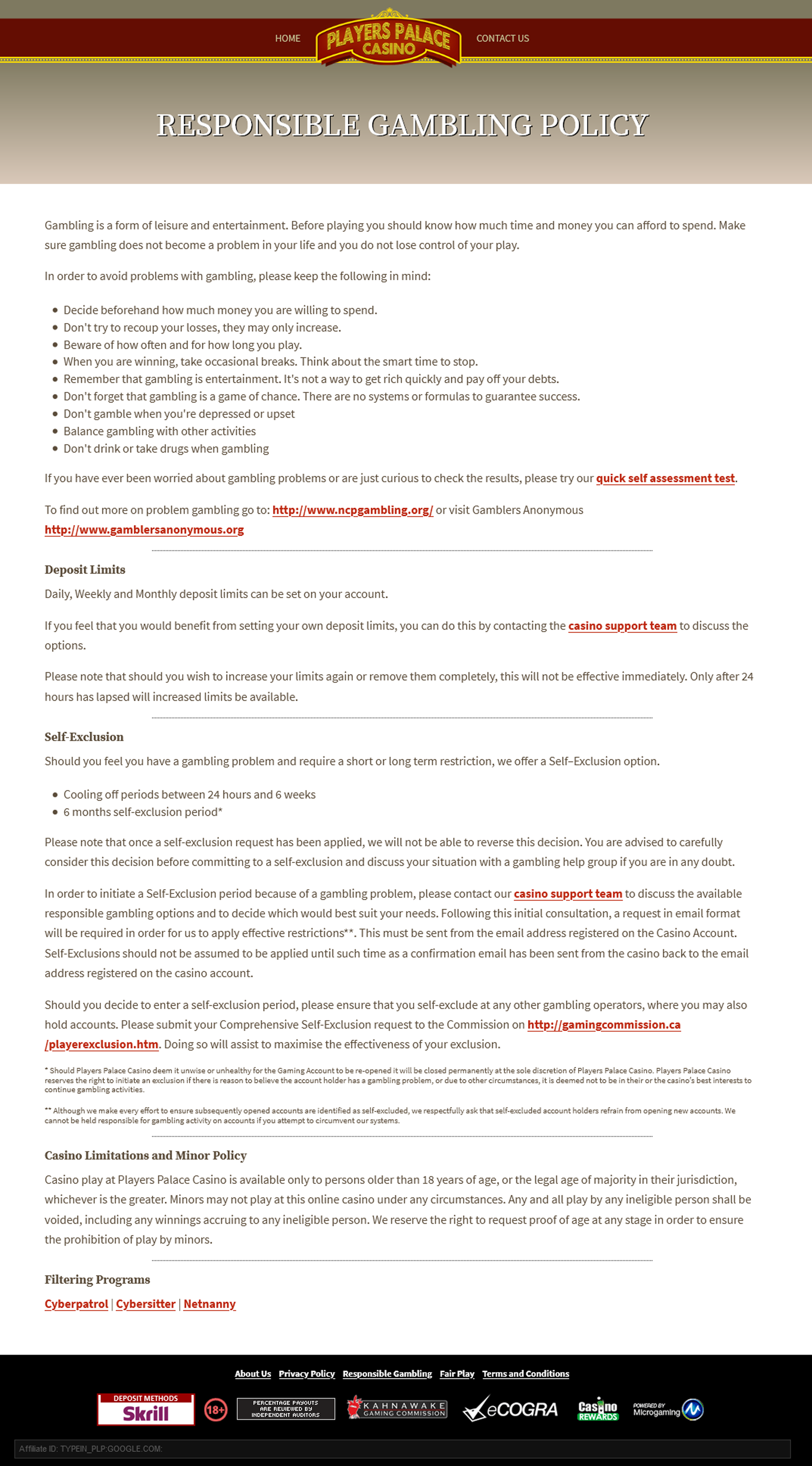
- Lack of Responsible Gambling Tools: A reputable casino must provide self-exclusion options, deposit limits, and session time-outs. If these are buried or unavailable, the site fails basic ethical standards.
- Aggressive Terms on "Inactive Accounts": Check if the casino charges high "dormancy fees" for accounts that have been idle for a short period. This is often a sign of a predatory business model.
Frequently Asked Questions (FAQ)
1. How can I verify a casino license in 2026? Most regulators provide a "license validator" link in the footer of the casino’s homepage. Clicking this should redirect you to the regulator’s official website, showing the current status of the license. If the footer contains a logo but no clickable link, the license is likely fake or expired.
2. Why do some casinos require so many documents for verification? Under international anti-money laundering (AML) laws, casinos must verify the identity and source of funds for players. While inconvenient, a rigorous KYC process is actually a sign of a regulated, compliant operator that takes its legal obligations seriously.
3. Does high RTP always guarantee a win? No. RTP (Return to Player) is a long-term mathematical projection. In the short term, variance—or "luck"—remains the dominant factor. RTP simply tells you what percentage of total wagers the machine is programmed to return over millions of spins.
4. What is the difference between "Bonus Money" and "Real Money"? Real money is your deposited capital, which you can generally withdraw at any time. Bonus money is "credit" provided by the casino that is subject to specific wagering requirements. You usually cannot withdraw bonus money until those requirements are met.
5. Where can I file a complaint if a casino refuses a withdrawal? You should first contact the casino's internal disputes department. If that fails, escalate the complaint to the regulator that issued the license. The contact details for the regulator are usually found on the license validator page.
Final Recommendations for the Informed Player
To maintain a high standard of safety, you should approach every casino as if it were a financial institution. Before depositing, conduct a "mini-audit": check the license status, verify the presence of a reputable testing agency, and read the bonus terms in their entirety.
Do not rely on a single review source. Instead, cross-reference the site’s claims with public regulatory databases and impartial player forums. If a platform refuses to provide clear information regarding their ownership, operator group, or license details, the only logical action is to avoid that site entirely. Protect your capital by ensuring the venue is as invested in compliance and fairness as you are in your gaming experience.