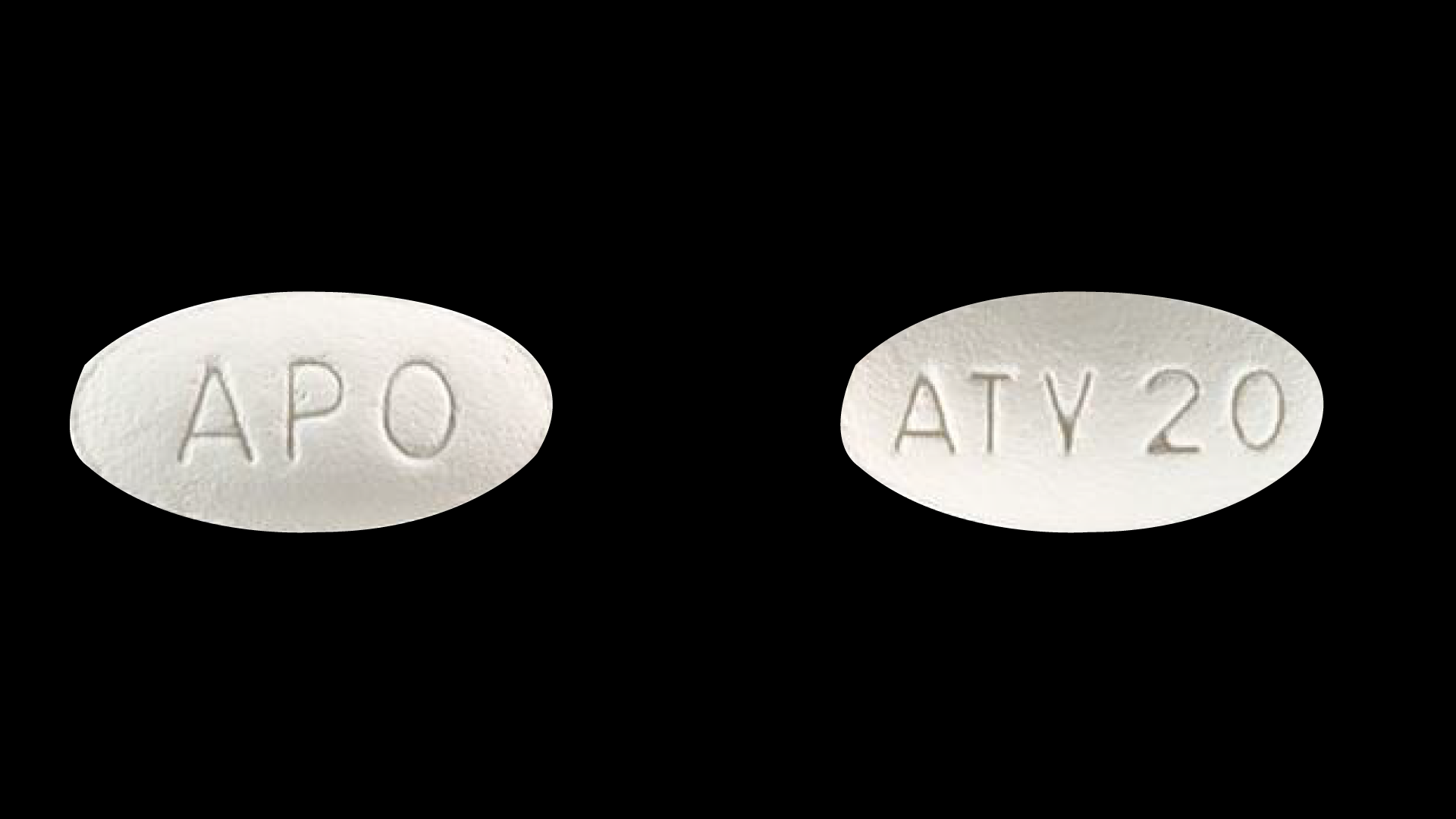
Atorvastatin 20 mg is a moderate-intensity statin medication primarily used to lower "bad" LDL cholesterol and triglycerides while increasing "good" HDL cholesterol. It plays a critical role in preventing cardiovascular events, such as heart attacks and strokes, in patients with dyslipidemia or multiple risk factors for heart disease.
As of 2026, atorvastatin remains one of the most frequently prescribed medications globally due to its proven efficacy in both primary and secondary prevention of cardiovascular disease (CVD). While the 20 mg dose is often viewed as a "middle-ground" strength, its clinical application requires a nuanced understanding of patient risk profiles, metabolic pathways, and potential interactions. This dosage is frequently selected for patients who require significant lipid lowering but may be at a higher risk for side effects with maximal doses, or for those whose cardiovascular risk profile necessitates moderate-intensity therapy according to the latest clinical guidelines.
Pharmacology and Mechanism of Action
Atorvastatin belongs to the class of medications known as HMG-CoA reductase inhibitors, commonly referred to as statins. To understand why a 20 mg dose is prescribed, it is essential to understand how it functions at a cellular level. The drug works by competitively inhibiting the enzyme 3-hydroxy-3-methylglutaryl-coenzyme A (HMG-CoA) reductase. This enzyme is the rate-limiting step in the hepatic synthesis of cholesterol.
By inhibiting this enzyme, atorvastatin reduces the amount of cholesterol produced within the liver cells (hepatocytes). This intracellular depletion of cholesterol triggers a compensatory mechanism: the liver increases the expression of LDL receptors on the surface of hepatocytes. These receptors then "capture" and remove low-density lipoprotein (LDL) particles from the bloodstream, effectively lowering circulating levels of "bad" cholesterol.
Unlike some earlier statins, atorvastatin and its metabolites are long-acting, with a plasma half-life of approximately 14 hours. However, the inhibition of HMG-CoA reductase lasts significantly longer—up to 20 to 30 hours—due to the activity of its active metabolites. This allows for once-daily dosing at any time of the day, a flexibility that improves patient adherence compared to statins that must be taken in the evening.
FDA-Approved Uses and Indications
The 20 mg dose of atorvastatin is utilized across several clinical indications, generally falling into two categories: the management of lipid disorders and the prevention of cardiovascular complications.
Treatment of Dyslipidemia
Atorvastatin 20 mg is indicated as an adjunct to diet to reduce elevated total cholesterol (Total-C), LDL-C, apo B, and triglyceride (TG) levels. It is also used to increase HDL-C in adults with:
- Primary Hyperlipidemia: Including heterozygous familial and nonfamilial hypercholesterolemia.
- Combined (Mixed) Hyperlipidemia: Categorized as Fredrickson Types IIa and IIb.
- Hypertriglyceridemia: Specifically Fredrickson Type IV.
- Primary Dysbetalipoproteinemia: Fredrickson Type III, in patients who do not respond adequately to diet alone.
Cardiovascular Risk Reduction
In patients without clinically evident coronary heart disease but with multiple risk factors (such as age over 55, smoking, hypertension, or low HDL-C), atorvastatin is indicated to reduce the risk of:
- Myocardial infarction (heart attack).
- Stroke.
- Revascularization procedures and angina.
For patients with established coronary heart disease, atorvastatin is used to reduce the risk of non-fatal myocardial infarction, fatal and non-fatal stroke, and the need for cardiac surgery. In this context, a 20 mg dose serves as a robust tool for secondary prevention, particularly in patients who may not tolerate the high-intensity 40 mg or 80 mg doses.
Understanding the 20 mg Dosage Strength
In the landscape of lipid management, statins are categorized by their "intensity," which refers to the percentage by which they are expected to lower LDL cholesterol. According to the American College of Cardiology (ACC) and the American Heart Association (AHA), the 20 mg dose of atorvastatin falls into the moderate-intensity category.
| Statin Intensity | LDL-C Reduction | Atorvastatin Dose | Examples of Other Statins |
|---|---|---|---|
| High Intensity | ≥ 50% | 40–80 mg | Rosuvastatin 20–40 mg |
| Moderate Intensity | 30% to 49% | 10–20 mg | Rosuvastatin 5–10 mg, Simvastatin 20–40 mg |
| Low Intensity | < 30% | N/A | Pravastatin 10–20 mg, Lovastatin 20 mg |
Choosing the 20 mg dose is a strategic clinical decision. For many patients, 10 mg (the starting dose) provides a roughly 39% reduction in LDL-C. Moving to 20 mg typically provides an additional 4% to 7% reduction. This "rule of six" (where doubling the dose of a statin results in a roughly 6% further reduction in LDL) is a key consideration for clinicians when titrating medication to reach specific lipid goals or risk-reduction targets.
Clinical Considerations and Patient Selection
When a healthcare provider prescribes atorvastatin 20 mg, several patient-specific factors are evaluated to ensure safety and efficacy.
The Elderly Population
In patients over the age of 65, the plasma concentrations of atorvastatin can be higher than in younger adults. However, clinical trials have shown that the safety profile and LDL-lowering efficacy are similar across age groups. For many elderly patients, 20 mg is a preferred maintenance dose as it balances high-level protection against stroke and MI with a lower risk of muscle-related side effects compared to the 80 mg dose.
Renal Impairment
One of the clinical advantages of atorvastatin is that renal disease does not significantly affect its plasma concentrations or its LDL-lowering effects. Therefore, dose adjustment is generally not necessary for patients with impaired kidney function. This makes it a versatile choice for patients with chronic kidney disease (CKD), who are at inherently higher cardiovascular risk.
Hepatic Function
Since atorvastatin is extensively metabolized by the liver, it is contraindicated in patients with active liver disease or unexplained, persistent elevations in serum transaminases. Clinicians typically perform liver function tests (LFTs) before initiating the 20 mg dose. While routine monitoring is no longer strictly required by the FDA unless symptoms of liver injury appear, many providers still check LFTs if the patient reports unusual fatigue, loss of appetite, or jaundice.
Drug Interactions and Contraindications
Atorvastatin is metabolized by the cytochrome P450 3A4 (CYP3A4) enzyme system. This is a critical clinical consideration because many other drugs also interact with this system, potentially leading to dangerous increases in atorvastatin levels in the blood.
Potent CYP3A4 Inhibitors
Drugs that inhibit CYP3A4 can significantly increase the risk of myopathy (muscle pain) and rhabdomyolysis (severe muscle breakdown). Common interactors include:
- Macrolide Antibiotics: Such as clarithromycin and erythromycin.
- Antifungals: Such as itraconazole and ketoconazole.
- Protease Inhibitors: Used in the treatment of HIV and Hepatitis C.
- Cyclosporine: An immunosuppressant.
When these medications are necessary, the dose of atorvastatin may need to be capped at 10 mg, or the statin may need to be temporarily suspended.
The Grapefruit Factor
Grapefruit juice contains compounds that inhibit CYP3A4 in the small intestine. Consuming large quantities (more than 1.2 liters per day) can significantly increase the systemic exposure of atorvastatin 20 mg, potentially leading to adverse effects. While a single glass of juice is unlikely to cause a clinical crisis, patients are generally advised to avoid large amounts of grapefruit products while on this medication.
Pregnancy and Lactation
As of current 2026 clinical standards, statins are generally contraindicated during pregnancy. Because cholesterol and its derivatives are essential for fetal development, the potential risks of cholesterol inhibition outweigh the benefits of treatment during pregnancy. Women of childbearing age should use effective contraception while taking atorvastatin 20 mg.
Side Effects and Adverse Reactions
While atorvastatin is generally well-tolerated, the 20 mg dose can cause side effects in a subset of the population. Understanding these allows for better patient management and adherence.
Statin-Associated Muscle Symptoms (SAMS)
The most common complaint is myalgia (muscle aches or weakness without enzyme elevation). This occurs in approximately 5% to 10% of patients in clinical practice. More serious is myopathy, defined as muscle symptoms with an elevation in creatine kinase (CK) levels.
- Rhabdomyolysis: This is an extremely rare but life-threatening condition where muscle fibers break down and release their contents into the bloodstream, potentially causing kidney failure. Symptoms include severe muscle pain, weakness, and dark (tea-colored) urine.
Metabolic Effects
Clinical data have indicated a small but statistically significant increase in the risk of developing Type 2 diabetes mellitus while on statin therapy. This is often characterized by a slight rise in HbA1c or fasting glucose levels. However, the consensus among cardiovascular societies remains that the cardiovascular benefits of atorvastatin 20 mg far outweigh the risk of a modest increase in blood sugar, especially in patients already at risk for heart disease.
Gastrointestinal and General Symptoms
Some patients may experience:
- Diarrhea or constipation.
- Dyspepsia (indigestion).
- Nasopharyngitis (cold-like symptoms).
- Insomnia.
Monitoring and Long-Term Management
Successfully managing a patient on atorvastatin 20 mg requires consistent follow-up and lifestyle integration.
Lipid Panel Timing
After initiating 20 mg or adjusting the dose, a repeat lipid panel is typically performed within 4 to 12 weeks. This allows the clinician to assess the patient's response and ensure the LDL-C reduction is within the expected 30-49% range. Once stabilized, lipids are usually monitored every 6 to 12 months.
Lifestyle Integration
Medication is most effective when paired with therapeutic lifestyle changes. The "Heart-Healthy" approach includes:
- Diet: Reducing saturated fats and trans fats while increasing fiber intake (soluble fiber can further lower LDL).
- Physical Activity: Aiming for at least 150 minutes of moderate-intensity aerobic activity per week.
- Weight Management: Reducing body weight can improve the overall lipid profile and reduce the risk of diabetes.
- Smoking Cessation: Essential for maximizing the cardiovascular risk reduction provided by the statin.
Comparison of Common Statin Regimens
To help visualize where atorvastatin 20 mg sits in the hierarchy of treatment, the following table compares it with other common regimens used in 2026.
| Medication | Dose | Intensity Category | Expected LDL Reduction |
|---|---|---|---|
| Atorvastatin | 10–20 mg | Moderate | 30%–49% |
| Atorvastatin | 40–80 mg | High | ≥ 50% |
| Rosuvastatin | 5–10 mg | Moderate | 30%–49% |
| Rosuvastatin | 20–40 mg | High | ≥ 50% |
| Simvastatin | 20–40 mg | Moderate | 30%–47% |
| Pravastatin | 40–80 mg | Moderate | 30%–33% |
Note: Simvastatin 80 mg is no longer recommended for new patients due to the high risk of myopathy.
FAQs
Can I take atorvastatin 20 mg in the morning?
Yes. Unlike older statins like simvastatin, which have a short half-life and must be taken in the evening to coincide with peak cholesterol synthesis, atorvastatin's long half-life means it is effective regardless of the time of day it is consumed. The most important factor is consistency—taking it at the same time each day.
What should I do if I miss a dose?
If you miss a dose of atorvastatin 20 mg, take it as soon as you remember. However, if it has been more than 12 hours since your missed dose, skip that dose and wait until your next scheduled time. Do not take two doses at once to make up for a missed one.
Does atorvastatin 20 mg cause memory loss?
There have been rare, sporadic reports of cognitive impairment (such as memory loss or confusion) associated with statin use. However, large-scale clinical trials and systematic reviews have not found a consistent link. In many cases, these symptoms resolve upon discontinuation of the medication. If you notice cognitive changes, discuss them with your doctor before stopping the drug.
Is it safe to drink alcohol with this medication?
Moderate alcohol consumption is generally not contraindicated with atorvastatin 20 mg. However, because both alcohol and statins can affect liver function, excessive drinking should be avoided. Patients with a history of heavy alcohol use or liver disease should consult their healthcare provider for specific guidance.
How long does it take for the 20 mg dose to work?
Atorvastatin begins to lower cholesterol levels within two weeks, with the maximum effect usually reached within four weeks. This is why doctors typically wait at least a month before re-testing your blood to see if the dose is sufficient.
Practical Recommendation
For patients prescribed atorvastatin 20 mg, the key to success is adherence and awareness. This moderate-intensity dose is a powerful tool for preventing life-altering cardiovascular events. Ensure you maintain a consistent schedule, and do not discontinue the medication without consulting your healthcare provider, even if your cholesterol numbers improve—the numbers are often "good" precisely because the medication is working. Always report new or unexplained muscle pain immediately, particularly if accompanied by fever or malaise, to rule out rare but serious side effects.
Disclaimer: This article is for informational purposes only and does not constitute medical advice. Always seek the advice of your physician or other qualified health provider with any questions regarding a medical condition or treatment.