Accessing cash in Vietnam in 2026 remains a straightforward process despite the rapid rise of digital payments. While major cities offer an incredibly high density of ATMs supporting international networks like Visa, Mastercard, and UnionPay, rural coverage is dominated by state-owned banks. Travelers should expect per-transaction fees ranging from 20,000 to 100,000 VND and withdrawal limits that vary significantly between local and international institutions.
The State of ATM Infrastructure in Vietnam in 2026
Vietnam's financial landscape has undergone a massive transformation over the last decade. As we navigate 2026, the National Payment Corporation of Vietnam (NAPAS) has successfully integrated nearly all domestic banks into a seamless switching system. For the user, this means that a card issued by one Vietnamese bank will almost certainly work in the ATM of another. For international visitors, the infrastructure is robust, with over 20,000 ATMs distributed across the country.
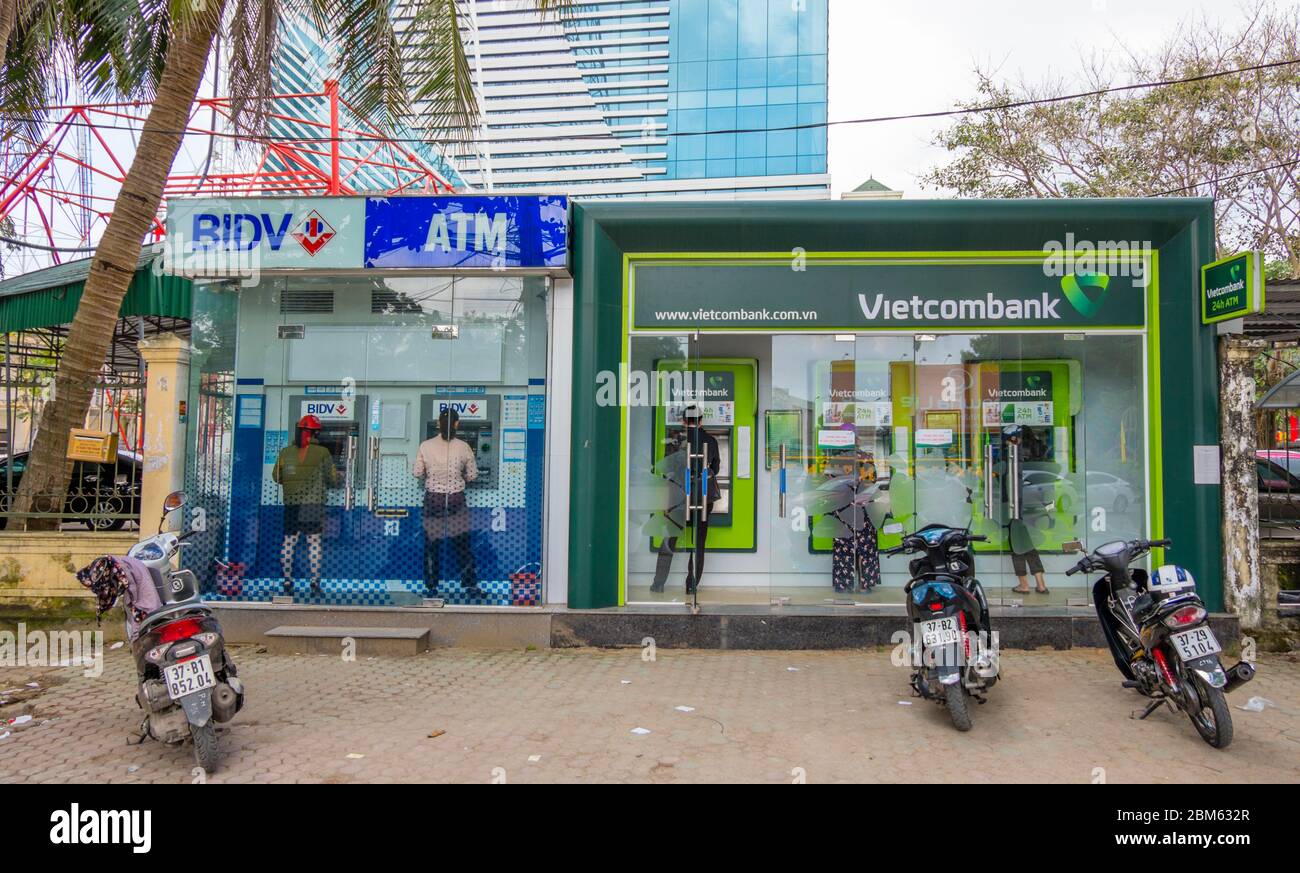
The distribution of these machines, however, is not uniform. In tier-one cities like Ho Chi Minh City, Hanoi, and Da Nang, you are rarely more than a five-minute walk from an ATM. These urban centers feature high-tech "digital hubs" or "LiveBanks" (pioneered by TPBank) that act as automated branches, offering services far beyond simple cash dispensing.
In contrast, rural and mountainous provinces like Ha Giang or parts of the Mekong Delta rely heavily on the state-owned Agribank. Agribank maintains the largest physical network in the country, specifically mandated to provide financial services to agricultural and remote regions. If you are traveling off the beaten path, an Agribank ATM is often your only option for miles.
Major Banking Networks and International Compatibility
When looking for an ATM in Vietnam, it is essential to identify the logos on the machine. Most ATMs are part of the NAPAS network, which is the domestic standard. However, for international travelers, the focus should be on the following:
- Vietcombank: The "Big Four" state-commercial bank. Their machines are ubiquitous and highly reliable for international Visa and Mastercard transactions.
- BIDV and VietinBank: Also part of the large state-owned group, providing extensive coverage in both urban and provincial areas.
- Techcombank: Known for modern infrastructure and a high presence in shopping malls and office complexes.
- TPBank: A leader in digital banking. Their "LiveBank" kiosks allow for cardless withdrawals and 24/7 virtual teller assistance.
- International Banks (HSBC, Shinhan, ANZ): These are fewer in number but often offer higher withdrawal limits and better English-language interfaces for foreign cardholders.
Most Vietnamese ATMs utilize the EMV (Chip-and-PIN) standard. While older magnetic stripe cards may still work in some legacy machines, the national transition to chip technology is essentially complete in 2026. If your card only has a magnetic stripe, you may encounter "Transaction Declined" errors at newer terminals.
Understanding ATM Fees and Withdrawal Limits
One of the most common frustrations for visitors in Vietnam is the relatively low withdrawal limit per transaction. Most local banks cap a single withdrawal at 2,000,000 VND to 5,000,000 VND (approximately $80 to $200 USD). This can be problematic if you need a large sum of cash, as you will be forced to perform multiple transactions, each incurring a separate fee.
Common Fee Structures
The fee for using an international card typically ranges from 22,000 VND to 100,000 VND per transaction. Some premium or international banks, such as HSBC or Citibank (where available), may charge higher fees but allow for larger withdrawal amounts, sometimes up to 10,000,000 VND or 20,000,000 VND.
The Dynamic Currency Conversion (DCC) Trap
When using an ATM, the machine may ask if you want to be charged in your "home currency" (e.g., USD, EUR, or GBP) rather than Vietnamese Dong (VND). This is known as Dynamic Currency Conversion. Always decline this option.
When you accept DCC, the local bank sets the exchange rate, which is almost always significantly worse than the mid-market rate provided by your home bank. By choosing to be charged in "Local Currency" (VND), you ensure that your own bank handles the conversion, which is nearly always the more cost-effective choice.
2026 Trends: The Rise of Cardless and Contactless Withdrawals
The most significant trend in 2026 is the shift toward cardless transactions. Following the global push for contactless convenience, many Vietnamese banks have upgraded their ATM fleets to support NFC (Near Field Communication) and QR code-based withdrawals.
QR Code Withdrawals
Through the NAPAS 24/7 system and individual banking apps (like Vietcombank's VCB Digibank or Techcombank Mobile), users can withdraw cash by scanning a QR code displayed on the ATM screen. While this is primarily a feature for local account holders, international fintech apps are increasingly partnering with local switches to allow similar functionality for tourists.
Biometric Authentication
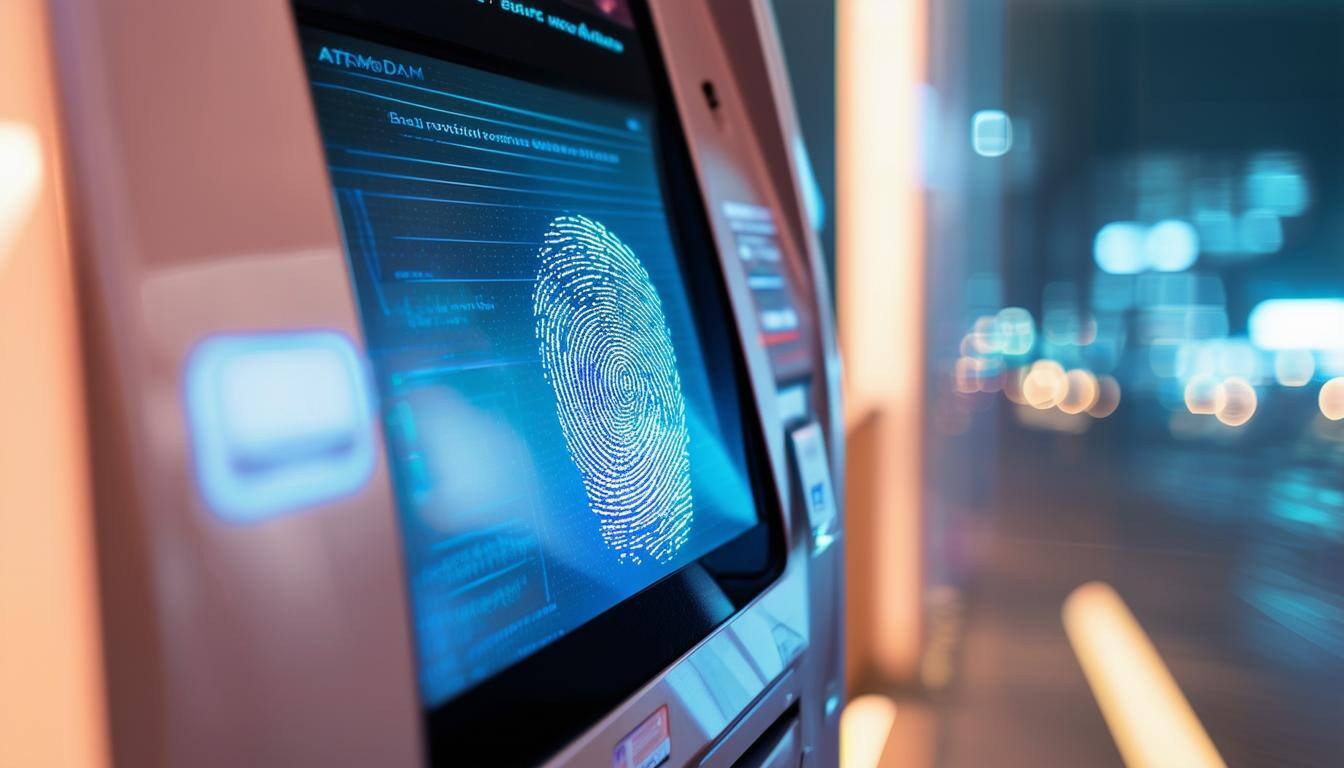
In major cities, TPBank and MB Bank have rolled out ATMs equipped with facial recognition and fingerprint scanners. In 2026, local residents can often leave their wallets at home, using only their biometrics to access their accounts. For international travelers, this technology is less accessible due to registration requirements, but it signals the high level of technical sophistication in Vietnam's banking sector.
24/7 Digital Booths
The traditional "hole in the wall" ATM is being replaced by glass-enclosed, air-conditioned booths. These booths are safer, provide privacy, and are often monitored by 24-hour security guards or advanced AI surveillance to prevent skimming and robbery.
Comparison of Popular Banks for International Users (2026)
The following table provides a general overview of what to expect from major banking institutions in Vietnam regarding ATM usage for foreign cards.
| Bank Name | Est. Withdrawal Limit (per trans) | Est. Local ATM Fee | International Network Support | Best For... |
|---|---|---|---|---|
| Vietcombank | 5,000,000 VND | 50,000 VND | Visa, MC, Amex, UnionPay | Reliability & Coverage |
| Agribank | 3,000,000 VND | 22,000 - 33,000 VND | Visa, MC, JCB | Rural Areas |
| TPBank (LiveBank) | 5,000,000 - 10,000,000 VND | 55,000 VND | Visa, MC, UnionPay | Modern UX / Cardless |
| HSBC Vietnam | 10,000,000 - 20,000,000 VND | 100,000 VND+ | Visa, MC | High Withdrawals |
| Techcombank | 2,000,000 - 5,000,000 VND | 0 - 66,000 VND* | Visa, MC, JCB | Urban Shopping Malls |
| BIDV | 2,000,000 - 5,000,000 VND | 40,000 VND | Visa, MC, UnionPay | Widespread Availability |
*Note: Some banks have fluctuating fee policies for international cards; always check the screen before confirming the transaction.
Safety and Security Protocols
While Vietnam is generally a safe country for travelers, ATM fraud exists, as it does anywhere. In 2026, the methods used by criminals have become more sophisticated, but so have the defenses.
- Skimming Devices: Although chip technology has reduced skimming, be wary of any unusual attachments on the card slot. Use your hand to cover the keypad when entering your PIN to thwart hidden cameras.
- Location Choice: Whenever possible, use ATMs located inside bank branches, shopping malls, or high-end hotels. These are less likely to be tampered with compared to isolated machines on dark streets.
- Transaction Alerts: Ensure your home bank app is set to provide instant push notifications for every withdrawal. If you see an unauthorized transaction, you can freeze your card immediately.
- The "Card-After-Cash" Sequence: A quirk of many Vietnamese ATMs is that they return your cash before your card. Travelers used to the "card-first" system often walk away with their money and forget their card in the machine. Always wait until the screen returns to the "Welcome" message before leaving.
Practical Guidance for Travelers and Expats
Navigating the cash culture in Vietnam requires a hybrid strategy. While credit cards are accepted in hotels and upscale restaurants, and QR payments (VNPay/MoMo) are used by locals everywhere, cash is still the king of the "street."
- Carry Small Denominations: ATMs typically dispense 500,000 VND notes. These can be difficult for small street food vendors to change. Break your large notes at a convenience store like Circle K or WinMart.
- The Weekend Deadlock: ATMs in high-traffic tourist areas (like Hanoi's Old Quarter) frequently run out of cash on Sunday afternoons. Try to withdraw your necessary funds for the weekend on Friday or Saturday morning.
- Daily Limits: Remember that your home bank has a daily withdrawal limit (e.g., $500 USD). Because of the low per-transaction limits in Vietnam, you may hit your home bank's "number of transactions" limit before you hit the dollar limit.
- Notify Your Bank: Before arriving in Vietnam, mark your travel dates in your banking app. Vietnam is often flagged as a high-risk country for fraud, and an unannounced withdrawal might trigger an immediate card block.
FAQs
What is the best ATM for foreigners in Vietnam?
Vietcombank and TPBank are generally considered the best for foreigners. Vietcombank offers the most reliable connection to international networks and a vast network of machines. TPBank is preferred for its modern interface and higher withdrawal limits at its "LiveBank" stations.
Do Vietnamese ATMs accept contactless (Apple Pay/Google Pay)?
In 2026, many ATMs in major cities support NFC "tap" withdrawals, but this is often restricted to domestic cards or specific banking apps. For international users, physical cards remain the most reliable method, though Apple Pay is widely accepted at Point-of-Sale (POS) terminals in shops.
Why did the ATM give me a message about "Insufficient Funds"?
This is often a misleading error message. It usually doesn't mean your account is empty; rather, it often means the requested amount exceeds the specific ATM's per-transaction limit or the machine does not have enough physical bills to fulfill the request. Try a smaller amount (e.g., 2,000,000 VND).
Are there any "fee-free" ATMs in Vietnam?
Most ATMs in Vietnam charge a fee for international cards. However, some travelers report that certain banks like VPBank or TPBank may occasionally offer fee-free withdrawals for specific international networks, though this is subject to frequent change. The best way to avoid fees is to use a card from your home country that reimburses international ATM fees (such as Charles Schwab in the US or certain digital banks in Europe).
Can I withdraw USD from an ATM in Vietnam?
No. By law, ATMs in Vietnam only dispense Vietnamese Dong (VND). If you need USD, you will need to visit a physical bank branch with your passport, though currency exchange laws are strict and usually require proof of onward travel or specific needs.
Final Recommendation
For the best experience in 2026, do not rely on a single ATM or a single card. Carry at least two different cards (one Visa, one Mastercard) and aim to withdraw larger amounts from international banks like HSBC to minimize the cumulative impact of transaction fees. While the "cardless" trend is exciting, the physical card remains the essential key to the Vietnamese cash network, especially when exploring the beautiful, more remote regions of the country.