ATP (Adenosine Triphosphate) is best described as a cellular energy currency because it functions as a universal, immediate medium of exchange for biological work. Just as money allows people to trade labor for goods, cells "earn" ATP through the breakdown of nutrients and "spend" it to power essential processes like muscle contraction, chemical synthesis, and active transport.
The Molecular Architecture of the Cellular Currency
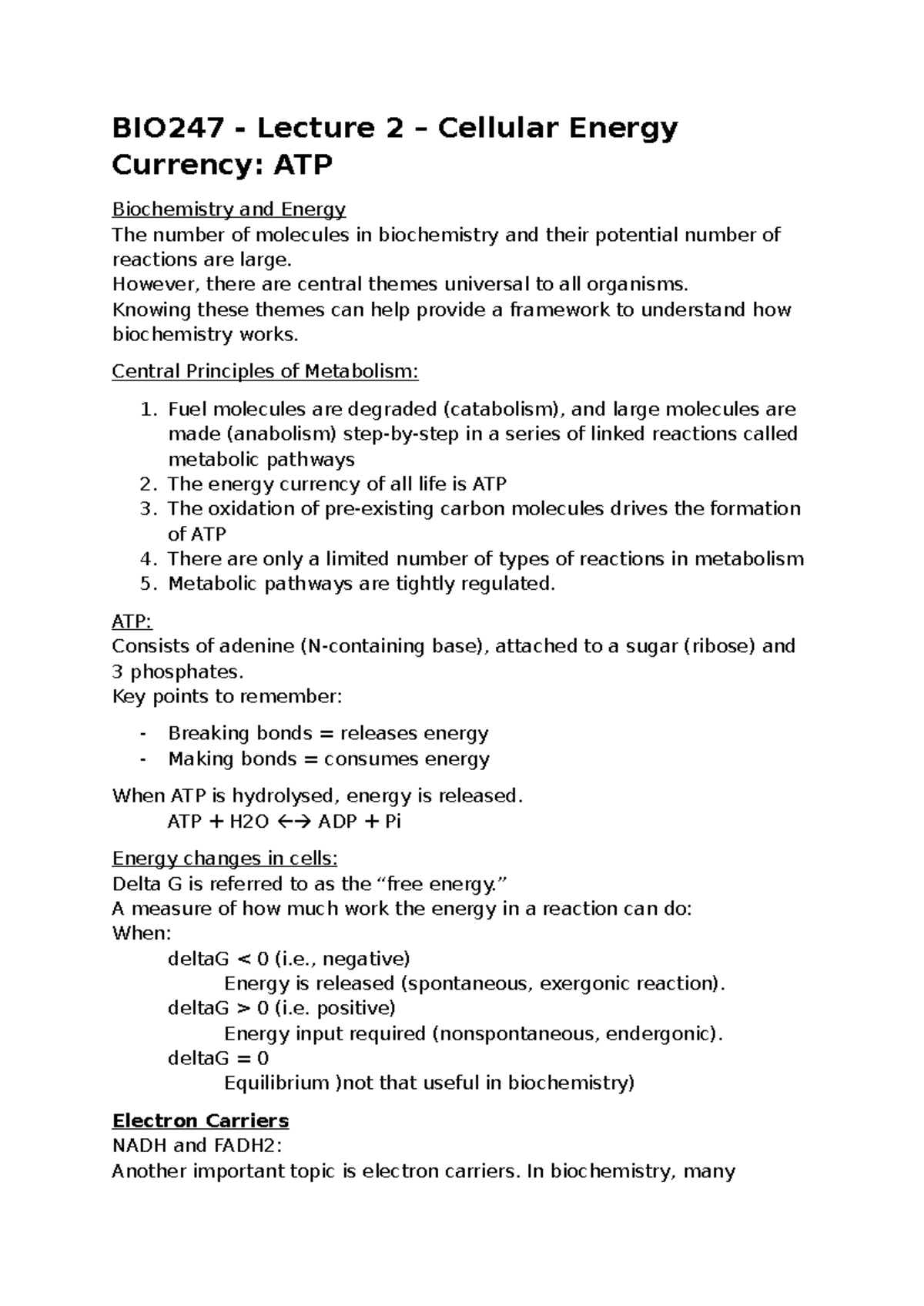
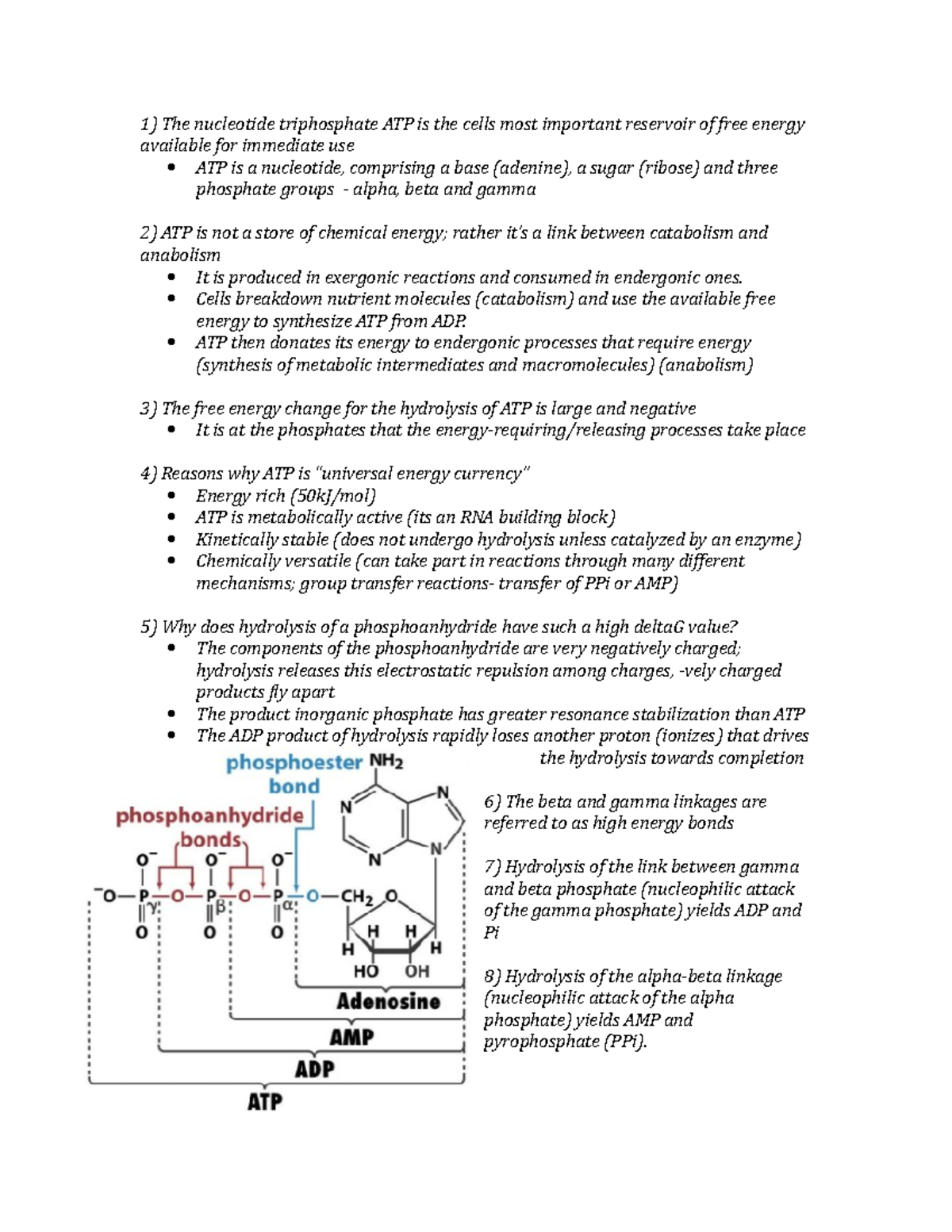
To understand why adenosine triphosphate (ATP) earned its reputation as the "currency" of life, one must first examine its physical structure. As of 2026, biochemistry continues to view ATP as the most efficient solution evolved by nature for short-term energy storage and transfer. The molecule consists of three distinct components: a nitrogenous base (adenine), a pentose sugar (ribose), and a chain of three phosphate groups.
The "wealth" of the ATP molecule is concentrated in its phosphate tail. These three phosphate groups are negatively charged and crowded together. Because like charges repel, the bonds connecting these groups—specifically the phosphoanhydride bonds—are under significant strain. This configuration is often likened to a compressed spring. When the bond between the second and third phosphate is broken through a process called hydrolysis, the "spring" is released, discharging a predictable amount of energy that the cell can harness to perform work.
In a clinical or laboratory setting, this energy release is measured at approximately 7.3 kilocalories per mole (kcal/mol) under standard conditions. However, within the complex environment of a living cell, the actual delta G (Gibbs free energy) can be significantly higher, often reaching 11 to 13 kcal/mol. This high-energy yield, combined with the molecule's relative stability until an enzyme triggers its breakdown, makes it the ideal "denomination" for cellular transactions.
The Currency Analogy: Earning, Saving, and Spending
The metaphor of currency is used by biologists not merely for simplicity, but because it accurately mirrors the economic principles of cellular metabolism. If a cell were a business, its primary goal would be to maintain a steady flow of energy to keep its "machinery" running.
Earning the Currency
Cells do not find ATP in the environment; they must manufacture it. This is the "earning" phase of the cycle. Through catabolic pathways—primarily cellular respiration—the cell breaks down complex molecules like glucose, fatty acids, and amino acids. The energy stored in the chemical bonds of these food sources is far too large for a single cellular reaction. For example, the complete oxidation of one glucose molecule releases roughly 686 kcal/mol. If a cell tried to use that much energy at once, it would be like trying to buy a candy bar with a million-dollar bill; the "change" would be wasted as heat, potentially damaging the cell. By converting glucose into approximately 30 to 32 molecules of ATP, the cell breaks down a large "bill" into manageable "small change."
Saving and Liquidity
Unlike fats (triglycerides) or carbohydrates (glycogen), which act like long-term savings accounts or real estate investments, ATP represents "cash on hand." It is highly liquid. A cell typically maintains a very small supply of ATP—only enough to last for a few seconds or minutes of normal activity. This prevents the cell from becoming bloated with heavy molecules while ensuring that energy is immediately available for emergency responses or sudden surges in activity.
Spending on Cellular Work
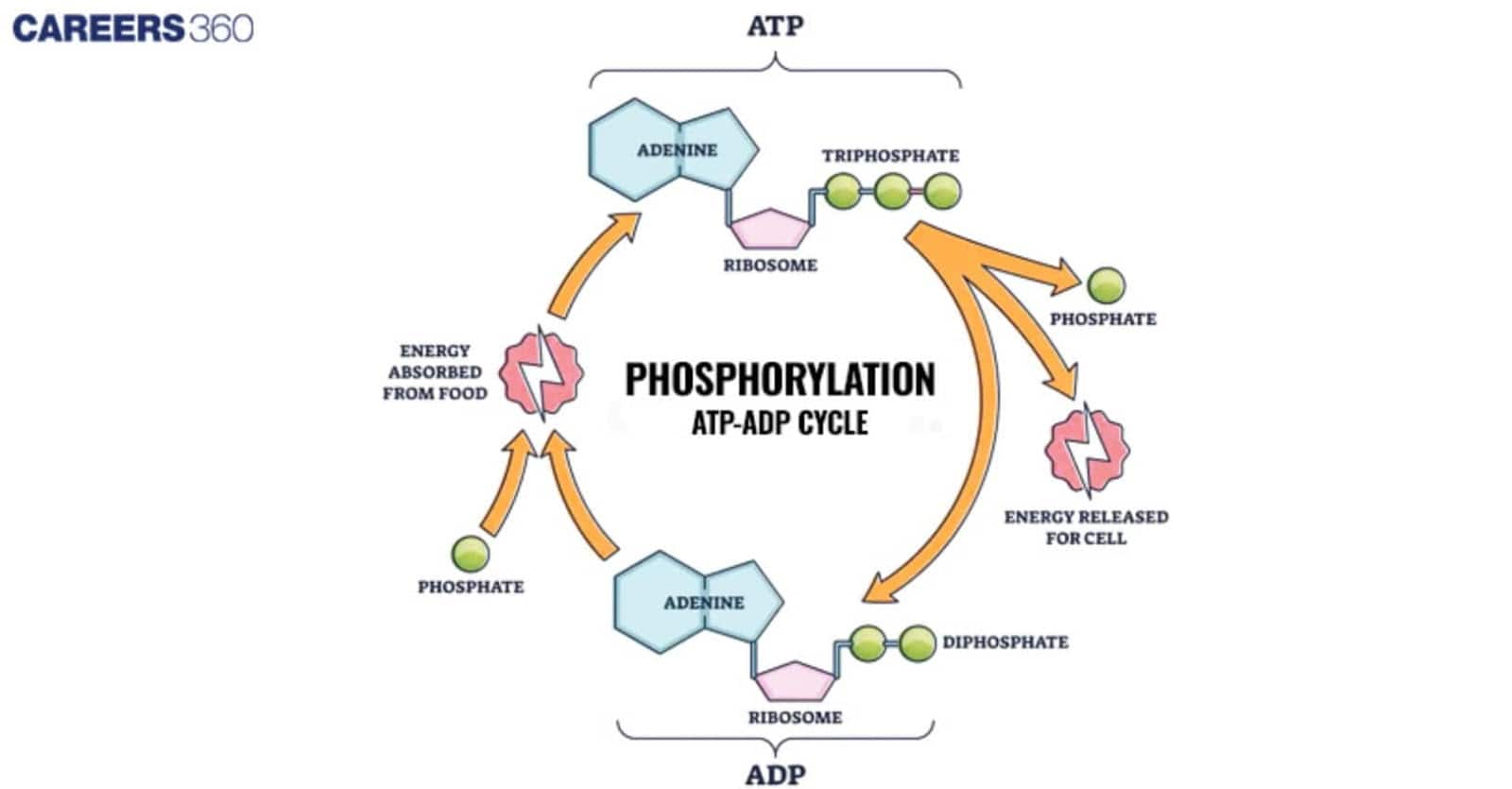
When a cell needs to accomplish a task, it "spends" its ATP. This spending occurs through the coupling of an exergonic reaction (the breakdown of ATP) with an endergonic reaction (a process that requires energy). By physically attaching a phosphate group from ATP onto another molecule—a process known as phosphorylation—the cell transfers the energy required to change that molecule's shape or reactivity.
The Mechanics of Hydrolysis and Phosphorylation
The actual transaction of energy occurs through a chemical reaction called hydrolysis. In this process, a water molecule is added to ATP, causing the terminal (gamma) phosphate group to break away. This results in the formation of Adenosine Diphosphate (ADP) and an inorganic phosphate (Pi).
The beauty of this system lies in its reversibility. The ATP cycle is essentially a "rechargeable" system. While the hydrolysis of ATP releases energy (spending), the condensation of ADP and Pi back into ATP requires an input of energy (earning). This cycle is incredibly rapid. It is estimated that the average human body contains only about 250 grams of ATP at any given moment, yet it recycles its entire body weight in ATP every single day through these constant earning and spending cycles.
| Feature | ATP (Adenosine Triphosphate) | ADP (Adenosine Diphosphate) |
|---|---|---|
| Phosphate Groups | Three | Two |
| Energy State | High (Fully Charged) | Low (Needs Recharging) |
| Primary Role | Energy Donor / Spending | Energy Acceptor / Earning |
| Stability | Relatively unstable (High potential) | More stable (Low potential) |
| Cellular Logic | "Cash" ready for use | "Empty wallet" ready for refill |
Primary "Spending" Categories in the Cell
To understand why a universal currency is necessary, one must look at the diversity of "purchases" a cell makes. If every protein and organelle required a different type of energy source, the cell would be an inefficient mess. ATP solves this through its universality.
1. Mechanical Work
Mechanical work involves physical movement. The most prominent example is muscle contraction. In muscle cells, ATP binds to a protein called myosin. The hydrolysis of ATP allows the myosin head to "cock" back, much like the hammer of a gun. When it releases, it pulls on actin filaments, shortening the muscle fiber. Without a constant supply of ATP "currency," muscles enter a state of permanent contraction (rigor mortis), illustrating that energy is required even to relax the system.
2. Transport Work
Cells must constantly move ions and molecules against their concentration gradients to maintain homeostasis. This is known as active transport. A significant portion of a cell’s ATP budget—sometimes up to 40%—is spent on the Sodium-Potassium pump (Na+/K+-ATPase). This pump moves sodium out of the cell and potassium in, creating an electrochemical gradient essential for nerve impulses and kidney function. ATP provides the necessary "payment" to force these molecules to move where they do not naturally want to go.
3. Chemical Work
The synthesis of complex molecules—such as DNA, RNA, and proteins—requires significant energy. These are "uphill" reactions that would not occur spontaneously. By using ATP to phosphorylate precursors or activate enzymes, the cell can build the large, intricate structures necessary for life and reproduction.
The Production Mints: Mitochondria and Chloroplasts
In the economy of the cell, there are specific "mints" where currency is produced. In animal cells, the primary mint is the mitochondria. Through a process called oxidative phosphorylation, mitochondria utilize the flow of electrons from nutrients to power an incredible molecular motor called ATP Synthase. This enzyme acts as a biological turbine, spinning to "press" phosphate groups onto ADP molecules.
In plants, the process begins in the chloroplasts. Through photosynthesis, plants use light energy to create ATP. However, it is important to note that plants also have mitochondria. While chloroplasts produce the initial ATP used to build sugars, the mitochondria are still used to break those sugars back down into ATP for the plant's own mechanical and transport needs. This underscores the status of ATP as the universal standard; even the producers of global biomass use the same currency for their internal operations.
Evolutionary Advantages of ATP
One might wonder why ATP became the dominant currency rather than other similar molecules like GTP (Guanosine Triphosphate) or UTP (Uridine Triphosphate). While these molecules are used in specific reactions (GTP in protein synthesis and signaling, for example), ATP remains the primary standard.
Evolutionary biologists and biochemists suggest that the selection of ATP was likely an "early accident" that proved highly successful. Once the earliest life forms developed enzymes that were finely tuned to the shape and charge of ATP, it became energetically "expensive" to switch to another molecule. Furthermore, the intermediate energy level of ATP is perfect—it is high enough to power almost any cellular reaction but low enough that it can be created through the breakdown of various common food sources.
Regulation and Economic Stability
Just as a national economy suffers if there is too much or too little money in circulation, a cell must maintain "price stability." If ATP levels drop too low, the cell faces metabolic collapse and death. If they are too high, the cell may become inefficient.
The cell monitors its currency levels using a protein called AMPK (AMP-activated protein kinase). When ATP is spent and converted into ADP and eventually AMP (Adenosine Monophosphate), the rising levels of AMP act as a signal that the cell is "going broke." AMPK then shuts down non-essential spending (like building new proteins) and ramps up earning processes (like the intake of glucose and the burning of fat). This sophisticated feedback loop ensures that the cellular economy remains balanced even under stress.
Frequently Asked Questions
Why is ATP called a "high-energy" molecule?
ATP is considered high-energy because of the electrostatic repulsion between its three negatively charged phosphate groups. These groups are like like-poles of magnets being forced together. Breaking the bond between them releases a significant amount of energy that can be harnessed for work.
What happens if a cell runs out of ATP?
If a cell completely runs out of ATP, it can no longer maintain its internal environment or perform essential functions. This leads to the breakdown of the cell membrane, the stopping of all chemical synthesis, and eventually, cell death (necrosis). In a whole organism, this manifests as organ failure.
Can we take ATP supplements to boost energy?
While ATP supplements exist, they are generally not effective for increasing "cellular energy" in the way many imagine. ATP is a large, highly charged molecule that does not easily cross cell membranes. When ingested, it is usually broken down into its components in the digestive tract. The body is much more efficient at creating its own ATP from nutrients like carbohydrates and fats.
Is ATP the only energy carrier in the body?
No, there are other carriers such as NADH, FADH2, and GTP. However, NADH and FADH2 act more like "checks" or "coupons" that must be taken to the mitochondrial "bank" to be cashed in for ATP. ATP remains the only currency that most cellular proteins can accept as direct payment for work.
How does the cell prevent ATP from being wasted?
Cells use enzymes called ATPases to strictly control when and where ATP is broken down. These enzymes only trigger the hydrolysis of ATP when they are in the presence of the specific substrate they need to work on, ensuring the energy release is coupled directly to a productive task.
Final Recommendation for Further Study
To truly grasp the significance of ATP as a cellular energy currency, one should observe its role in a specific physiological system, such as the human nervous system. The brain, while representing only 2% of body weight, consumes roughly 20% of the body's total ATP production. Investigating the "Sodium-Potassium Pump" provides a practical look at how this currency is spent to maintain the electrical charges that allow us to think, move, and perceive the world. For those interested in the production side, studying the "Electron Transport Chain" in the mitochondria reveals the molecular machinery that functions as the world's most efficient power plant.