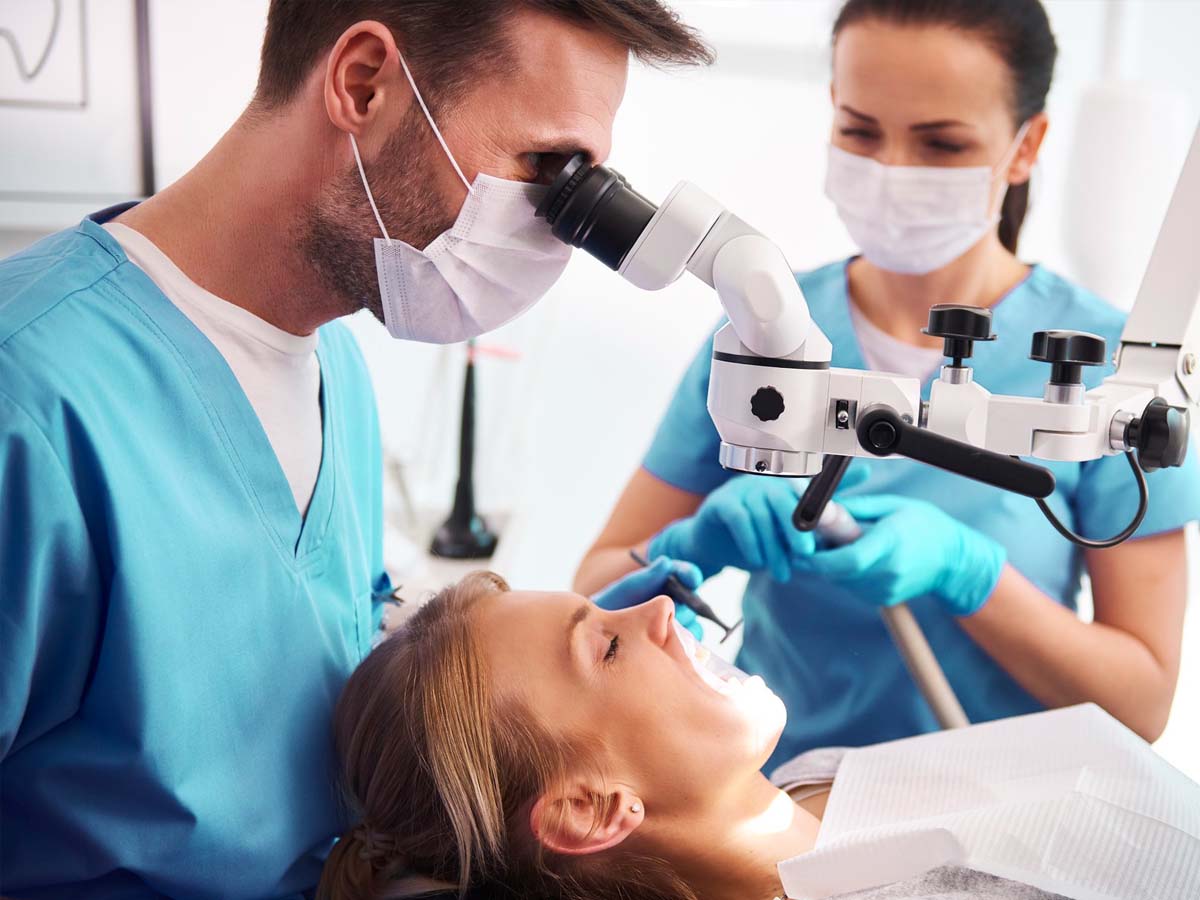
Atrium Family Dental in New Lenox, Illinois, provides comprehensive oral healthcare services ranging from routine preventive cleanings and restorative procedures to cosmetic treatments and emergency dental care. Serving patients across Will County, the practice emphasizes individualized care plans, modern diagnostic technology, and long-term oral health management for patients of all ages.
Understanding the Role of Family Dentistry in New Lenox
Selecting a family dental practice is a foundational step in maintaining lifelong oral health for individuals and households. A dedicated family dental office acts as a centralized healthcare hub, catering to pediatric, adult, and geriatric patients under one roof. In growing communities like New Lenox, local dental providers offer accessible primary care that mitigates the need for traveling across different specialized clinics for standard procedures.
Family dentistry focuses heavily on continuity of care. When a single clinical team monitors a patient's oral cavity across different life stages, they build a detailed historical record of clinical trends, genetic predispositions, and behavioral habits. For instance, monitoring developmental occlusion in children allows dentists to spot orthodontic misalignment early, while tracking enamel wear in adults can uncover subconscious nocturnal bruxism (teeth grinding) before severe structural breakdown occurs.
Furthermore, local practices in Will County operate within regional healthcare ecosystems. They collaborate with local endodontists, periodontists, oral surgeons, and orthodontists when complex sub-specialty intervention becomes necessary. This integrated approach ensures that patient records, diagnostic radiographs, and treatment goals remain aligned across all treating providers.
Core Dental Services Available in Family Practice
Modern general and family dentistry practices offer a broad spectrum of clinical services designed to prevent, diagnose, and treat diseases of the teeth, gums, and jaw structures. Understanding these service categories helps patients make informed decisions about their clinical options.
1. Preventive Dentistry and Hygiene Maintenance
Preventive care forms the cornerstone of clinical dentistry. The primary objective is the suppression of pathogenic biofilm (plaque) and the prevention of dental caries (cavities) and periodontal disease.
- Comprehensive Examinations: Regular clinical evaluations include tactile examinations of enamel surfaces, periodontal probing to measure pocket depths around teeth, and visual inspections of soft tissues.
- Professional Dental Cleanings (Prophylaxis): Registered dental hygienists use specialized manual scalers and ultrasonic equipment to remove calculus (tartar) and dental plaque that cannot be dislodged through standard brushing and flossing.
- Topical Fluoride Treatments: Professional application of high-concentration fluoride varnish aids in remineralizing weakened enamel, making it more resistant to acid attacks from dietary sugars and bacterial activity.
- Dental Sealants: Thin, protective resin coatings applied to the deep occlusal grooves of primary and secondary molars, effectively sealing out food particles and cavity-causing bacteria.
2. Restorative Dental Procedures
Restorative treatments repair damaged, decayed, or missing teeth to recover full chewing function, structural integrity, and aesthetic harmony.
- Composite Resin Fillings: Direct restoration materials matched to the natural shade of the tooth, used to repair minor to moderate cavities while conserving healthy tooth structure.
- Dental Crowns and Bridges: Custom-crafted porcelain, ceramic, or metal-fused crowns encapsulate compromised teeth to restore strength. Fixed bridges span gaps left by missing teeth, anchored securely to adjacent natural teeth.
- Root Canal Therapy (Endodontics): Removal of infected or necrotic dental pulp from within the root canal system, followed by thorough disinfection, shaping, and sealing to preserve the natural tooth root.
- Dental Implants: Long-term tooth replacement options utilizing bio-compatible titanium posts surgically placed into the jawbone, serving as artificial roots to support single crowns, bridges, or fixed dentures.
3. Cosmetic and Aesthetic Enhancements
Cosmetic treatments focus on improving visual characteristics, such as tooth color, symmetry, alignment, and overall smile proportions.
- In-Office and Take-Home Teeth Whitening: Professional-grade peroxide gels break down extrinsic and intrinsic stains caused by aging, coffee, tea, and tobacco use far more effectively than over-the-counter alternatives.
- Porcelain Veneers: Ultrathin shells of dental ceramic bonded to the facial surfaces of anterior teeth to correct minor misalignments, gaps, chip defects, or persistent discoloration.
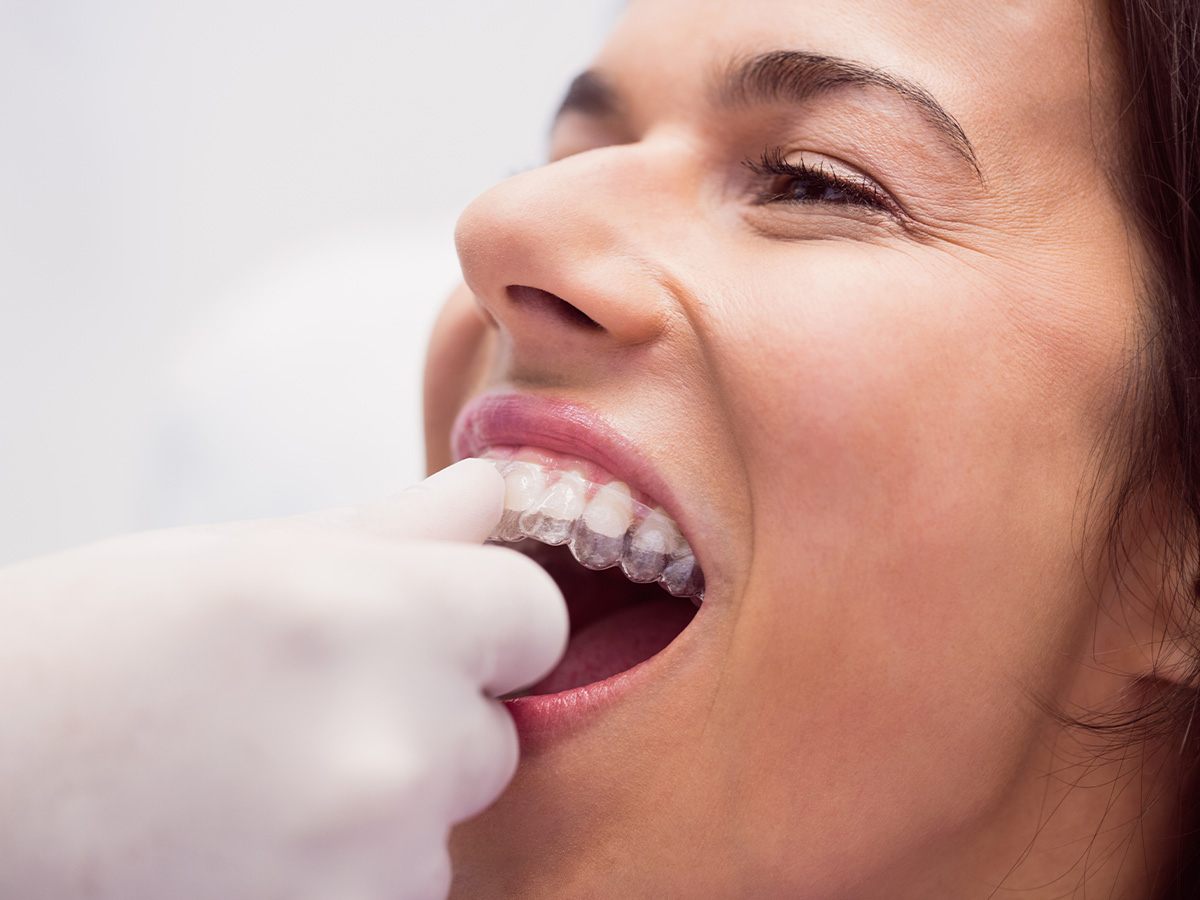
- Clear Aligner Therapy: Orthodonic solutions utilizing custom-molded, clear plastic trays to gradually shift misaligned teeth into optimal functional positioning without traditional metal brackets.
4. Periodontal Disease Management
Periodontal health dictates the stability of the surrounding support structure of the teeth, including the gingiva, periodontal ligament, and alveolar bone.
- Scaling and Root Planing: A deep cleaning procedure performed under local anesthesia to strip subgingival plaque and calculus from root surfaces, smoothing rough areas to prevent bacterial recolonization.
- Periodontal Maintenance: Specialized cleaning intervals (typically every three to four months) designed for patients diagnosed with historical or active periodontitis to arrest disease progression.
| PREVENTIVE | RESTORATIVE | COSMETIC | PERIODONTAL |
|---|---|---|---|
| • Cleanings | • Fillings | • Whitening | • Deep Cleaning |
| • Exam & X-Rays | • Crowns & Bridges | • Veneers | • Maintenance |
| • Sealants | • Root Canals | • Clear Aligners | • Gum Health |
| • Fluoride | • Implants | • Bonding | • Bone Density |
Diagnostic Technologies Utilized in Modern Practice
The accuracy of dental diagnoses and the safety of treatment delivery rely heavily on modern technology. Contemporary family dental clinics integrate advanced diagnostic modalities to identify dental pathologies before they escalate into acute clinical emergencies.
Digital Radiography
Digital X-rays have largely replaced traditional film radiography. This shift offers several distinct advantages:
- Reduced Radiation Exposure: Digital sensors require significantly less radiation to capture high-resolution imagery compared to conventional film.
- Instant Image Availability: Radiographs load immediately onto clinical monitors, allowing dentists to share visual diagnostics directly with patients during consultations.
- Enhanced Diagnostic Precision: Clinicians can adjust brightness, contrast, and zoom levels to spot interproximal decay, root fractures, and periapical lesions at their earliest stages.
Intraoral Imaging
Intraoral cameras are small, pen-sized diagnostic tools that capture high-definition, real-time video and still photos of the inside of the mouth. By projecting these images onto an overhead screen, patients can see fractured margins, worn restorations, and localized inflammation firsthand. According to the American Dental Association (ADA), patient education tools like intraoral cameras significantly enhance treatment compliance and understanding.
3D Cone Beam Computed Tomography (CBCT)
For advanced procedures like implant surgical planning, complex root canal anatomy evaluations, and wisdom teeth extractions, 3D imaging offers volumetric spatial data. Unlike standard 2D X-rays, CBCT scans provide three-dimensional views of bone density, nerve pathways, and sinus cavities, minimizing surgical risk and improving precision.
Patient Journey: What to Expect During an initial Visit
A standardized workflow ensures that new patients receive a comprehensive, safe, and transparent dental evaluation. Understanding what occurs during a comprehensive intake appointment can help alleviate unfamiliarity and streamline administrative requirements.
Phase 1: Intake and Health History Review
Prior to entering the operatory, patients complete a medical and dental history questionnaire. Systemic conditions such as diabetes, cardiovascular disease, hypertension, and autoimmune disorders directly influence oral health and treatment protocols. For example, individuals taking anti-resorptive medications or blood thinners require customized surgical considerations.
Phase 2: Diagnostic Imaging and Screening
A dental assistant or hygienist captures updated digital radiographs based on individual risk factors and time elapsed since previous imaging. These may include a full-mouth series, bitewing X-rays, or a panoramic image.
Phase 3: Clinical Examination
The attending dentist performs a rigorous intraoral and extraoral evaluation:
- Soft Tissue and Oral Cancer Screening: Inspection of the tongue, floor of the mouth, soft palate, and cheeks for precancerous lesions or abnormal mucosal changes. Guidelines supported by the National Institute of Dental and Craniofacial Research (NIDCR) emphasize the vital role of regular oral mucosal screenings.
- Hard Tissue Assessment: Detailed check of every tooth surface to document existing restorations, assess structural integrity, and detect secondary decay.
- Occlusal and TMJ Evaluation: Examination of how the upper and lower teeth meet, assessing jaw joint function for signs of temporomandibular joint disorder (TMD), clicking, or muscle tenderness.
Phase 4: Hygiene Assessment and Cleaning
If no severe periodontal disease is present, the dental hygienist performs a routine prophylaxis, removing supragingival plaque and polishing tooth enamel. If deep subgingival inflammation or bone loss is detected, a dedicated scaling appointment is scheduled.
Phase 5: Treatment Planning and Discussion
The dentist synthesizes clinical findings and presents a prioritized treatment plan. Options are detailed along with estimated costs, duration, and urgency, allowing patients to make fully informed decisions about their healthcare.
Comprehensive Overview of Common Dental Procedures
The table below outlines common clinical procedures performed in general dental practices, detailed by primary clinical intent, typical appointment duration, and long-term oral health benefits.
| Procedure | Primary Purpose | Average Session Duration | Key Long-Term Benefit |
|---|---|---|---|
| Routine Prophylaxis & Exam | Preventive maintenance & decay monitoring | 45 – 60 minutes | Prevents gum inflammation, catches early cavities, preserves natural tooth enamel. |
| Composite Filling | Repair of minor to moderate tooth decay | 30 – 60 minutes | Restores structural strength and prevents decay from reaching the dental nerve. |
| Dental Crown Placement | Full coverage protection for severely damaged teeth | 2 visits (60–90 min each) | Prevents tooth fracture, restores full bite force, protects weakened tooth structure. |
| Scaling & Root Planing | Deep periodontal cleansing for gum disease | 2 – 4 sessions (60 min each) | Halts bone loss, decreases pocket depth, controls systemic inflammatory load. |
| Root Canal Therapy | Removal of infected nerve tissue to save tooth | 60 – 90 minutes | Eliminates acute pain, clears bacterial infection, saves natural root structure. |
| Dental Implant Crown | Replacement of missing tooth structure | Multiple phases across months | Prevents adjacent tooth drift, maintains jawbone density, restores function. |
| Professional Whitening | Aesthetic removal of enamel discoloration | 60 – 90 minutes | Enhances aesthetic appearance without compromising natural enamel integrity. |
Financial Considerations, Dental Insurance, and Payment Plans
Managing the financial aspects of dental care is an important component of maintaining routine treatment schedules. Dental practices generally offer several pathways to accommodate varying budgets and insurance coverage parameters.
Navigating Dental Insurance
Dental insurance plans operate differently from standard medical insurance, typically featuring annual maximum benefit caps, specific deductible limits, and tiered coverage structures:
- Preventive Services (Diagnostic exams, cleanings, standard X-rays): Frequently covered at or near 100% by PPO plans.
- Basic Restorative Services (Composite fillings, simple extractions): Typically covered at 70% to 80% after deductibles are met.
- Major Restorative Services (Crowns, bridges, dentures, complex endodontics): Typically covered at 50% up to the annual plan maximum limit.
Patients should actively review their policy guidelines or consult with practice financial coordinators to verify benefit levels, pre-authorization requirements, and out-of-pocket estimations prior to starting major treatments.
Flexible Spending Accounts (FSA) and Health Savings Accounts (HSA)
Patients enrolled in qualifying health plans can utilize pre-tax dollars from FSAs or HSAs to pay for medically necessary dental care, including copays, deductibles, crowns, orthodontic treatments, and periodontal therapies. Cosmetic procedures like tooth whitening are generally excluded under federal tax rules.
Financing and In-House Payment Options
For uninsured patients or those undergoing extensive restorative and cosmetic work that exceeds annual insurance caps, third-party healthcare financing platforms (such as CareCredit) or structured in-house payment agreements allow costs to be split into manageable monthly installments.
Managing Dental Anxiety and Patient Comfort
Dental anxiety remains a primary reason why individuals delay necessary clinical visits. Delaying care often transforms minor, easily preventable issues into complex, painful, and costly dental emergencies. Contemporary practices employ numerous non-pharmacological and pharmacological techniques to ensure patient comfort.
- PATIENT COMFORT STRATEGIES
- Non-Pharmacological
- Clear Communication
- Topical Numbing Gels
- Controlled Ambient Environment
- Patient-Directed Pauses
- Pharmacological
- Local Anesthesia (Targeted Numbing)
- Nitrous Oxide (Inhalation Sedation)
- Oral Conscious Sedation (Prescription)
- Non-Pharmacological
Non-Pharmacological Anxiety Management
- Transparent Communication: Explaining each step of a procedure before it begins eliminates fear of the unknown. Dentists often establish hand signals with patients to pause treatment whenever a break is needed.
- Comfort-Focused Amenities: Noise-canceling headphones, warm blankets, soft ambient lighting, and overhead entertainment screens distract the mind and create a relaxed atmosphere.
- Topical Numbing Gels: Applying high-potency topical anesthetic gels to the soft tissue before delivering local injections virtually eliminates needle insertion discomfort.
Pharmacological Sedation Options
- Nitrous Oxide ("Laughing Gas"): Inhaled sedation delivered via a small nose mask. It induces a light state of relaxation while the patient remains fully conscious and responsive. The effects reverse quickly after oxygen inhalation, allowing patients to drive home safely.
- Oral Conscious Sedation: Prescription medication taken shortly before the appointment to achieve a deeper state of relaxation. Patients remain conscious but feel deeply relaxed. Transportation to and from the clinic by a designated adult is mandatory.
Best Practices for Maintaining Home Oral Hygiene
Professional dental visits every six months account for only a tiny fraction of total oral health care; daily home maintenance represents the primary line of defense against oral diseases. Adapting evidence-based hygiene routines ensures long-term treatment success.
Effective Brushing Techniques
The Centers for Disease Control and Prevention (CDC) recommends brushing teeth at least twice daily using a soft-bristled toothbrush and fluoride toothpaste.
- Angle the Bristles: Hold the brush head at a 45-degree angle toward the gumline.
- Use Gentle Circular Motions: Avoid aggressive, horizontal scrubbing, which leads to gingival recession and root surface abrasion.
- Brush for Two Full Minutes: Divide the mouth into four quadrants, devoting 30 seconds to each section, covering outer, inner, and chewing surfaces.
- Replace Toothbrushes Regularly: Swap out toothbrush heads every three to four months, or sooner if bristles become frayed or following a severe viral illness.
Interdental Cleaning Strategies
Standard toothbrushes clean only approximately 60% of the tooth surface area, leaving interproximal spaces vulnerable to bacterial accumulation.
- Dental Floss: Traditional waxed or unwaxed string floss removes plaque from tight contact points between teeth.
- Interdental Brushes: Small cylindrical brushes designed to clean larger gaps between teeth or around fixed bridge work.
- Water Flossers (Oral Irrigators): Devices utilizing pulsed water streams to flush away loose debris and bacteria from subgingival pockets, serving as an effective adjunct for patients with braces, dental implants, or manual dexterity challenges.
Professional Advice Limitation
This article is provided for general educational and informational purposes only and does not constitute formal medical or dental advice. Diagnostic and therapeutic decisions regarding oral health must always be made in consultation with a qualified, licensed dentist or medical professional. Individuals experiencing severe oral pain, uncontrollable bleeding, swelling of the face or jaw, or acute trauma should seek immediate emergency medical or dental attention.
Frequently Asked Questions
How frequently should I visit a family dentist for routine care?
Most healthy children and adults should schedule a professional examination and dental cleaning every six months. However, patients with a history of severe periodontal disease, high cavity susceptibility, compromised immune systems, or specific systemic conditions like diabetes may require more frequent maintenance visits every three to four months as recommended by their dentist.
What should I do if I experience a sudden dental emergency in New Lenox?
If you experience an acute dental emergency—such as a knocked-out (avulsed) permanent tooth, severe toothache, broken restoration, or swelling—contact your dental office immediately. For an avulsed tooth, keep the tooth moist by storing it in a container of cold milk or physiological saline, handle it only by the crown (not the root), and seek emergency dental care within 60 minutes for the highest re-implantation success rate.
Are digital X-rays safe for children and pregnant individuals?
Yes. Digital dental radiographs emit extremely low levels of radiation. Lead aprons with thyroid collars are routinely used to protect vital organs. Diagnostic X-rays are crucial for detecting hidden decay, bone density issues, and developmental abnormalities that cannot be seen visually. If you are pregnant, notify your dental team; necessary diagnostic imaging can still be performed safely, particularly during the second trimester.
What is the difference between general dentistry and cosmetic dentistry?
General dentistry focuses primarily on the prevention, diagnosis, and treatment of oral disease to maintain functional health. Cosmetic dentistry emphasizes aesthetic enhancements, such as tooth whitening, veneers, or aesthetic bonding, to alter the color, shape, size, or alignment of teeth. Many general family dentists provide both functional restorative treatments and cosmetic procedures within their practice.
How can parents help children develop positive dental habits?
Parents should introduce oral hygiene early by wiping an infant’s gums with a clean, damp cloth after feedings. Once the first tooth erupts, parents should brush their child's teeth using a tiny smear of fluoride toothpaste. Supervising brushing until children demonstrate proper dexterity (usually around age seven or eight) and maintaining positive, anxiety-free attitudes toward routine dental visits builds lifelong oral health habits.
Practical Action Plan for Dental Care
- Evaluate Your Current Schedule: Review when you and your family members last underwent a professional dental examination and hygiene cleaning. If more than six months have passed, contact your local provider to schedule routine preventive care.
- Gather Records and Insurance Information: Prepare your current dental insurance details, list of current medications, and past medical history ahead of your intake visit to streamline the administrative setup.
- Audit Your Home Care Equipment: Ensure every family member is utilizing a soft-bristled toothbrush under three months old, fluoride toothpaste, and an effective interdental cleaning tool such as string floss or a water irrigator.
- Prioritize Recommended Treatments: If your dentist has previously identified unaddressed cavities, cracked fillings, or early signs of gum disease, schedule those restorative procedures promptly to prevent deeper, more costly dental complications.
EDITORIAL CATEGORY METADATA: