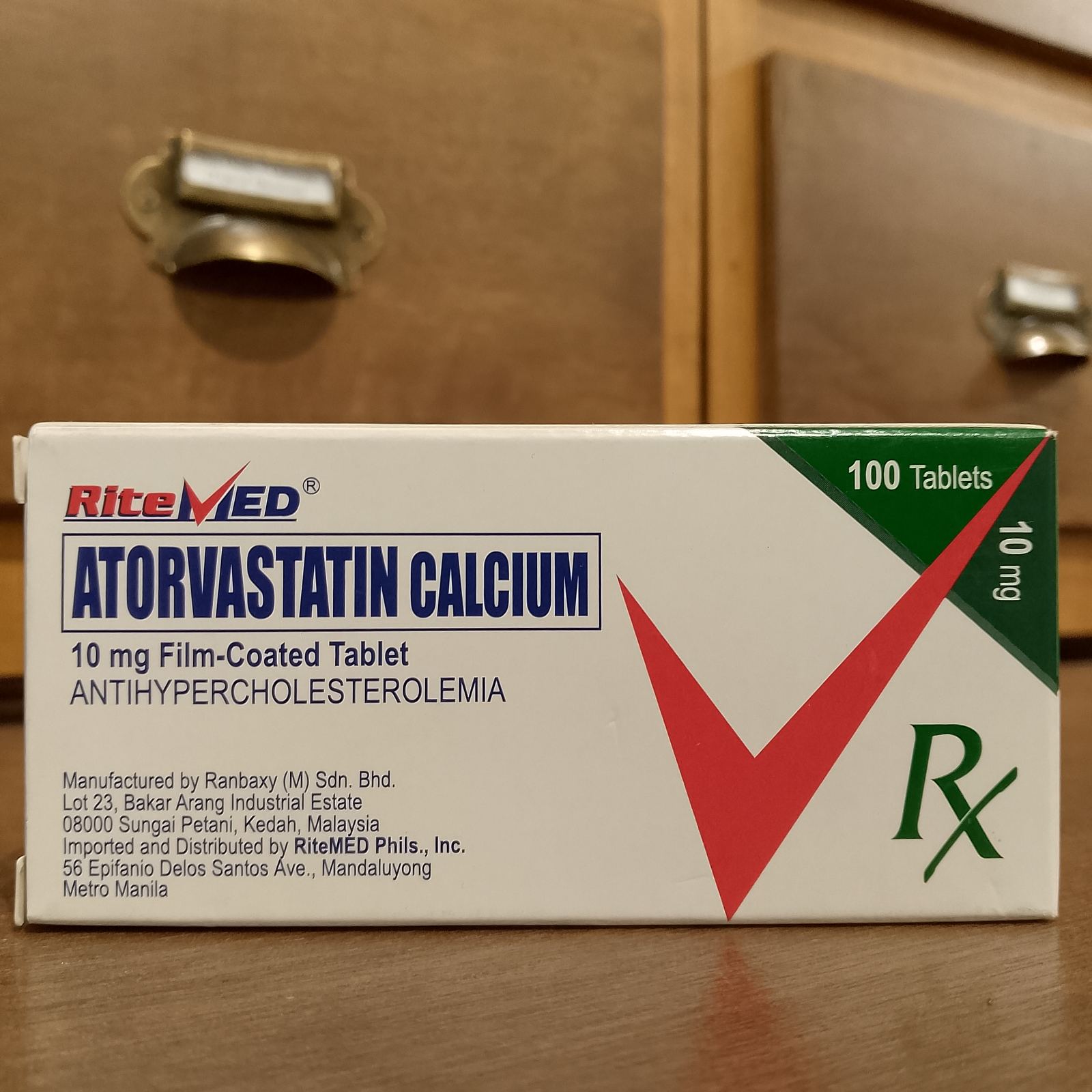
Atorvastatin calcium is a potent lipid-lowering medication, classified as an HMG-CoA reductase inhibitor or "statin." It is primarily used to reduce elevated total cholesterol, LDL cholesterol, and triglycerides while increasing HDL cholesterol. Beyond lipid management, it is a cornerstone therapy for preventing cardiovascular events like heart attacks and strokes in high-risk patients.
What is Atorvastatin Calcium?
Atorvastatin calcium is the chemical name for the generic version of the widely recognized brand-name medication Lipitor. As of 2026, it remains one of the most frequently prescribed medications globally due to its proven efficacy in managing dyslipidemia and reducing the risk of cardiovascular disease. Chemically, the "calcium" portion of the name refers to the salt form of the drug, which is used to enhance the stability and absorption of the active atorvastatin molecule within the digestive tract.
As a member of the statin class, atorvastatin works primarily within the liver. The liver is the body's central processing plant for cholesterol, producing the majority of the cholesterol found in the bloodstream. While the body requires cholesterol for cell membrane integrity and hormone production, excessive levels—particularly of low-density lipoprotein (LDL)—contribute to the formation of plaques in the arterial walls, a process known as atherosclerosis. Atorvastatin calcium intervenes in this process by targeting the rate-limiting step of cholesterol synthesis.
In clinical practice, atorvastatin is favored for its high potency and long half-life compared to older statins like simvastatin. Its long-lasting effect allows for flexible dosing at any time of day, whereas shorter-acting statins must typically be taken at night when hepatic cholesterol synthesis is at its peak.
Primary Medical Uses and Indications
The clinical applications of atorvastatin calcium are broad, covering both the treatment of existing lipid disorders and the proactive prevention of future vascular complications. In 2026, medical guidelines from the American Heart Association (AHA) and the American College of Cardiology (ACC) continue to emphasize atorvastatin as a "high-intensity" statin capable of significant LDL reduction.
Hypercholesterolemia and Dyslipidemia
The most common use for atorvastatin calcium is the treatment of primary hypercholesterolemia. This condition involves abnormally high levels of LDL cholesterol in the blood. Atorvastatin is also indicated for:
- Mixed Dyslipidemia: A condition characterized by high LDL and triglycerides combined with low HDL ("good" cholesterol).
- Hypertriglyceridemia: Specifically targeting elevated triglycerides, which can contribute to pancreatitis and heart disease.
- Homozygous Familial Hypercholesterolemia: A rare genetic condition where patients have extremely high cholesterol from birth. Atorvastatin is used as an adjunct to other treatments (like LDL apheresis) to lower these dangerous levels.
Cardiovascular Risk Reduction (Prophylaxis)
Perhaps the most significant use of atorvastatin calcium is in the prevention of cardiovascular "events." This is divided into two categories:
- Primary Prevention: For individuals who do not yet have established heart disease but possess significant risk factors such as type 2 diabetes, hypertension, smoking history, or a strong family history of early heart disease. Clinical trials have demonstrated that atorvastatin significantly reduces the risk of the first heart attack or stroke in these populations.
- Secondary Prevention: For patients who have already experienced a cardiovascular event (e.g., myocardial infarction, stable or unstable angina, or a stroke). In these cases, atorvastatin is used to stabilize existing arterial plaques and prevent the recurrence of life-threatening events.
Mechanism of Action: How Atorvastatin Works
To understand the uses of atorvastatin calcium, one must understand the biochemistry of the HMG-CoA reductase enzyme. This enzyme is responsible for converting HMG-CoA into mevalonate, which is a critical precursor in the production of cholesterol in the liver.
Enzymatic Inhibition
Atorvastatin acts as a competitive inhibitor of HMG-CoA reductase. By binding to the enzyme's active site, it prevents the liver from producing its own cholesterol. When the liver senses that its internal cholesterol levels are dropping, it compensates through a "feedback mechanism." It increases the number of LDL receptors on the surface of liver cells (hepatocytes).
LDL Clearance
These increased receptors act like magnets, pulling LDL particles out of the bloodstream and into the liver, where they are broken down and excreted. This two-pronged approach—reducing production and increasing clearance—is why atorvastatin is highly effective at lowering circulating LDL levels, often by 40% to 60% depending on the dosage.
Pleiotropic Effects
Beyond simply lowering numbers on a lab report, atorvastatin offers "pleiotropic" benefits. These are effects that go beyond cholesterol lowering. They include:
- Plaque Stabilization: It hardens the fibrous cap of existing arterial plaques, making them less likely to rupture and cause a blood clot.
- Anti-inflammatory Action: It reduces levels of C-reactive protein (CRP), a marker of vascular inflammation.
- Endothelial Function: It improves the health of the blood vessel lining, allowing for better blood flow and vascular dilation.
Dosage and Administration Guidelines
Atorvastatin calcium is an oral medication, typically available in tablet strengths of 10mg, 20mg, 40mg, and 80mg. The dosage prescribed depends on the patient's baseline cholesterol levels, their specific cardiovascular risk profile, and their response to the medication.
| Dosage Strength | Intensity Category | Typical LDL Reduction | Common Use Case |
|---|---|---|---|
| 10 mg – 20 mg | Moderate Intensity | 30% to 49% | Low-to-moderate risk primary prevention |
| 40 mg – 80 mg | High Intensity | ≥ 50% | Secondary prevention, post-heart attack, or high-risk diabetes |
Administration Best Practices
- Timing: Unlike some other statins, atorvastatin can be taken at any time of day, with or without food. However, it should be taken at the same time every day to maintain consistent blood levels.
- Consistency: The medication is a chronic therapy. Stopping the medication usually results in cholesterol levels returning to their baseline within a few weeks.
- Dietary Synergy: Atorvastatin is most effective when used in conjunction with a heart-healthy diet low in saturated fats and trans fats.
Potential Side Effects and Safety Considerations
While atorvastatin calcium is generally well-tolerated by millions of patients, it is associated with specific side effects that require monitoring. In 2026, healthcare providers emphasize distinguishing between mild, common symptoms and rare, serious complications.
Common Side Effects
- Myalgia (Muscle Pain): This is the most frequently reported side effect. It often manifests as a dull ache or weakness in the large muscle groups (legs, back, arms).
- Digestive Issues: Some patients experience mild diarrhea, upset stomach, or gas when beginning the medication.
- Blood Sugar Elevation: Statins can slightly increase blood glucose levels, which may be significant for patients with pre-diabetes or type 2 diabetes. However, the cardiovascular benefits of the medication almost always outweigh the risks associated with this slight elevation.
Rare but Serious Risks
- Rhabdomyolysis: This is an extremely rare but life-threatening condition where muscle tissue breaks down rapidly, releasing proteins into the blood that can cause kidney failure. Symptoms include severe muscle pain combined with dark, tea-colored urine.
- Liver Enzyme Elevation: While rare, some patients may experience liver inflammation. Doctors typically monitor liver function through blood tests (ALT/AST) before and during treatment.
- Hemorrhagic Stroke Risk: In specific populations with a very recent history of certain types of stroke, high-dose atorvastatin may slightly increase the risk of a different type of stroke (bleeding in the brain), though this is balanced against a massive reduction in the risk of ischemic (clot-based) strokes.
Drug Interactions and Contraindications
Atorvastatin calcium is metabolized by a specific liver enzyme called CYP3A4. Any substance that inhibits or induces this enzyme can alter the concentration of atorvastatin in the blood, potentially leading to toxicity or reduced effectiveness.
The Grapefruit Juice Interaction
One of the most famous interactions involves grapefruit juice. Grapefruit contains compounds that inhibit the CYP3A4 enzyme in the gut. Consuming large amounts (more than a quart a day) can lead to significantly higher levels of atorvastatin in the bloodstream, increasing the risk of muscle toxicity.
Medication Interactions
Patients should consult their physician if they are taking any of the following:
- Clarithromycin or Erythromycin: These antibiotics can sharply increase statin levels.
- Protease Inhibitors: Often used in HIV/AIDS treatment, these can interfere with statin metabolism.
- Cyclosporine: An immunosuppressant that significantly increases the risk of myopathy when combined with atorvastatin.
- Gemfibrozil: Another cholesterol medication that, when combined with statins, markedly increases the risk of rhabdomyolysis.
Contraindications
Atorvastatin calcium should not be used in:
- Patients with Active Liver Disease: Unexplained elevations in liver transaminases are a contraindication.
- Pregnant or Nursing Women: Cholesterol is vital for fetal development; therefore, statins are generally contraindicated during pregnancy (Category X) and breastfeeding, although individual risk-benefit assessments are occasionally made by specialists.
Lifestyle Integration and Long-Term Success
The use of atorvastatin calcium is rarely a standalone solution. For maximum efficacy in 2026, clinical guidelines advocate for a holistic approach to cardiovascular health.
The Role of Nutrition
A "Statin-friendly" diet focuses on soluble fiber (found in oats and beans), which can further lower LDL levels. Plant sterols and stanols can also complement the medication's effects. Reducing the intake of processed sugars and refined carbohydrates is essential for managing the slight risk of blood sugar elevation associated with statin use.
Physical Activity
Regular aerobic exercise (150 minutes per week) helps raise HDL ("good") cholesterol and improves overall cardiovascular fitness. Patients experiencing mild muscle aches from atorvastatin are often encouraged to remain active, as complete sedentary behavior can exacerbate stiffness and discomfort.
Monitoring and Follow-up
Initial follow-up usually occurs 4 to 12 weeks after starting the medication to check lipid levels and assess for side effects. Once a stable dose is reached, monitoring typically occurs every 6 to 12 months. According to the U.S. Food and Drug Administration (FDA), routine liver enzyme testing is no longer required for all patients but is performed based on clinical judgment if symptoms of liver injury appear.
Frequently Asked Questions
1. Can atorvastatin calcium cause memory loss?
There have been rare reports of cognitive side effects, such as confusion or memory loss, in patients taking statins. However, large-scale clinical reviews have generally found that statins do not significantly increase the risk of dementia. In some cases, because they prevent strokes, they may actually protect long-term cognitive health.
2. How long does it take for atorvastatin to start working?
Atorvastatin begins to lower cholesterol levels within 1 to 2 weeks of the first dose. The maximum effect on cholesterol levels is typically seen within 4 weeks. This is why doctors usually wait at least a month before re-testing blood work to see if the dose needs adjustment.
3. Should I take atorvastatin in the morning or at night?
Unlike older statins like simvastatin, atorvastatin has a long half-life (about 14 hours). This means it remains active in the body long enough to inhibit cholesterol synthesis regardless of when it is taken. You can take it in the morning or evening, as long as you are consistent.
4. What happens if I miss a dose of atorvastatin?
If you miss a dose, take it as soon as you remember. However, if it is less than 12 hours before your next scheduled dose, skip the missed dose and resume your regular schedule. Do not take two doses at the same time to make up for a missed one.
5. Can I drink alcohol while taking atorvastatin?
Moderate alcohol consumption is generally not prohibited while taking atorvastatin. However, because both alcohol and statins can affect liver function, excessive drinking (chronic or binge drinking) can increase the risk of liver damage and should be avoided.
Final Recommendation
Atorvastatin calcium remains a foundational tool in the 2026 medical arsenal against cardiovascular disease. Its primary use is the aggressive reduction of LDL cholesterol and the stabilization of arterial health to prevent heart attacks and strokes. If you have been prescribed this medication, the most critical next step is to maintain a consistent dosing schedule and communicate any new or unusual muscle pain to your healthcare provider immediately. Always pair the medication with heart-healthy lifestyle choices to ensure the best long-term outcomes for your vascular health.