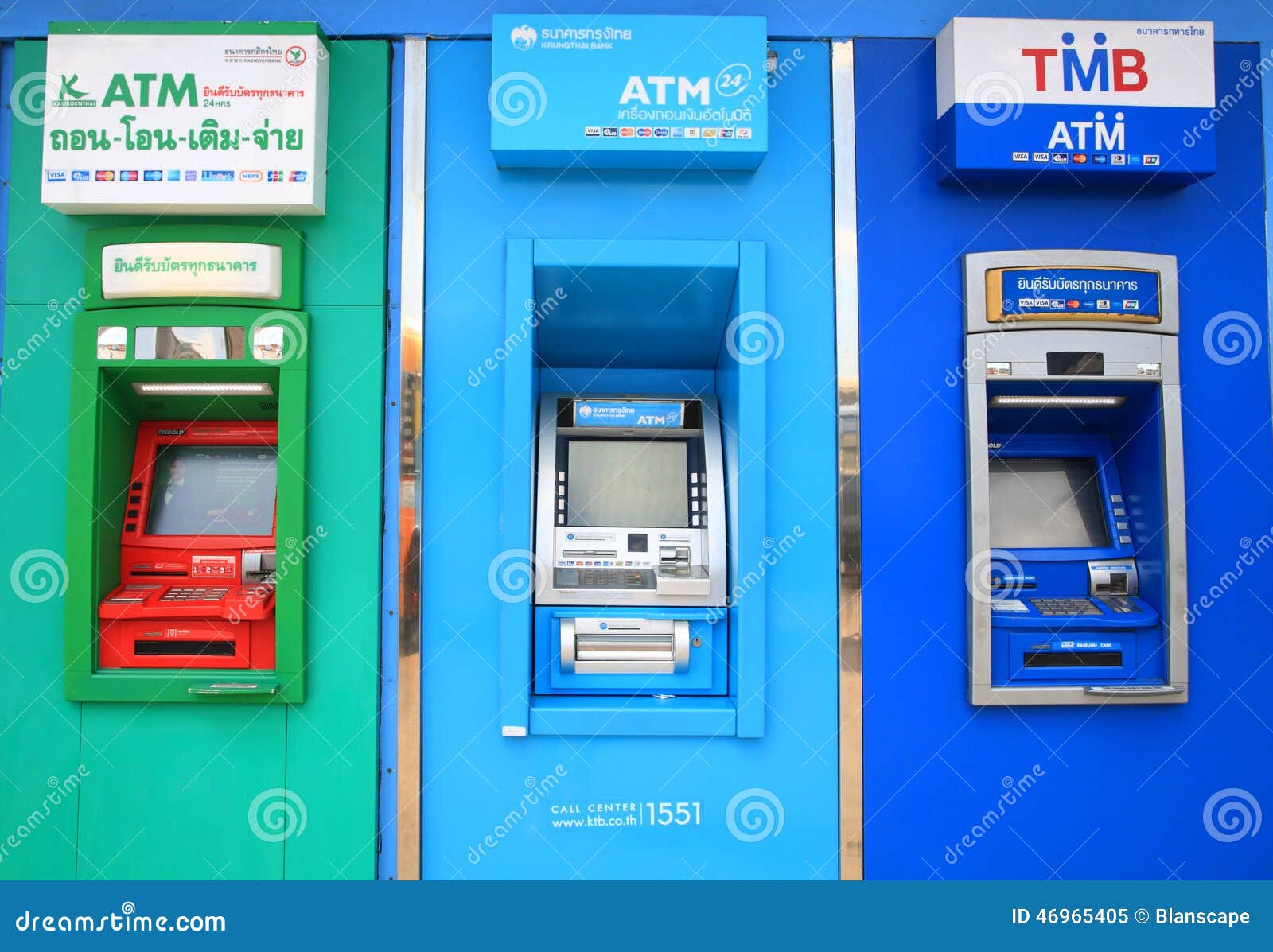
Vietnam’s ATM network is extensive in 2026, supporting most international cards across major cities and tourist hubs. However, navigating varying withdrawal limits, transaction fees, and exchange rate traps requires foresight. Successful cash management involves choosing the right bank, understanding Dynamic Currency Conversion (DCC), and maintaining security protocols to ensure seamless access to Vietnamese Dong (VND) throughout your journey.
Understanding the Banking Landscape in Vietnam
As of 2026, the Vietnamese banking sector has reached a high level of maturity, balancing traditional cash-based transactions with a rapidly expanding digital infrastructure. While urban centers like Ho Chi Minh City, Hanoi, and Da Nang have embraced QR-code payments (via apps like MoMo, ZaloPay, and VietQR), cash remains the primary medium of exchange for street food vendors, local markets, and smaller guesthouses.
The banking system is comprised of large state-owned entities, private commercial banks, and international subsidiaries. For a traveler, the distinction is important because it dictates the density of the ATM network and the likelihood of your international card being accepted. State-owned banks like Vietcombank, BIDV, and Agribank possess the largest footprint, especially in rural provinces. Private banks such as TPBank, Techcombank, and VPBank often offer more modern interfaces and higher withdrawal limits, while international giants like HSBC and Shinhan Bank provide a familiar experience for Western and East Asian travelers.
Despite the digital push, the demand for physical currency remains high. The Vietnamese Dong (VND) is the only legal tender, and while some high-end hotels might quote prices in USD, they will almost always settle the bill in VND at the prevailing bank rate. Consequently, knowing how to interact with local ATMs is a prerequisite for any successful trip.
Locating ATMs: From Urban Hubs to Remote Villages
Finding an ATM in Vietnam’s major cities is remarkably easy. They are ubiquitous in shopping malls, near major intersections, and outside convenience stores like Circle K or WinMart. Most airports, including Tan Son Nhat (SGN) and Noi Bai (HAN), have dedicated rows of ATMs in the arrivals hall, allowing travelers to secure local currency immediately upon landing.
However, the geographic distribution becomes sparser as you move into the highlands or the deep Mekong Delta. If you are planning to visit remote areas like the Ha Giang Loop or the smaller islands of the Kien Giang province, it is imperative to withdraw sufficient cash in a regional capital before heading into the wilderness. In these locations, the few available ATMs—often operated by Agribank—frequently run out of cash during weekends or public holidays like Tet (Lunar New Year).
In 2026, "LiveBank" kiosks operated by TPBank have become a common sight. These are more than just ATMs; they are automated branches that allow for a wider range of services and often have higher reliability than standalone "hole-in-the-wall" units. Look for these brightly lit purple kiosks if you require a more robust transaction environment.
Transaction Fees and Hidden Costs
The cost of withdrawing money in Vietnam is two-fold: the fee charged by the local Vietnamese bank and the fee (plus exchange rate margin) charged by your home bank.
Bank-Side Fees
Most Vietnamese ATMs charge a flat fee per transaction. In 2026, these typically range from 20,000 VND to 100,000 VND (approximately $0.80 to $4.00 USD).
- Low-fee options: Some banks, such as TPBank or VPBank, have historically offered free withdrawals for certain international Visa or Mastercard holders, though policies change frequently.
- High-fee options: International banks like HSBC often charge on the higher end of the spectrum but may offer higher withdrawal limits in return.
The Pitfalls of Dynamic Currency Conversion (DCC)
The most significant "hidden" cost is Dynamic Currency Conversion. When you insert your card, the ATM may detect it is from abroad and ask if you want to be charged in your "home currency" (e.g., USD, EUR, or GBP) instead of VND. Always choose "No" or "Decline Conversion."
DCC allows the local bank to set its own unfavorable exchange rate, which often includes a hidden markup of 5% to 10%. By choosing to be charged in the local currency (VND), you ensure that your home bank—which typically offers a much more competitive rate—handles the conversion.
Withdrawal Limits and Currency Basics
A common frustration for travelers is the relatively low withdrawal limit per transaction. Most standard ATMs in Vietnam limit a single withdrawal to between 2,000,000 and 5,000,000 VND. Given that 5,000,000 VND is roughly equivalent to $200 USD, travelers with high daily expenses may find themselves performing multiple transactions, each incurring a separate fee.
Higher limits (up to 10,000,000 VND or more) can sometimes be found at international banks like HSBC or Citibank, or at premium kiosks like TPBank LiveBank. It is also important to note that your own bank at home likely has a daily withdrawal limit. Before departing, check these limits and, if necessary, ask for a temporary increase to avoid being stranded without funds.
The Vietnamese Dong is a non-convertible currency, meaning it is difficult to exchange back into your home currency once you leave the country. Therefore, the best strategy is to withdraw smaller amounts more frequently as you approach the end of your trip to avoid having a large surplus of VND at the airport.
Security and Fraud Prevention
While Vietnam is generally a safe country for tourists, card skimming and ATM fraud are global issues that persist in 2026. Travelers should exercise the same caution they would in any major world city.
- Prefer Indoor ATMs: Use machines located inside bank branches, hotel lobbies, or secure shopping centers. These are monitored by CCTV and are much harder for criminals to tamper with compared to isolated street-side machines.
- The "Wiggle" Test: Before inserting your card, give the card reader a firm tug. If it feels loose or appears to have an overlay, do not use it.
- Cover Your PIN: Always use your free hand to shield the keypad while entering your PIN. Small "pinhole" cameras are the most common method used to steal PIN codes.
- Travel Notifications: Ensure your home bank knows you are in Vietnam. In 2026, many banking apps allow you to set "travel notices" instantly. Failure to do this may result in your card being frozen after the first transaction due to suspected fraudulent activity.
Compatible Card Networks
Most ATMs in Vietnam are part of the major global networks. You will see logos for Visa, Mastercard, Maestro, and Cirrus on almost every machine.
- Visa and Mastercard: These are the most widely accepted.
- American Express (Amex): Acceptance is much lower. You will likely only find success at high-end hotels or ATMs operated by international banks like Vietcombank or HSBC.
- UnionPay: Widely accepted due to the high volume of regional travelers from China and neighboring countries.
- JCB: Common in areas popular with Japanese tourists and accepted by major banks like VietinBank.
If your card is "chip and PIN" (EMV), you will have no issues. If you still carry a legacy "swipe-only" card, you may encounter difficulties at more modern machines. Contactless "tap" withdrawals are becoming more common in 2026 but are not yet universal; always carry a physical card rather than relying solely on a mobile wallet like Apple Pay or Google Pay for ATM access.
Comparison of Major Bank ATM Terms (Projections for 2026)
| Bank Name | Estimated Fee (VND) | Typical Limit (VND) | Key Advantage |
|---|---|---|---|
| Vietcombank | 50,000 | 2,000,000 - 5,000,000 | Most widespread network in the country. |
| Agribank | 22,000 | 3,000,000 | Best for rural areas and smaller towns. |
| TPBank | Free - 55,000 | 5,000,000 - 10,000,000 | Modern LiveBank kiosks; often no fee for some cards. |
| BIDV | 40,000 | 2,000,000 - 5,000,000 | Reliable international card acceptance. |
| HSBC Vietnam | 100,000 | Up to 10,000,000 | High limits; familiar interface for expats. |
| Techcombank | 30,000 - 60,000 | 2,000,000 - 5,000,000 | High density in Hanoi and HCMC. |
Note: Fees and limits are subject to change based on specific card agreements and local bank policy updates.
Practical Tips for a Smooth Experience
To minimize stress and maximize the value of your money, consider the following expert strategies for 2026:
- Carry Two Cards: Never rely on a single piece of plastic. Technical glitches, "swallowed" cards, or random blocks by your home bank can happen. Keep a backup card (preferably from a different network, e.g., one Visa and one Mastercard) in a separate location, such as your hotel safe.
- Use a Travel-Friendly Debit Card: Use cards from neobanks or providers that offer "fee-free" international withdrawals and use the interbank exchange rate. These cards can save you significant sums over a multi-week trip.
- Withdraw During Bank Hours: If you are withdrawing a large sum, do it at an ATM attached to a bank that is currently open. If the machine malfunctions or retains your card, you can walk inside and seek immediate assistance from the staff.
- Monitor Your Statements: Use your banking app to check transactions daily. Most apps in 2026 provide real-time notifications, allowing you to spot and report unauthorized charges instantly.
- Keep Some Emergency USD: While VND is the currency of the land, having $100 USD in crisp, clean, high-denomination bills ($50s or $100s) is a standard backup. In a true emergency where ATMs are failing, these can be exchanged at any local gold shop or bank.
Frequently Asked Questions
What should I do if the ATM swallows my card?
If the machine is attached to a bank branch, enter immediately with your passport and explain the situation. They may be able to retrieve it once the machine is serviced. If it is a standalone machine or the bank is closed, contact your home bank immediately via their app or emergency line to freeze the card. Do not leave the machine until you have secured the account.
Is it better to use an ATM or a currency exchange booth?
For most travelers in 2026, ATMs are more convenient and offer better rates, provided you decline DCC and use a low-fee card. Currency exchange booths are useful for converting cash you already have, but they often offer poor rates at airports. Local gold shops in city centers (like those near Ben Thanh Market in HCMC) often offer the best rates for physical cash exchange.
Why was my withdrawal request declined?
The most common reasons are: (1) You have exceeded your daily limit. (2) Your home bank has flagged the transaction as suspicious. (3) You are requesting an amount higher than the specific ATM’s per-transaction limit. Try a smaller amount (e.g., 2,000,000 VND) or contact your bank.
Do I need to carry a lot of cash in Vietnam?
While digital payments are growing, you still need cash for the "real" Vietnam—street food, independent cafes, taxis (though Grab is app-based), and local markets. A good rule of thumb is to keep enough cash for two days of expenses on your person, with the rest of your funds accessible via ATM.
Can I withdraw US Dollars from ATMs in Vietnam?
Generally, no. Vietnamese ATMs dispense Vietnamese Dong (VND). While some specialized "Gold View" or high-end bank branches in major cities used to offer USD withdrawals for local account holders, this is not a service available to international tourists using foreign debit cards.
Final Recommendation
For the best experience in 2026, prioritize using TPBank or Vietcombank ATMs located in secure environments. Always decline the Dynamic Currency Conversion (DCC) option to ensure your home bank handles the exchange rate. By carrying at least two different cards and notifying your bank of your travel plans, you can navigate Vietnam’s cash-heavy economy with confidence and security.