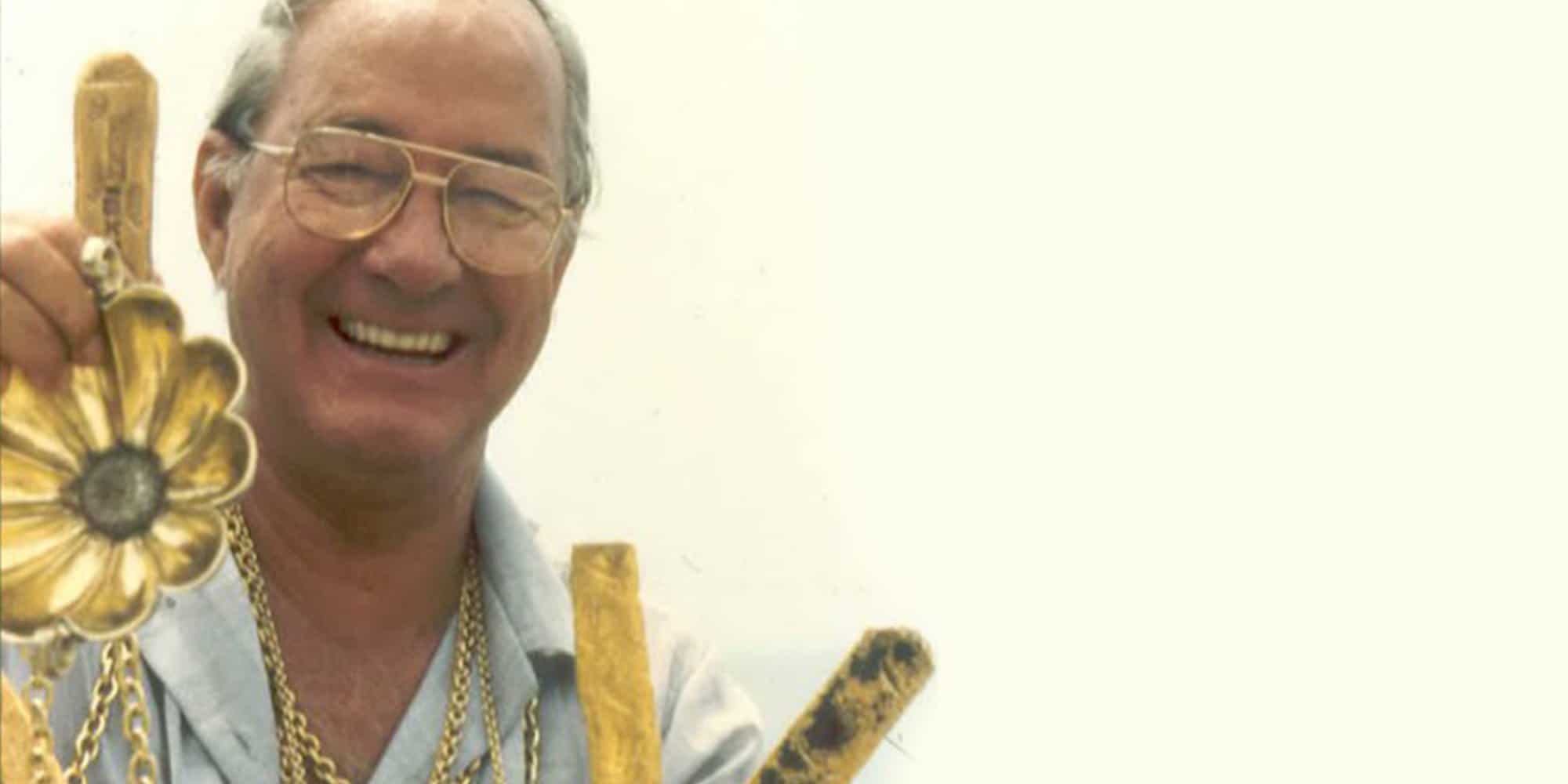
The total estimated net worth of the emeralds recovered from the shipwreck of the Nuestra Señora de Atocha remains one of the most significant valuations in maritime archaeology, currently appraised between $400 million and $500 million. Individual stone values vary significantly, with high-quality, certified specimens commanding prices from $5,000 to over $100,000 per carat based on their size, clarity, and documented provenance.
Understanding the Atocha Emeralds: History and Discovery
When searching for the "atochs emerslds net worth," one is diving into the history of the most famous Spanish treasure galleon ever found. The Nuestra Señora de Atocha sank during a fierce hurricane in 1622 off the Florida Keys. It remained lost for over 360 years until treasure hunter Mel Fisher and his team at Treasure Salvors, Inc. located the "mother lode" in July 1985.
The emeralds found on the Atocha were not just any gemstones; they were sourced from the legendary Muzo mines in Colombia. At the time of the sinking, these were the finest emeralds in the world, intended for the Spanish aristocracy and the clergy. The historical weight of these stones, combined with their geological rarity, creates a unique "provenance premium" that elevates their market value far above standard commercial emeralds.
By 2026, the market for these artifacts has matured into a sophisticated niche where collectors value the certificate of authenticity as much as the mineral itself. The scarcity of new material—since the main wreckage has been largely cleared—means that the "net worth" of the remaining circulating stones continues to experience steady appreciation.
The Factors Defining the Net Worth of Atocha Emeralds
Determining the net worth of these gems requires a blend of traditional gemology and historical appraisal. Unlike modern emeralds found in retail jewelry stores, Atocha emeralds carry a distinct "shipwreck DNA" that appraisers use to justify high price points.
1. The Muzo Connection
The Atocha was carrying emeralds primarily from the Muzo mine. In the world of gemology, Muzo is synonymous with the finest green hue imaginable—often described as a "warm, glowing green." Because these mines have been active for centuries, an emerald that can be definitively traced back to a 1622 shipment represents a "time capsule" of Colombian mining history.
2. Historical Provenance and Documentation
An Atocha emerald without documentation is essentially just a Colombian emerald. The "net worth" of a specific stone is tied to its Original Certificate of Authenticity issued by the Fisher family or Treasure Salvors, Inc. These documents often include the "tag number" from the original recovery and the specific "point" on the site map where the stone was found. In the 2026 secondary market, a lost certificate can result in a 50% to 70% reduction in appraised value.
3. The 4 Cs (Color, Clarity, Cut, and Carat)
While history is vital, the physical quality of the stone remains the foundation of its value:
- Color: The most valuable Atocha emeralds possess a deep, vivid green. Stones that are too light (beryl) or have too much yellow/blue undertone are valued lower.
- Clarity: Shipwreck emeralds often suffer from "surface reaching inclusions" or "garden" (jardin). However, stones that survived the crushing pressure of the ocean for 300 years with minimal fracturing are considered exceptionally rare.
- Cut: Many Atocha emeralds are sold as "rough" or "tumbled" stones to preserve their historical state. Cut stones (faceted) are valued based on the skill of the lapidary in maximizing the stone's light return.
- Carat Weight: Large stones are exponentially more expensive. A 10-carat Atocha emerald is not ten times more valuable than a 1-carat stone; it could be 50 to 100 times more valuable due to the rarity of large, intact crystals surviving a shipwreck.
Comparative Valuation of Atocha Emeralds (2026 Market Estimates)
The following table provides an estimated breakdown of how different types of Atocha emeralds are valued in the current 2026 market. Note that these are estimates for stones with full documentation.
| Category | Typical Size Range | Estimated Value (Per Carat) | Market Demand |
|---|---|---|---|
| Grade 1 (Investment Quality) | 2ct - 10ct+ | $15,000 - $80,000+ | Very High |
| Grade 2 (Collector Quality) | 1ct - 5ct | $5,000 - $15,000 | High |
| Grade 3 (Jewelry Grade) | 0.5ct - 2ct | $2,000 - $5,000 | Steady |
| Rough/Uncut Specimens | Various | $1,000 - $10,000 (per piece) | Moderate |
| "The Atocha Star" / Unique Items | 25ct+ | Multi-Million Dollar Range | Extreme (Auction Only) |
The Role of the Marcial de Gomar Collection
A significant benchmark for the "atochs emerslds net worth" was the 2017 Guernsey’s auction of the Marcial de Gomar Collection. Marcial de Gomar was a selection specialist for Mel Fisher, and his personal collection contained some of the most significant emeralds from the wreck.
This auction proved that the "net worth" of these items is not just a theoretical number but a realized liquid value. For example, the "La Gloria" emerald, which was part of the collection, set a precedent for how large, rough specimens are priced. These auctions serve as the primary "comparables" that 2026 appraisers use to determine the current worth of private holdings.
Authenticity Verification and Legal Standing
One cannot discuss the net worth of Atocha emeralds without addressing the legal battles that secured their ownership. In 1982, the United States Supreme Court confirmed Mel Fisher’s ownership of the wreck. This legal clarity is why Atocha emeralds can be sold openly and with clear title, unlike many other shipwreck treasures that are mired in international legal disputes.
Verification Steps for Buyers in 2026:
- Check the Photo ID Card: Most authentic stones come with a photo ID card showing the stone in its original or current state.
- Verify the Flip Side: The certificate should have a signature from a member of the Fisher family or an authorized representative of Treasure Salvors, Inc.
- Cross-Reference the Database: Modern collectors can often cross-reference tag numbers with the Mel Fisher Maritime Museum's archives to ensure the stone matches the original recovery records.
- Independent Appraisal: For stones valued over $20,000, a GIA (Gemological Institute of America) report is often requested alongside the Atocha certificate to verify the "Muzo" origin and the absence of modern synthetic treatments.
Market Trends and Investment Potential in 2026
As of 2026, the emerald market has seen a shift toward "ethically sourced" and "historical" gemstones. Atocha emeralds fit both categories perfectly. They are "recycled" or "vintage" gems that do not require new mining, appealing to the environmentally conscious luxury market.
Furthermore, the limited supply acts as a natural price floor. Unlike modern mines that can increase production to meet demand, the Atocha site is a finite resource. While there is still some work being done on the "trail" of the wreck (the debris field that stretches for miles), the discovery of large caches of emeralds has become increasingly rare. This scarcity suggests that the net worth of these items will continue to track above the standard inflation rate for luxury goods.
Common Pitfalls in Estimating Net Worth
When evaluating the worth of an "Atocha emerald," several factors can lead to an overestimation:
- Treatment Discrepancy: Many emeralds are "oiled" to hide inclusions. If a stone has been "highly treated" with resins or polymers, its value is significantly lower than a "minor oil" or "no oil" specimen, regardless of its shipwreck origin.
- The "Tourist" Effect: Small, lower-grade emerald chips were often sold in gift shops in the late 80s and 90s. While these are authentic, their resale value is minimal compared to the "Grade 1" investment stones.
- Condition Issues: Emeralds are relatively brittle (7.5 to 8 on the Mohs scale). Stones that have significant "crashing" damage from the ship's breakup or the pressure of the ocean floor may be valued as "specimen grade" rather than "gem grade."
Comparison: Atocha Emeralds vs. Other Treasure
To put the net worth of the Atocha emeralds into perspective, it is helpful to compare them to other major shipwreck finds.
- The San Jose (Colombia): Often called the "Holy Grail of shipwrecks," its estimated value is in the billions, but the emeralds have not yet been recovered and sold to the public in the same way the Atocha's have.
- The Central America (SS Central America): Known primarily for gold coins. While the gold has a high commodity value, the emeralds of the Atocha have a higher "per-gram" value due to the inherent rarity of high-quality gemstones compared to bullion.
- 1715 Fleet: These wrecks also produced emeralds, but the Atocha remains the "gold standard" for branding and market recognition.
Frequently Asked Questions
How much is a 1-carat Atocha emerald worth today?
In 2026, a 1-carat Atocha emerald with a medium-green color and clear provenance typically retails between $3,500 and $8,000. Exceptional stones with deep "Muzo green" color and high clarity can exceed $15,000 for a single carat.
Can I still buy emeralds directly from the Fisher family?
Yes, the Mel Fisher’s Treasures organization still sells authenticated stones. However, many of the highest-quality "investment-grade" stones are now found only through private auctions or high-end estate jewelers specializing in shipwreck antiquities.
Are Atocha emeralds a good investment?
Historically, Atocha emeralds have appreciated steadily. Their value is driven by two independent markets: the gemstone market and the historical artifact market. This dual-demand often makes them more resilient to market fluctuations than standard jewelry.
What is the "Atocha Star"?
The Atocha Star is one of the most famous individual emeralds from the wreck, weighing approximately 25.87 carats in its cut form. Its value is estimated in the several hundreds of thousands, if not millions, due to its size and extraordinary color.
Does the salt water damage the emeralds?
Unlike silver, which tarnishes, or organic materials that rot, emeralds are chemically stable in seawater. The main risk to the stones was the physical trauma of the wreck itself—being crushed by shifting ballast stones or the hull of the ship. Most Atocha emeralds emerged from the water as vibrant as the day they were mined.
Final Recommendations for Collectors and Investors
If you are looking to capitalize on the net worth of Atocha emeralds or add one to a portfolio, the priority must be verification. In the 2026 market, the "story" of the stone is what provides the premium.
- Prioritize Grade over Size: A small, vivid green, Grade 1 stone will always be easier to liquidate and will likely appreciate faster than a large, pale, or heavily included Grade 3 stone.
- Secure Original Paperwork: Ensure all original "Treasure Salvors" or "Mel Fisher" certificates are included in the sale. If buying at auction, check the "provenance" section of the catalog thoroughly.
- Consult a Specialist: Given the high entry price for quality stones, hiring an independent gemologist familiar with Colombian emeralds can prevent the purchase of treated or misidentified stones.
The Atocha emeralds represent a rare intersection of history, adventure, and high-finance. As we move through 2026, their status as "undersea icons" ensures that their net worth remains a focal point for the world's most discerning collectors.