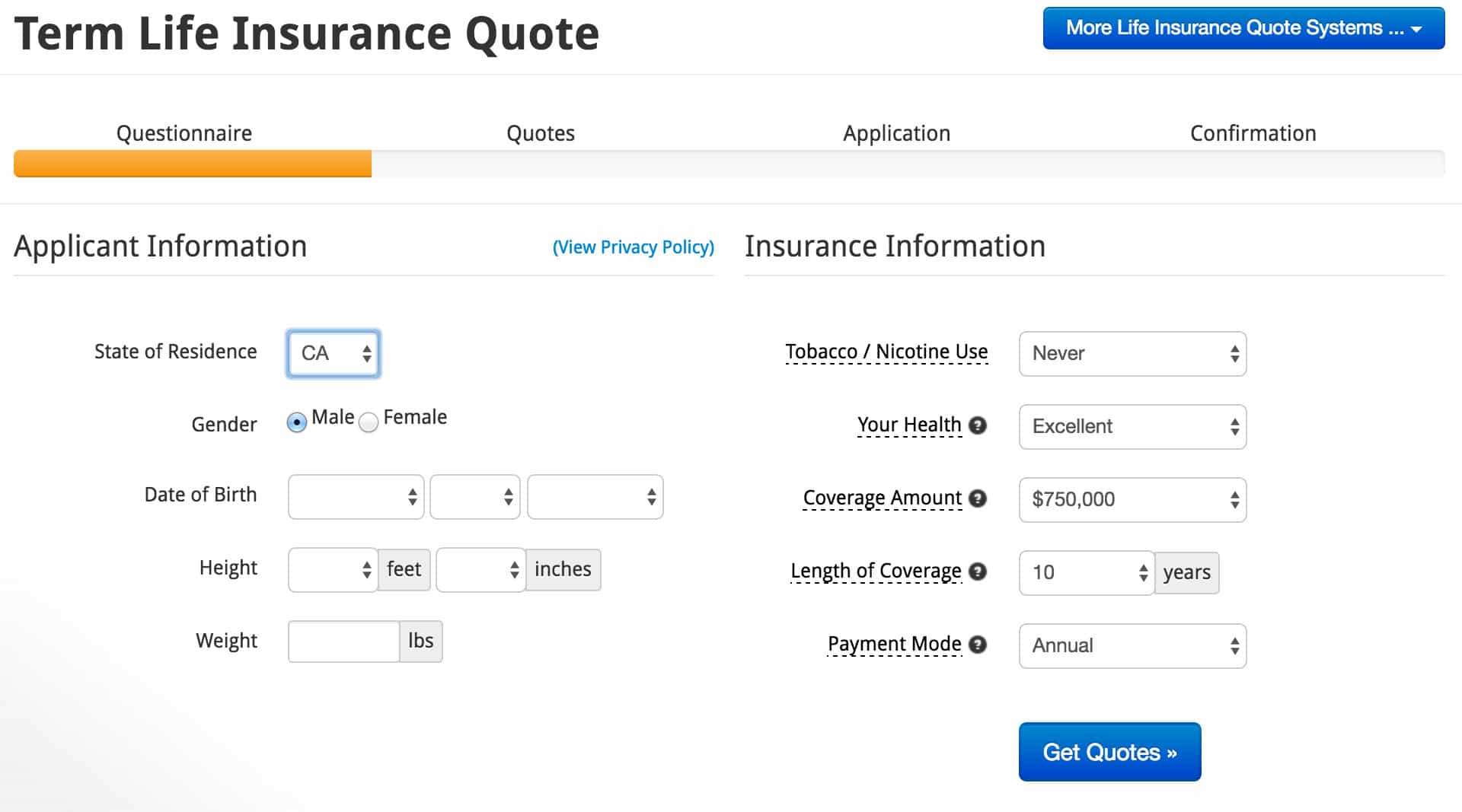
Obtaining army term life insurance quotes in 2026 involves comparing the government’s Servicemembers' Group Life Insurance (SGLI) with private policies from military-focused providers. While SGLI offers a flat rate regardless of health, private term life quotes often provide higher coverage limits and lower premiums for younger, healthy soldiers seeking supplemental or post-service protection.
The Landscape of Army Life Insurance in 2026
For members of the U.S. Army, insurance is not merely a financial product; it is a critical component of mission readiness and family security. As of 2026, the primary vehicle for life insurance remains the Servicemembers' Group Life Insurance (SGLI), which provides automatic coverage to eligible active-duty soldiers, National Guard members, and Reservists. However, the $500,000 maximum limit—established to keep pace with inflation and the cost of living—often falls short for families with significant mortgages or multiple children.
Seeking "army term life insurance quotes" typically leads soldiers down two paths: evaluating the cost of maintaining or converting government-issued coverage and shopping the private market for supplemental term policies. Private insurers like USAA, AAFMAA, and Navy Federal specialize in products that do not contain "war clauses," which are exclusions found in many civilian policies that refuse payouts for deaths occurring in combat zones. Understanding the nuances of these quotes requires a deep dive into how military service affects risk assessment and premium calculations.
SGLI and FSGLI: The Baseline for Every Soldier
Before seeking external quotes, every soldier must understand their current baseline. SGLI is a term life insurance policy overseen by the Department of Veterans Affairs (VA) but administered by the Office of Servicemembers' Group Life Insurance (OSGLI), a division of Prudential.
Coverage Limits and Fixed Costs
In 2026, the maximum SGLI coverage remains at $500,000. The rate is standardized across all age groups and MOS (Military Occupational Specialty) codes, making it an exceptional value for those in high-risk roles or those with underlying health conditions that would make private insurance prohibitive. The premium is currently $30 per month for the full $500,000, plus an additional $1 for Traumatic Injury Protection (TSGLI), totaling $31 monthly.
Family SGLI (FSGLI)
Soldiers can also obtain quotes for their spouses and children through FSGLI. Spousal coverage is capped at $100,000 or the soldier's SGLI amount, whichever is lower. Unlike the soldier's flat rate, spousal premiums are age-based. In 2026, obtaining an FSGLI quote is a mandatory step for married soldiers to ensure that the "stay-at-home" or "dual-career" contribution of a spouse is protected. Dependent children are automatically covered for $10,000 at no cost to the soldier.
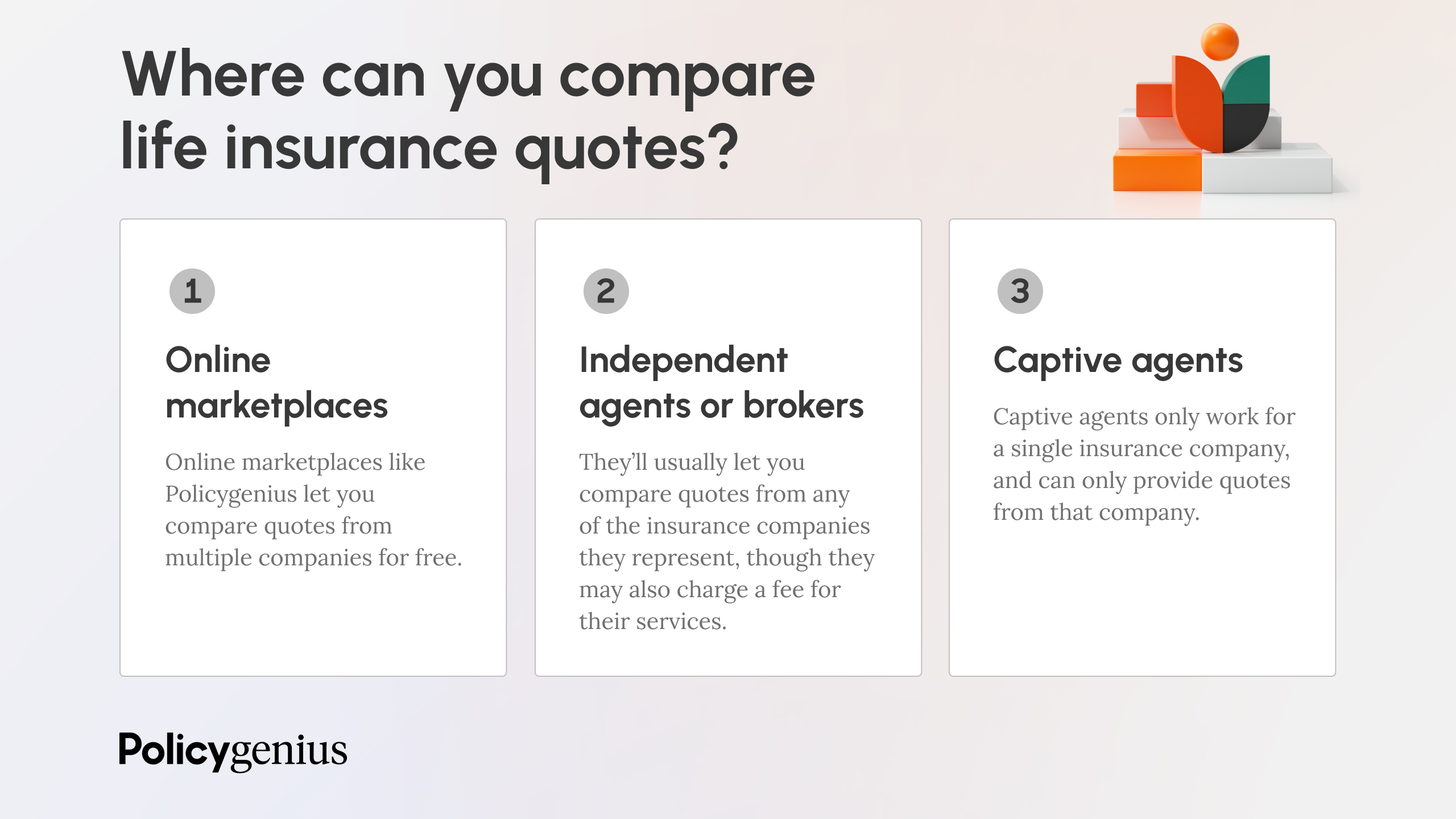
How to Get and Compare Private Army Term Life Insurance Quotes
Private term life insurance is often used to supplement SGLI. For example, a Captain or Major with a $600,000 mortgage and three children may require $1.5 million in total coverage—$1 million more than SGLI provides. When requesting quotes from private insurers in 2026, the process is largely digital but requires specific military disclosures.
The Application Process
When you request a quote from a military-specialized insurer, you will typically provide:
- Rank and Service Component: Active duty, Reserve, or Guard.
- Deployment Status: Insurers will ask if you have received orders for deployment to a combat zone. While many military-friendly insurers will still issue policies, pending deployment can sometimes delay the underwriting process.
- MOS/Specialty: Certain roles, such as EOD (Explosive Ordnance Disposal) or Special Operations, may carry different risk profiles, though top-tier military insurers often provide level-term rates regardless of MOS.
- Tobacco Use: This remains one of the largest variables in premium costs.
Identifying the "War Clause"
The most critical technical detail in any army term life insurance quote is the absence of a war clause. A civilian insurance quote might appear significantly cheaper, but if the fine print excludes "death by acts of war" or "death in a military aircraft," the policy is effectively useless for an active-duty soldier. Always verify that the quote specifically covers military service-related deaths.
VGLI: Transitioning Quotes from Active Duty to Veteran Status
Upon separation from the Army, soldiers have 1 year and 120 days to convert their SGLI to Veterans' Group Life Insurance (VGLI). However, the timing of the quote matters. If you apply within 240 days of separation, you do not need to provide proof of good health (no medical exam).
The Cost of VGLI in 2026
VGLI premiums are age-banded and increase every five years. While VGLI is an excellent safety net for veterans with service-connected disabilities who might be denied private coverage, it can become significantly more expensive than private term life insurance as the veteran ages. For a healthy 30-year-old veteran, a private 20-year term life quote will almost always be lower than VGLI premiums over the same period.
Comparison of Monthly Premiums (Estimated 2026 Rates)
The following table compares the monthly costs for $500,000 of coverage between VGLI and a hypothetical "Preferred Plus" private term life policy for a non-smoker.
| Age Bracket | VGLI Monthly Premium | Private Term (20-Year) | Potential Savings |
|---|---|---|---|
| 25–29 | $35.00 | $18.50 | $16.50 |
| 30–34 | $40.00 | $21.00 | $19.00 |
| 40–44 | $70.00 | $38.00 | $32.00 |
| 50–54 | $150.00 | $85.00 | $65.00 |
| 60–64 | $450.00 | $210.00 | $240.00 |
Note: Private term rates are estimates based on standard 2026 actuarial projections for individuals in excellent health.
Key Factors Influencing Your Insurance Premium
When you receive a quote for army term life insurance, the "sticker price" is determined by several underwriting factors. Understanding these can help you choose the right time to lock in a rate.
Term Length vs. Career Trajectory
A 10-year term might offer the lowest quote, but for a 22-year-old Second Lieutenant, that policy will expire just as they are reaching their peak earning years and family responsibilities. Most financial advisors for military personnel recommend 20-year or 30-year terms. Locking in a 30-year term at age 25 ensures that the premium remains level until the soldier is 55, providing coverage through the duration of most military careers and into retirement.
Accelerated Underwriting
By 2026, many insurers have adopted accelerated underwriting. This means that instead of a nurse coming to your house for a blood draw and physical, the insurer uses "big data"—including pharmacy records, MVR (Motor Vehicle Reports), and previous insurance applications—to provide a firm quote within minutes. For soldiers, this is a major benefit, as it allows policies to be put in place quickly before a sudden deployment.
The "No-Exam" Option
Some military associations offer "Simplified Issue" quotes. These require answering a few health questions but no medical exam. While convenient, these quotes are usually higher than "Fully Underwritten" policies. If you are in good health, it is almost always worth the effort of a medical exam to secure the lower premium associated with a fully underwritten quote.
Top Providers Offering Army Term Life Quotes
While dozens of companies sell life insurance, only a few have a long-standing history of catering specifically to the needs of the Army.
- AAFMAA (American Armed Forces Mutual Aid Association): A non-profit association that offers some of the most competitive term life quotes for soldiers. Their "Level Term II" product is a staple for active-duty personnel.
- USAA: Known for its comprehensive financial services for the military community. USAA’s term life quotes often include "Military Future Insurability," allowing you to add coverage after leaving the service or after major life events without a new medical exam.
- Navy Federal Credit Union: While named "Navy," their insurance products (often partnered with carriers like TruStage) are available to all Army members and veterans.
- Prudential: As the administrator of SGLI, Prudential has a deep understanding of military risks and offers supplemental private policies that complement government coverage.
For more information on government-provided options, the VA's official life insurance page remains the definitive source for current SGLI and VGLI statutes.
Common Mistakes When Seeking Quotes
Many soldiers make the mistake of assuming SGLI is "enough" without doing the math. A common rule of thumb is to have coverage equal to 10 to 12 times your annual income. For a mid-career NCO or Officer, $500,000 rarely meets this threshold.
Another mistake is waiting until retirement to seek private quotes. Because life insurance premiums are based on age and health, a 40-year-old retiring First Sergeant will pay significantly more for a private policy than a 25-year-old Staff Sergeant. By securing a private quote while still young and on active duty, you "insure your insurability." Even if you develop a service-connected disability later, your private term policy remains in effect at the original low rate.
Finally, ignore quotes that do not explicitly state they cover "aviation activities" if you are a pilot or crew member. Standard civilian quotes often exclude death resulting from non-commercial flight, which can leave Army Aviators completely unprotected.
Frequently Asked Questions
Can I have both SGLI and a private term life policy?
Yes. There is no restriction on owning private life insurance in addition to your SGLI. In fact, many financial planners recommend this "laddering" approach. You use SGLI for your primary coverage while on active duty and a private term policy to provide extra protection for your family and to ensure you have coverage after you transition to civilian life.
What happens to my private term life insurance if I deploy to a combat zone?
If you have a policy from a military-friendly insurer (like AAFMAA or USAA), your coverage remains in full effect during deployment. Your premiums will not increase, and there are no exclusions for combat-related deaths. However, you must have the policy in place before you receive deployment orders for some carriers to offer their best rates.
Is SGLI cheaper than private insurance?
Not always. For older soldiers or those who are tobacco users, SGLI is almost always cheaper because it is a group policy with a flat rate. However, for a young (under 35), healthy, non-smoking soldier, a private term life quote can be 30% to 50% cheaper than the equivalent amount of SGLI.
How much life insurance do I actually need?
A standard calculation is the DIME method:
- Debt: Total of all debts, including credit cards and car loans.
- Income: Your annual salary multiplied by the number of years you want to provide for your family (e.g., 10 years).
- Mortgage: The remaining balance on your home.
- Education: The estimated cost of college for all your children. Subtract your current SGLI ($500,000) from this total to find the amount of supplemental private insurance you should quote.
Can my spouse get a private quote if I am the one in the Army?
Absolutely. Spouses of military members are often underserved by the $100,000 FSGLI limit. Spouses can apply for private term life insurance independently, and their quotes will be based on their own health and age, regardless of the soldier’s military status.
Next Steps for Army Personnel
If you are currently relying solely on SGLI, your next action should be to conduct a needs analysis. Use the DIME method to determine if $500,000 is sufficient for your family’s future. If a gap exists, request quotes from at least two military-focused insurers to compare against the cost of your current SGLI and potential VGLI premiums.
Secure these quotes while you are in good health and preferably before your next PCS or deployment cycle. By locking in a private term life policy in 2026, you provide your family with a financial foundation that follows you from the barracks to the boardroom, regardless of where your Army career takes you.